
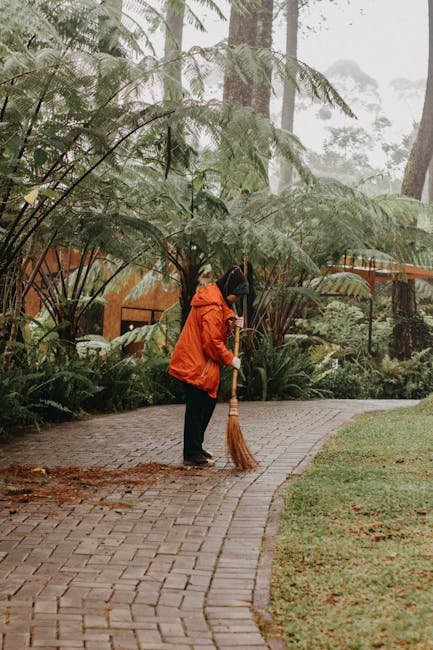
Are you tired of spending hours cleaning up leaves and lawn debris? Choosing the right tool can make a huge difference in how much time and effort you spend on your yard.
When it comes to keeping your lawn tidy, two popular options are the tow behind lawn sweeper and the bagger. But which one is better for your needs? By the end of this article, you’ll have a clear idea of which tool will save you time, work smarter, and keep your yard looking great with less hassle.
Let’s dive in and find out which one suits your lawn care routine best.
Tow Behind Lawn Sweeper Basics
Tow behind lawn sweepers help clean yards by collecting leaves, grass clippings, and debris. They attach to a lawn tractor or ATV for easy pulling.
These tools save time and effort compared to raking or bagging by hand. They work well on many lawn types.
How It Works
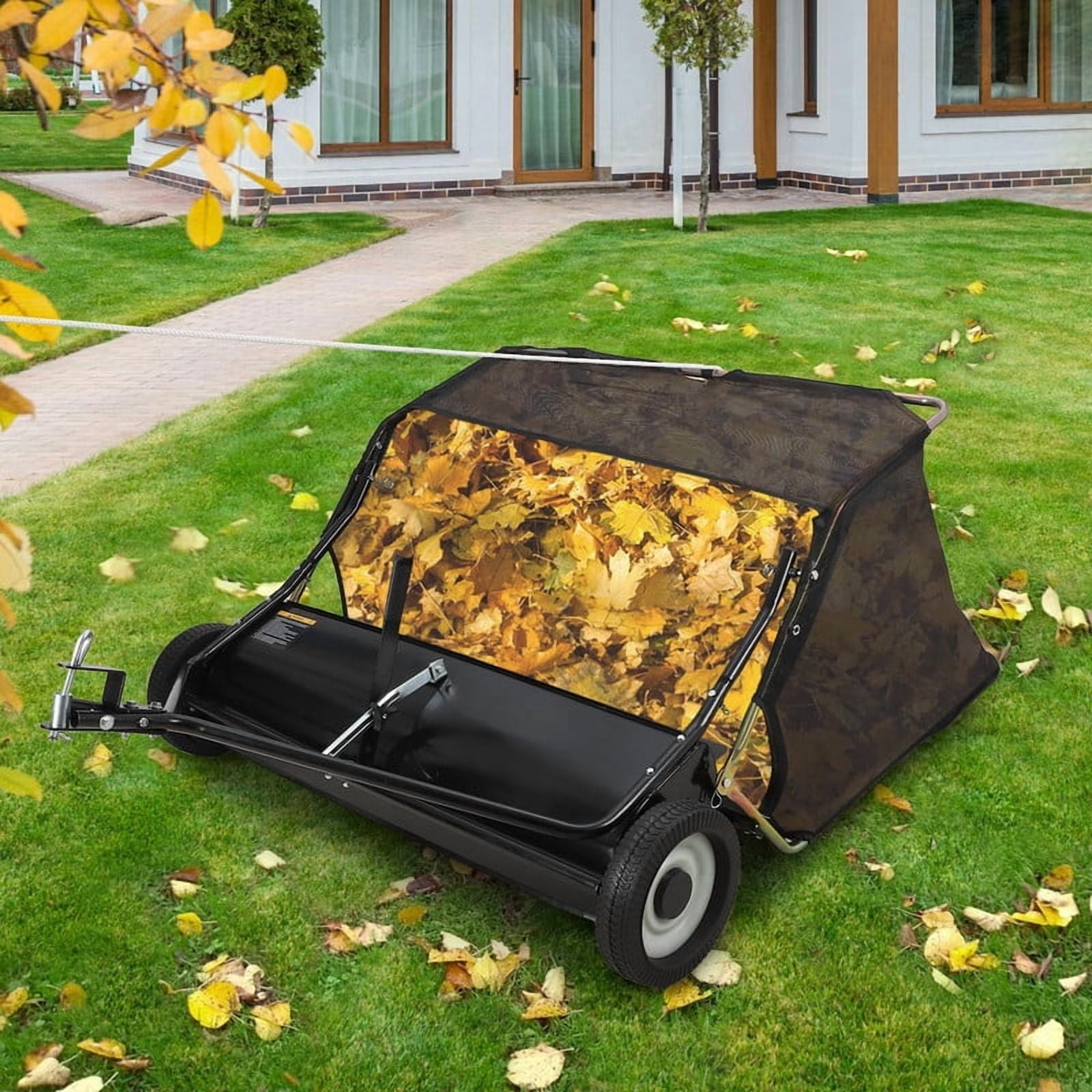
The sweeper uses brushes to pick up debris from the lawn surface. As you pull it, the brushes spin and sweep material into a collection hopper.
- The brushes rotate when the wheels turn.
- Debris is lifted and moved into the hopper.
- The hopper can be emptied when full.
- The sweeper is easy to attach and detach.
Ideal Lawn Types
Tow behind sweepers work best on lawns that are flat or have gentle slopes. They pick up leaves and grass clippings efficiently on these surfaces.
| Lawn Type | Suitability | Notes |
| Flat Lawns | High | Brushes contact evenly |
| Gently Sloped Lawns | Medium | May need slower speed |
| Rough or Rocky Lawns | Low | Debris may clog brushes |
| Wet or Muddy Lawns | Low | Can cause slipping or damage |
Pros And Cons
- Pros:Saves time and reduces manual labor.
- Pros:Collects debris cleanly without spreading.
- Pros:Easy to attach to many vehicles.
- Cons:Not ideal for uneven or rocky lawns.
- Cons:Requires storage space when not in use.
- Cons:May need regular brush maintenance.
Bagger Features
A bagger collects grass clippings, leaves, and debris while mowing. It attaches to a lawn mower or tractor.
Bagger systems help keep your lawn clean and reduce the need for extra raking.
Functionality
A bagger uses a vacuum or impeller to suck up grass clippings and leaves. It stores them in a large bag or container.
Some baggers have multiple compartments for easy emptying. They connect directly behind a mower or tractor.
- Suction pulls debris into the bag
- Large capacity bags reduce trips to empty
- Easy to attach and detach from mower
Best Lawn Conditions
Bagger systems work best on medium to large lawns. They handle fresh grass clippings and dry leaves well.
They work best on lawns that are regularly mowed and free of thick branches or heavy debris.
- Ideal for lawns with regular mowing
- Best on dry, flat to gently sloped lawns
- Not suited for very wet or heavy debris
Advantages And Drawbacks
Bagger systems keep lawns tidy by collecting clippings as you mow. They save time on cleanup.
Drawbacks include added weight on the mower and the need to empty bags often on large lawns.
- Advantages
- Keeps lawn clean during mowing
- Reduces extra raking and cleanup
- Easy to use and attach
- Drawbacks
- Adds weight to the mower
- Bags need frequent emptying
- Not good for very wet or heavy debris
Performance Comparison
When maintaining a lawn, choosing between a tow behind lawn sweeper and a bagger is important. Each tool offers unique benefits for cleaning your yard.
In this guide, we will explore how these tools compare in performance. We will look at efficiency in leaf collection, handling grass clippings, and their capacity and storage needs.
Efficiency In Leaf Collection
A tow behind lawn sweeper can collect leaves quickly. It covers a large area in a short time. This makes it efficient for bigger yards.
Bagger systems are effective too. They attach to the mower and collect leaves while you mow. This saves time but may need frequent emptying.
- Tow behind sweepers work well on flat surfaces.
- Bagger systems are convenient for smaller lawns.
Handling Grass Clippings
Tow behind sweepers are not only for leaves. They also pick up grass clippings well. This helps in keeping the lawn clean after mowing.
Bagger systems are specifically designed for grass clippings. They attach directly to the mower, ensuring clippings are collected as you go.
- Sweepers gather clippings from the entire yard.
- Baggers fill up quickly with thick grass.
Capacity And Storage
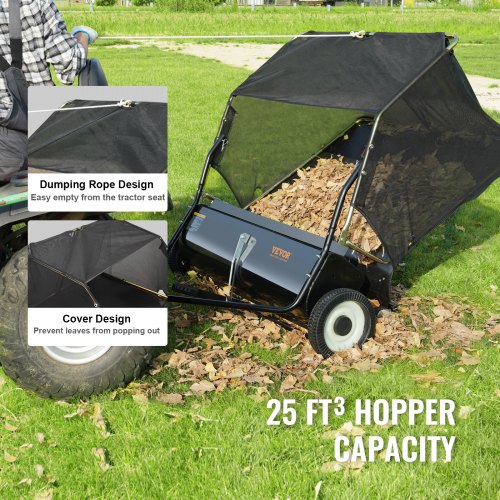
Tow behind sweepers often have larger capacity. They can hold more leaves and clippings before needing to be emptied. This is ideal for large properties.
Bagger systems are smaller and require frequent emptying. They are easier to store due to their compact size.
| Tool | Capacity | Storage |
| Tow Behind Sweeper | High | Requires space |
| Bagger System | Low | Compact |
Credit: www.vevor.com
Ease Of Use
Choosing between a tow behind lawn sweeper and a bagger depends on how easy they are to use. Ease of use affects your work and enjoyment. This guide looks at setup, maneuverability, and time needed.
Both tools help clean your yard, but they work differently. Understanding their ease of use helps you pick the best tool for your needs.
Setup And Maintenance
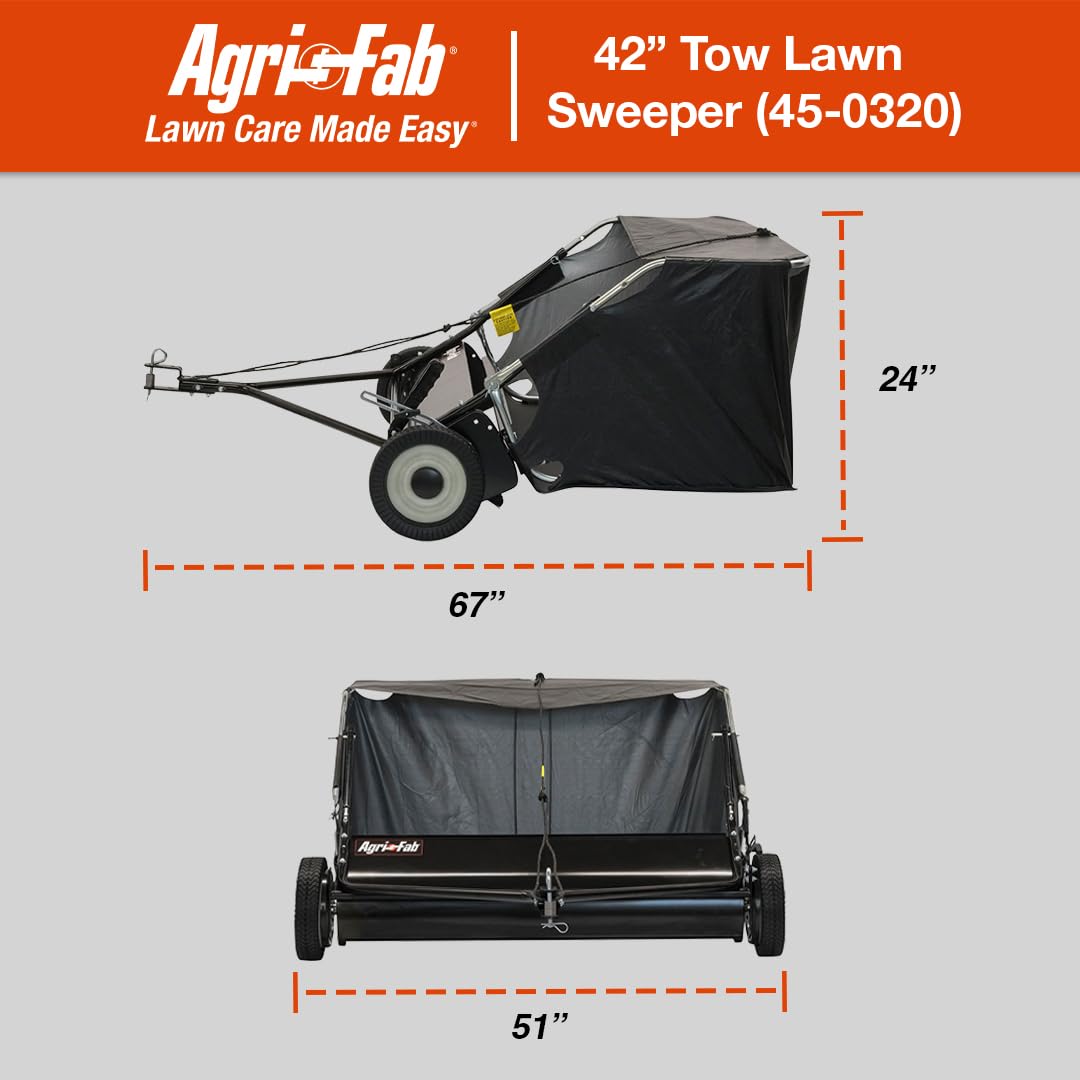
Setting up a tow behind lawn sweeper takes a few minutes. You attach it to your lawn tractor or mower. After that, you adjust the brushes and empty the hopper.
A bagger fits directly on your lawn mower. Installation is usually quick but depends on your mower model. You need to check the bag and clean it often to keep it working well.
- Tow Behind Sweeper: Attach to tractor, adjust brushes, empty hopper
- Bagger: Mount on mower, check bag, clean regularly
Maneuverability
Tow behind sweepers are pulled behind your mower. They can be harder to steer in tight spaces. They work best on flat or gently sloped lawns.
Baggars are attached to the mower itself. This makes them easier to handle. You can turn and move more freely without extra equipment behind you.
| Feature | Tow Behind Sweeper | Bagger |
| Steering | Needs more space to turn | Easier to steer with mower |
| Use on slopes | Better on flat ground | Works well on gentle slopes |
| Size | Larger, takes more space | Compact and attached |
Time Commitment
Using a tow behind sweeper takes time to empty the hopper frequently. You also spend time on setup and maintenance before and after use.
A bagger collects debris in a single bag that you remove and empty. This can save some time but requires bag cleaning to avoid odors and wear.
- Tow Behind Sweeper: More time emptying and maintenance
- Bagger: Less emptying time but needs bag cleaning
Cost And Value
Choosing between a tow behind lawn sweeper and a bagger depends on cost and value. Both tools help keep your lawn clean but differ in price and usefulness.
Understanding the costs involved helps you pick the best option for your budget and needs.
Initial Investment
Tow behind lawn sweepers usually cost less than baggers. They are simpler machines with fewer parts.
Bags and collection systems in baggers add to their price. Some baggers also require a compatible mower.
- Tow behind sweepers: Lower starting price
- Bagger systems: Higher upfront cost
- Compatibility may increase bagger cost
Long-term Expenses
Tow behind sweepers need less maintenance. They have fewer moving parts to fix or replace.
Bagger systems may have higher upkeep costs. Bags wear out and need regular replacement.
- Sweeper brushes need occasional cleaning or replacement
- Bagger bags must be replaced often
- Bagger motors or fans may require repair
Resale Potential
Tow behind sweepers keep good resale value if well maintained. They stay useful for many lawn types.
Bagger systems can lose value faster. Wear on bags and mechanical parts lowers resale price.
- Maintain equipment for better resale
- Sweepers usually sell faster due to simplicity
- Bagg er resale depends on condition and brand
Credit: www.amazon.ca
Environmental Impact
Tow behind lawn sweepers and baggers help keep yards clean. They differ in how they affect the environment. Understanding these differences helps you choose the greener option.
This section looks at fuel use, waste disposal, and eco-friendly habits for both tools.
Fuel And Energy Use
Tow behind lawn sweepers usually rely on a lawn tractor or ATV for power. This means their fuel use depends on the vehicle they attach to.
Bagger systems often connect to lawn mowers that run on gas or electricity. Electric mowers use less fuel and produce fewer emissions.
- Tow behind sweepers add no extra fuel use beyond the towing vehicle.
- Gas-powered baggers increase fuel consumption and emissions.
- Electric baggers lower air pollution and save energy.
Waste Disposal Methods
Tow behind lawn sweepers collect leaves and debris in a hopper. You empty this waste manually, often into compost or trash bins.
Bagger systems collect grass clippings and leaves inside a bag. You must empty the bag regularly, which can be easy or messy depending on the design.
- Sweepers allow easy transfer of waste to compost piles.
- Bagger bags may create more plastic waste if not reusable.
- Both methods work well for natural lawn waste recycling.
Eco-friendly Practices
Using either tool in an eco-friendly way helps reduce your impact. Avoid overusing fuel and dispose of waste properly.
Choose reusable bags or compost waste instead of sending it to landfills. Regular maintenance keeps machines efficient and less polluting.
- Use electric mowers with baggers to cut emissions.
- Compost leaves and grass clippings collected by sweepers.
- Keep equipment clean and well-oiled for best fuel use.
Choosing The Right Tool
When caring for your lawn, choosing between a tow behind lawn sweeper and a bagger is essential. Each tool has its unique benefits and uses.
Consider your lawn’s size, your personal preferences, and seasonal needs. These factors will guide you in making the best choice.
Lawn Size Considerations
The size of your lawn is a critical factor. A larger lawn might benefit more from one tool over the other.
- Small lawns can be efficiently maintained with a bagger.
- Medium to large lawns might need a tow behind lawn sweeper for better coverage.
- Consider the time you have for lawn care when making your choice.
Personal Preferences
Your preferences matter when selecting a lawn tool. Think about ease of use and maintenance.
- Some prefer the simplicity of a bagger.
- Others like the efficiency of a tow behind sweeper.
- Consider which tool fits your lifestyle best.
Seasonal Needs
Different seasons require different lawn care strategies. Your choice of tool can make seasonal maintenance easier.
| Season | Recommended Tool |
| Spring | Tow behind sweeper for removing debris |
| Summer | Bagger for regular grass clippings |
| Fall | Tow behind sweeper for leaves |
Credit: www.walmart.com
Frequently Asked Questions
What Is A Tow Behind Lawn Sweeper?
A tow behind lawn sweeper is a gardening tool that collects leaves and debris. It attaches to a lawn tractor or ATV, using brushes to sweep up yard waste efficiently.
How Does A Bagger Differ From A Lawn Sweeper?
A bagger collects grass clippings directly from the mower deck. Unlike sweepers, baggers usually require specific mower compatibility and collect clippings as you mow.
Which Is Better For Large Yards: Sweeper Or Bagger?
Tow behind lawn sweepers are generally better for large yards. They cover more area quickly and handle various debris types, while baggers focus on grass clippings.
Can A Tow Behind Lawn Sweeper Handle Wet Leaves?
Tow behind lawn sweepers work best with dry leaves. Wet leaves can clog brushes and reduce efficiency, so it’s advisable to sweep when leaves are dry.
Conclusion
Choosing between a tow behind lawn sweeper and a bagger depends on your yard needs. Sweepers pick up leaves and debris quickly. Baggers collect grass clippings right from your mower. Both save time and effort. Think about the size and type of your lawn.
Consider what kind of debris you deal with most. Either tool helps keep your yard clean and neat. The best choice fits your routine and budget. Simple tools can make yard work easier and faster.
