
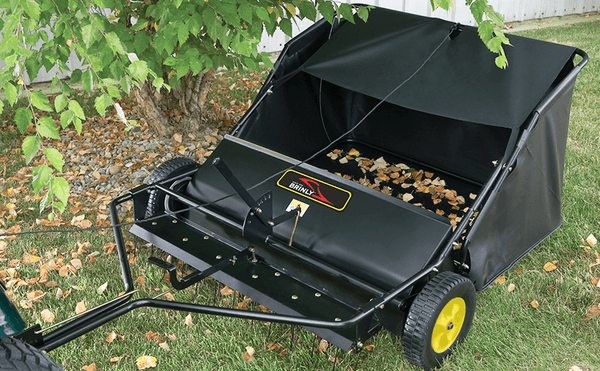
Are you tired of the endless struggle of gathering and moving leaves in your garden? Imagine a solution that not only saves you time but also makes the task enjoyable.
If you’ve ever felt overwhelmed by the sheer volume of leaves piling up, you’re not alone. Many gardeners face this challenge each season. But what if I told you there’s a simple tool that can transform this daunting task into a breeze?
Enter the garden cart — your new best friend in leaf transportation. You’ll discover how to effectively use a garden cart to transport leaves, making your gardening chores easier and more efficient. Stick around, and you’ll soon find yourself looking forward to leaf collection days!
Choosing The Right Garden Cart
Transporting leaves with a garden cart makes yard work easier. Picking the right cart helps you move leaves faster and with less effort.
This guide explains what to look for when choosing a garden cart. It covers types, size, and materials to help you decide.
Types Of Garden Carts
Garden carts come in many styles. Each type offers different benefits for hauling leaves.
- Wheelbarrows:One-wheel carts that are easy to maneuver in tight spaces.
- Two-wheel carts:Provide better balance and are easier to pull on flat ground.
- Four-wheel carts:Offer stability and high load capacity but can be harder to steer.
- Dump carts:Designed to tip and unload leaves quickly without lifting.
Capacity And Size Considerations
Choose a cart size that fits your yard and leaf volume. Too small means more trips. Too large can be hard to handle.
| Cart Size | Best For | Notes |
| Small (5-8 cubic feet) | Small yards, light loads | Easy to move but less capacity |
| Medium (9-12 cubic feet) | Medium yards, average leaf piles | Good balance of size and weight |
| Large (13+ cubic feet) | Large yards, heavy leaf loads | More trips saved but heavier to pull |
Material And Durability
Garden carts are made from metal, plastic, or wood. Each material affects weight and durability.
- Steel carts:Very strong but heavy. Resist damage well.
- Plastic carts:Lightweight and rustproof. May crack under heavy loads.
- Wood carts:Traditional look but need more care. Can rot or splinter.

Credit: www.amazon.ca
Preparing Leaves For Transport
Moving leaves with a garden cart is easier when you prepare them well. Proper preparation saves time and keeps your cart from getting stuck.
This guide helps you get leaves ready for transport. Use simple steps to make the job smooth and clean.
Raking Techniques
Rake leaves into piles that are easy to lift. Use a wide rake to cover more ground fast.
Try raking leaves toward one spot. This makes it simple to gather them into the garden cart.
- Rake in the same direction to avoid scattering leaves.
- Make piles near the garden cart for quick loading.
- Use light strokes to keep leaves intact and dry.
Bagging Vs Loose Leaves
You can carry leaves loose or in bags. Loose leaves fit more but may fall out during transport.
Bags keep leaves contained and easy to carry. Use bags if you need clean transport or to avoid mess.
- Loose leaves allow faster loading and unloading.
- Bags prevent leaves from blowing away.
- Choose bags with handles for easier lifting.
Moisture Management
Dry leaves are lighter and easier to move. Wet leaves add weight and stick together.
Check the weather before raking. If leaves are damp, let them dry before loading into the cart.
- Rake leaves on dry days for best results.
- Spread wet leaves thin to speed drying.
- Avoid transporting wet leaves to prevent mess.
Loading Leaves Into The Cart
Transporting leaves using a garden cart makes yard cleanup easier. Loading leaves correctly helps you move them safely and quickly.
Use simple tips to load leaves so the cart stays balanced and not too heavy. This keeps your work smooth and prevents accidents.
Efficient Loading Methods
Gather leaves in piles before loading. Use a rake or your hands to scoop leaves into the cart. Fill the cart evenly from one side to the other.
- Keep leaves loose to avoid heavy clumps
- Fill the cart close to the top without packing tightly
- Use a tarp to carry leaves if the cart is full
Avoiding Overloading
Do not fill the cart beyond its weight limit. Overloading makes the cart hard to push and may damage it. Stop loading when the cart feels heavy or unstable.
- Check the cart’s maximum weight before loading
- Leave space at the top to prevent leaves from falling out
- Make multiple trips if needed to avoid heavy loads
Balancing The Load
Place leaves evenly to keep the cart steady. Avoid putting all leaves on one side. Balance helps you push the cart without tipping.
- Distribute leaves evenly from front to back
- Keep heavy piles low to keep the center of gravity low
- Adjust leaves if the cart leans to one side
Transporting Leaves Safely
Moving leaves with a garden cart can be easy and safe. You need to prepare the cart and handle it carefully.
Good techniques help prevent spills and injuries. Use the right way to keep leaves secure during transport.
Navigating Different Terrains
Garden carts move on many surfaces like grass, dirt, or pavement. Each surface needs a different approach.
Push or pull the cart slowly on soft ground to avoid tipping. Watch for holes or bumps that may cause trouble.
- Use wide tires for soft or uneven ground
- Go slowly on wet or slippery surfaces
- Keep an eye on the path ahead
Handling Slopes And Obstacles
Slopes and obstacles need careful handling to keep the cart stable. Move slowly and keep control of the handles.
When going uphill, pull the cart. When going downhill, push with control to avoid losing balance.
- Keep your body low for better balance
- Move around or over obstacles carefully
- Stop and adjust if the load shifts
Maintaining Stability
Keep leaves evenly spread in the cart to avoid tipping. Do not overload the cart beyond its limit.
Check that the cart’s wheels and handles are in good shape before use. Hold the handles firmly during transport.
- Distribute leaves evenly to balance weight
- Secure leaves with a tarp or net if needed
- Inspect the cart for damage before starting
Unloading And Cleanup Tips
Transporting leaves with a garden cart makes yard work easier. Proper unloading and cleanup keep your tools in good shape. Follow simple steps to save time and effort.
These tips cover how to dump leaves, clean the cart, and store it safely. Doing these tasks right helps your garden cart last longer.
Best Practices For Dumping Leaves
Dump leaves in a spot that is easy to access later. Avoid dropping them in wet or muddy areas. Spread leaves evenly to help them dry faster.
- Choose a flat, clear area for dumping
- Unload leaves in thin layers
- Keep leaves away from flower beds and walkways
- Use a tarp to collect leaves if needed
- Wear gloves to avoid skin irritation
Cleaning The Garden Cart
Cleaning your garden cart after use prevents rust and decay. Remove all leaf debris and dirt before storing it.
| Cleaning Task | How to Do It |
| Remove leaves | Use a brush or broom to clear the cart |
| Wash dirt | Rinse with water and mild soap |
| Dry the cart | Wipe with a dry cloth or let air dry |
| Check for damage | Look for cracks or rust spots |
Storing The Cart Properly
Store your garden cart in a dry, covered place. Proper storage stops damage from weather and pests.
- Keep the cart off the ground if possible
- Cover the cart with a waterproof tarp
- Store in a shed or garage
- Check the cart regularly for signs of wear

Credit: www.amazon.com
Additional Tools To Speed Up Cleanup
Cleaning up leaves in your yard can take a lot of time. Using the right tools with your garden cart helps you finish faster. These tools make collecting and moving leaves easier.
Here are some helpful tools that work well with garden carts. They help you gather leaves quickly and carry them without extra effort.
Leaf Scoops And Grabbers
Leaf scoops and grabbers help you pick up leaves fast. They act like big hands to grab many leaves at once. This tool reduces the time spent bending down.
Using scoops, you can lift leaves and drop them directly into your garden cart. This keeps your hands clean and speeds up the process.
- Large surface area for picking many leaves
- Easy to hold and use
- Helps avoid raking small piles repeatedly
Tarps For Easy Transport
Tarps are useful for carrying leaves to your garden cart. You can rake leaves onto the tarp, then drag it to the cart. This reduces trips back and forth.
Once at the cart, you can lift the tarp edges to dump the leaves inside. Tarps protect your cart from getting dirty and keep leaves contained.
- Use a tarp with handles for easy dragging
- Choose waterproof material for wet leaves
- Large tarps hold more leaves per load
Using Leaf Blowers With Carts
Leaf blowers help gather leaves into piles quickly. Blow leaves near your garden cart to collect them fast. This saves time compared to raking alone.
Once leaves are piled, use scoops or tarps to load them into the cart. Leaf blowers work best on dry leaves and open spaces.
- Blow leaves toward a single spot next to your cart
- Use a low setting to avoid scattering leaves
- Combine with scoops or tarps for quick loading

Credit: www.amazon.ca
Frequently Asked Questions
How Do I Load Leaves Into A Garden Cart Efficiently?
Load leaves by loosening them first to avoid compacting. Use a rake or gloved hands. Fill the cart evenly to maintain balance and ease of transport.
What Type Of Garden Cart Is Best For Leaf Transport?
Choose a cart with sturdy wheels and a deep basin. This design holds more leaves and prevents spillage during movement. Lightweight materials improve maneuverability.
How Can I Prevent Leaves From Blowing Out Of The Cart?
Use a tarp or mesh cover to secure leaves. This keeps them contained while moving. Avoid overfilling to reduce wind exposure and leaf loss.
What Is The Best Way To Unload Leaves From A Garden Cart?
Tilt the cart gently to pour leaves where needed. Use a shovel for controlled unloading if necessary. Avoid abrupt movements to prevent leaf scattering.
Conclusion
Transporting leaves with a garden cart saves time and effort. Keep the load balanced to avoid tipping. Use a tarp or bag to hold loose leaves. Take slow, steady steps to maintain control. Regularly empty the cart to prevent overloading.
With these simple tips, your leaf cleanup will be easier and faster. Enjoy a cleaner yard without much strain. Gardening tasks become more manageable when tools work well for you. Give your garden cart a try next leaf season.
