
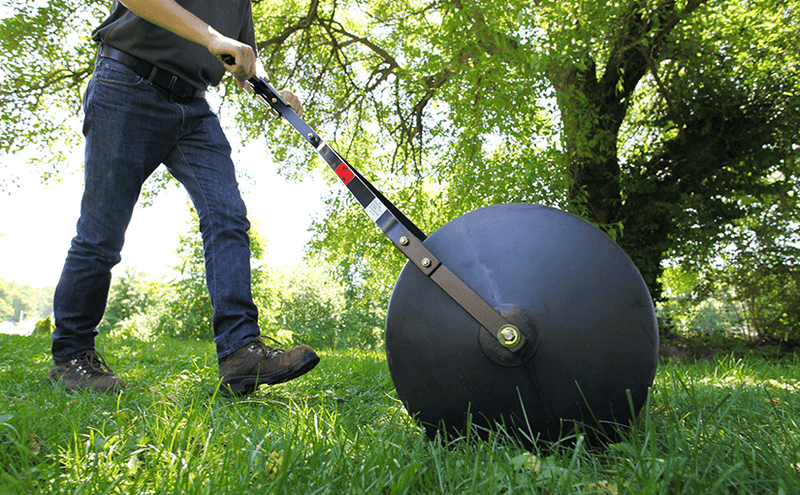
Is your lawn looking uneven or patchy? You might think fixing a large lawn patch is tough, but with the right steps, you can make it smooth and green again.
Imagine walking barefoot on a soft, even lawn that feels great under your feet. You’re closer to that than you think. In this guide, you’ll learn simple, effective ways to roll a large lawn patch so it blends perfectly with the rest of your yard.
Keep reading, and you’ll discover tips that save time and give your lawn a fresh, healthy look you’ll love.
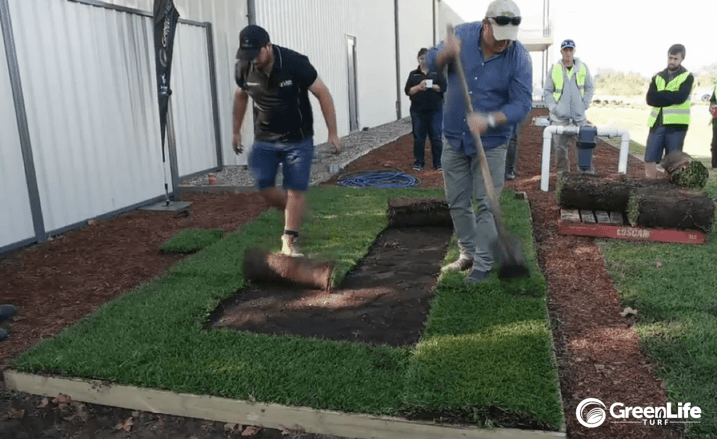
Credit: www.greenlifeturf.com.au
Preparing The Lawn Patch
Preparing a large lawn patch helps ensure healthy grass growth. Proper preparation creates a good base for rolling and planting.
This guide covers clearing debris and weeds, leveling the soil, and checking moisture and soil condition.
Clearing Debris And Weeds
Remove all debris like rocks, sticks, and leaves from the lawn patch. Clear out weeds completely to stop them from growing back.
Use a rake or hand tools to pull out weeds by the roots. This helps the new grass grow without competition.
- Pick up rocks and sticks
- Rake leaves and dead grass
- Pull out weeds with roots
- Dispose of removed debris properly
Leveling The Soil Surface
Level the soil to create an even surface for rolling the lawn patch. Uneven soil can cause water pooling and poor grass growth.
Use a garden rake or lawn roller to smooth the soil. Fill low spots with soil and break up clumps for a flat area.
- Fill holes with topsoil
- Break soil clumps
- Rake soil smooth
- Check for an even surface
Moisture Check And Soil Conditioning
Check soil moisture before rolling. The soil should be damp but not muddy to support grass roots.
Condition the soil if needed. Add compost or fertilizer to improve soil nutrients and structure.
- Test soil moisture with your hand
- Add water if soil is dry
- Mix in compost or fertilizer
- Let soil settle before rolling
Choosing The Right Roller
Rolling a large lawn patch helps flatten the soil and improve grass growth. Choosing the right roller makes the job easier and more effective.
There are different types of rollers. Size, weight, and power source affect how well the roller works on your lawn patch.
Types Of Lawn Rollers
Lawn rollers come in several types. The main types are water-filled, steel, and lawn rollers with spikes.
Water-filled rollers are light when empty and heavy when filled. Steel rollers are heavy and good for firm soil. Spiked rollers help improve soil aeration.
- Water-filled rollers: Adjustable weight, easy to move
- Steel rollers: Heavy, best for compacting
- Spiked rollers: Aerate soil while rolling
Size And Weight Considerations
Choose a roller size that matches your lawn patch area. Large rollers cover more ground faster. Small rollers work well for tight spaces.
The weight of the roller affects soil compaction. Too heavy rollers can harm grass roots. Too light rollers may not smooth the soil well.
- Large size for big patches
- Smaller size for narrow areas
- Medium weight for balanced compaction
- Adjustable weight rollers offer flexibility
Manual Vs. Powered Rollers
Manual rollers are pushed or pulled by hand. They are simple and cost less. Manual rollers suit small lawns and light jobs.
Powered rollers use engines or motors. They handle large areas quickly. Powered rollers reduce physical effort but cost more.
- Manual rollers: Low cost, good for small patches
- Powered rollers: Faster work, ideal for large lawns
- Powered rollers require fuel or electricity
Rolling Techniques
Rolling a large lawn patch helps press the soil and grass roots firmly. This process ensures better contact and faster growth. Proper rolling prevents air pockets and uneven surfaces.
Using the right techniques makes rolling effective and safe for your lawn. Each method depends on timing, pattern, and soil conditions.
Timing Your Rolling
Roll your lawn patch soon after laying new sod or seeding. The soil should be moist but not too wet. Avoid rolling on dry or very wet soil to prevent damage.
- Roll early in the day to avoid heat stress
- Wait for rain or water the area before rolling
- Do not roll if soil is muddy or waterlogged
- Stop rolling once the soil feels firm underfoot
Rolling Patterns For Even Coverage
Use a consistent pattern to cover the entire lawn patch evenly. This helps avoid missed spots or overly compacted areas. A simple back-and-forth pattern works well for most lawns.
| Pattern | Description | Benefit |
|---|---|---|
| Straight Lines | Roll in parallel lines across the lawn | Easy to follow and covers all areas |
| Cross Rolling | Roll again at 90 degrees to the first lines | Ensures even soil compaction |
| Spiral Pattern | Start in the center and roll outward in circles | Good for round or irregular patches |
Adjusting Pressure For Soil Type
Different soil types need different rolling pressure. Too much pressure can harm soft soil. Too little pressure may not firm the soil enough.
Use this guide to adjust your roller’s weight:
- Clay soil:Use lighter pressure to avoid compaction.
- Sandy soil:Apply medium pressure for good contact.
- Loamy soil:Use moderate pressure for best results.
Test your roller on a small spot first to check soil firmness.

Credit: growtrax.com
Post-rolling Care
After rolling a large lawn patch, proper care helps the grass recover and grow strong. Taking the right steps ensures your lawn stays healthy and green.
Focus on watering, fertilizing, and watching the lawn closely. These actions support new grass roots and keep the soil in good condition.
Watering Strategies
Water the lawn lightly but often to keep the soil moist. Avoid heavy watering that can wash away seeds or soil.
- Water early in the morning or late in the evening
- Keep the top 1 to 2 inches of soil moist
- Reduce watering gradually as grass grows stronger
- Use a gentle spray to avoid soil displacement
Fertilizing After Rolling
Fertilizing gives the lawn needed nutrients to grow well after rolling. Use a balanced fertilizer with nitrogen, phosphorus, and potassium.
| Fertilizer Type | Application Time | Benefits |
| Starter Fertilizer | Right after rolling | Boosts root growth |
| Slow-Release Fertilizer | 2-4 weeks later | Provides steady nutrients |
| Organic Fertilizer | Anytime during growing season | Improves soil health |
Monitoring For Lawn Health
Watch the lawn daily to catch problems early. Look for signs of stress or pests to keep the grass healthy.
- Check for dry or yellow patches
- Look for insect damage or fungus
- Remove weeds that compete with grass
- Adjust watering and fertilizing as needed
Common Mistakes To Avoid
Rolling a large lawn patch helps flatten the soil and improve seed contact. Doing it wrong can harm your lawn’s health and growth.
Avoid these common mistakes to keep your lawn strong and green.
Over-rolling Risks
Rolling too much can compact the soil too hard. This stops air, water, and nutrients from reaching grass roots.
Over-rolling can also damage young grass shoots and make the lawn look uneven.
- Soil becomes dense and hard
- Grass roots get less oxygen
- New grass may not grow well
- Lawn surface can get bumpy
Ignoring Soil Compaction
Not checking soil compaction before rolling is a big mistake. Soil that is too soft or already hard needs different care.
Rolling compacted soil more will make it worse. Soft soil may need watering before rolling.
- Test soil firmness first
- Roll only if soil is loose
- Water dry soil before rolling
- Avoid rolling wet or very hard soil
Rolling In Poor Weather Conditions
Rolling when the ground is too wet or too dry causes problems. Wet soil compacts too much, and dry soil can crack.
Choose a day with mild, dry weather for best results. This helps the soil settle evenly without damage.
- Avoid rolling after heavy rain
- Do not roll during drought
- Pick a calm, dry day
- Check weather forecast before rolling
Tools And Supplies Checklist
Rolling a large lawn patch requires the right tools and supplies. This checklist will help you prepare for the task.
Ensure you have everything ready before you start. This makes the process smoother and more efficient.
Essential Equipment
The right equipment is crucial for rolling a lawn. It ensures the job is done correctly and efficiently.
- Garden roller
- Water source
- Hose
- Shovel
- Rake
Safety Gear
Safety is important when working in the garden. Wearing proper gear can prevent accidents.
- Gloves
- Safety glasses
- Sturdy boots
- Protective clothing
Maintenance Tips
Keeping your equipment in good shape is important. It ensures a longer lifespan and better performance.
Regular checks and cleaning can make your tools last longer. Store them properly when not in use.
- Clean tools after use
- Check for wear and tear
- Store in a dry place
:max_bytes(150000):strip_icc()/GettyImages-2225616781-59590082e371452192f8b7ef95e0eb53.jpg)
Credit: www.thespruce.com
Frequently Asked Questions
How Do I Prepare A Large Lawn Patch For Rolling?
First, mow the grass to a uniform height. Remove debris and level uneven soil. Water the area lightly before rolling for best results.
What Type Of Roller Is Best For Large Lawn Patches?
A water-filled or drum roller works best. It provides even pressure to compact soil and grass without causing damage.
How Often Should I Roll A Large Lawn Patch?
Roll the lawn once after seeding or sodding. Avoid frequent rolling to prevent soil compaction and damage to grass roots.
Can Rolling Improve Lawn Health And Appearance?
Yes, rolling helps remove air pockets and smooths soil. This promotes better seed-to-soil contact and encourages even grass growth.
Conclusion
Rolling a large lawn patch helps create a smooth and even surface. It improves soil contact and supports healthy grass growth. Take your time and roll in different directions for best results. Water the area lightly after rolling to keep soil moist.
Regular care will help your lawn stay green and strong. Follow these simple steps for a lawn that looks neat and healthy. Your effort will show in a lush, beautiful yard. Keep practicing and enjoy the results.
