
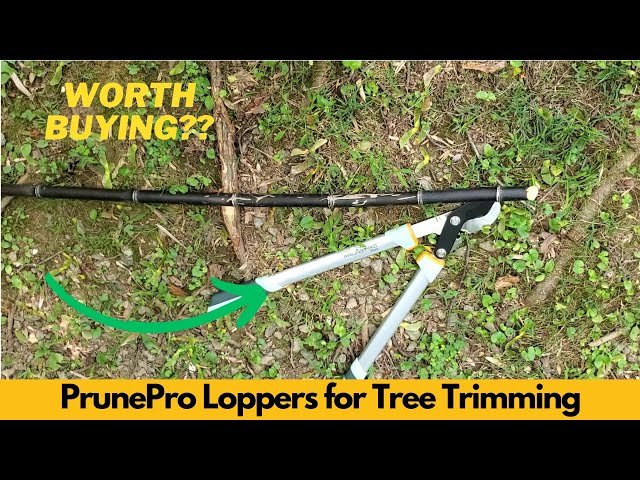
Are your small trees looking a bit wild or overgrown? Pruning them with loppers is one of the easiest and most effective ways to keep them healthy and beautiful.
But if you’re unsure where to start or worried about damaging your trees, you’re not alone. In this guide, you’ll discover simple, step-by-step tips to prune your small trees confidently and safely. By the time you finish reading, you’ll know exactly how to use loppers to shape your trees and encourage strong growth.
Ready to transform your garden? Let’s dive in.
Choosing The Right Loppers
Pruning small trees requires the right tools for clean cuts and healthy growth. Loppers are a great choice for branches that are too thick for hand pruners.
Selecting the right loppers helps you work safely and efficiently. Focus on the type, blade quality, and handle design.
Types Of Loppers
Loppers come in two main types: bypass and anvil. Bypass loppers have two blades that slide past each other, making clean cuts. Anvil loppers have one blade that presses against a flat surface, good for dry or dead wood.
- Bypass loppers: Best for live branches and precise cuts
- Anvil loppers: Better for cutting dead or hard branches
- Ratchet loppers: Help cut thick branches with less effort
Blade Material And Sharpness
| Blade Material | Pros | Cons |
| Carbon Steel | Sharp edges, holds edge longer | Can rust if not maintained |
| Stainless Steel | Resists rust, easy to clean | May dull faster than carbon steel |
| Alloy Steel | Strong and durable | Usually heavier |
Keep blades sharp for clean cuts. Dull blades can damage branches and make pruning harder.
Handle Length And Comfort
Handle length affects reach and leverage. Longer handles give more power but can be harder to control in tight spaces.
- Short handles: Good for close, precise cuts
- Long handles: Better for thicker branches and reach
- Look for cushioned grips to reduce hand fatigue
- Lightweight materials make pruning easier

Credit: www.yahoo.com
When To Prune Small Trees
Pruning small trees helps keep them healthy and growing well. Knowing the right time to prune is important for good results.
Pruning at the wrong time can harm the tree. It may slow growth or cause damage. Learn when to prune to help your tree thrive.
Seasonal Timing
The best time to prune small trees is during their dormant season. This is usually late winter or early spring before new leaves appear.
Pruning in the dormant season reduces stress on the tree. It also helps prevent disease and pest problems.
- Late winter to early spring is best for most trees
- Avoid pruning in late summer or fall to prevent new growth damage
- Some flowering trees need pruning after they bloom
Signs Your Tree Needs Pruning
Look for these signs to know when your tree needs pruning. Removing dead or crowded branches helps the tree stay strong.
Prune when branches rub together or cross. This prevents wounds and disease. Also, prune branches that grow inward or block light.
- Dead or broken branches
- Branches that cross or rub
- Dense areas blocking light
- Branches growing inward or downward
- Branches that affect tree shape
Preparing For Pruning
Pruning small trees with loppers helps keep them healthy and neat. Getting ready is key to doing the job safely and well.
Before you start, gather your tools and prepare your safety gear. Clean and sharp loppers work best for smooth cuts.
Safety Gear Essentials
Wear safety gear to protect yourself during pruning. Branches can snap back and tools may slip.
Use gloves, eye protection, and sturdy shoes. Long sleeves and pants help protect your skin.
- Thick gloves to protect your hands
- Safety glasses to shield your eyes
- Closed-toe shoes for foot safety
- Long sleeves and pants for skin protection
Cleaning And Sharpening Tools
Clean loppers before use to remove dirt and sap. Dirty blades can spread disease between plants.
Sharpen blades to cut branches cleanly. Dull blades crush wood and harm the tree.
- Wipe blades with a damp cloth
- Use rubbing alcohol to disinfect
- Sharpen blades with a file or sharpening stone
- Oil moving parts for smooth cutting

Credit: www.yahoo.com
Pruning Techniques With Loppers
Pruning small trees helps keep them healthy and attractive. Loppers are a useful tool for cutting thicker branches.
Using the right pruning techniques with loppers makes the job easier. It also helps the tree heal faster.
Making Clean Cuts
Make sure your loppers have sharp blades. Clean cuts help the tree heal without damage.
Cut branches in one smooth motion. Avoid crushing or tearing the bark.
- Use sharp loppers to avoid ragged edges
- Cut branches close to the trunk or main branch
- Remove small branches before larger ones
Cutting Angles And Positions
Cut branches at a slight angle. This angle helps water run off the cut surface.
Position your loppers so you cut just outside the branch collar. This area helps the tree heal faster.
- Angle cuts about 45 degrees away from the bud
- Do not cut flush with the trunk to avoid damage
- Stand in a comfortable position for better control
Avoiding Common Mistakes
Do not use dull loppers. This can crush branches and harm the tree.
Avoid cutting large branches that are too thick for your loppers. Use a saw instead.
- Do not leave stubs; cut close to the branch collar
- Do not remove too many branches at once
- Clean loppers after use to prevent disease spread
Target Areas For Pruning
Pruning small trees with loppers helps keep them healthy and growing well. It is important to focus on key parts of the tree to prune.
Targeting the right branches makes pruning safer and more effective. This guide covers main areas to prune on small trees.
Removing Dead Or Diseased Branches
Cutting dead or diseased branches stops problems from spreading. These branches often look dry, cracked, or have no leaves.
Remove them by cutting close to the trunk or healthy branch. This helps the tree stay strong and healthy.
- Look for branches with discoloration or no growth
- Cut branches showing signs of rot or fungus
- Remove broken or cracked branches
Thinning Dense Growth
Thinning means cutting some branches in crowded areas. This lets light and air reach inside the tree.
Good air flow prevents disease and helps the tree grow better. Cut smaller branches that cross or crowd others.
- Find areas with many thin branches close together
- Cut weaker or inward-growing branches
- Keep the strongest branches spaced out
Shaping Young Trees
Shaping young trees guides them to grow strong and balanced. Focus on main branches and remove unwanted shoots.
Cut branches that grow too low or cross others. Keep the top open to help the tree form a good shape.
- Choose a strong central leader branch
- Remove branches growing downward or inward
- Cut weak or crowded branches early
Aftercare For Pruned Trees
Pruning small trees is an essential task to maintain their health and shape. After pruning, it is crucial to care for the trees properly. This ensures they recover well and continue to grow healthily.
Effective aftercare involves disposing of cuttings, monitoring tree health, and providing the right amount of water and nutrients.
Disposing Of Cuttings
Proper disposal of tree cuttings is important to prevent disease spread and keep your garden tidy. Never leave cuttings on the ground for extended periods.
- Collect all cuttings immediately after pruning.
- Compost healthy branches and leaves.
- Dispose of diseased parts in sealed bags.
- Use a chipper to create mulch, if possible.
Monitoring Tree Health
After pruning, closely watch your tree for any signs of stress or disease. Early detection helps in taking prompt action.
| Symptom | Possible Cause |
| Yellowing leaves | Overwatering or nutrient deficiency |
| Wilting branches | Lack of water or root damage |
| Spots on leaves | Fungal infection |
Watering And Fertilizing Tips
Proper watering and fertilizing play a vital role in the recovery of pruned trees. They help in replenishing lost nutrients and maintaining moisture levels.
Water the tree deeply once a week. Adjust according to rainfall.
Apply a balanced fertilizer in early spring and late summer. Follow package instructions for the best results.

Credit: www.wired.com
Frequently Asked Questions
What Are Loppers Used For In Tree Pruning?
Loppers are used to cut small to medium branches. They provide leverage for clean, precise cuts. This helps maintain tree health and shape without damaging the trunk.
When Is The Best Time To Prune Small Trees?
The best time is late winter or early spring. This timing avoids sap loss and reduces pest risk. It also encourages healthy new growth in the growing season.
How Do I Safely Use Loppers On Small Trees?
Wear gloves and eye protection for safety. Use both hands on the loppers for control. Cut branches at a 45-degree angle, just above a bud or branch junction.
Can Loppers Damage Small Trees If Used Incorrectly?
Yes, improper cuts can harm trees. Cutting too close to the trunk or leaving stubs can cause decay. Always make clean cuts at proper angles to prevent damage.
Conclusion
Pruning small trees with loppers keeps them healthy and strong. Use sharp tools and cut branches cleanly. Focus on removing dead or crowded limbs first. Always cut at the right angle to help healing. Regular pruning also helps your tree grow better.
Take your time and work safely each step. With practice, pruning becomes easier and more effective. Your small trees will look neat and thrive well. Keep these simple tips in mind for best results.
