
Pruning grapevines with shears might sound simple, but doing it right can make all the difference in your harvest. If you want healthier vines and bigger, sweeter grapes, learning the correct pruning techniques is a must.
In this guide, you’ll discover easy steps that anyone can follow, even if you’ve never pruned before. By the time you finish reading, you’ll have the confidence to trim your grapevines like a pro and enjoy a fruitful season ahead.
Ready to boost your vineyard’s success? Let’s get started!

Credit: www.youtube.com
Tools For Pruning
Pruning grapevines needs the right tools to work well. Good tools help cut cleanly and keep the vine healthy.
Using proper tools makes pruning easier and safer. You will get better results with sharp and strong shears.
Choosing The Right Shears
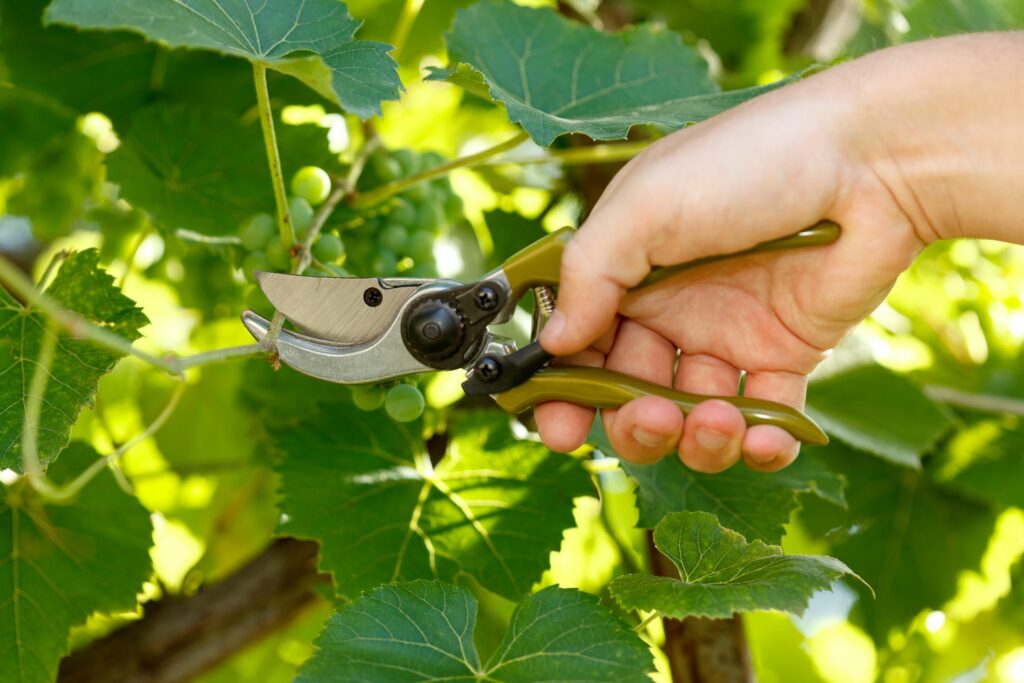
Select shears that fit your hand and feel comfortable. Sharp blades give clean cuts without crushing the vine.
Look for shears made of strong steel. They last longer and stay sharp after many uses.
- Bypass shears cut like scissors for clean cuts
- Anvil shears have one blade pressing on a flat surface
- Bypass shears are best for live grapevine wood
- Choose shears with a locking mechanism for safety
- Comfortable handles reduce hand fatigue
Additional Equipment Needed
Besides shears, you need other tools to prune grapevines well. These help with tough cuts and cleaning.
Having the right equipment makes pruning faster and protects your plants and yourself.
- Gloves protect your hands from cuts and thorns
- Pruning saws cut thick branches that shears cannot
- Disinfectant cleans blades to stop disease spread
- Sharpener keeps shears blades in good condition
- Protective eyewear shields eyes from debris
Credit: practicalselfreliance.com
When To Prune Grapevines
Pruning grapevines at the right time helps keep the plants healthy. It also improves fruit production and quality.
Knowing when to prune depends on the season and signs from the grapevine itself. This guide covers both important points.
Seasonal Timing
The best time to prune grapevines is during dormancy. This is usually in late winter or early spring before new growth starts.
- Late winter: vines are fully dormant and easier to prune
- Early spring: before buds swell and new shoots appear
- Avoid pruning in fall to prevent disease and stress
- Summer pruning can be done to control growth but not for shaping
Signs Grapevines Need Pruning
Look for these signs to know when your grapevines need pruning. Pruning at the right time keeps the vine strong and productive.
| Sign | What It Means | Action Needed |
| Overgrown Canes | Too many old shoots crowd the vine | Remove excess canes to allow light and air |
| Dead or Damaged Wood | Wood is dry, cracked, or broken | Cut out dead parts to prevent disease |
| Few or No New Shoots | Vine is not growing well | Prune to encourage new growth |
| Fruiting Canes are Too Long | Canes grow too long and weak | Trim to the right length for fruiting |
Preparing The Grapevines
Before pruning grapevines, prepare them carefully. This helps keep the plants healthy and strong. You should clean and inspect the vines first.
Next, remove any dead or damaged wood. This keeps the vine ready for good growth and fruit production.
Cleaning And Inspecting
Start by clearing away leaves and debris around the grapevine base. This lets you see the trunk and branches clearly. Check the vine for pests or disease signs. Look for cracks, mold, or unusual spots on the bark.
- Remove fallen leaves and weeds near the vine.
- Look for insect holes or webs on the branches.
- Check the bark for cracks or soft spots.
- Note any areas with mold or unusual color.
Removing Dead Or Damaged Wood
Cut away any dead or broken branches. These parts do not help the vine and can cause disease. Use sharp shears for clean cuts. Cut back to healthy wood or the main trunk.
| Type of Wood | How to Identify | Action |
| Dead Wood | Dry, brittle, no green inside | Remove completely |
| Damaged Wood | Cracked, broken, or diseased areas | Cut back to healthy part |
| Healthy Wood | Firm, green inside, no damage | Keep for growth |
Pruning Techniques
Pruning grapevines with shears helps keep plants healthy and productive. Proper pruning improves air flow and sunlight exposure.
Good pruning also shapes the vine and controls growth. This guide explains basic cutting, shaping, and growth management.
Basic Cutting Methods
Use sharp shears to make clean cuts. Cut at a 45-degree angle to help water run off.
Remove dead or damaged wood first. Then cut back old wood to encourage new growth.
- Cut just above a bud facing outward
- Remove crossing branches to prevent crowding
- Thin out weak shoots to strengthen the vine
Shaping The Vine
Shape grapevines to support good fruit production. Train main branches along a trellis or wire.
Keep the vine balanced by pruning evenly on all sides. This helps sunlight reach all parts of the plant.
- Choose 2-4 strong shoots as main arms
- Remove shoots that grow inward or downward
- Maintain an open center to improve airflow
Managing Growth For Better Yield
Control vine growth to increase grape size and quality. Prune to limit excess leaves that shade fruit.
Cut back long shoots to focus energy on fruit development. Remove weak or crowded growth to improve health.
- Cut back shoots to 6-8 buds for good fruit
- Remove suckers from the vine base
- Thin fruit clusters if too many appear
Common Mistakes To Avoid
Pruning grapevines is important for healthy growth. Many make mistakes that harm the vines.
Here are common pruning errors and how to avoid them.
Overpruning
Overpruning can weaken grapevines. It reduces fruit production and stresses the plant.
- Prune only one-third of the vine each year.
- Leave enough buds for next season’s growth.
- Remove dead or diseased wood.
Cutting At Wrong Angles
Cutting at wrong angles can harm the vine. It may lead to poor healing.
Ensure cuts are clean and angled at 45 degrees. This helps water drain and prevents rot.
Ignoring Vine Health
Ignoring vine health can cause long-term damage. Healthy vines produce more fruit.
| Sign of Health | Action Needed |
| Green, flexible canes | Prune lightly |
| Brown, brittle canes | Remove completely |
| Healthy leaves | Maintain regular care |
Aftercare For Pruned Vines
Pruning grapevines is only the first step in keeping your plants healthy. Proper aftercare helps the vines recover and grow strong.
Following good aftercare practices ensures your grapevines produce better fruit in the next season.
Cleaning Tools
Clean shears prevent disease from spreading between vines. Use disinfectant after each cut or between plants.
- Wipe blades with rubbing alcohol or bleach solution
- Remove sap and debris from the blades
- Sharpen tools regularly to make clean cuts
- Store tools in a dry place to avoid rust
Monitoring Vine Recovery
Watch your grapevines closely after pruning. Check for new growth and signs of stress or disease.
| What to Monitor | Signs of Healthy Recovery |
| New shoots | Green, firm, and growing steadily |
| Leaves | Bright green, no spots or wilting |
| Stem cuts | Dry and sealed, no oozing |
| General vine health | No pest damage or mold |
Fertilizing And Watering Tips
After pruning, grapevines need proper nutrients and water to grow well. Use a balanced fertilizer and keep soil moist.
- Apply fertilizer with nitrogen, phosphorus, and potassium
- Water deeply once or twice a week, depending on weather
- Avoid overwatering to prevent root rot
- Mulch around the base to keep soil moist and cool

Credit: www.youtube.com
Frequently Asked Questions
How Often Should I Prune Grapevines With Shears?
Prune grapevines annually during late winter or early spring. Regular pruning promotes healthy growth and improves fruit production. Using shears helps make clean cuts, reducing plant stress. Avoid pruning during active growth to prevent damage and disease.
What Are The Best Shears For Pruning Grapevines?
Choose sharp, bypass pruning shears for clean cuts on grapevines. Bypass shears reduce crushing damage to stems. Ensure the shears are comfortable and ergonomic to reduce hand fatigue. Keep blades clean and sharp for precise pruning.
Why Is Pruning Grapevines Important For Fruit Quality?
Pruning grapevines controls vine shape and sunlight exposure. It encourages better air circulation, reducing disease risks. Proper pruning increases fruit size and sweetness. Removing old wood directs energy to new growth, enhancing grape quality.
Can I Prune Grapevines Anytime During The Year?
Avoid pruning grapevines during summer or fall. The best time is late winter or early spring before buds swell. Pruning at the right time prevents sap loss and stress. Late pruning can reduce yield and vine health.
Conclusion
Pruning grapevines with shears helps keep plants healthy and productive. Cut old or weak branches to let new growth shine. Use sharp tools to make clean cuts and avoid damage. Regular pruning improves air flow and sunlight for grapes. Watch your vines grow strong with simple care steps.
Enjoy better harvests by pruning each season. Keep your vineyard neat and thriving with easy pruning. Small efforts lead to big rewards in grape growing.
