
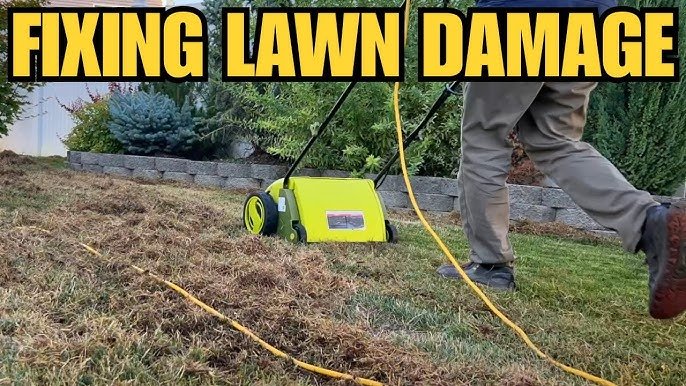
Is your lawn looking patchy, thin, or unhealthy? The problem might be thatch—a thick layer of dead grass and roots that blocks water and nutrients from reaching your soil.
If you want a greener, thicker lawn, you need to get rid of thatch. But how exactly do you dethatch a lawn without causing damage? In this guide, you’ll discover simple, effective steps to remove thatch and breathe new life into your grass.
Keep reading, and you’ll learn how to transform your lawn into the lush, healthy yard you’ve always wanted.
Signs Your Lawn Needs Dethatching
Dethatching keeps your lawn healthy by removing dead grass layers. Too much thatch blocks water and nutrients from reaching the soil.
Knowing when to dethatch helps your grass grow strong. Look for these signs to decide if your lawn needs dethatching.
Identifying Excess Thatch
Thatch is a layer of dead grass and roots between soil and green grass. A thin layer is normal, but thick thatch causes problems.
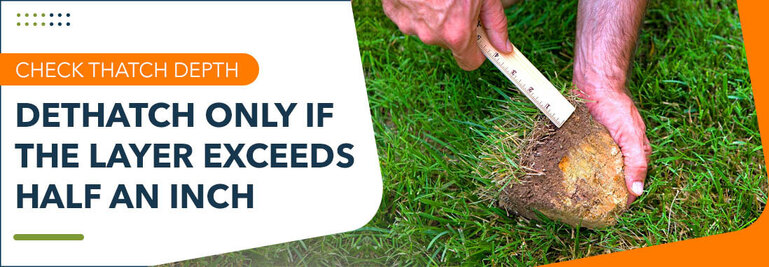
Check your lawn by pulling up a small patch of grass. If the thatch layer is more than half an inch thick, it is too thick.
- Grass feels spongy when you walk on it
- Water pools on the surface after rain
- Grass roots look shallow and weak
- Brown patches appear even with watering
Effects On Lawn Health
Thick thatch stops water, air, and nutrients from reaching the roots. This weakens the grass and slows growth.
Excess thatch also creates a perfect home for pests and diseases. These can damage your lawn further.
- Grass turns yellow or brown
- Soil stays dry even after watering
- Weeds grow easily in weak grass
- Insects and fungi spread quickly
Credit: www.lawnstarter.com
Tools For Dethatching
Dethatching removes dead grass and debris from your lawn. Using the right tools makes this job easier.
There are several tools you can use. Each tool fits different lawn sizes and needs.
Manual Rakes
Manual rakes are simple tools with sharp blades. They pull out thatch by hand.
These rakes are best for small lawns or light thatch layers. They give you good control but take more effort.
- Affordable and easy to find
- No power needed, so safe and quiet
- Works well on tight spots
- Requires physical effort
Power Dethatchers
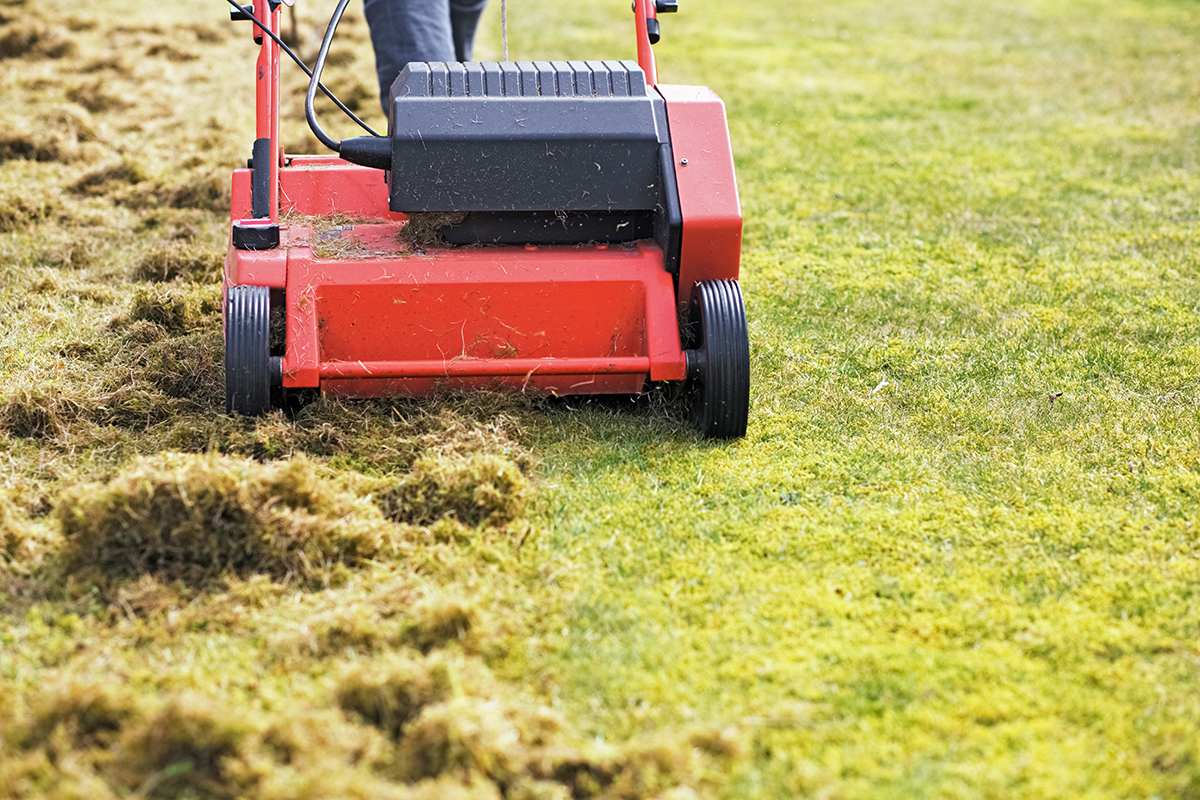
Power dethatchers use gas or electricity to remove thatch. They have rotating blades or tines.
These tools work faster and cover large areas well. They need less physical work than manual rakes.
- Good for medium to large lawns
- Adjustable depth settings
- May be noisy and require safety gear
- Needs fuel or electricity
Lawn Scarifiers
Lawn scarifiers cut deep into the soil. They remove thick thatch and moss effectively.
Scarifiers often have sharp blades and strong motors. They prepare the soil for new grass growth.
- Best for heavy thatch and moss problems
- Can improve lawn health over time
- More expensive and powerful
- Needs skill to avoid damage
Preparing Your Lawn
Preparing your lawn well makes dethatching easier and more effective. It helps your grass recover faster after dethatching.
Good preparation includes mowing and watering your lawn properly before you start dethatching.
Mowing Tips
Mow your lawn a few days before dethatching. Keep the grass height medium, around 2 to 3 inches.
Do not cut the grass too short. Short grass may get damaged easily during dethatching.
- Use a sharp mower blade for clean cuts
- Remove clippings after mowing
- Avoid mowing on wet grass
Watering Before Dethatching
Water your lawn one or two days before dethatching. This softens the soil and thatch layer.
Do not overwater. The ground should be moist but not muddy to allow easy dethatching.
- Check soil moisture by pressing your finger into the ground
- If soil feels dry, water lightly
- Avoid watering on the day of dethatching
Step-by-step Dethatching Process
Dethatching helps your lawn stay healthy by removing dead grass and roots. This process lets air, water, and nutrients reach the soil better.
Follow these steps to dethatch your lawn properly and improve its growth.
Choosing The Right Time
The best time to dethatch your lawn depends on the grass type. Warm-season grasses do well in late spring or early summer. Cool-season grasses are best dethatched in early fall.
- Check your grass type and its growing season.
- Pick a dry day to avoid soil compaction.
- Make sure your lawn is actively growing for quick recovery.
Dethatching Techniques
You can use different tools to dethatch your lawn. Rakes work well for small areas. For larger lawns, use a dethatching machine or power rake.
| Tool | Description | Best For |
| Hand Rake | Manual tool with sharp blades | Small lawns and spot dethatching |
| Power Rake | Gas or electric machine that pulls up thatch | Medium to large lawns |
| Dethatching Machine | Specialized equipment for heavy thatch | Very thick thatch layers |
Collecting Debris
After dethatching, remove the dead grass and debris to keep the lawn clean. This helps the grass grow better without blockages.
- Use a lawn mower with a bag to collect debris.
- Rake the lawn thoroughly to gather loose thatch.
- Compost or dispose of the debris away from your lawn.
Post-dethatching Lawn Care
After dethatching your lawn, proper care helps it recover quickly. Your grass needs support to grow strong and healthy.
This guide covers key steps: aeration, overseeding, fertilizing, and watering. Follow these tips for best results.
Aeration And Overseeding
Aerate your lawn to reduce soil compaction. This allows roots to get oxygen and nutrients easier. After aeration, spread grass seed to fill bare spots.
- Use a lawn aerator to create small holes in the soil.
- Choose grass seed that matches your existing lawn type.
- Spread seed evenly over the aerated soil.
- Lightly rake the seed into the soil for good contact.
- Keep the soil moist to help seed germinate.
Fertilizing Tips
Fertilizer gives your lawn the nutrients it needs to grow lush and green. Use a balanced fertilizer with nitrogen, phosphorus, and potassium.
| Fertilizer Type | Best Use | Application Time |
| Slow-release nitrogen | Steady growth | After dethatching |
| Starter fertilizer | New seed | During overseeding |
| Phosphorus-rich | Root development | Early spring or fall |
Watering Schedule
Keep your lawn moist but not soggy after dethatching. Watering helps new grass seed grow and reduces stress on grass.
- Water lightly every day for the first two weeks.
- Gradually reduce frequency but increase depth of watering.
- Water early in the morning to reduce evaporation.
- Avoid watering late in the evening to prevent disease.
- Adjust watering based on weather and soil moisture.

Credit: www.familyhandyman.com
Preventing Thatch Buildup
Thatch buildup can harm your lawn. It blocks water and nutrients. Preventing it helps grass stay healthy.
Simple habits like regular maintenance and proper mowing keep thatch away. Let’s explore these practices.
Regular Maintenance
Regular lawn care reduces thatch. It promotes healthy grass growth. Consistency is key.
- Water your lawn deeply once a week.
- Aerate the lawn in spring and fall.
- Remove grass clippings after mowing.
Proper Mowing Practices
Mowing affects thatch levels. Proper mowing promotes healthy grass. Follow these tips for best results.
Set mower blades to the right height. Too short can damage grass.
Sharpen blades for a clean cut.
| Mowing Practice | Benefit |
| Correct Blade Height | Prevents stress |
| Sharp Blades | Clean cuts |
| Regular Mowing | Even growth |
Credit: www.yourgreenpal.com
Frequently Asked Questions
What Is Lawn Dethatching And Why Is It Important?
Lawn dethatching removes thick layers of dead grass and roots. It improves air, water, and nutrient flow. This promotes healthier grass growth and prevents lawn diseases. Regular dethatching keeps your lawn lush and green.
When Is The Best Time To Dethatch A Lawn?
The ideal time to dethatch is during your grass’s active growing season. For cool-season grasses, early spring or early fall works best. For warm-season grasses, late spring through early summer is ideal. This timing helps the lawn recover quickly.
How Often Should I Dethatch My Lawn?
Most lawns benefit from dethatching every 1 to 3 years. Over-dethatching can damage grass roots and stress the lawn. Assess your lawn yearly and dethatch only if the thatch layer exceeds half an inch.
What Tools Are Used For Lawn Dethatching?
Common tools include a dethatching rake, power rake, or vertical mower. Manual rakes work for small lawns. Larger lawns require power rakes or vertical mowers for efficiency. Choose tools based on lawn size and thatch thickness.
Conclusion
Dethatching your lawn helps grass grow strong and healthy. Removing dead grass and debris lets water and air reach the roots. Use the right tools and work carefully to avoid damage. Regular dethatching keeps your lawn green and thick. Keep an eye on your lawn’s needs each season.
A little effort goes a long way for a beautiful yard. Enjoy the fresh, healthy look of your lawn after dethatching. Simple steps bring great results.
