
Is your lawn looking tired, patchy, or just not as green as you want it to be? The secret to a healthy, vibrant lawn might be simpler than you think.
Aerating your lawn is one of the best ways to bring life back to your grass. By improving airflow, water absorption, and nutrient delivery, aeration helps your lawn grow stronger and thicker. If you want to know exactly how to aerate a lawn and transform your outdoor space, keep reading.
This guide will walk you through every step, making it easy for you to get amazing results.
Why Aerate Your Lawn
Aerating your lawn means making small holes in the soil. This helps air, water, and nutrients reach the grass roots.
Many lawns get compacted from foot traffic and heavy rain. Aeration helps fix this problem and keeps your lawn healthy.
Benefits For Soil Health
Aeration breaks up compacted soil. This allows air to enter the soil easily.
Good soil health helps grass roots grow strong. It also improves water drainage and nutrient absorption.
- Prevents soil from becoming too hard
- Increases oxygen flow to roots
- Improves water absorption in soil
- Helps nutrients reach grass roots
Improving Grass Growth
Aeration helps grass grow thicker and greener. The roots get more air and nutrients to stay healthy.
When soil is loose, grass roots can spread better. This creates a strong lawn that can resist stress.
- Encourages deeper root growth
- Supports healthy and green grass
- Helps grass recover from wear and tear
Preventing Lawn Problems
Aeration reduces problems like water pooling and dead spots. It prevents soil from being too dense for roots.
This process also lowers thatch build-up. Thatch is a layer of dead grass that blocks water and nutrients.
- Stops soil compaction and water pooling
- Reduces thatch accumulation
- Helps prevent weeds and pests
- Improves lawn resistance to drought

Credit: landzie.com
Best Time To Aerate
Aerating your lawn helps grass grow strong and healthy. Knowing the best time to aerate is key for good results.
The best time depends on your lawn’s condition, soil, and grass type. Let’s look at some important factors.
Seasonal Considerations
Aerate your lawn during its growing season. This lets grass recover quickly after aeration.
For cool-season grasses, aerate in early spring or fall. These seasons have mild weather and good moisture.
Warm-season grasses do best with aeration in late spring or early summer. This is when they grow fast.
Soil Moisture Levels
Aerate when the soil is moist but not soggy. Moist soil is easier to penetrate with aeration tools.
Dry soil is hard and can damage aeration equipment. Wet soil can cause compaction instead of fixing it.
- Check soil moisture a day before aerating
- Water the lawn lightly if soil feels dry
- Avoid aerating right after heavy rain
Grass Type Factors
Different grass types have different growth cycles. Choose aeration time based on your grass type.
Cool-season grasses like fescue and bluegrass grow best in cooler months. Aerate during their peak growing times.
Warm-season grasses like Bermuda and zoysia grow in hot months. Aerate when they are actively growing.
| Grass Type | Best Aeration Time |
|---|---|
| Cool-season grasses | Early spring or fall |
| Warm-season grasses | Late spring to early summer |
Types Of Lawn Aerators
Lawn aeration helps soil breathe and grow healthy grass. There are different tools to aerate your lawn.
Choosing the right type depends on your lawn size and soil condition.
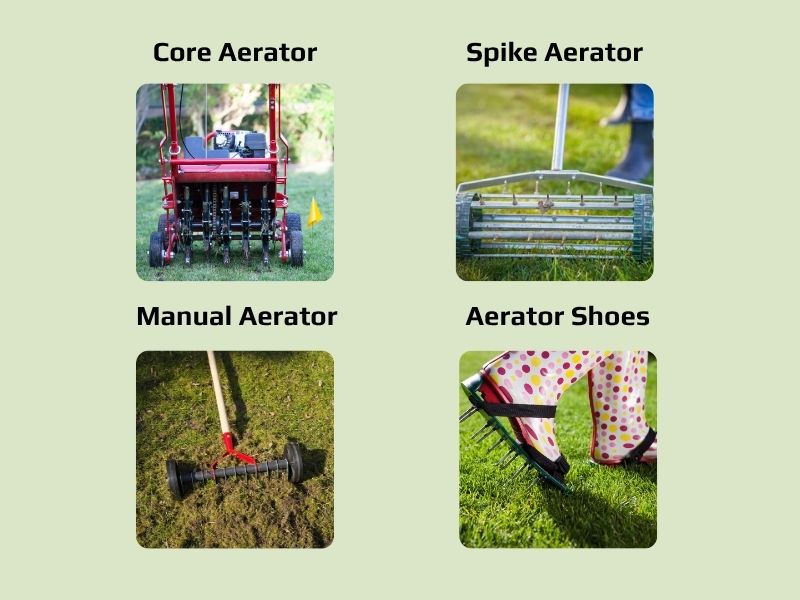
Spike Aerators
Spike aerators use solid spikes to poke holes in the soil. They push the soil aside without removing it.
They are good for lawns with compacted soil but less effective for heavy clay.
Core Aerators
Core aerators pull out small plugs of soil. This lets air, water, and nutrients reach the roots better.
- Remove plugs that break up compacted soil
- Help reduce thatch buildup
- Work well on thick or heavy soils
- Require lawn cleanup after use
Manual Vs. Powered Options
| Type | Best For | Effort Needed |
| Manual Spike Aerator | Small lawns | High |
| Manual Core Aerator | Small to medium lawns | High |
| Powered Spike Aerator | Medium to large lawns | Low |
| Powered Core Aerator | Large lawns and heavy soil | Low |
Step-by-step Aeration Process
Aerating your lawn helps grass grow stronger and healthier. It lets air, water, and nutrients reach the roots. Follow these steps to aerate your lawn properly.
This guide covers preparing the lawn, using the aerator, and caring for your lawn after aeration.
Preparing The Lawn
Start by mowing your lawn to a low height. This makes it easier for the aerator to penetrate the soil. Remove any debris like sticks or stones.
- Water your lawn a day before aeration to soften the soil.
- Mark any sprinkler heads or shallow underground cables.
- Clear pets and children from the area during aeration.
Using The Aerator
Choose the right aerator for your lawn size. Manual aerators are best for small lawns. Gas or electric aerators work well for larger areas.
- Start at one corner of your lawn.
- Push or drive the aerator over the soil in straight lines.
- Overlap slightly on each pass to cover the entire area.
- Make additional passes if your soil is very compacted.
Post-aeration Care
After aerating, leave the soil plugs on the lawn. They break down and add nutrients back to the soil.
| Task | When to Do It | Why |
| Water the lawn | Right after aeration | Helps soil settle and roots absorb moisture |
| Apply fertilizer | Within a few days | Feeds grass through the open soil |
| Keep foot traffic low | For a week | Prevents soil compaction and damage |
Common Mistakes To Avoid
Aerating your lawn helps grass grow strong and healthy. But some mistakes can harm your lawn instead.
Knowing what not to do will save you time and effort. Avoid these common errors when aerating your lawn.
Aerating Dry Soil
Aerating dry soil can damage your lawn. The soil becomes hard and breaks unevenly. This hurts grass roots instead of helping.
It is best to water your lawn a day before aerating. Moist soil is softer and easier to aerate. This allows better air and water flow.
Over-aerating
Aerating too often can stress your lawn. It breaks up soil too much and disturbs grass roots. Your grass may grow weak or thin.
Most lawns need aeration only once or twice a year. Check your soil before aerating again. Avoid doing it too soon or too often.
Ignoring Lawn Conditions
Every lawn is different. Ignoring your lawn’s specific needs can cause poor results. Soil type, grass kind, and weather matter a lot.
Test your soil and check your grass type before aerating. Choose the right tool and timing. This helps your lawn get the most benefit.
Credit: www.lawnstarter.com
Enhancing Results After Aeration
Aerating your lawn is crucial for healthy grass growth. After aeration, there are key steps to maximize results.
Let’s explore fertilizing, seeding, and watering practices to enhance your lawn’s health.
Fertilizing Tips
Fertilizing helps provide essential nutrients to your lawn. This supports strong root development and vibrant growth.
- Use a nitrogen-rich fertilizer for best results.
- Apply fertilizer right after aeration for maximum absorption.
- Follow the recommended application rates on the package.
Seeding Techniques
Seeding is important for filling in bare spots and improving lawn density. Choose the right seed for your climate.
| Seed Type | Best for Climate |
| Fescue | Cool |
| Bermudagrass | Warm |
| Perennial Ryegrass | Cool |
Watering Practices
Proper watering ensures seeds germinate and grass thrives. Consistent moisture is key to healthy lawns.
- Water early in the morning to prevent evaporation.
- Aim for about 1 inch of water per week, including rainfall.
- Use a sprinkler for even distribution across the lawn.
Maintaining A Healthy Lawn Year-round
A beautiful lawn needs regular care. Aeration helps your lawn breathe. It improves grass health and growth.
Learn how to aerate your lawn. Keep it healthy all year long with the right steps.
Regular Lawn Care Routine
Regular care keeps your lawn looking great. Mow the grass at the right height. Water it deeply but not too often.
- Mow once a week
- Water early in the morning
- Fertilize during growing seasons
Soil Testing And Amendments
Test your soil to know its health. Soil tests tell you what nutrients are needed. Amend the soil for better growth.
| Nutrient | Need |
| Nitrogen | Boosts growth |
| Phosphorus | Strengthens roots |
| Potassium | Enhances disease resistance |
Dealing With Compaction Recurrence
Compaction makes it hard for grass to grow. Aerate the lawn to fix it. Use a spike or plug aerator for best results.
Check for compacted areas regularly. Aerate them every year to keep your lawn healthy.

Credit: www.greenthumb.co.uk
Frequently Asked Questions
What Is The Best Time To Aerate A Lawn?
The best time to aerate is during the growing season. For cool-season grasses, aerate in early spring or fall. For warm-season grasses, aerate in late spring or early summer. This timing helps the grass recover quickly and thrive.
How Often Should I Aerate My Lawn?
Most lawns benefit from aeration once a year. Lawns with heavy foot traffic or clay soil may need aeration twice yearly. Regular aeration improves soil health and promotes stronger grass roots.
Can I Aerate My Lawn Myself?
Yes, you can aerate your lawn yourself. Manual or mechanical aerators are available for home use. Proper technique ensures good soil penetration and better results. DIY aeration saves cost and enhances lawn care knowledge.
What Tools Do I Need To Aerate A Lawn?
You need a core aerator, spike aerator, or manual aerator. Core aerators remove soil plugs, improving oxygen flow. Spike aerators poke holes but may compact soil if used improperly. Choose the tool based on your lawn’s condition.
Conclusion
Aerating your lawn helps grass grow strong and healthy. It lets air, water, and nutrients reach the roots better. Regular aeration reduces soil compaction and improves drainage. Use the right tools and follow simple steps for best results. Keep your lawn watered and cared for after aerating.
Healthy soil means a green, thick lawn all season. Try aerating this season to see the difference yourself. Your lawn will thank you with lush, vibrant growth. Easy to do. Worth the effort.
