
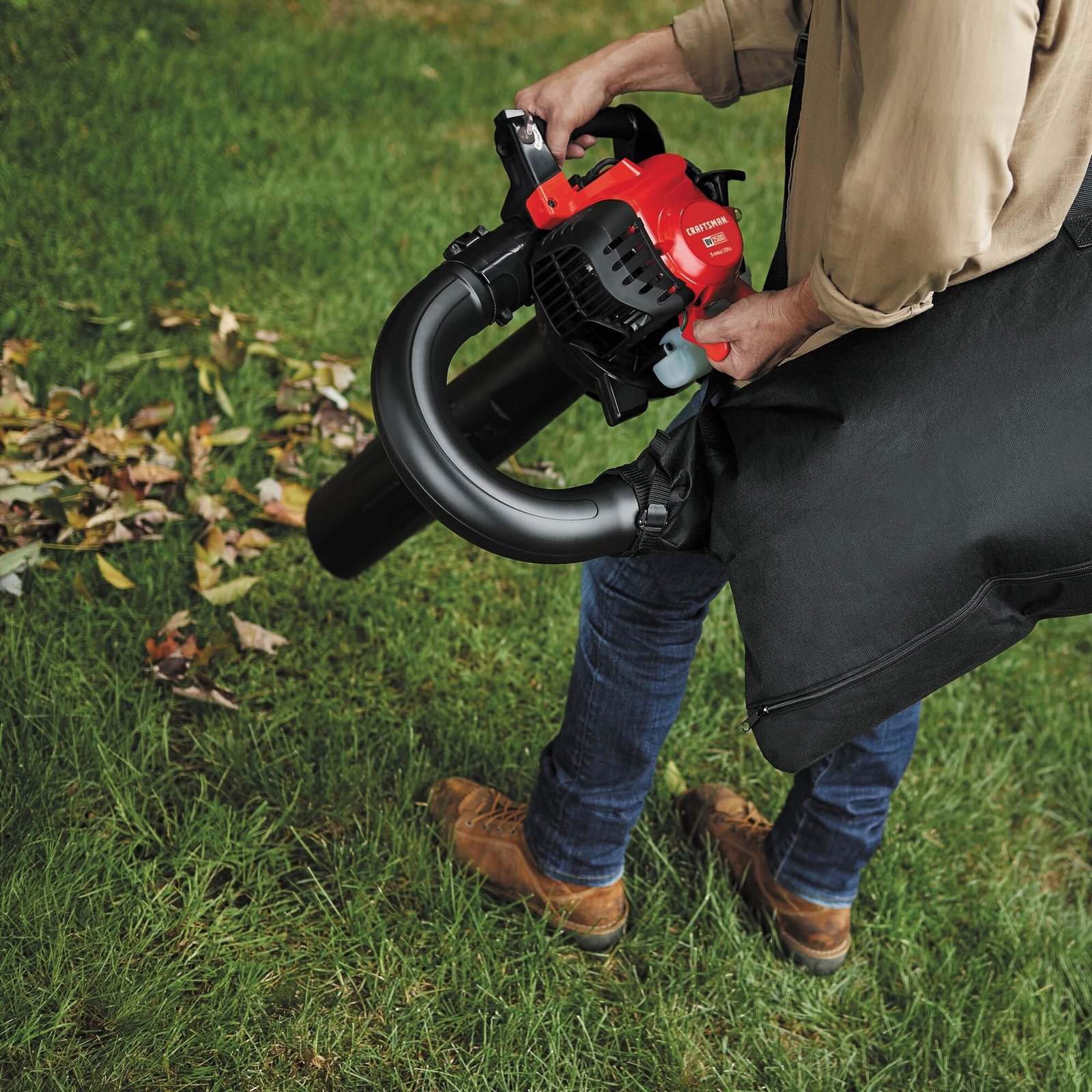
Are you frustrated because your leaf vacuum isn’t working like it should? You rely on it to keep your yard clean, but when it jams or won’t start, it feels like a big hassle.
Don’t worry—this guide will help you quickly find and fix common leaf vacuum problems. By understanding simple troubleshooting steps, you can save time, avoid costly repairs, and get back to enjoying your outdoor space. Keep reading to learn how to get your leaf vacuum running smoothly again!

Credit: www.bisongenerator.com
Common Leaf Vacuum Issues
Leaf vacuums help keep yards clean by sucking up leaves and debris. Sometimes, these machines face problems that stop them from working well.
Knowing common issues helps you fix the leaf vacuum quickly. This guide explains frequent problems and how to check them.
Engine Won’t Start
Your leaf vacuum’s engine may not start for several reasons. It could be a fuel problem, spark plug issue, or clogged air filter.
Check if there is enough fresh fuel. Old fuel can stop the engine from starting. Inspect the spark plug for dirt or damage. Clean or replace it if needed.
Loss Of Suction Power
Loss of suction means the vacuum can’t pick up leaves well. This issue is often caused by blockages or worn parts.
Look for holes or cracks in the hose or tube. Also, check if the fan or impeller inside is damaged or worn out.
Clogged Hose Or Tube
A clogged hose or tube stops leaves from moving through the vacuum. This is a common problem if you vacuum wet or large debris.
Remove the hose and check inside for stuck leaves or dirt. Use a long stick or water to clear the blockage.
Debris Bag Problems
The debris bag collects the leaves sucked by the vacuum. If it is full, torn, or not attached well, the vacuum works poorly.
Empty the debris bag regularly. Repair any holes or replace the bag if it is damaged. Make sure it fits tightly on the vacuum.
Unusual Noises Or Vibrations
Strange sounds or strong vibrations mean something is wrong inside the vacuum. It could be loose parts or worn bearings.
Turn off the vacuum and check all screws and bolts. Look for damaged parts or debris stuck in the fan. Tighten or replace parts as needed.
Credit: www.mytractorforum.com
Basic Maintenance Tips
Leaf vacuums need regular care to work well. Simple maintenance can stop many problems.
This guide covers basic checks and fixes you can do yourself. Keep your machine ready for use.
Cleaning Air Filters
Dirty air filters reduce engine power and cause damage. Clean filters help the vacuum run smoothly.
- Remove the air filter cover carefully.
- Take out the filter and tap it gently to remove dust.
- Wash foam filters with warm soapy water and dry them fully.
- Replace paper filters if they look worn or very dirty.
- Reinstall the clean or new filter and secure the cover.
Checking And Replacing Spark Plugs
The spark plug starts the engine. A bad plug causes hard starting and poor running.
| Signs of a Bad Spark Plug | What to Do |
| Engine won’t start | Remove and check the plug |
| Engine runs rough | Clean or replace the plug |
| Black or oily plug | Replace with a new one |
Inspecting Fuel Lines
Fuel lines carry gas to the engine. Cracks or leaks cause poor performance and danger.
- Look for cracks, holes, or hard spots on the fuel lines.
- Check if fuel leaks near the connections or along the lines.
- Replace any damaged fuel line with the correct size and type.
- Make sure clamps and fittings are tight and secure.
Lubricating Moving Parts
Lubrication lowers friction and wear on parts like wheels and blades. Keep them moving freely.
Use this simple table to know what and how to lubricate:
| Part | Lubricant Type | Frequency |
|---|---|---|
| Wheel Bearings | Light grease | Every 3 months |
| Blade Shaft | Machine oil | Monthly |
| Throttle Linkage | Spray lubricant | Every 2 months |
Quick Fixes For Suction Issues
Leaf vacuums sometimes lose suction. This can make cleaning leaves hard. You can fix many problems quickly.
Try simple checks before calling for repairs. These tips help you get your vacuum working well again.
Clearing Blockages
Blockages in the hose or nozzle stop suction. Leaves, dirt, or debris can clog the path. Check the whole vacuum tube carefully.
Remove any stuck material by hand or with a long stick. Clean the bag and filters too. This helps air flow better.
- Disconnect the vacuum from power first
- Look inside the hose and nozzle for clogs
- Use a stick or brush to clear the blockage
- Empty and clean the collection bag
- Check and clean air filters
Adjusting Throttle Settings
Throttle controls engine speed and suction power. Low throttle causes weak suction. High throttle uses more fuel but improves suction.
Check the throttle control on your vacuum. Move it slowly to find the best suction level. Keep it steady while cleaning.
- Start engine and let it warm up
- Slowly increase throttle to boost suction
- Find a balance between power and fuel use
- Keep throttle steady during operation
Replacing Worn Belts
Belts help the vacuum run smoothly. Worn or broken belts reduce suction. Check belts for cracks, frays, or looseness.
Replace belts if you see damage. Use the right size belt from the manual. Fixing belts improves the vacuum’s suction and performance.
- Turn off and unplug the vacuum
- Remove the belt cover or guard
- Inspect belts for wear or damage
- Buy correct replacement belts
- Install new belts and secure covers
- Test the vacuum for better suction
Engine Troubleshooting Steps
Leaf vacuums often face engine issues that stop them from working well. Fixing these problems needs clear steps.
Check the engine carefully to find the cause. Follow these steps to fix common engine troubles.
Fuel Quality Check
Bad fuel can cause the engine to run poorly or not start. Always use fresh, clean fuel for the leaf vacuum.
Old fuel may have water or dirt. This clogs the engine and makes it hard to start.
- Use fresh gasoline with the right mix if it is a 2-stroke engine.
- Do not store fuel for more than 30 days.
- Keep the fuel tank clean and free of debris.
- Drain old fuel before storing the vacuum for a long time.
Carburetor Cleaning
The carburetor mixes fuel and air for the engine. Dirt or gum inside it causes poor engine performance.
Cleaning the carburetor helps the engine run smoothly and start easily.
- Remove the carburetor carefully from the engine.
- Use carburetor cleaner spray to remove dirt and deposits.
- Check small holes and jets for clogs and clear them.
- Reassemble and test the engine after cleaning.
Starter System Inspection
The starter system helps you turn on the engine. Problems here stop the vacuum from starting.
Check the pull cord and the recoil mechanism for damage or wear.
- Inspect the pull cord for frays or breaks and replace if needed.
- Make sure the recoil spring is not broken and recoils properly.
- Check the starter pawls for damage and proper engagement.
- Lubricate moving parts lightly to keep smooth action.
Preventive Measures
Leaf vacuums can stop working if you do not take care of them. Small problems can turn into big repairs. Preventive measures help keep your leaf vacuum in good shape.
Simple steps like storing it right, checking parts often, and using the correct fuel can save time and money. These tips help your leaf vacuum last longer and work better.
Proper Storage Tips
Storing your leaf vacuum properly protects it from damage and rust. Keep it in a dry, clean place away from rain and dust. Avoid leaving it outside after use.
- Drain fuel before long storage
- Cover the vacuum with a cloth or plastic
- Store in a cool, dry area
- Keep away from children and pets
Regular Inspection Schedule
Check your leaf vacuum parts regularly to find issues early. Look for loose screws, worn belts, and clogged filters. Clean parts to avoid blockages and damage.
| Inspection Task | Frequency |
| Check and clean air filter | Every 10 hours |
| Inspect spark plug | Monthly |
| Check fuel lines and tank | Every 20 hours |
| Tighten loose screws and bolts | Before each use |
Using The Right Fuel Mix
Use the correct fuel mix to keep your leaf vacuum’s engine healthy. Wrong fuel can clog the carburetor or cause poor performance. Always follow the manufacturer’s fuel ratio.
- Use fresh gasoline mixed with two-stroke oil
- Mix fuel in a clean container
- Do not store mixed fuel for more than 30 days
- Use fuel stabilizer if storing for a longer time

Credit: www.craftsman.com
Frequently Asked Questions
How Do I Fix A Leaf Vacuum That Won’t Start?
Check the fuel level and spark plug condition. Clean or replace clogged filters. Inspect the ignition switch and safety features. Follow the manufacturer’s troubleshooting guide for specific steps.
Why Is My Leaf Vacuum Losing Suction Power?
Suction loss often comes from clogged hoses or filters. Clear any blockages and clean the intake. Also, check for tears or leaks in the hose. Regular maintenance helps keep suction strong.
What Causes A Leaf Vacuum To Overheat Quickly?
Overheating can result from clogged air filters or blocked vents. Ensure proper airflow and clean filters regularly. Avoid running the vacuum continuously for long periods to prevent damage.
How Can I Prevent My Leaf Vacuum From Clogging?
Empty the collection bag frequently to avoid overfilling. Clean hoses and filters regularly. Avoid vacuuming wet or sticky leaves, as they cause clogs. Proper maintenance reduces clogging issues.
Conclusion
Troubleshooting your leaf vacuum saves time and money. Start with simple checks like clearing clogs and inspecting parts. Regular cleaning keeps your vacuum working well. Small fixes often solve big problems. Stay patient and follow steps carefully. Your leaf vacuum will run smoothly again.
Keep it ready for the next leaf season. Easy maintenance extends its life and performance. Don’t let small issues stop your yard work. A little effort brings great results.

