
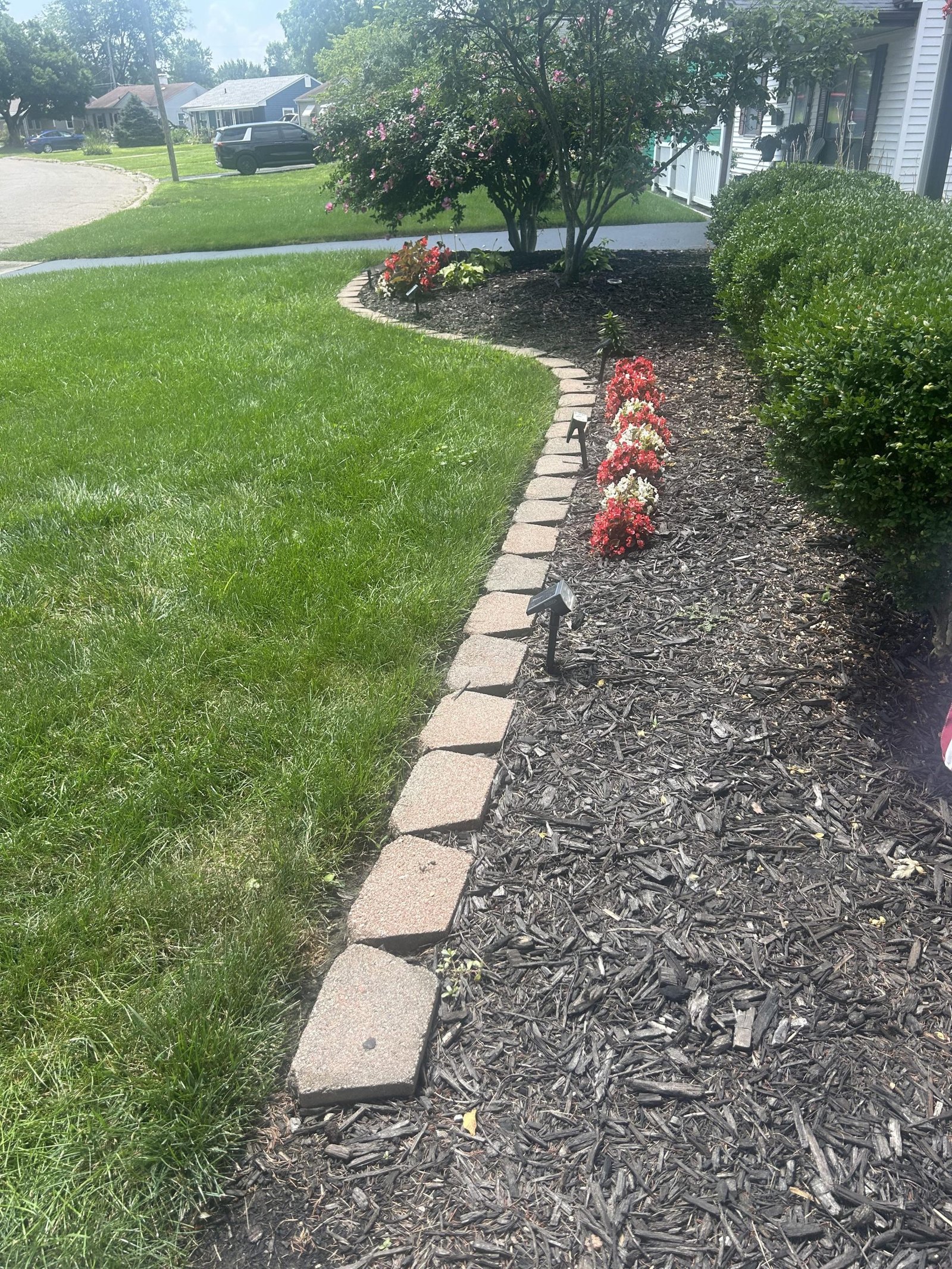
Are you tired of your lawn looking messy where it meets your mulch beds? A clean, sharp edge can transform your yard from ordinary to stunning.
But how do you get that perfect line without spending hours or hiring expensive help? In this guide, you’ll discover simple, effective ways to edge your lawn with mulch beds that make your garden stand out. Ready to give your outdoor space a fresh, polished look?
Keep reading and learn how easy it can be to create crisp, beautiful edges you’ll love.
Credit: www.thelawnforum.com
Benefits Of Edging With Mulch
Edging your lawn with mulch beds helps create clear boundaries. It improves the look of your yard and keeps grass and plants neat.
Using mulch for edging is simple and offers many benefits for your garden and soil health.
Enhancing Yard Appearance
Mulch edges give your yard a tidy and finished look. They define flower beds and separate lawn areas cleanly.
- Creates a sharp line between lawn and flower beds
- Hides soil and roots for a cleaner look
- Adds color contrast with natural mulch shades
- Reduces lawn mower damage to plants
Weed Control Advantages
Mulch blocks sunlight from reaching weed seeds. This lowers the chance of weed growth along lawn edges.
| Benefit | Description |
| Blocks Sunlight | Stops weed seeds from sprouting |
| Physical Barrier | Prevents weeds from growing through mulch layer |
| Easy Maintenance | Weeds are easier to spot and remove |
Soil Moisture Retention
Mulch helps keep soil moist by reducing evaporation. This supports healthy plant roots near lawn edges.
- Slows water loss from soil surface
- Keeps soil temperature stable
- Reduces stress on plants during dry weather
- Improves soil health over time
Choosing The Right Mulch
Mulch helps keep your lawn edges neat and healthy. It also protects soil and plants. Picking the right mulch is key to good results.
This guide explains how to choose mulch by type, color, texture, and care needs. These tips make edging with mulch easier and better.
Organic Vs Inorganic Mulch
Organic mulch comes from natural materials like wood or leaves. It breaks down and adds nutrients to the soil. Inorganic mulch uses rocks or plastic. It does not change over time.
Organic mulch helps soil health but needs replacing often. Inorganic mulch lasts longer but does not improve soil. Choose based on your lawn’s needs.
- Organic mulches: bark, wood chips, straw, leaves
- Inorganic mulches: rubber, gravel, landscape fabric
- Organic mulches improve soil but decay faster
- Inorganic mulches last longer but do not enrich soil
Color And Texture Options
Mulch comes in many colors and textures. Choose a color that matches your lawn and plants. Texture affects how the mulch looks and feels.
Dark mulch shows bright plants well. Light mulch gives a soft look. Rough textures hide debris. Smooth textures look tidy but show dirt.
- Colors: brown, black, red, natural wood
- Textures: fine, coarse, shredded, chipped
- Dark colors keep soil warmer
- Light colors reflect heat and light
Durability And Maintenance
Durability means how long the mulch lasts before needing replacement. Organic mulch breaks down in months to years. Inorganic mulch lasts many years.
Maintenance includes adding more mulch and cleaning debris. Organic mulch needs more care but helps soil. Inorganic mulch needs less care but can look worn.
- Organic mulch: replaces every 6-12 months
- Inorganic mulch: replaces every 3-5 years
- Organic mulch requires raking and topping off
- Inorganic mulch may need cleaning to remove leaves
Tools Needed For Lawn Edging
Edging a lawn with mulch beds keeps your garden neat and tidy. Using the right tools makes the job easier and faster.
This guide explains the tools you need for edging your lawn properly. It covers manual tools, power equipment, and safety gear.
Manual Edging Tools
Manual tools work well for small or detailed edging jobs. They give you control and precision along mulch beds.
These tools require more effort but are simple to use and affordable.
- Lawn edger spade: a flat, sharp blade for cutting clean edges
- Half-moon edger: a curved blade for creating smooth curves
- Hand trowel: useful for small touch-ups near plants
- Garden gloves: protect your hands during work
Power Equipment Options
Power tools speed up edging, especially for large areas. They reduce physical effort and give consistent results.
Choose equipment based on your lawn size and budget.
- String trimmer with edging capability: versatile and easy to handle
- Electric or gas-powered lawn edger: creates sharp, straight lines
- Battery-operated tools: cordless and quieter than gas-powered ones
Safety Gear Essentials
Safety gear protects you from injuries while edging your lawn. Always wear the proper equipment.
Good safety habits help prevent accidents and keep you comfortable during work.
- Safety glasses: shield your eyes from flying debris
- Work gloves: protect your hands from cuts and blisters
- Ear protection: reduce noise from power tools
- Closed-toe shoes: guard your feet from sharp objects
Preparing The Lawn And Beds
Creating clean edges between your lawn and mulch beds makes your garden look tidy. Proper preparation is key to achieving neat lines.
Follow these steps to prepare your lawn and mulch beds effectively. You’ll need some basic tools and a bit of time to do it right.
Clearing Grass And Debris
Start by removing any grass and debris from the edges. This step ensures a clean surface for creating defined lines.
- Use a spade to cut away grass encroaching on the mulch bed.
- Rake up leaves, twigs, and other debris.
- Dispose of the waste properly in a compost pile or yard waste bin.
Marking Edging Lines
Marking the edging lines helps you visualize where to dig. It also ensures straight and even borders.
Use a garden hose or string to outline the desired edge. Adjust until you are satisfied with the shape.
Soil Preparation Tips
Preparing the soil is crucial for effective edging. Proper soil conditions support healthy grass and plants.
| Task | Tool |
| Loosen Soil | Garden Fork |
| Level Surface | Rake |
| Amend Soil | Compost |
Step-by-step Edging Process
Edging your lawn with mulch beds makes your yard look neat and well-kept. This process creates a clean line between grass and mulch. It helps prevent grass from growing into the mulch area.
Follow these simple steps to edge your lawn with mulch beds. You will cut the lawn edge, dig a trench, and then lay down mulch.
Cutting The Lawn Edge
Start by trimming the grass along the edge where you want the mulch bed. Use a lawn edger or a spade. This will create a sharp, clean line between the grass and the mulch bed area.
Make sure the cut edge is straight and even. This helps keep the lawn looking tidy and prevents grass from growing into the mulch.
Creating A Trench For Mulch
Next, dig a shallow trench along the cut edge. The trench should be about 3 to 4 inches deep and wide enough for the mulch. Use a small shovel or garden trowel for this step.
Make sure the trench is smooth and free of grass or roots. This trench will hold the mulch and keep it in place.
- Trench depth: 3-4 inches
- Trench width: 4-6 inches
- Remove all roots and grass
- Keep the trench edges straight
Laying And Spreading Mulch
Finally, fill the trench with mulch. Use a shovel or your hands to spread the mulch evenly. The mulch should cover the trench and a little beyond it.
Spread the mulch 2 to 3 inches thick. This thickness helps keep weeds down and holds moisture in the soil.
- Fill trench fully with mulch
- Spread mulch evenly
- Layer 2-3 inches thick
- Keep mulch away from plant stems
Credit: www.lawnsite.com
Maintaining Edged Mulch Beds
Edged mulch beds need regular care to stay neat and healthy. Proper maintenance keeps your garden looking fresh and clean.
This guide covers simple ways to care for your edged mulch beds. Follow easy tips to keep edges sharp and mulch fresh.
Regular Mulch Refreshing
Mulch breaks down over time and loses its color and thickness. Refreshing mulch helps protect plants and keeps beds attractive.
- Remove old mulch that looks faded or thin.
- Loosen the soil gently before adding new mulch.
- Spread a 2 to 3 inch layer of fresh mulch evenly.
- Keep mulch a few inches away from plant stems.
- Water the mulch lightly to help it settle.
Edge Touch-ups
Sharp edges make mulch beds look tidy. Fix any spots where edges have blurred or soil has spilled.
- Use a half-moon edger or a spade to redefine edges.
- Remove grass or weeds that creep into mulch beds.
- Compact soil along the edge to prevent mulch from moving.
- Check edges monthly for quick touch-ups.
Seasonal Care Tips
Season changes affect mulch and edges. Adjust care to protect beds year-round.
| Season | Care Tip |
| Spring | Refresh mulch and trim edges to prepare for growth. |
| Summer | Water mulch to reduce drying and keep edges clear of weeds. |
| Fall | Add mulch to protect roots and rake leaves off beds. |
| Winter | Avoid heavy foot traffic on edges to prevent soil compaction. |
Common Mistakes To Avoid
Edging a lawn with mulch beds can enhance your garden’s look. Avoid common mistakes to keep it neat and tidy.
Learn how to avoid these errors for a well-maintained and attractive garden edge.
Overlapping Mulch Onto Lawn
Mulch should stay within its bed, not spill over onto the lawn. This mistake can smother grass and harm its growth.
- Keep mulch inside the bed boundaries.
- Use a rake to gently pull back excess mulch.
- Regularly check edges to maintain a clear line.
Ignoring Soil Compaction
Compacted soil can prevent roots from growing. It’s important to address this issue to maintain healthy plants.
Using Incorrect Tools
Using the wrong tools can make edging difficult. Choose tools designed for garden edging to make your work easier.
| Tool | Purpose |
| Edger | Define clean lines |
| Rake | Spread mulch evenly |
| Garden Fork | Aerate soil |

Credit: www.reddit.com
Frequently Asked Questions
How Do You Edge A Lawn With Mulch Beds?
To edge a lawn with mulch beds, first mark the boundary. Use an edging tool to create a clean trench. Remove grass roots and debris. Then, add mulch evenly along the edge to define the bed and prevent grass from spreading.
What Tools Are Needed To Edge Lawns With Mulch Beds?
Essential tools include an edging spade or half-moon edger, a garden rake, and a wheelbarrow. Gloves protect your hands. Optional tools are a string trimmer and a garden hose to mark curves and edges precisely.
How Deep Should Lawn Edging Be For Mulch Beds?
Edging depth should be about 4 to 6 inches deep. This depth prevents grass from creeping into mulch beds. It also helps mulch stay in place and maintains a neat lawn edge.
Can Mulch Beds Prevent Lawn Grass From Growing?
Yes, mulch beds act as a barrier by blocking sunlight. This limits grass growth into the mulch area. Mulch also retains moisture and improves soil health, which supports plant growth without grass intrusion.
Conclusion
Edging your lawn with mulch beds creates a clean, fresh look. It also helps keep grass and weeds from growing into flower beds. Regular edging makes your yard look neat and cared for. Using simple tools keeps the job easy and quick.
Remember to check edges often and refresh mulch as needed. A well-edged lawn adds beauty and value to your home. Try these tips to keep your garden tidy all year. Small steps bring big changes to your outdoor space.
