
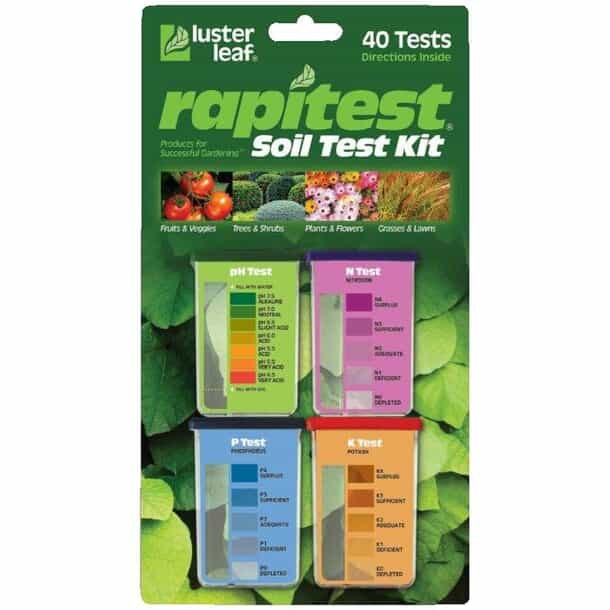
Have you ever wondered why your plants don’t grow as well as you expected? The secret might be hidden right beneath your feet—your soil.
A soil test kit is a simple tool that can help you understand exactly what your soil needs to thrive. By using one, you can unlock the key to healthier plants, bigger harvests, and a more vibrant garden. You’ll discover what a soil test kit is, how it works, and why it’s a game-changer for anyone who loves gardening or farming.
Ready to take your soil knowledge to the next level? Keep reading!
Soil Test Kits Basics
Soil test kits help gardeners and farmers check their soil’s health. These kits show what nutrients the soil has and what it lacks.
Using a soil test kit is simple. It gives quick results so you can improve plant growth and soil quality.
What Soil Test Kits Measure
Soil test kits measure important things in the soil. These include nutrients, pH level, and sometimes soil texture.
The most common measurements are nitrogen, phosphorus, and potassium. These are key nutrients plants need to grow well.
- Nitrogen (N) helps plants grow leaves and stems
- Phosphorus (P) supports root and flower development
- Potassium (K) strengthens plants and improves fruit quality
- pH level shows how acidic or alkaline the soil is
Types Of Soil Test Kits
There are different types of soil test kits. Some kits test soil nutrients only. Others also check pH or soil moisture.
Some kits use color changes to show results. Others need a meter or digital reader for accuracy.
- Basic nutrient test kits – check nitrogen, phosphorus, potassium
- pH test kits – measure soil acidity or alkalinity
- Comprehensive kits – test nutrients, pH, and sometimes micronutrients
- Digital soil testers – use electronic sensors for quick results
Why Test Your Soil
Testing your soil helps you understand its health and nutrients. It guides you in growing strong plants.
Soil test kits show what your soil needs for better plant growth. They save time and money by avoiding guesswork.
Benefits For Plant Growth
Soil tests give clear information about soil nutrients and pH levels. This helps you add the right fertilizers and amendments.
- Identify nutrient deficiencies early
- Improve plant health and yield
- Choose the best plants for your soil type
- Save money by using only needed products
- Encourage strong root development
Preventing Common Soil Problems
Soil tests help spot problems before they harm plants. You can fix issues like acidity or salt buildup early.
| Soil Problem | Cause | How Soil Testing Helps |
|---|---|---|
| High acidity | Too much acid, low pH | Shows pH level to add lime |
| Nutrient imbalance | Lack or excess of nutrients | Reveals nutrient amounts to correct |
| Salt buildup | Overuse of fertilizers or poor drainage | Detects salt levels to manage watering |
| Compacted soil | Heavy machinery or foot traffic | Tests soil texture and structure |
How To Use A Soil Test Kit
Using a soil test kit helps you check the health of your soil. It tells you what nutrients your plants need.
Follow simple steps to collect soil samples, perform the test, and understand the results.
Collecting Soil Samples
Start by collecting soil samples from your garden or field. Use a clean tool like a trowel or soil probe.
Take samples from different spots to get a good mix. Remove plants and debris before digging.
- Dig 4 to 6 inches deep for most plants
- Collect soil from 5 to 10 places in the area
- Mix the samples in a clean container
- Use only dry soil for testing
Performing The Test
Follow the instructions in your soil test kit carefully. Most kits include testing strips or capsules.
Measure the soil and add water if needed. Then mix the soil with the test solution or dip the test strip.
- Use the right amount of soil as the kit says
- Add the test liquid or solution as directed
- Wait the suggested time for the test to develop
- Keep the test materials clean and dry
Interpreting Results
Check the color or numbers shown by the test. Compare them to the guide included in the kit.
The guide tells you if your soil has low, medium, or high nutrient levels. Use this information to improve soil health.
- Low levels may need added fertilizer
- Medium levels are usually good for growth
- High levels mean less fertilizer is needed
- Adjust soil pH based on test results if needed

Credit: www.amazon.ca
Choosing The Right Soil Test Kit
Soil test kits help gardeners and farmers check soil health. They show nutrient levels and pH balance. Picking the right kit matters for good results.
Many kits are on the market. Knowing what to look for helps you select one that fits your needs and budget.
Factors To Consider
Some soil kits test for many nutrients while others focus on a few. Check what each kit measures to match your soil needs.
- Accuracy: Choose kits with clear instructions and reliable results.
- Type of soil: Some kits are better for garden soil, others for lawns or farms.
- Ease of use: Pick kits that are simple to handle and read.
- Test speed: Some kits give results in minutes, others take days.
- Price: Balance cost with the features you need.
Popular Brands And Options
Many brands offer soil test kits. They vary in price, accuracy, and test types. Here is a simple table showing common options.
| Brand | Test Types | Price Range |
| SoilCheck | pH, Nitrogen, Phosphorus | $15 – $25 |
| GardenLab | pH, Nutrients, Organic Matter | $20 – $30 |
| EasySoil | pH only | $10 – $15 |
| FarmTest Pro | Full nutrient panel | $30 – $50 |
Improving Soil Based On Test Results
Soil test kits show what your soil needs. They help you improve soil health for better plants.
After testing, you can adjust soil pH and add nutrients. This boosts plant growth and yield.
Adjusting Soil Ph
Soil pH affects nutrient availability for plants. Test results tell if soil is too acidic or alkaline.
- If soil is acidic, add lime to raise pH.
- If soil is alkaline, add sulfur to lower pH.
- Mix amendments well into the soil.
- Retest soil after a few months to check changes.
Adding Nutrients And Amendments
Soil tests show which nutrients are low. Add fertilizers or organic matter to fix deficiencies.
| Nutrient | Source | Effect |
| Nitrogen (N) | Compost, manure, synthetic fertilizers | Improves leaf growth and color |
| Phosphorus (P) | Bone meal, rock phosphate | Helps root and flower development |
| Potassium (K) | Wood ash, potash fertilizers | Strengthens plants and disease resistance |
| Organic Matter | Compost, peat moss | Improves soil structure and moisture |

Credit: spectrumed.ca
Maintaining Soil Health Over Time
Soil health is vital for growing healthy plants. A soil test kit helps you understand your soil’s condition. Regular testing ensures your soil stays productive and balanced over time.
Using a soil test kit, you can check nutrient levels and pH balance. This information helps you make informed decisions about soil care.
Regular Testing Schedule
Regular soil testing is essential for maintaining soil health. It helps you track changes and plan improvements.
Test your soil at least once a year. Spring is a good time as it prepares your soil for the growing season.
- Annual testing provides a consistent overview of soil health
- Spring tests help prepare for planting
- Additional tests after major weather events can be beneficial
Best Practices For Soil Care
Soil care involves more than just testing. It includes actions to improve and maintain soil quality.
Use organic matter like compost to enrich your soil. Rotate crops to prevent nutrient depletion.
- Compost adds nutrients and improves soil structure
- Crop rotation prevents nutrient loss
- Mulching helps retain soil moisture

Credit: www.amazon.ca
Frequently Asked Questions
What Is A Soil Test Kit Used For?
A soil test kit analyzes soil nutrients and pH levels. It helps gardeners and farmers optimize plant growth by identifying soil deficiencies and imbalances accurately.
How Does A Soil Test Kit Work?
The kit uses chemical reagents to react with soil samples. It provides color-coded results indicating nutrient levels and pH, helping users understand soil health easily.
Why Should I Test My Soil Regularly?
Regular soil testing ensures nutrient balance and soil health. It prevents over-fertilization and improves plant yield by addressing soil problems timely and effectively.
Can Anyone Use A Soil Test Kit At Home?
Yes, soil test kits are designed for easy home use. They come with clear instructions, making soil analysis accessible for gardeners and beginners alike.
Conclusion
A soil test kit helps you learn about your soil’s health. It shows what nutrients your plants need. Testing soil saves money and avoids guesswork. Healthy soil means better plants and bigger harvests. Anyone can use a soil test kit at home.
It’s a simple step to grow strong, happy plants. Try it and see the difference in your garden. Soil testing is smart gardening made easy.

