
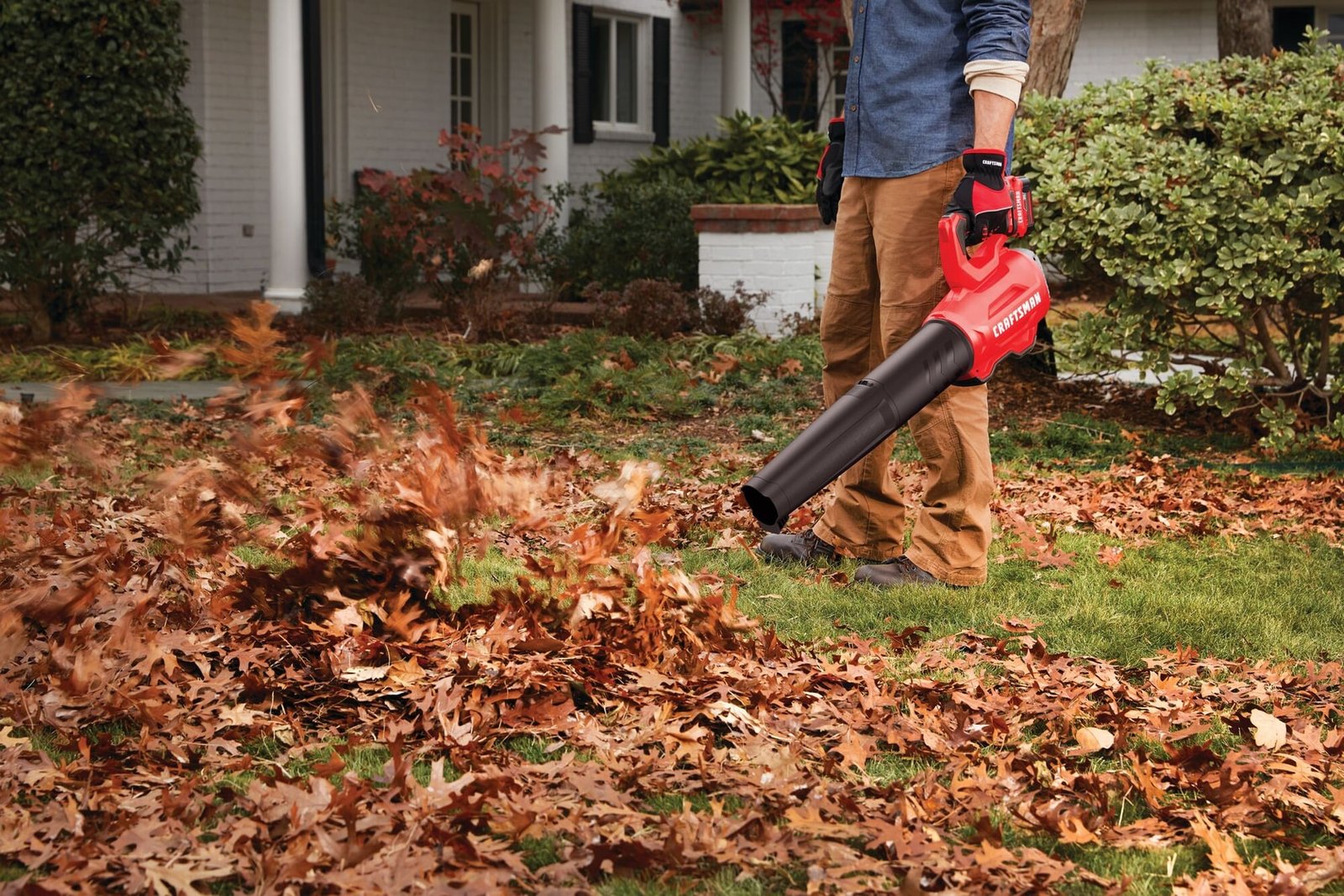
Are you tired of leaves piling up in your yard, making it look messy and hard to maintain? Using a leaf vacuum can be a game-changer, but knowing how often to use it is key to keeping your outdoor space clean without wasting time or effort.
You’ll discover the perfect balance for using your leaf vacuum effectively. Keep reading to learn simple tips that will save you hours and make your yard the envy of the neighborhood.
Benefits Of Leaf Vacuums
Leaf vacuums help keep your yard clean and healthy. They make leaf removal faster and easier.
Using a leaf vacuum regularly improves lawn appearance and prevents problems caused by leaves.
Improving Lawn Health
Removing leaves quickly stops mold and fungus growth on grass. It also lets sunlight reach the soil, which helps grass grow stronger.
- Prevents leaf mold that harms grass
- Allows air and sunlight to reach lawn
- Reduces pest hiding places
Saving Time And Effort
Leaf vacuums pick up many leaves at once. This makes cleaning your yard much faster than raking by hand.
| Task | Raking Time | Leaf Vacuum Time |
| Small Yard | 2 hours | 30 minutes |
| Medium Yard | 4 hours | 1 hour |
| Large Yard | 6 hours | 2 hours |
Preventing Lawn Damage
Wet, heavy leaves can suffocate grass if left too long. Leaf vacuums remove leaves before damage occurs.
Benefits of leaf vacuum use:
- Stops grass from being crushed
- Prevents soil compaction
- Reduces risk of dead patches
Factors Affecting Frequency
Using a leaf vacuum often depends on several key factors. These factors help you decide how frequently you should clean your yard.
Knowing what affects the leaf vacuum schedule can keep your lawn healthy and neat all year long.
Type Of Trees And Leaves
Different trees drop leaves in different amounts and speeds. Some trees shed leaves quickly and in large piles. Others drop leaves slowly or fewer leaves.
- Deciduous trees drop many leaves in a short time.
- Evergreen trees shed needles slowly throughout the year.
- Large leaves may block your vacuum more often than small leaves.
- Dry leaves are easier to vacuum than wet, sticky ones.
Seasonal Changes
Each season affects leaf fall and lawn care needs. You may need to use a leaf vacuum more in some seasons than others.
| Season | Leaf Fall Frequency | Vacuum Use |
| Spring | Low | Rarely |
| Summer | Low to Moderate | Sometimes |
| Fall | High | Often |
| Winter | Low | Rarely |
Lawn Size And Condition
Lawn size and health also decide how often to vacuum leaves. Bigger lawns need more time and frequent cleaning. Lawns with thick grass may hide leaves better but still need regular vacuuming.
| Lawn Size | Vacuum Frequency |
|---|---|
| Small (under 1000 sq ft) | Once a week during leaf fall |
| Medium (1000-5000 sq ft) | Two to three times a week |
| Large (over 5000 sq ft) | Multiple times a week |
Recommended Usage Schedule
Using a leaf vacuum helps keep your yard clean and healthy. It removes leaves before they pile up and cause problems.
Follow a regular schedule to get the best results. This keeps your lawn looking neat all year.
Weekly Maintenance
Use the leaf vacuum once a week during the leaf-fall season. This prevents leaves from covering your grass.
Regular vacuuming stops leaves from blocking sunlight and air. It helps your lawn stay green and healthy.
- Vacuum dry leaves only
- Clear small areas weekly
- Empty the vacuum bag often
Seasonal Deep Cleaning
At the start and end of fall, do a deep clean with your leaf vacuum. This removes thick layers of leaves and debris.
Deep cleaning helps prepare your lawn for winter or spring growth. It also stops mold and pests from developing.
- Vacuum wet and dry leaves carefully
- Cover large areas in multiple passes
- Check and clean the vacuum filters
After Storms And Heavy Leaf Fall
Use the leaf vacuum soon after storms or heavy leaf fall. Wet leaves can pile up quickly and become slippery.
Cleaning leaves promptly prevents lawn damage and keeps walkways safe. It also reduces the chance of clogged gutters.
- Vacuum wet leaves with care
- Remove debris from paths and driveways
- Empty vacuum frequently to avoid clogging

Credit: thewoodlandgardener.com
Tips For Effective Leaf Vacuuming
Using a leaf vacuum helps keep your yard clean and free of debris. Regular vacuuming saves time and effort.
Follow simple tips to choose the right tools and use them safely for the best results.
Choosing The Right Equipment
Select a leaf vacuum that matches your yard size and leaf volume. Check for adjustable suction power and easy handling.
- Pick a model with good suction for wet or dry leaves
- Choose lightweight options for easier use
- Consider electric or gas-powered based on your needs
- Look for a vacuum with a large collection bag
Proper Vacuuming Techniques
Use the right method to vacuum leaves efficiently. Move slowly and cover all areas evenly.
| Technique | Description |
| Slow Passes | Move the vacuum slowly to pick up more leaves |
| Overlap Passes | Overlap each pass slightly to avoid missed spots |
| Empty Bag Often | Prevent clogging by emptying the collection bag regularly |
| Check Suction | Adjust power based on leaf density and ground type |
Safety Precautions
Follow safety rules to avoid injuries and damage while vacuuming leaves.
- Wear safety glasses to protect your eyes
- Use ear protection if the vacuum is loud
- Keep children and pets away while operating
- Do not vacuum sharp or hard objects
- Turn off the vacuum before emptying the bag
Alternatives And Supplements
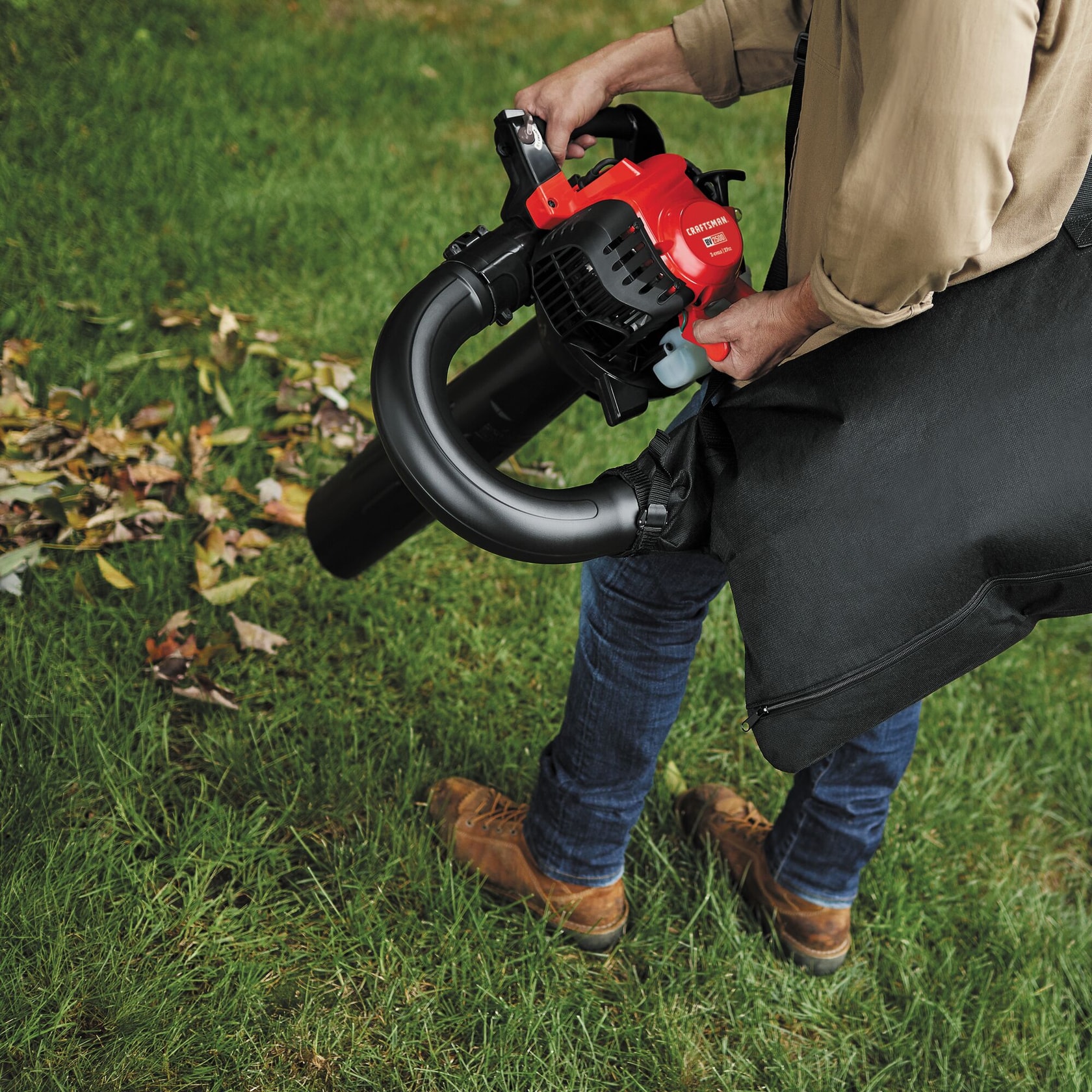
Leaf vacuums work well but are not the only way to manage fallen leaves. Other methods can help keep your yard clean and healthy. Using these alternatives can reduce the need for frequent vacuuming.
Some options save time and add benefits like mulch for your garden or lawn. You can combine these methods with a leaf vacuum for better results.
Raking And Mulching
Raking is a simple way to gather leaves into piles. Mulching chops the leaves into small pieces that can help your soil. Both methods use natural ways to recycle leaves in your yard.
- Rake leaves into piles for easy pickup or composting.
- Use a mulching mower to shred leaves on the lawn.
- Mulched leaves add nutrients and protect grass during winter.
- Raking helps avoid thick leaf layers that block sunlight.
Using Lawn Mowers With Baggers
Lawn mowers with baggers collect leaves while you mow your lawn. This method saves time by combining tasks. It also keeps your yard tidy without extra equipment.
| Feature | Benefit |
| Bag Attachment | Collects leaves and grass clippings |
| Easy Disposal | Leaves go directly to bags for trash or compost |
| Time Saver | Mow and collect leaves in one step |
| Less Noise | Quieter than some leaf vacuums |
Hiring Professional Services
Professional leaf removal services can keep your yard clear without effort. Experts use tools and techniques that may be hard to manage alone. Hiring help is useful for large properties or heavy leaf fall.
Reasons to hire professionals:
- Save time and avoid physical work
- Get quick cleanup after storms or heavy leaf fall
- Access to commercial-grade equipment
- Regular maintenance plans available

Credit: www.familyhandyman.com
Credit: www.craftsman.com
Frequently Asked Questions
How Often Should I Use A Leaf Vacuum In Fall?
Use a leaf vacuum weekly during peak fall leaf drop. This keeps your yard clean and prevents leaf buildup. Regular use avoids lawn damage and saves cleanup time. Adjust frequency based on tree density and weather conditions.
Can I Use A Leaf Vacuum In Spring Or Summer?
Leaf vacuums can be used in spring and summer to remove grass clippings, debris, and small leaves. Using it occasionally helps maintain a tidy yard. However, heavy leaf vacuuming is mostly needed in fall when leaf shedding is highest.
Is Daily Leaf Vacuuming Necessary For A Clean Yard?
Daily leaf vacuuming is not necessary unless you have many trees. Weekly or bi-weekly use is sufficient for most yards. Overuse can stress your lawn and waste time. Tailor vacuuming frequency to your yard’s leaf accumulation.
Does Frequent Leaf Vacuuming Harm My Lawn?
Proper use of a leaf vacuum does not harm your lawn. Frequent vacuuming prevents leaves from smothering grass and reduces mold risk. Avoid aggressive vacuum settings to protect grass roots and soil structure.
Conclusion
Using a leaf vacuum regularly keeps your yard clean and healthy. Clear leaves before they pile up to avoid lawn damage. Check your yard every week or two during fall. Adjust use based on how many leaves fall each day.
Don’t overuse it; too much vacuuming can harm grass. A balanced routine helps your garden look neat all season. Remember, a tidy yard feels better to enjoy and relax in. Simple care goes a long way in maintaining your outdoor space.

