
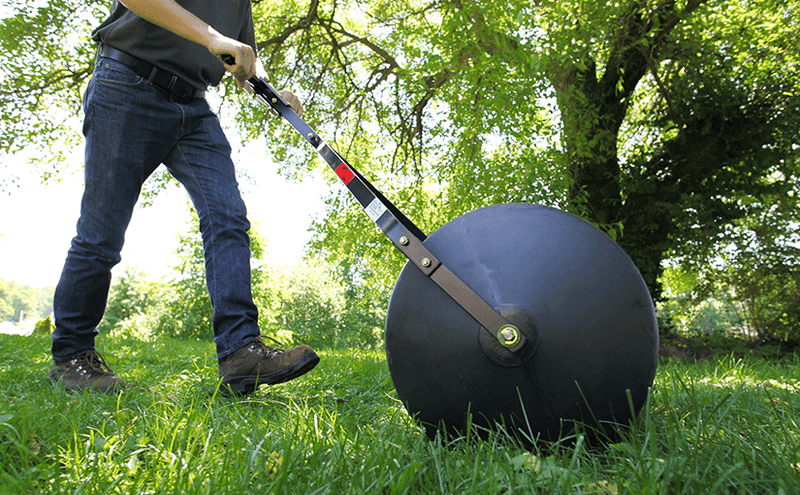
Are you struggling to get that perfectly smooth, even lawn? A lawn roller might be just what you need, but you probably have a lot of questions before making a decision.
What exactly does a lawn roller do? How do you use it correctly? Is it worth the investment for your yard? In this Lawn Roller FAQ, you’ll find clear answers to all your pressing questions. By the end, you’ll know exactly how to choose and use a lawn roller to transform your lawn into the neat, flawless space you’ve been dreaming of.
Keep reading—you’re closer than you think to lawn perfection!
Choosing The Right Lawn Roller
Lawn rollers help flatten soil and improve your lawn’s appearance. Picking the right one makes your work easier and better.
Think about your lawn size, soil type, and how often you will use the roller before buying.
Types Of Lawn Rollers
There are different kinds of lawn rollers for various needs. Some are filled with water or sand, while others are solid.
Choose between water-filled, sand-filled, or solid rollers based on your lawn and use.
- Water-filled rollers:Lightweight when empty, easy to move, heavy when filled.
- Sand-filled rollers:Heavier than water-filled, good for firm leveling.
- Solid rollers:Very heavy, best for large or tough jobs but hard to move.
Material And Weight Considerations
Lawn rollers come in steel or plastic. Steel rollers are strong but heavy. Plastic rollers are lighter but less durable.
Weight affects how well the roller flattens the soil. Heavier rollers press better but need more effort to use.
- Steel rollers: Last long and press deeply but can be heavy to move.
- Plastic rollers: Easier to carry but may wear out faster.
- Adjustable weight models let you add or remove water or sand.
Manual Vs. Tow-behind Models
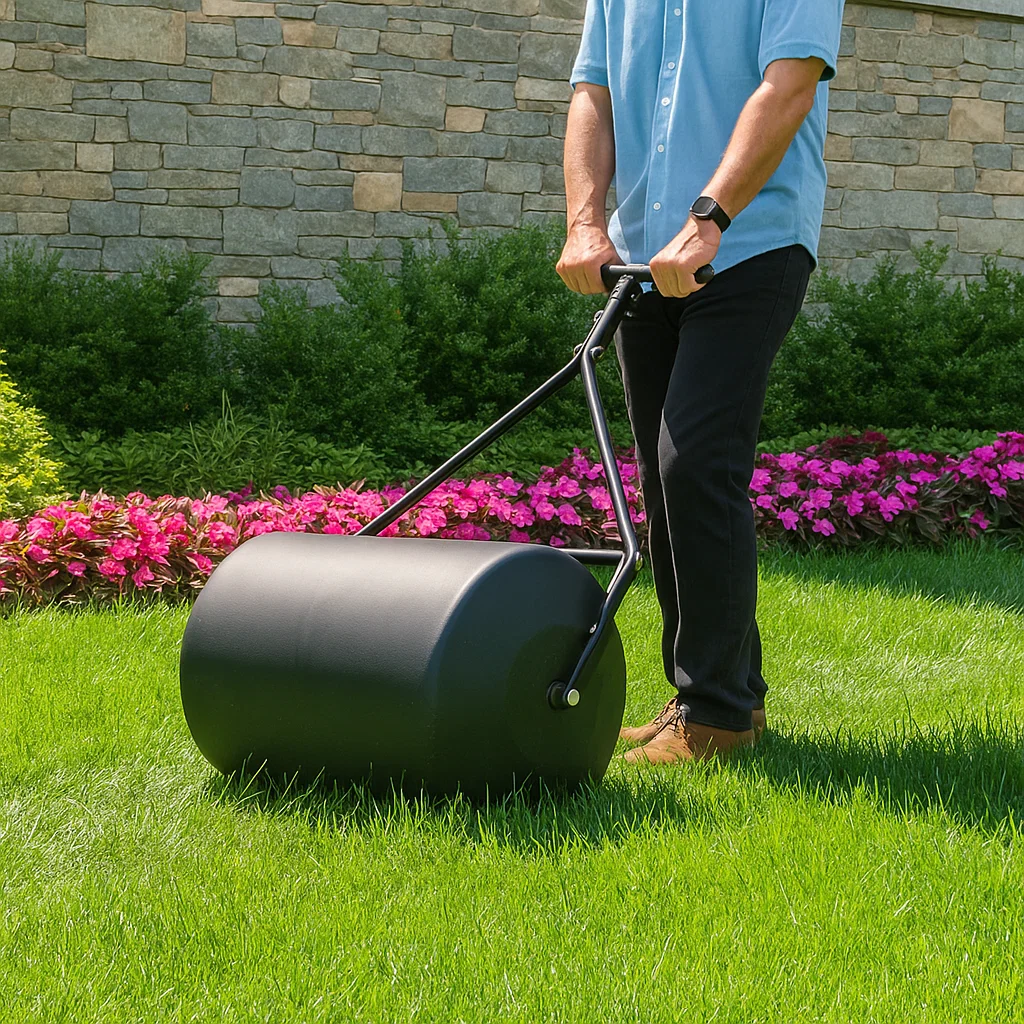
Manual lawn rollers need you to push them by hand. They work well for small yards and simple tasks.
Tow-behind rollers attach to lawn tractors or ATVs. They cover large areas fast but cost more and need a vehicle.
- Manual rollers:Good for small lawns and easy to control.
- Tow-behind rollers:Best for large lawns or professional use.
- Choose based on your lawn size and equipment availability.
When To Use A Lawn Roller
A lawn roller helps create a smooth, even surface for your grass. It presses the soil and seeds gently. This tool improves the seed-to-soil contact for better growth.
Using a lawn roller at the right time can make your lawn look healthy and neat. It helps fix bumps and prepares the soil well before planting.
After Seeding Or Sodding
After spreading seeds or laying sod, a lawn roller presses them into the soil. This helps the roots grow strong and prevents seeds from washing away.
Leveling Uneven Ground
Uneven ground can cause water to pool or run off, harming your grass. A lawn roller helps flatten bumps and fills small holes in the soil.
- Roll the lawn slowly over uneven areas
- Make several passes if needed
- Use light pressure to avoid compacting the soil too much
- Check the surface regularly and adjust rolling
Preparing Soil For Lawn Installation
| Purpose | How Lawn Roller Helps |
| Remove air pockets | Compresses soil evenly for strong root growth |
| Create firm base | Prepares soil to hold sod or seed firmly |
| Improve soil contact | Presses seeds or sod tightly against soil |
How To Use A Lawn Roller Properly
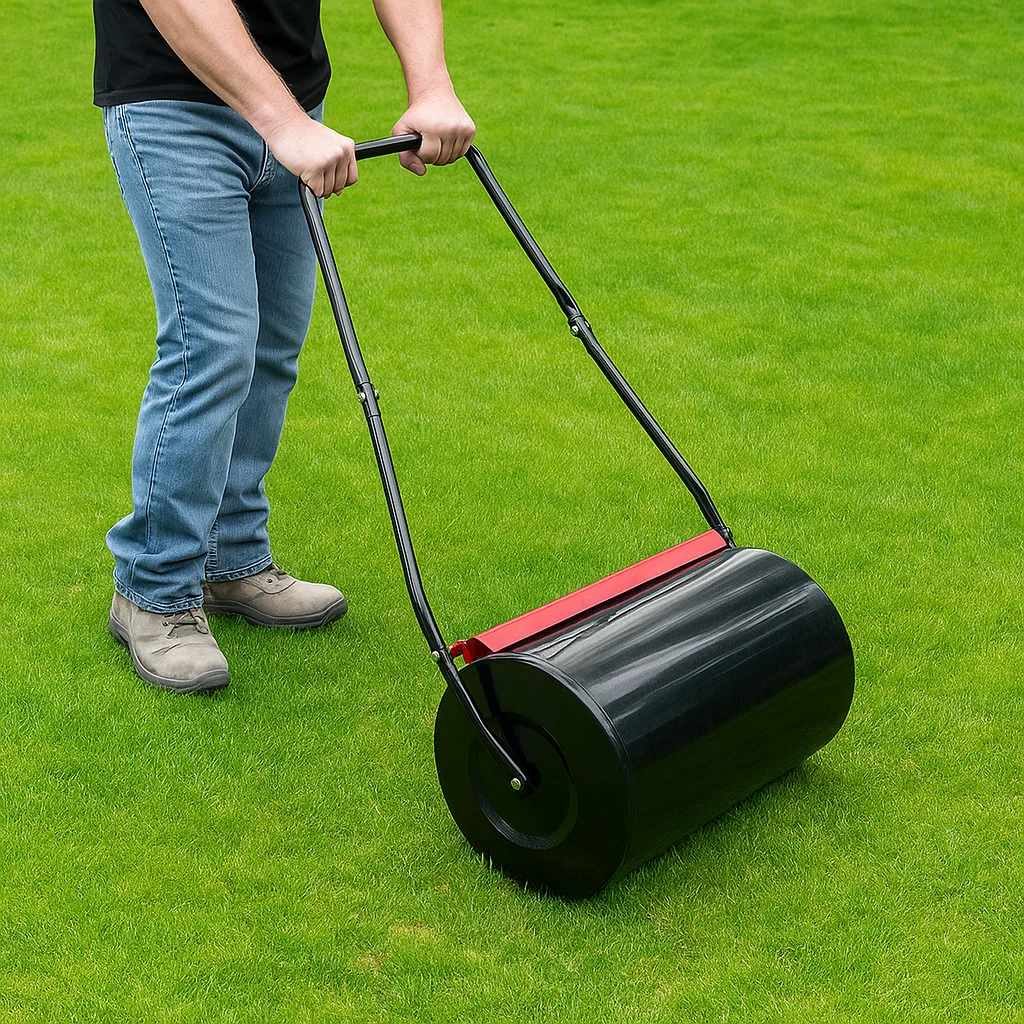
Using a lawn roller correctly helps keep your grass smooth and even. It can press seeds into the soil and remove bumps. Knowing how to adjust and use it safely makes the job easier.
This guide covers filling and weight tips, rolling methods, and safety advice for the best results.
Filling And Weight Adjustments
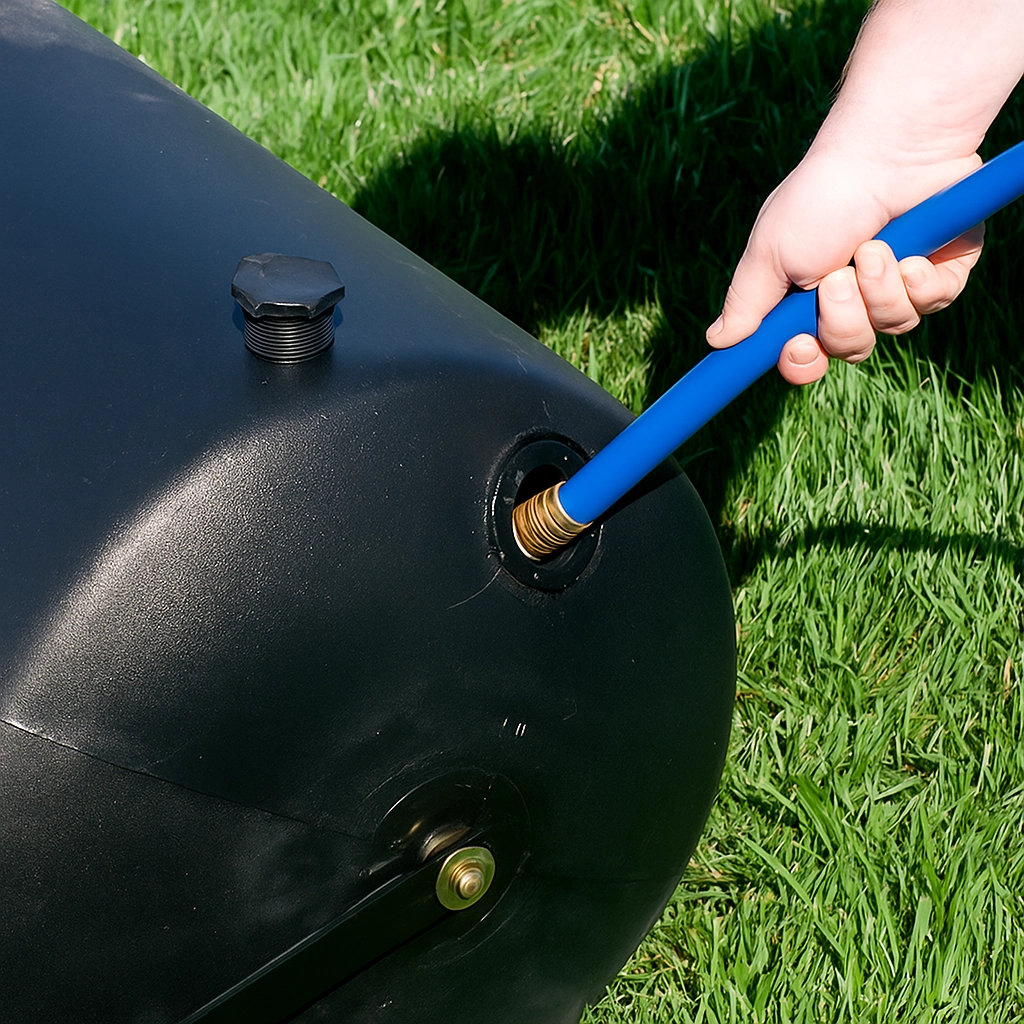
Most lawn rollers can be filled with water or sand to add weight. The amount you fill affects how firm the roller presses the lawn.
| Filling Material | Weight Effect | When to Use |
|---|---|---|
| Water | Light to medium weight | Regular lawn rolling, seeding |
| Sand | Heavier weight | Fixing bumps, firming soil |
| Empty | Light weight | Rolling on soft or wet ground |
Rolling Techniques For Best Results
Rolling your lawn correctly helps avoid damage and improves soil contact for seeds.
- Roll when the soil is moist but not wet.
- Move in straight lines across the lawn.
- Overlap each pass slightly to cover all areas.
- Roll slowly to allow the roller to press well.
- Avoid rolling on very dry or very wet grass.
Safety Tips During Operation
Using a lawn roller safely prevents injuries and protects your lawn.
- Wear sturdy shoes to protect your feet.
- Check the roller for leaks or damage before use.
- Do not overload the roller beyond its limits.
- Keep children and pets away while rolling.
- Use proper lifting techniques to avoid back strain.
Credit: www.aosom.com
Maintaining Your Lawn Roller
Keeping your lawn roller in good shape helps it last longer. Regular care makes rolling your lawn easier and more effective.
Follow simple steps to clean, store, and check your lawn roller. This guide shows how to avoid common problems.
Cleaning And Storage
After each use, rinse off dirt and grass from your lawn roller. Use a brush for stuck-on debris. Dry it well before storing.
- Empty any water from the roller to prevent rust
- Store in a dry, covered place away from rain
- Keep it off the ground using blocks or shelves
Regular Maintenance Checks
Check your lawn roller before and after use. Look for damage or loose parts. Tighten bolts and nuts as needed.
| Part | What to Check | How Often |
| Roller drum | Rust or dents | Monthly |
| Handle | Stability and cracks | Before each use |
| Axle | Lubrication and wear | Every 3 months |
Troubleshooting Common Issues
If your roller is hard to pull, check the handle and wheels. Fix any bent or loose parts. Tighten screws carefully.
- Oil the axle if the roller squeaks
- Replace damaged parts to avoid lawn damage
- Check for water inside the drum and drain it
Common Lawn Roller Mistakes To Avoid
Using a lawn roller can help keep your grass smooth and healthy. But some mistakes can harm your lawn instead.
Knowing what to avoid helps you get better results with less effort and damage.
Over-rolling And Soil Compaction
Rolling your lawn too much squeezes the soil too tightly. This stops water and air from reaching grass roots.
Compacted soil makes grass weak and slow to grow. It can also cause puddles after rain.
- Roll only when needed, not daily
- Use light pressure on the roller
- Avoid rolling in the same path repeatedly
- Check soil moisture before rolling
Using On Wet Or Frozen Lawns
Rolling a wet lawn can squash the grass and soil. It may leave deep ruts and damage roots.
Frozen lawns are hard and brittle. Rolling on ice can crack grass blades and soil structure.
- Wait for the lawn to dry before rolling
- Avoid rolling if the ground is frozen
- Check weather forecast to plan lawn care
Ignoring Lawn Type And Conditions
Different grasses and soils react differently to rolling. Some lawns need light rolling, others none at all.
Ignoring your lawn’s needs can cause stress and poor growth. Always match rolling to your lawn’s condition.
- Know your grass type before using a roller
- Check soil type and moisture regularly
- Adjust rolling frequency to lawn health
- Consult local lawn care guides if unsure
Credit: www.aosom.com
Benefits Of Using A Lawn Roller
A lawn roller can offer many advantages for your yard. It is an essential tool for achieving a well-maintained lawn. Let’s explore some key benefits.
Using a lawn roller helps in improving the health and appearance of your lawn. It also aids in soil management to prevent erosion.
Improved Seed-to-soil Contact
Rolling your lawn ensures seeds are firmly in contact with the soil. This improves germination rates and encourages healthy growth.
- Presses seeds into the soil
- Prevents seeds from blowing away
- Encourages even seed distribution
Enhanced Lawn Appearance
A smooth lawn surface looks appealing and is easier to mow. A roller helps flatten uneven ground, resulting in a lush, uniform look.
Rolling your lawn after seeding or sodding can help create a professional finish. A well-rolled lawn is less likely to have bumps or lumps.
Reduced Soil Erosion
A lawn roller compacts the soil, reducing the chances of erosion. This is particularly helpful on slopes or in areas with loose soil.
| Benefit | Description |
| Compaction | Reduces air pockets |
| Stability | Prevents soil displacement |
| Protection | Guards against heavy rains |
Credit: www.aosom.com
Frequently Asked Questions
What Is The Primary Use Of A Lawn Roller?
A lawn roller compacts soil and flattens the ground. It helps create an even surface for lawns and gardens. It is useful after seeding or repairing uneven patches.
How Do I Choose The Right Lawn Roller Size?
Choose a roller size based on your lawn area. Larger rollers cover more ground quickly but may be heavy. Smaller rollers are easier to handle for tight spaces.
Can A Lawn Roller Damage My Grass?
If overused or used on wet grass, a roller can damage roots. Use it lightly and only when necessary to avoid harming your lawn. Proper timing is key.
When Is The Best Time To Use A Lawn Roller?
The best time is after mowing or seeding in dry weather. Avoid rolling wet soil to prevent compaction and damage. Early spring or fall are ideal seasons.
Conclusion
A lawn roller helps keep your yard smooth and neat. It presses the soil to make grass grow evenly. Using it at the right time gives the best results. Avoid overusing to keep your lawn healthy. Choose the right size and weight for your needs.
Regular care with a lawn roller makes your lawn look better. Keep these tips in mind for a green, tidy yard. Simple steps lead to a beautiful lawn you can enjoy.
