
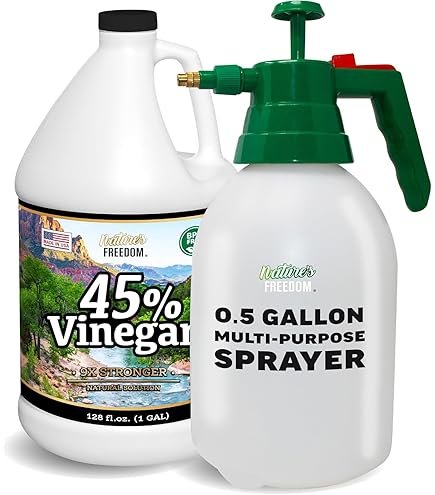
Have you ever wondered if you can put vinegar in a pump sprayer? If you’re looking for a natural, effective way to clean or tackle stubborn stains, vinegar might be your go-to solution.
But before you pour it in, it’s important to know if it’s safe for your sprayer and how to use it correctly. Keep reading to find out everything you need to know about using vinegar in your pump sprayer—so you can get the best results without damaging your tools.
Vinegar As A Cleaning Agent
Vinegar is a natural and safe cleaner used in many homes. It can remove dirt, stains, and odors effectively.
Many people wonder if they can put vinegar in a pump sprayer. Using vinegar this way makes cleaning easy and quick.
Types Of Vinegar Suitable For Sprayers
Not all vinegars work well in pump sprayers. Some types can clog the sprayer or damage surfaces.
The best vinegars for sprayers are clear and have a low acidity level. They spray smoothly and clean well.
- White distilled vinegar: Common and has about 5% acidity
- Apple cider vinegar: Mild smell, good for light cleaning
- Cleaning vinegar: Stronger acidity, made for cleaning tasks
Benefits Of Using Vinegar In Cleaning
Vinegar cleans without harsh chemicals. It is safe for many surfaces and the environment.
Using vinegar in a sprayer helps reach hard spots and speeds up the cleaning process.
- Removes mineral deposits and soap scum
- Kills some bacteria and mold
- Deodorizes and freshens rooms
- Works well on glass, tiles, and counters
- Cost-effective and easy to find
Choosing The Right Pump Sprayer
Using vinegar in a pump sprayer requires picking the right one. Not all sprayers work well with vinegar.
Choosing a sprayer that handles vinegar safely helps avoid damage and leaks. This guide explains what to look for.
Materials Compatible With Vinegar
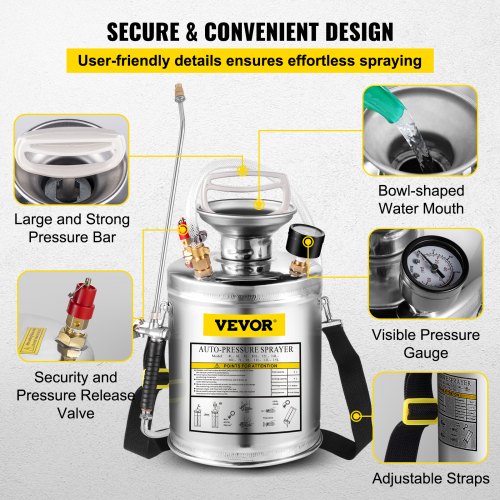
Vinegar is acidic. It can corrode some sprayer parts. Look for sprayers made from materials that resist acid.
- Plastic parts made from polyethylene or polypropylene
- Stainless steel components
- Brass nozzles with acid-resistant coating
- Rubber seals that resist vinegar corrosion
Avoid sprayers with aluminum, iron, or zinc parts. They can rust or degrade from vinegar.
Pump Sprayer Features To Consider
| Feature | Why It Matters |
| Material Type | Must resist vinegar acidity |
| Seal Quality | Prevents leaks and corrosion |
| Pressure Capacity | Ensures consistent spray |
| Nozzle Adjustability | Controls spray pattern and flow |
| Ease of Cleaning | Makes maintenance simple |
Choosing a pump sprayer with these features helps you use vinegar safely and effectively.
Preparing Vinegar For Spraying
Vinegar is a natural cleaner and weed killer. You can use it in a pump sprayer for easy application. It is important to prepare the vinegar correctly for safety and effectiveness.
Proper dilution and mixing help avoid damage to plants and surfaces. This guide explains how to prepare vinegar solutions for different uses.
Dilution Ratios For Different Uses
Different tasks need different vinegar strengths. Use the right dilution for cleaning, weed control, or pest management.
| Use | Vinegar Concentration | Water Amount |
| General cleaning | 5% | Equal parts |
| Weed control | 10-20% | No dilution or little water |
| Pest repellent | 5% | Mix with water 1:1 |
Mixing Vinegar With Other Ingredients
Adding other ingredients can improve vinegar’s effects. Be careful to mix safely and test on small areas.
- Add a few drops of dish soap to help vinegar stick to leaves.
- Mix with essential oils for better pest control.
- Avoid mixing vinegar with bleach or ammonia to prevent harmful fumes.

Credit: www.youtube.com
Using Vinegar In Pump Sprayers Safely
Vinegar is a popular natural cleaner that many people use in pump sprayers. It helps remove stains and kills some bacteria. But vinegar is acidic, so using it in the sprayer needs care.
Knowing how to avoid damage and clean the sprayer after use keeps your tool working well for a long time.
Avoiding Corrosion And Damage
Vinegar can corrode metal parts inside the sprayer. You should check the sprayer material before use. Plastic sprayers are usually safer with vinegar than metal ones.
- Use a plastic or glass pump sprayer if possible.
- Do not leave vinegar in the sprayer for long periods.
- Test the sprayer with water first to check for leaks.
- Avoid mixing vinegar with bleach or other chemicals in the sprayer.
Proper Cleaning And Maintenance After Use
Cleaning the sprayer after using vinegar stops corrosion and clogs. Rinse the tank and spray parts well with water. This removes leftover acid.
| Cleaning Step | Action |
| Rinse Tank | Fill with clean water and spray out |
| Flush Nozzle | Spray water through nozzle until clear |
| Dry Parts | Leave open to air dry completely |
| Store Safely | Keep sprayer in a dry place away from sunlight |
Common Mistakes To Avoid
Using vinegar in a pump sprayer can be helpful for cleaning and gardening. Still, some mistakes can cause problems. Avoiding these errors will keep your sprayer working well.
Learn about two common mistakes people make with vinegar in sprayers. Fixing these will save time and prevent damage.
Using Undiluted Vinegar
Many people put pure vinegar straight into the sprayer. This can be too strong and harm plants or surfaces. Undiluted vinegar may also damage the sprayer parts.
Always mix vinegar with water before spraying. A common mix is one part vinegar to three parts water. This keeps things safe and effective.
- Undiluted vinegar can burn plants
- It may corrode sprayer nozzles and tubes
- Diluting protects both plants and equipment
- Use a safe vinegar-to-water ratio
Neglecting Sprayer Cleaning
After using vinegar, many skip cleaning the sprayer. Vinegar acids can build up inside and clog the sprayer parts. This lowers sprayer life and performance.
Rinse your sprayer well with clean water after each use. Pump clean water through the nozzle to clear any vinegar leftovers. This keeps the sprayer working smoothly.
- Acid residue can block the nozzle
- Clogs reduce spray pressure
- Regular cleaning stops damage
- Flush sprayer with water after use

Credit: do-it-cat.com
Alternative Cleaning Solutions
Many people use vinegar for cleaning because it is natural and effective. It can be used in a pump sprayer for various cleaning tasks. However, vinegar is not always the best choice for every surface.
Knowing when and how to use vinegar can help you clean safely and efficiently. It is also wise to explore other eco-friendly sprayer options to ensure you are using the best solution for your needs.
When Not To Use Vinegar
Vinegar can be harmful to certain surfaces and materials. Avoid using it on natural stone like granite or marble as it can cause damage. It is also not ideal for cleaning waxed surfaces because it can strip the wax.
- Natural stone surfaces
- Waxed furniture
- Electronics
Other Eco-friendly Sprayer Options
There are several other eco-friendly options you can use in a pump sprayer. These alternatives are safe for various surfaces and effective in keeping your home clean. Consider using them as part of your cleaning routine.
- Baking soda solution: Use for deodorizing and gentle scrubbing.
- Lemon juice: Great for cutting grease and leaving a fresh scent.
- Castile soap: A versatile cleaner that is safe for most surfaces.
| Eco-Friendly Cleaner | Best For |
| Baking Soda | Deodorizing |
| Lemon Juice | Grease Removal |
| Castile Soap | General Cleaning |
Credit: www.vevor.ca
Frequently Asked Questions
Can You Safely Use Vinegar In A Pump Sprayer?
Yes, vinegar can be safely used in a pump sprayer. Use white distilled vinegar for best results. Avoid mixing vinegar with other chemicals to prevent damage. Clean the sprayer thoroughly after use to avoid corrosion or clogging.
What Type Of Vinegar Is Best For Pump Sprayers?
White distilled vinegar is the best choice for pump sprayers. It is mild, effective, and won’t damage the sprayer parts. Avoid using stronger or flavored vinegars, as they might clog or corrode the sprayer.
How To Clean A Pump Sprayer After Using Vinegar?
Rinse the pump sprayer thoroughly with clean water multiple times. Pump water through the nozzle to clear vinegar residue. This prevents corrosion and extends the sprayer’s lifespan. Allow it to dry completely before storing.
Will Vinegar Damage The Pump Sprayer Components?
Vinegar is mildly acidic but generally won’t damage quality pump sprayers if used properly. Prolonged exposure can corrode metal parts, so always rinse the sprayer after use. Use plastic or corrosion-resistant sprayers for best durability.
Conclusion
Using vinegar in a pump sprayer works well for many cleaning tasks. Vinegar is safe, natural, and easy to find. It can help remove dirt, mold, and stains without harsh chemicals. Just make sure your sprayer parts resist vinegar’s acidity to avoid damage.
Always rinse the sprayer after use to keep it working longer. Simple and effective cleaning is possible with vinegar in your pump sprayer. Give it a try for a fresh, green cleaning option.
