
Getting your soil ready is the first and most important step to growing healthy, delicious vegetables. But how do you prepare your soil so your plants can thrive?
If you’re wondering how to till soil before planting vegetables, you’re in the right place. Proper tilling breaks up compacted soil, improves drainage, and helps nutrients reach your plants’ roots. You’ll discover simple, effective steps to till your soil like a pro—even if you’ve never done it before.
Keep reading, and soon you’ll be on your way to a thriving vegetable garden that rewards your effort with bountiful harvests.
Benefits Of Tilling Soil
Tilling soil is an important step before planting vegetables. It helps prepare the ground for healthy plant growth.
This process improves the soil’s condition and makes it easier for plants to get the nutrients they need.
Improving Soil Aeration
Tilling breaks up compacted soil. This allows air to move freely through the soil.
Good aeration helps roots get oxygen. Roots need oxygen to grow strong and healthy.
- Increases oxygen for roots
- Improves water drainage
- Supports beneficial soil organisms
Enhancing Nutrient Availability
Tilling mixes organic matter into the soil. This helps nutrients spread evenly.
Plants can absorb nutrients easier from loose, well-mixed soil. This boosts their growth.
- Distributes nutrients uniformly
- Mixes in compost and fertilizers
- Improves nutrient uptake by roots
Weed Control Advantages
Tilling helps remove weeds before planting. It breaks up weed roots and buries seeds.
Reducing weeds lowers competition for water and nutrients. This helps vegetables grow better.
- Disrupts weed growth
- Buries weed seeds deep in soil
- Reduces weed competition
Credit: gardening.org
Best Time To Till
Tilling soil is an important step before planting vegetables. It prepares the ground for healthy roots and good growth.
Choosing the right time to till helps keep soil structure and moisture in balance.
Seasonal Considerations
The best season to till depends on your local climate and weather patterns. Spring is often ideal because the soil warms up and dries out enough to work easily.
- Early spring, after the ground thaws
- Late summer or early fall, after harvest
- Avoid tilling during very cold or wet seasons
Soil Moisture Levels
Soil moisture affects tilling success. Too wet soil clumps and compacts. Too dry soil becomes hard and dusty.
| Soil Condition | Tilling Result |
| Too Wet | Soil clumps and compacts badly |
| Ideal Moisture | Soil crumbles and tills easily |
| Too Dry | Soil is hard and dusty, difficult to till |
Tools For Tilling
Tilling soil is important before planting vegetables. It helps prepare the ground for seeds.
Different tools make tilling easier. You can use manual tools or mechanical tillers.
Manual Tools
Manual tools are simple and do not need fuel or electricity. They work well in small gardens.
These tools let you control how deep and wide you till the soil.
- Garden Fork:Loosens soil and breaks up clumps.
- Hoe:Cuts weeds and turns soil surface.
- Spade:Digs and lifts soil for better aeration.
- Hand Tiller:Small tool that helps break soil in tight spots.
Mechanical Tillers
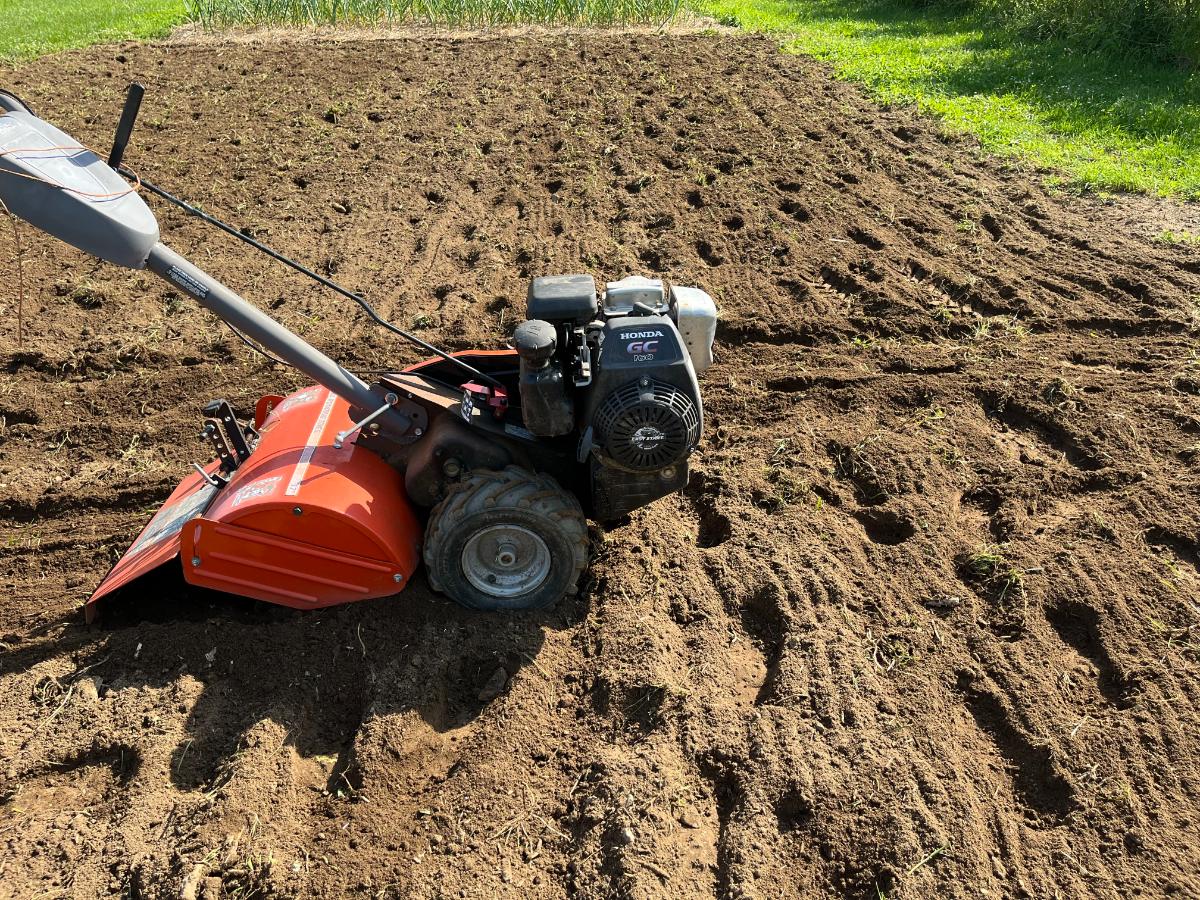
Mechanical tillers use engines to turn the soil faster. They save time and effort.
These tools are good for larger gardens or farms. They can till deeper and wider areas.
- Rototiller:Uses rotating blades to break soil.
- Rear-Tine Tiller:Has blades at the back for tough soil.
- Front-Tine Tiller:Blades are in front for light work.
- Cultivator:Smaller tool for mixing soil and removing weeds.
Preparing The Soil
Tilling soil before planting vegetables helps create a good environment for roots. It loosens the soil and mixes nutrients evenly.
Good soil preparation improves water drainage and air flow. This helps plants grow healthy and strong.
Clearing Debris
Remove sticks, rocks, and old plants from the garden area. These can block root growth and make tilling harder.
Clear debris before you start tilling. It helps the soil stay loose and ready for planting.
- Pick up sticks and branches
- Remove rocks that are bigger than a fist
- Clear away old roots and plant parts
- Dispose of weeds to prevent regrowth
Testing Soil Health
Test your soil to check its nutrients and pH level. Healthy soil helps vegetables grow well.
You can use a home test kit or send soil samples to a lab. The results tell you if the soil needs fertilizer or lime.
- Collect soil from different parts of your garden
- Mix the samples for a good average
- Use a soil test kit or lab service
- Follow recommendations for nutrient adjustments
Tilling Techniques
Tilling soil is important before planting vegetables. It helps prepare the ground for seeds and roots.
Good tilling improves soil texture and allows air and water to reach plants easily.
Depth And Frequency
Till the soil to a depth of 6 to 8 inches. This loosens the soil without harming its structure.
Do not till too often. Tilling once or twice before planting is enough for most gardens.
- Remove weeds and debris before tilling.
- Till the soil evenly to the right depth.
- Allow soil to rest for a few days after tilling.
- Water the soil lightly if it feels dry.
Avoiding Over-tilling
Over-tilling can damage soil health and reduce its fertility. It breaks down soil structure and kills helpful organisms.
| Effect | Cause | Solution |
| Soil compaction | Too many passes with the tiller | Till only when needed, avoid wet soil |
| Loss of nutrients | Excessive disturbance of soil layers | Add compost and organic matter |
| Reduced earthworm activity | Frequent deep tilling | Minimize tilling frequency |
Credit: www.gardeningknowhow.com
After Tilling Care
After you till the soil, it’s important to take care of it properly. This ensures that your vegetable garden will thrive.
Proper care after tilling helps the soil retain nutrients and moisture. This makes a big difference in plant growth.
Leveling And Raking
Leveling and raking your soil is a simple but crucial step. It prepares the ground for planting and ensures even growth.
- Use a rake to break up large clumps of soil
- Smooth the surface by dragging the rake lightly
- Check for rocks or debris and remove them
Adding Amendments
Adding amendments enriches the soil, providing essential nutrients for plants. This step is key to a successful vegetable garden.
| Amendment | Purpose |
| Compost | Improves soil structure |
| Manure | Adds organic matter |
| Peat moss | Increases water retention |
Common Mistakes To Avoid
Tilling soil is an important step before planting vegetables. It helps to prepare the ground for healthy growth. Yet, many gardeners make mistakes that can affect their crops.
Avoid these common errors to ensure your vegetable garden thrives. Proper preparation can make a big difference in the success of your plants.
Tilling When Soil Is Too Wet
Tilling wet soil can cause clumps and compaction. This makes it hard for roots to grow. Wait until the soil is dry enough to crumble easily.
- Check soil moisture by squeezing a handful.
- If water drips, it’s too wet to till.
- Wait for a few sunny days to dry the soil.
Ignoring Soil Health
Healthy soil supports strong plants. Testing soil and adding nutrients is crucial. Ignoring this step can lead to poor plant growth.
| Soil Element | Importance |
| Nitrogen | Leaf growth |
| Phosphorus | Root development |
| Potassium | Overall health |
Over-tilling The Soil
Excessive tilling can damage soil structure. It disrupts the natural ecosystem. Turn the soil just enough to loosen it for planting.

Credit: homegrown-garden.com
Frequently Asked Questions
What Is The Best Time To Till Soil Before Planting?
The best time to till soil is when it is moist but not wet. This allows easy turning and prevents soil compaction. Early spring or late fall are ideal for tilling before planting vegetables.
How Deep Should I Till Soil For Vegetable Planting?
Till soil to a depth of 6 to 8 inches. This depth loosens the soil, improves aeration, and helps roots grow better. Avoid over-tilling, which can damage soil structure.
Should I Add Compost Before Or After Tilling Soil?
Add compost before tilling to mix it evenly into the soil. This enriches the soil with nutrients and improves texture, making it ideal for vegetable growth.
Can I Till Soil If It’s Too Wet Or Dry?
Avoid tilling soil when it’s too wet or dry. Wet soil clumps and compacts, while dry soil becomes hard and dusty. Wait for moist soil for best results.
Conclusion
Tilling soil helps prepare your garden for healthy vegetable growth. It loosens the soil and improves air and water flow. Removing weeds and breaking clumps makes planting easier. Always till carefully to avoid damaging the soil structure. Use the right tools to save time and effort.
Remember, healthy soil leads to stronger plants and better harvests. Start tilling early to give your vegetables the best start. Simple steps can make a big difference in your garden’s success. Keep your soil ready, and enjoy growing fresh vegetables at home.
