

Are you aerating your lawn but not seeing the results you hoped for? You might be making some common aeration mistakes without even realizing it.
These errors can waste your time and money, leaving your grass struggling instead of thriving. You’ll discover the key pitfalls to avoid so your lawn gets the deep, healthy breath it needs. Keep reading to learn how to make your aeration efforts truly effective and watch your lawn transform before your eyes.

Credit: lawnchick.com
Choosing The Wrong Time
Aeration helps your lawn grow strong and healthy. Picking the wrong time to aerate can hurt your grass. It is important to know when to aerate for the best results.
Understanding seasonal changes and weather conditions can guide you to choose the right time. This avoids damage and improves lawn health.
Seasonal Impact On Aeration
Different seasons affect your lawn in many ways. Aerating at the wrong season can stress the grass or slow recovery. Cool-season grasses do best with aeration in early fall or spring. Warm-season grasses recover better in late spring or early summer.
- Aerate cool-season grass in early fall or spring.
- Aerate warm-season grass in late spring or early summer.
- Avoid aeration during dormancy in winter.
- Do not aerate during heavy growth periods to prevent stress.
Weather Considerations
Weather plays a big role in aeration success. Aerate when soil is moist but not wet. Dry soil can be hard to penetrate. Wet soil can cause compaction and damage.
| Weather Condition | Impact on Aeration | Recommendation |
| Dry Soil | Hard to aerate, less effective | Water lawn 1-2 days before aeration |
| Wet Soil | Soil compacts, damages roots | Wait for soil to dry before aerating |
| Extreme Heat | Stresses grass, slow recovery | Avoid aeration during heat waves |
| Cold Weather | Grass dormant, slow growth | Aerate before frost or after thaw |
Credit: www.housedigest.com
Ignoring Soil Type
Soil type is a key factor in lawn aeration. Different soils need different care. Ignoring soil type can harm your lawn.
Understanding your soil helps you pick the right aeration method. This keeps the lawn healthy and growing strong.
Clay Vs. Sandy Soils
Clay and sandy soils behave very differently. Clay soil holds water but drains slowly. Sandy soil drains quickly but holds less water.
| Soil Type | Water Retention | Drainage | Aeration Needs |
| Clay | High | Slow | More frequent, deep aeration |
| Sandy | Low | Fast | Less frequent, shallow aeration |
Adjusting Aeration Techniques
Adjust your aeration based on your soil. Use the right tools and timing to avoid damage.
- Test your soil type before aeration
- Use core aerators for clay soils
- Choose spike aerators for sandy soils
- Aerate clay soils in spring or fall
- Aerate sandy soils lightly and less often
Over-aerating Your Lawn
Aeration helps grass roots get air, water, and nutrients. But too much aeration can harm your lawn. It can cause stress and damage to grass.
Knowing when and how often to aerate is key. Avoid these common mistakes to keep your lawn healthy.
Signs Of Excess Aeration
Too much aeration shows in several ways. Watch for these signs to protect your lawn.
- Thin, patchy grass growth
- Soil that stays wet or soggy
- More weeds growing than usual
- Brown or yellow spots on the lawn
- Soil compaction returns quickly
Balancing Frequency And Need
Match aeration frequency to your lawn’s needs. Different grass types and soil affect how often to aerate.
| Grass Type | Recommended Aeration | Notes |
| Bermuda | Once a year | Best in spring or early summer |
| Fescue | Every 1-2 years | Late summer or early fall |
| Bluegrass | Once a year | Early fall is ideal |
| Clay Soil | More often | May need aeration twice a year |
Using Improper Equipment
Using the wrong tools for lawn aeration can harm your grass and soil. It is important to pick the right equipment for effective results.
This guide looks at common mistakes made by choosing improper aeration tools. Understanding the differences can save time and effort.
Core Aerators Vs. Spike Aerators
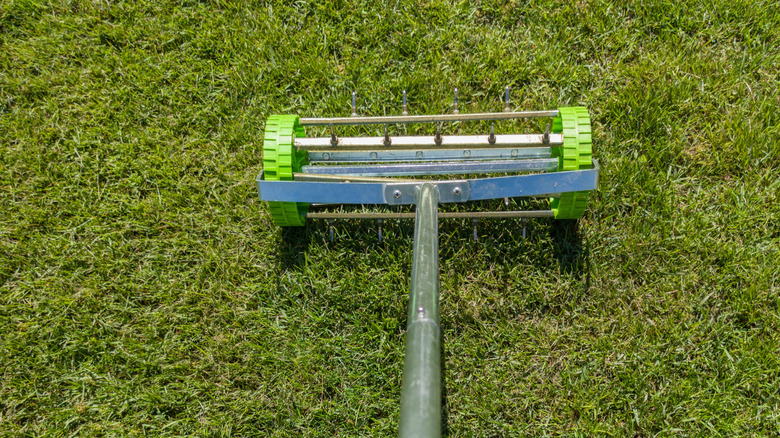
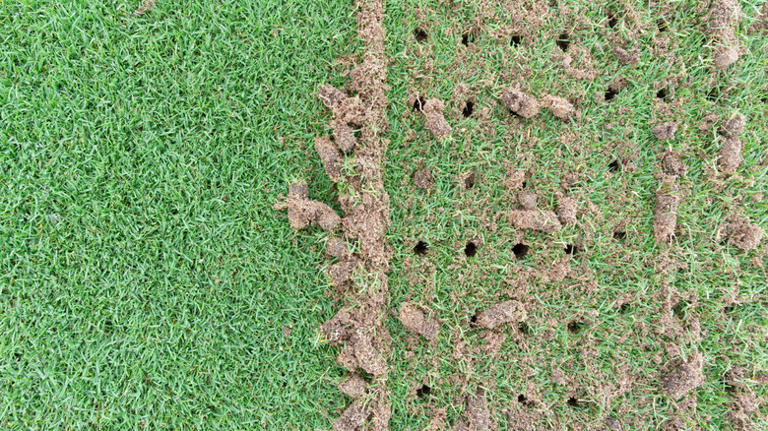
Core aerators remove small plugs of soil, allowing air and water to reach roots. Spike aerators poke holes by pushing into the ground without removing soil.
- Core aerators improve soil health by reducing compaction.
- Spike aerators can make compaction worse in heavy soils.
- Core aerators work better for lawns with thick thatch layers.
- Spike aerators are easier to use but may not be as effective.
Renting Vs. Buying Tools
Deciding to rent or buy aeration equipment depends on your lawn size and budget. Renting suits occasional use, while buying fits frequent needs.
| Factor | Renting | Buying |
| Cost | Lower upfront expense | Higher initial investment |
| Usage Frequency | Best for one-time or rare use | Good for regular aeration |
| Tool Condition | May vary, used by others | New or well-maintained tools |
| Convenience | Must pick up and return | Available any time |
Skipping Lawn Preparation
A healthy lawn needs preparation before aeration. Skipping this step can harm your grass. Preparing your lawn helps the aerator work better.
Proper preparation improves soil health. It allows nutrients to reach the roots. Let’s explore some key preparation steps.
Mowing Before Aeration
Mowing the lawn before aeration is important. Short grass makes it easier for the aerator to reach the soil. It also prevents the machine from getting clogged.
Keep your lawn at a medium length. This helps the aerator perform efficiently. Regular mowing ensures better aeration results.
- Mow the lawn to a medium height
- Avoid mowing too short
- Clear grass clippings after mowing
Watering For Better Results
Watering the lawn before aeration is crucial. Moist soil is easier to penetrate. It helps the aerator create deeper holes.
Water the lawn a day before aeration. This ensures the soil is soft and ready. Proper watering leads to effective aeration.
- Water the lawn a day in advance
- Ensure soil is moist but not soggy
- Avoid watering right before aeration
Credit: www.msn.com
Neglecting Post-aeration Care
Many people aerate their lawns but forget the care needed afterward. This can reduce the benefits of aeration. Proper post-aeration care helps grass grow strong and healthy.
Without good care, the soil may stay compacted or dry. This makes it hard for grass roots to get air, water, and nutrients.
Fertilizing After Aeration
Fertilizing your lawn after aeration helps feed the grass and speeds up recovery. The holes made by aeration let fertilizer reach deep into the soil. Use a slow-release fertilizer to avoid burning the grass.
- Apply fertilizer within 48 hours after aeration
- Choose a fertilizer with nitrogen, phosphorus, and potassium
- Water the lawn lightly after fertilizing to help absorption
- Follow the recommended amount on the fertilizer package
Seeding And Watering Tips
Seeding after aeration is a great way to fill bare spots. The aeration holes provide a good place for seeds to grow. Watering correctly is key to help seeds sprout and grow strong roots.
| Task | Tip |
| Seeding | Spread seed evenly over aerated areas |
| Watering | Water lightly twice a day to keep soil moist |
| Watering Duration | Continue watering daily until grass is 2 inches tall |
| Avoid | Do not overwater to prevent seed washout |
Ignoring Lawn Thatch
Lawn thatch is a layer of dead grass and roots. It builds up between the soil and the grass blades. Ignoring lawn thatch can cause problems for your lawn health. It blocks water, nutrients, and air from reaching the roots.
When you aerate without dealing with thatch, you waste effort. Aeration becomes less effective, and your grass might struggle to grow. Understanding thatch and how to manage it is vital for a healthy lawn.
Thatch Removal Methods
Removing thatch helps your lawn breathe better. There are a few methods you can use to get rid of it.
- Manual raking is a simple way. Use a rake to pull up the dead layer.
- Power rakes are machines that work faster and deeper than hand rakes.
- Core aerators pull small plugs of soil and thatch out of the lawn.
Impact On Aeration Effectiveness
Ignoring thatch affects how well aeration works. When thatch is thick, it blocks air and water. Aeration becomes less useful because the plugs may not reach the soil.
Removing thatch before aerating makes a big difference. It allows the aerator to reach the roots. This means your lawn gets the full benefits of aeration.
- Better water absorption
- Improved nutrient uptake
- Healthier grass growth
Aerating Inappropriate Lawn Types
Aeration helps lawns breathe and grow better. But not all lawns need aeration. Aerating the wrong lawn type can harm it instead of helping.
Knowing your lawn type and its health is key. Avoid common mistakes by aerating only when needed.
Cool-season Vs. Warm-season Grasses
Cool-season and warm-season grasses have different needs. Aerate at the wrong time for your grass type, and the lawn may suffer.
- Cool-season grassesgrow best in spring and fall. Aerate in early fall or spring to avoid stress.
- Warm-season grassesgrow in summer. Aerate late spring or early summer to support growth.
- Aerating cool-season grass in hot summer can cause damage.
- Aerating warm-season grass in cold months slows recovery.
Lawn Health Assessment
Assess your lawn health before aerating. Aerating a healthy lawn may do more harm than good.
| Condition | Aeration Needed? |
| Compacted soil | Yes |
| Thin grass coverage | Yes |
| Healthy, thick lawn | No |
| Excessive thatch layer | Yes |
| Wet or soggy soil | No |
Frequently Asked Questions
What Are Common Aeration Mistakes To Avoid?
Common mistakes include over-aerating, aerating wet soil, and using wrong equipment. Avoid these to improve soil health and lawn growth effectively.
How Often Should I Aerate My Lawn Properly?
Aerate your lawn once or twice a year, ideally during growing seasons like spring or fall. Avoid excessive aeration to prevent soil damage.
Can Aeration Harm My Lawn If Done Incorrectly?
Yes, improper aeration can damage roots, compact soil, and stress grass. Follow proper timing, technique, and equipment use to protect your lawn.
Why Is Aerating Wet Soil A Bad Idea?
Aerating wet soil can cause compaction instead of relieving it. Always aerate when soil is moist but not soggy for best results.
Conclusion
Avoiding common aeration mistakes helps your lawn stay healthy and green. Use the right tools and follow proper timing for best results. Don’t aerate too often or too deep, as it can harm roots. Keep your soil moist but not wet before aeration.
Remember, regular care leads to strong grass and fewer problems. Small efforts bring big rewards in lawn health. Keep these tips in mind for a lush, beautiful yard year-round.
