
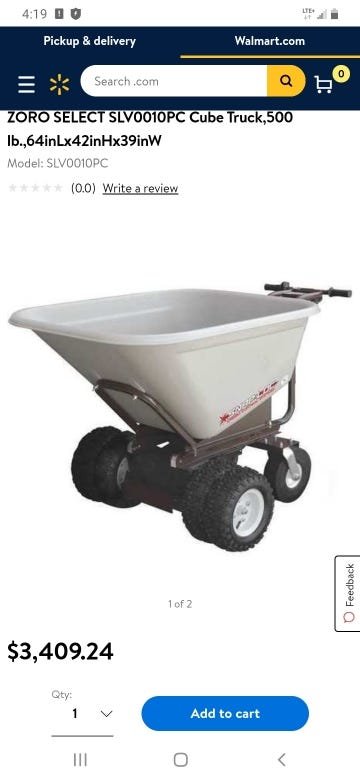
Choosing the right wheelbarrow for sandy soil can make your work easier and faster. If you’ve ever struggled to move heavy loads across loose sand, you know how frustrating it can be.
But don’t worry—this guide will help you pick the perfect wheelbarrow that glides smoothly without sinking or tipping over. By the end of this article, you’ll know exactly what features to look for to save your energy and get the job done right.
Keep reading to discover simple tips that can transform your gardening or construction tasks.
Key Features For Sandy Soil
Choosing the right wheelbarrow helps you work better in sandy soil. Sandy soil is loose and can be hard to move through.
You need a wheelbarrow that handles the soil type well. This guide explains what to look for in a wheelbarrow for sandy soil.
Wheel Types And Sizes
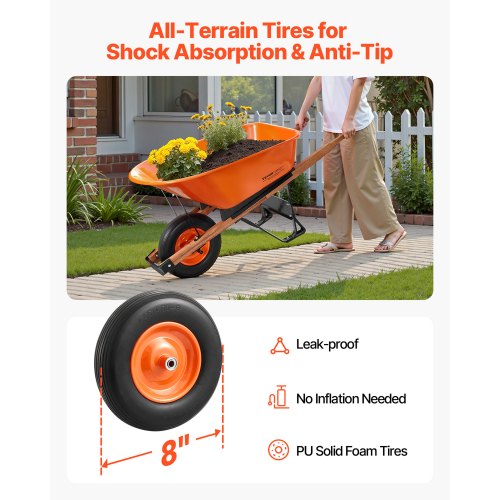
Wide wheels work best on sandy soil. They spread the load and stop the wheelbarrow from sinking.
Look for wheels made from durable materials that resist wear and tear. Pneumatic tires with thick treads are a good choice.
- Wide wheel helps float on sand
- Pneumatic tires give better grip
- Larger diameter wheels roll easier
- Solid tires need less maintenance
Frame Materials
The frame should be strong and rust-resistant. Sandy soil can carry moisture that may cause rust.
Steel frames are strong but may rust without proper coating. Aluminum frames are light and resist rust well.
- Steel frames for strength
- Aluminum frames resist rust
- Coated frames last longer
Load Capacity
Choose a load capacity that fits your work needs. Sandy soil can be heavy when wet.
Do not overload the wheelbarrow. A medium to high load capacity helps carry larger loads safely.
- Check maximum weight limit
- Choose capacity for your tasks
- Balance load to avoid tipping
Handle Design
Handles should provide a good grip and comfort. You will push the wheelbarrow on loose sand, which needs control.
Look for handles that reduce strain and offer firm hold. Wood and rubber grips work well for comfort.
- Ergonomic handles reduce fatigue
- Rubber grips prevent slipping
- Wood handles absorb shock

Credit: www.amazon.com
Benefits Of Pneumatic Tires
Pneumatic tires are filled with air. They offer many benefits for wheelbarrows in sandy soil.
These tires improve how the wheelbarrow moves and handles rough ground.
Traction And Stability
Pneumatic tires provide better grip on loose sand. They prevent slipping and sliding.
- Soft surface grip improves
- Less chance of tipping over
- Better control when carrying loads
Shock Absorption
Air inside the tires acts like a cushion. It absorbs shocks from bumps and rocks.
| Feature | Benefit |
| Inflated air | Reduces jolts to the load |
| Flexible tire walls | Protects wheelbarrow structure |
| Soft impact | Makes work easier on rough soil |
Ease Of Maneuvering
These tires roll smoothly over sand. They need less effort to push or pull.
- Move faster with less force
- Turn easily around corners
- Handle uneven ground well
Choosing The Right Size
Choosing the right wheelbarrow size is important for working in sandy soil. The size affects how easy it is to move and how much sand you can carry.
A wheelbarrow that is too big can be hard to push in sand. Too small means more trips and more work. Find a size that fits your needs.
Balancing Capacity And Weight
Wheelbarrows with large capacity hold more sand but get heavy fast. Heavy loads make pushing in sandy soil tough.
Choose a wheelbarrow with enough space for your work but not too heavy when full. A medium size often works best.
- Large tubs carry more but are heavier
- Smaller tubs are lighter but need more trips
- Balance size with how strong you are
Suitability For Terrain
Sandy soil makes wheelbarrow use harder. The wheel type and size affect how well you can move in sand.
Choose a wheelbarrow with wide, thick tires. They spread the weight and stop sinking in sand. Narrow tires get stuck.
- Wide tires improve stability
- Inflated tires help roll over soft sand
- Check tire size to match sandy ground
Durability And Maintenance
Choosing a wheelbarrow for sandy soil means picking one that lasts long. Durability helps you work without frequent repairs.
Good maintenance keeps your wheelbarrow in top shape. It saves money and effort over time.
Rust-resistant Materials
Wheelbarrows made from rust-resistant materials last longer in sandy soil. Sand can cause metal to wear down fast.
Look for wheelbarrows with steel treated against rust. Aluminum and plastic parts also resist rust well.
- Galvanized steel frames resist corrosion
- Powder-coated metal prevents rust
- Plastic tubs avoid rust and are light
- Aluminum parts do not rust easily
Tire Maintenance Tips
Good tire care keeps your wheelbarrow moving smoothly on sandy soil. Check tires often for damage or low air.
Proper tire pressure helps prevent flats and makes pushing easier. Clean tires after use to remove sand and dirt.
- Inflate tires to the recommended pressure
- Inspect tires for cracks or holes
- Remove sand and debris after each use
- Store wheelbarrow in a dry place
Additional Features To Consider
Choosing the right wheelbarrow for sandy soil means looking beyond basic features. Some extra options can make your work easier and more efficient.
These additional features improve comfort, storage, and usability. They help you get more done with less effort.
Foldable Designs
Foldable wheelbarrows save space when not in use. They are easy to store in small sheds or garages. Folding models also make transport simpler.
- Compact storage
- Easy to carry in vehicles
- Quick setup and folding
- Suitable for small gardens or tight spaces
Ergonomic Handles
Ergonomic handles reduce strain on your hands and wrists. They provide a better grip, especially on rough terrain like sandy soil.
| Handle Type | Benefit |
| Rubber-coated | Non-slip grip |
| Curved shape | Better control and comfort |
| Adjustable length | Fits different user heights |
Multi-purpose Use
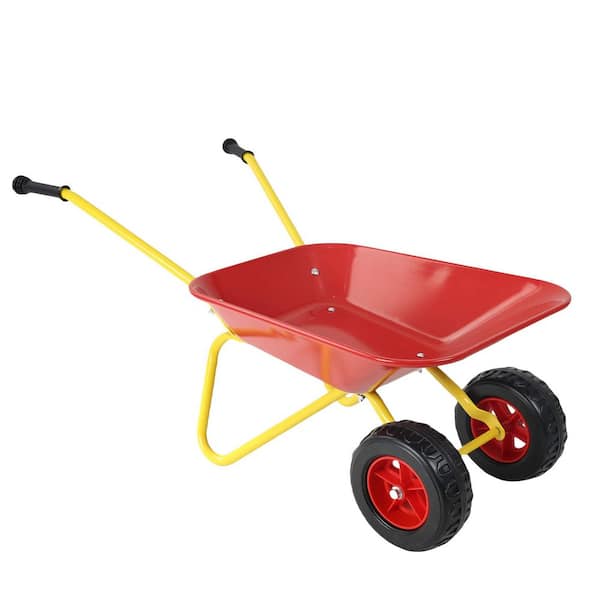
A multi-purpose wheelbarrow can handle more than just soil. Look for models that can carry tools, plants, or debris easily.
Common multi-purpose features include:
- Removable trays or baskets
- Hooks or holders for tools
- Flat surfaces for stacking materials
- Durable frames for heavy loads
Credit: www.homedepot.com
Credit: eur.vevor.com
Frequently Asked Questions
What Wheelbarrow Type Suits Sandy Soil Best?
A wheelbarrow with a pneumatic tire works best in sandy soil. It offers better traction and absorbs shocks. This type prevents sinking and eases movement on loose sand, making your work more efficient and less tiring.
How Important Is The Wheelbarrow’s Tire For Sandy Soil?
The tire is crucial for sandy soil. A wide pneumatic tire distributes weight evenly and prevents sinking. It also improves stability and maneuverability on loose surfaces, reducing effort and enhancing control during your tasks.
Should I Choose A Single Or Dual Wheel Wheelbarrow?
Single-wheel wheelbarrows offer better maneuverability on sandy soil. They allow easier turning and navigation in tight spaces. However, dual wheels provide more stability but may sink in loose sand, making single wheels generally preferable for sandy conditions.
What Material Is Best For Wheelbarrow Trays On Sandy Soil?
Steel trays are best for durability and heavy loads. They resist wear and damage from sand and debris. Plastic trays are lighter but less durable. For sandy soil, a sturdy steel tray ensures long-lasting performance and reliability.
Conclusion
Choosing the right wheelbarrow makes work in sandy soil easier. Pick one with a wide, sturdy tire to avoid sinking. A lightweight frame helps you move loads without strain. Balance and size matter for comfort and control. Think about how often and what you will carry.
The right wheelbarrow saves time and energy every day. Keep these points in mind to find the best fit. Your tasks will become smoother and less tiring. Simple choices lead to better results in sandy soil.
