
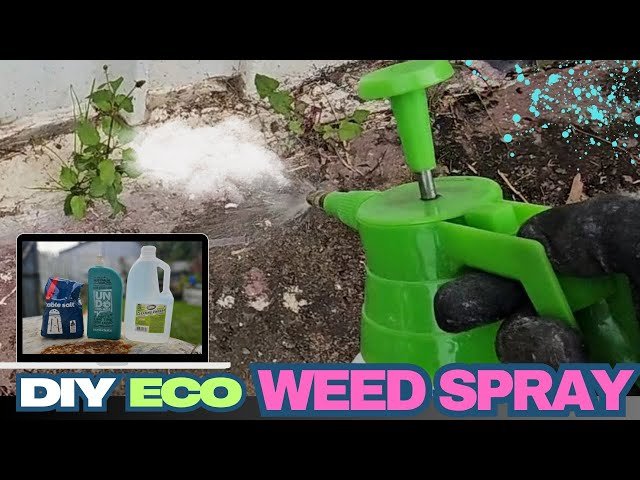
If you want to keep your garden free of stubborn weeds, knowing how to mix weed killer for your pump sprayer is key. Getting the right mix ensures your spray works effectively without wasting product or harming your plants.
In this guide, you’ll learn simple steps to prepare your weed killer safely and correctly. By the end, you’ll feel confident tackling those pesky weeds with the perfect spray every time. Ready to make your garden weed-free? Let’s dive in!
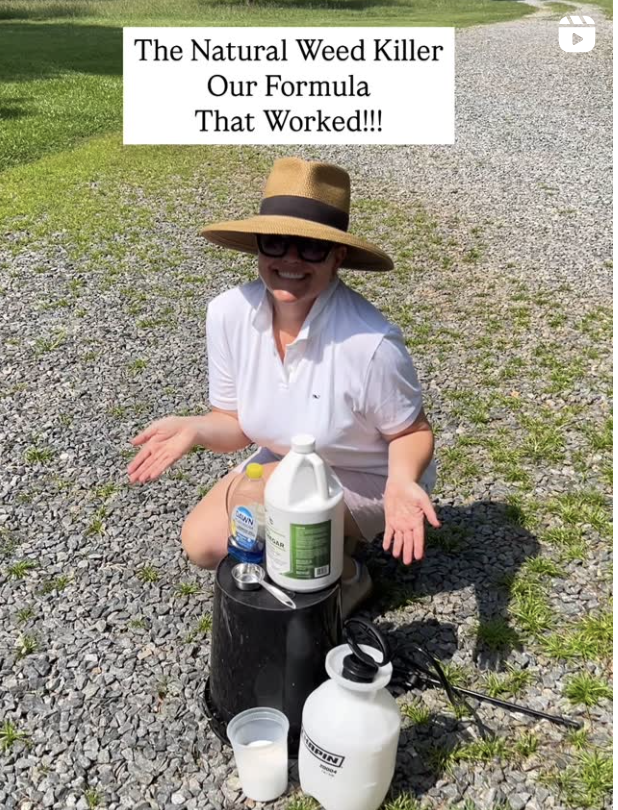
Credit: www.carmenjohnstongardens.com
Choosing The Right Weed Killer
Mixing the right weed killer for your pump sprayer starts with choosing the right product. Not all weed killers work the same on every type of weed.
Selecting the correct weed killer helps you get rid of weeds quickly and safely. It also protects your plants and lawn.
Types Of Weed Killers
There are two main types of weed killers: selective and non-selective. Selective weed killers target specific weeds without harming grass or flowers.
Non-selective weed killers kill all plants they touch. They are best for clearing driveways or patios.
- Selective weed killers:Kill broadleaf or grassy weeds in lawns.
- Non-selective weed killers:Kill all plants, used for hard surfaces.
- Pre-emergent weed killers:Stop weed seeds from growing.
- Post-emergent weed killers:Kill visible weeds.
Selecting Based On Weed Type
Identify the weed type before choosing a weed killer. Different weed killers work on different weeds.
For example, use a broadleaf weed killer for dandelions. Use a grass killer for crabgrass.
- Broadleaf weeds: Use selective herbicides that target broadleaf plants.
- Grassy weeds: Use herbicides designed to kill grasses.
- Mixed weeds: Use a combination or a non-selective herbicide carefully.
Safety Considerations
Always follow safety guidelines when mixing and using weed killers. Wear gloves and protective clothing.
Keep children and pets away from treated areas until dry. Store weed killers out of reach and in original containers.
- Wear gloves and eye protection.
- Read and follow label instructions carefully.
- Mix in a well-ventilated area.
- Keep away from water sources to prevent contamination.
- Dispose of leftover mixture safely.
Preparing Your Pump Sprayer
Preparing your pump sprayer is important before mixing weed killer. This helps the sprayer work well and last longer.
Follow these steps to get your sprayer ready for use. Proper care ensures safety and good results.
Cleaning The Sprayer
Clean the sprayer before mixing any weed killer. Old chemicals can mix and cause problems.
Rinse the tank with water and spray some clean water through the nozzle. This clears any leftover residues.
- Empty any old liquid from the tank
- Fill with clean water halfway
- Shake the sprayer gently
- Spray water through the nozzle
- Repeat if needed until clear
Checking For Leaks
Check the sprayer for leaks before use. Leaks waste chemicals and can cause harm.
Look at the tank, hose, and nozzle. Pressurize the sprayer and watch for drips or wet spots.
- Fill the tank with water
- Close the lid tightly
- Pump to build pressure
- Check all connections for leaks
- Tighten or replace parts if needed
Calibrating The Sprayer
Calibrate your sprayer to apply the right amount of weed killer. This helps protect plants and saves chemicals.
Measure how much liquid the sprayer releases in a set time. Adjust the nozzle or pump speed to get the correct flow.
- Fill the tank with water
- Spray into a container for 1 minute
- Measure the water collected
- Compare to the recommended rate
- Adjust nozzle or pump as needed
Measuring The Weed Killer
Measuring weed killer correctly keeps your plants safe. It also helps the spray work well. Use the right tools and follow the label.
Mixing the right amount saves money and protects the environment. Be careful with every step to get the best results.
Reading Label Instructions
The label has all the details you need to mix weed killer. It tells you how much to use and how to mix it. Always read it before starting.
- Check the amount of weed killer per gallon of water.
- Note any safety warnings and wear protective gear.
- Look for special mixing instructions or dilution ratios.
- Follow the recommended spray timing and conditions.
Using Accurate Measuring Tools
Use tools that measure liquids well to avoid mistakes. Avoid guessing or using cups without marks. Precision matters for safety and effectiveness.
- Use a measuring cup or jug with clear marks.
- Use a syringe or small measuring tool for tiny amounts.
- Clean tools before and after use to avoid contamination.
- Use the same tool every time for consistent results.
Mixing Ratios Explained
Mixing ratios show how much weed killer to add to water. Ratios may look like 1:10 or 2:5. The first number is the weed killer, the second is water.
| Ratio | Meaning | Example |
| 1:10 | 1 part weed killer to 10 parts water | 100 ml weed killer + 1 liter water |
| 2:5 | 2 parts weed killer to 5 parts water | 200 ml weed killer + 500 ml water |
| 1:4 | 1 part weed killer to 4 parts water | 250 ml weed killer + 1 liter water |
Credit: affiliates.bloodstock.uk.com
Mixing The Solution
Mixing weed killer correctly is important for safe and effective use. Follow clear steps to prepare the solution in your pump sprayer.
This guide covers how to fill the sprayer, add weed killer safely, and mix the solution well.
Filling The Sprayer With Water
Start by filling the sprayer tank with clean water. Use the amount recommended on the weed killer label.
- Use fresh water for best results.
- Do not fill the tank completely; leave space for the weed killer.
- Measure the water carefully to match the mixing ratio.
Adding Weed Killer Safely
Always add weed killer concentrate to the water slowly. This helps prevent splashes and spills.
| Safety Tip | Action |
| Wear gloves | Protect your hands from chemicals |
| Add concentrate slowly | Pour weed killer carefully into water |
| Use measuring cup | Measure weed killer accurately |
| Close tank lid | Prevent leaks while mixing |
Stirring And Combining Properly
After adding weed killer, mix the solution well. Proper mixing ensures the spray works evenly.
- Close the sprayer lid tightly.
- Shake the sprayer gently for about one minute.
- Check if the solution looks uniform with no layers.
- Adjust mixing if needed by repeating the shaking.
Applying The Weed Killer
Applying weed killer with a pump sprayer is an effective way to control unwanted plants. Proper application helps protect your garden and lawn.
Use the right techniques to get good coverage without harming nearby plants or the environment.
Best Time For Application
Apply weed killer on calm days with no wind. This stops the spray from drifting to other plants.
Choose a dry day when no rain is expected for at least 24 hours. This lets the weed killer work well.
- Early morning or late afternoon is best
- Avoid hot midday sun to reduce evaporation
- Do not spray before rain or heavy dew
Spraying Techniques
Hold the sprayer nozzle close to the weeds for better control. Spray evenly to cover all leaves.
Move the sprayer slowly to avoid missing spots or applying too much in one area.
- Wear protective clothing and gloves
- Keep the sprayer nozzle steady and aimed at weeds
- Spray in a sweeping motion for even coverage
Avoiding Drift And Overuse
Do not spray on windy days to prevent drift. Drift can harm nearby plants and cause waste.
Use only the amount recommended on the label. Overuse can damage your lawn and the environment.
- Check wind speed before spraying (less than 5 mph is good)
- Do not spray near water sources
- Clean sprayer after use to avoid contamination
Cleaning Up After Use
Cleaning your pump sprayer after using weed killer is very important. It keeps the sprayer working well and safe for next use.
Proper cleanup also protects the environment and prevents harm to other plants or animals.
Emptying The Sprayer
Start by emptying all the leftover weed killer from the sprayer. Do this in a safe place, away from water sources and plants you do not want to harm.
Wear gloves and avoid spilling the solution on your skin or clothes.
Rinsing And Storing
Rinse the sprayer tank with clean water at least three times. Spray the rinse water on a safe area where weeds can absorb it.
After rinsing, let the sprayer dry completely. Store the sprayer in a cool, dry place away from sunlight and children.
- Rinse tank and hose thoroughly
- Spray rinse water on weeds, not flowers or vegetables
- Dry sprayer fully before storage
- Keep sprayer out of reach of children and pets
Disposing Of Leftover Solution
Do not pour leftover weed killer down drains or on the ground. Use it up by spraying on unwanted weeds if possible.
If you cannot use the leftover solution, check local rules for safe disposal. Many places have special hazardous waste collection sites.
- Never pour weed killer into water or soil
- Use leftover spray on target weeds only
- Follow local hazardous waste disposal rules
- Contact local waste centers if unsure
Troubleshooting Common Issues
Mixing weed killer for a pump sprayer can sometimes cause problems. Knowing how to fix common issues helps you spray better and save time.
This guide covers three usual problems: clogged nozzles, uneven spray, and sprayer malfunctions. Each section gives simple tips to fix them.
Clogged Nozzle Fixes
A clogged nozzle stops the spray or makes it uneven. Dirt, debris, or dried weed killer can block the nozzle holes.
Clean the nozzle by removing it and soaking it in warm water. Use a soft brush or toothpick to clear any blockages gently.
- Remove the nozzle from the sprayer.
- Soak it in warm water for 10-15 minutes.
- Use a soft brush or toothpick to clean holes.
- Rinse with clean water before reattaching.
- Test spray to check if flow is smooth.
Uneven Spray Coverage
Uneven spray coverage means some areas get too much weed killer, and others get too little. This can waste product and harm plants.
Check the nozzle spray pattern. Adjust the pressure and spray angle to get an even mist. Make sure to move the sprayer at a steady speed.
- Inspect the nozzle for damage or wear.
- Adjust the pump pressure to recommended levels.
- Hold the sprayer at the right height and angle.
- Move at a steady pace to cover all areas equally.
- Replace the nozzle if spray remains uneven.
Handling Sprayer Malfunctions
Sprayer malfunctions can include leaks, low pressure, or a pump that won’t work. These issues stop you from spraying properly.
Check all parts for cracks or loose connections. Clean filters and seals. Lubricate the pump if it feels stiff. Replace broken parts as needed.
- Inspect hose and tank for leaks or cracks.
- Tighten all fittings and connections.
- Clean or replace clogged filters.
- Lubricate pump seals and moving parts.
- Test pump pressure before use.
- Replace worn or broken components.

Credit: www.youtube.com
Frequently Asked Questions
How Do I Mix Weed Killer For A Pump Sprayer?
To mix weed killer, first read the label instructions. Measure the recommended amount of concentrate. Add it to the sprayer tank filled with water. Stir gently to mix evenly. Never exceed the suggested concentration for safety and effectiveness.
What Is The Best Water-to-weed Killer Ratio?
The ideal ratio depends on the product. Typically, mix one part weed killer with ten parts water. Always check the label for specific guidelines. Using the correct ratio ensures effective weed control without damaging plants or soil.
Can I Mix Different Weed Killers In One Sprayer?
It’s generally unsafe to mix different weed killers. Chemical reactions can reduce effectiveness or cause harm. Use only one type at a time. Always read product labels for compatibility and safety information.
How Much Weed Killer Should I Use Per Gallon?
Use the amount specified on the product label, usually between 1 to 4 ounces per gallon. Measuring accurately ensures safe application and avoids damage to desirable plants. Follow label instructions for best results.
Conclusion
Mixing weed killer for a pump sprayer can be simple. Follow the instructions carefully. Use the right measurements for safety and effectiveness. Always wear protective gear while mixing. Keep the solution away from children and pets. Clean the sprayer after use to prevent damage.
Remember, patience is key. Results may take time. Proper application ensures healthy plants. Regular maintenance is important. Happy gardening!
