
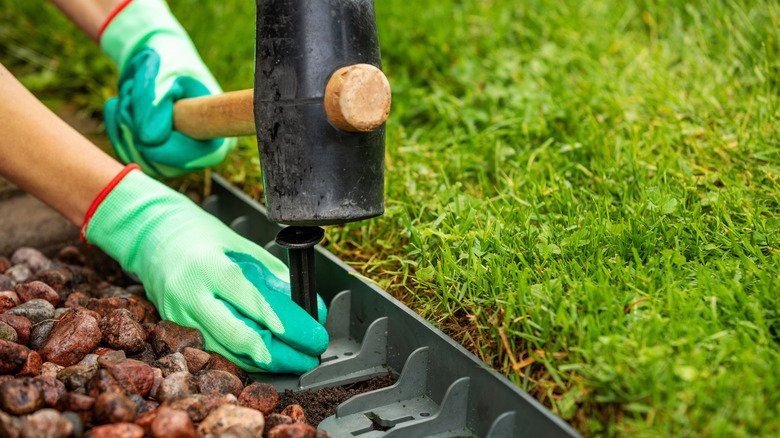
Are you tired of your lawn looking messy, even after you’ve put in the effort to edge it? You might be making some common mistakes that are holding your yard back from looking its best.
Edging your lawn can transform your outdoor space, giving it a clean and polished appearance. But if you’re not careful, these errors can damage your grass, waste your time, and leave you frustrated. Keep reading to discover the key mistakes you need to avoid to make sure your lawn edging looks sharp and professional every time.
Your perfect lawn starts with the right approach—let’s make sure you get it right!
Common Edging Errors
Edging your lawn improves its look and keeps grass tidy. Many people make mistakes that harm their lawn instead of helping.
Knowing common errors can save time and keep your lawn healthy. Avoid these mistakes to get clean, neat edges.
Cutting Too Deep
Cutting the soil too deep damages grass roots and nearby plants. Deep cuts also create uneven edges that are hard to fix.
- Use shallow cuts to protect roots.
- Keep edges smooth and even.
- Check the blade depth before starting.
Ignoring Soil Conditions
Soil type changes how you should edge. Hard soil needs different care than soft soil to avoid damage.
| Soil Type | Edging Tip |
| Clay | Use sharp tools to cut cleanly. |
| Sandy | Be gentle to stop soil from crumbling. |
| Loam | Edges are easier; maintain moisture. |
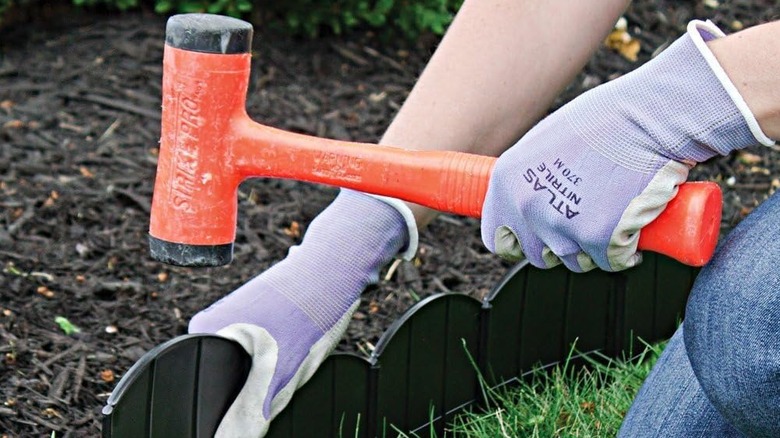
Using Dull Tools
Dull blades tear grass and make ugly edges. They also need more force and can cause injuries.
- Sharpen blades before each use.
- Replace worn-out tools quickly.
- Clean tools to keep them working well.
Credit: www.housedigest.com
Choosing The Right Tools
Edging your lawn gives it a clean and polished look. Using the right tools makes the job easier and better. Picking the wrong tools can waste your time and effort.
This guide helps you avoid mistakes by explaining how to choose the right lawn edger tools. It covers manual and powered edgers, blade types, and maintenance tips.
Manual Vs. Powered Edgers
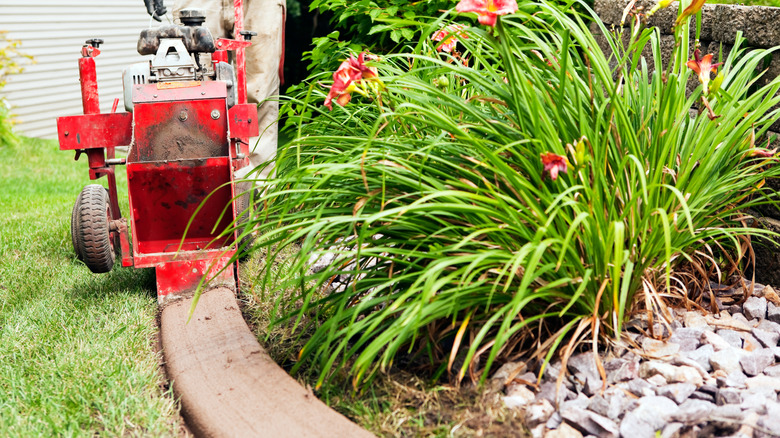
Manual edgers are simple tools that use your own strength. Powered edgers run on electricity or gas and do the work for you. Each type has good and bad points.
- Manual Edgers:Quiet and cheap but require more effort.
- Powered Edgers:Faster and easier but can be noisy and costly.
- Choose based on lawn size:Small lawns work well with manual edgers. Large lawns benefit from powered ones.
- Consider safety:Manual edgers have less risk. Powered edgers need careful handling.
Blade Types And Maintenance
Blades cut the grass edges cleanly. Different blade types fit different lawns. Keeping blades sharp and clean improves performance.
| Blade Type | Best For | Maintenance Tips |
|---|---|---|
| Steel Blades | Most lawns, durable | Sharpen often, clean after use |
| Plastic Blades | Light use, soft edges | Replace if cracked, clean dirt |
| Rotary Blades | Powered edgers, fast cutting | Check for damage, sharpen regularly |
| Fixed Blades | Manual edgers, precise cuts | Sharpen edges, avoid rust |
Proper Edging Techniques
Edging your lawn gives it a neat and tidy look. Using the right techniques helps avoid common mistakes.
Good edging keeps grass healthy and improves your yard’s appearance. Learn how to edge properly.
Creating Clean Lines
Clean lines make your lawn look sharp and well cared for. Use a steady hand and the right tool.
Keep the edging tool straight and move slowly along the edge. Avoid cutting into the grass too much.
- Use a string or garden hose to mark straight edges
- Hold the tool firmly for control
- Cut in small sections for better accuracy
Maintaining Consistent Depth
Keep the depth of your cut even to avoid damaging roots. Uneven depth can cause grass to die.
Set your edging tool to the right depth and check often. The soil line should be clear but not too deep.
- Aim for about 1 to 2 inches deep
- Adjust depth based on soil type
- Check edges regularly during edging
Handling Curves And Corners
Curves and corners need extra care for smooth edges. Take your time and use the right tool shape.
Slowly follow the curve with a rounded edging tool or hand tool. Avoid sharp cuts that break the shape.
- Use a half-moon edger for curves
- Make small cuts around corners
- Clean up edges with hand tools if needed
Credit: www.housedigest.com
Timing And Frequency
Edging your lawn helps keep it neat and healthy. Doing it at the right time and often enough is key. Avoid mistakes by learning when and how often to edge.
Proper timing keeps grass strong and prevents damage. Too much or too little edging can harm your lawn’s look and growth.
Best Time Of Day
Choose cooler parts of the day to edge your lawn. Early morning or late afternoon works best. Avoid midday when sun and heat stress grass.
- Early morning helps grass recover during the day.
- Late afternoon is cooler and less stressful.
- Midday heat can dry and damage grass edges.
Seasonal Considerations
Edging needs change with seasons. Grass grows faster in spring and summer. Slow growth happens in fall and winter. Adjust edging times accordingly.
| Season | Edging Frequency | Reason |
| Spring | Every 1-2 weeks | Grass grows quickly |
| Summer | Every 1-2 weeks | Active growth, but watch heat |
| Fall | Every 3-4 weeks | Slower growth |
| Winter | As needed | Grass dormancy |
How Often To Edge
Regular edging keeps borders sharp and clean. Too often can stress grass and soil. Too rare lets grass grow wild and messy.
- Edge every 1 to 2 weeks during growing seasons.
- Reduce to every 3 to 4 weeks in slow growth times.
- Watch your lawn’s health and adjust as needed.
- Stop edging if grass shows signs of damage.
Post-edging Care
Edging your lawn helps create clean lines and a neat look. After you edge, proper care keeps your lawn healthy and strong.
Taking time to care for your lawn after edging prevents damage and helps grass grow well.
Removing Debris
After edging, remove grass clippings and soil from the lawn and walkways. Debris can block sunlight and water from reaching grass.
Use a rake or leaf blower to clear the area gently. This keeps your lawn clean and healthy.
Preventing Grass Damage
Edging tools can hurt grass if used too roughly. Avoid cutting too deep or pulling up grass roots.
Work slowly near edges to protect grass and soil. This helps grass stay green and grow strong.
- Use sharp blades for clean cuts
- Do not overcut or dig deep
- Handle edges gently to avoid tearing
Watering And Fertilizing
After edging, water the lawn to help grass recover. Watering keeps soil moist and reduces stress on grass.
Apply fertilizer to support new growth. Use the right amount to avoid burning grass or plants.
- Water lawn deeply but not too often
- Choose fertilizer with balanced nutrients
- Follow product instructions carefully
Common Lawn Edge Problems
Lawn edging helps keep your yard neat and tidy. But mistakes can cause problems along the edges.
Knowing common lawn edge problems lets you fix them early. This keeps your lawn healthy and looking good.
Uneven Edges
Uneven edges happen when the lawn edge is not cut straight or the soil level changes. It makes the lawn look sloppy.
- Use a sharp edging tool for clean cuts.
- Mark the edge line with a string or spray paint.
- Check the soil level and add soil if needed.
- Edge your lawn regularly to keep a uniform shape.
Soil Erosion
Soil erosion near lawn edges can create gaps and expose roots. It often happens on slopes or after heavy rain.
| Cause | Effect | Solution |
| Heavy rain | Washes away soil | Install edging barriers |
| Steep slopes | Soil slides down | Plant ground covers |
| Improper watering | Soil dries and cracks | Water evenly and deeply |
Grass Dying Near Edges
Grass near the edge can die from damage or poor soil. It makes the border look patchy and bare.
Common reasons for dying grass near edges:
- Cutting grass too short or too close to the edge
- Using herbicides that damage grass roots
- Soil compaction from foot traffic
- Dry soil that does not hold moisture
Expert Tips For Lasting Edges
Edging your lawn gives it a neat and tidy look. It helps separate grass from flower beds or walkways. Avoid common mistakes to keep your edges sharp and lasting.
Good edging improves your lawn’s appearance and makes maintenance easier. Follow simple tips to get perfect edges every time.
Using Edging Materials
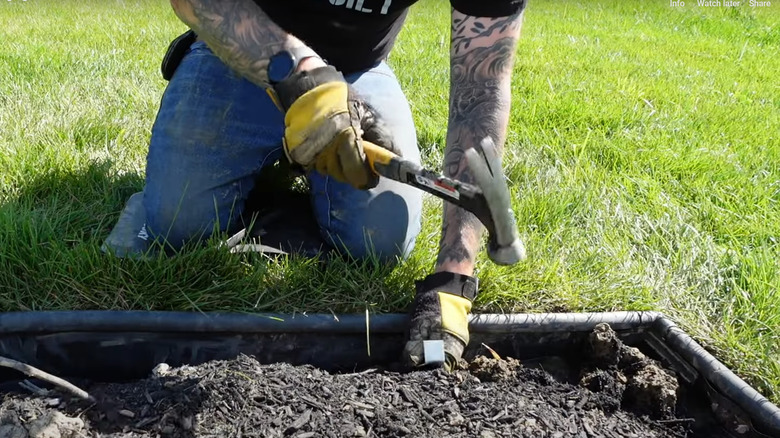
Choose the right edging material for your lawn type and style. Plastic, metal, stone, or brick all work differently. Pick one that fits your needs and budget.
Install materials carefully to avoid gaps or uneven lines. Secure edges firmly in the ground to prevent shifting over time.
- Measure the area before buying materials
- Dig a shallow trench for better placement
- Use stakes or spikes to hold edges in place
- Check that edges are level and straight
Regular Maintenance Routines
Keep your lawn edges looking fresh with regular care. Trim grass and remove weeds along the edge line. This prevents overgrowth and keeps borders defined.
Inspect edging materials often. Fix any damage or loose parts quickly to avoid bigger problems later.
- Trim edges weekly or biweekly
- Pull weeds by hand or use safe herbicides
- Check for cracks or breaks in edging materials
- Reposition or replace damaged sections promptly
Incorporating Landscape Design
Plan your lawn edges to match your overall landscape design. Curved edges can soften hard lines. Straight edges give a formal look.
Use edging to highlight flower beds, paths, or garden features. Choose colors and shapes that blend with your plants and outdoor style.
- Match edging style with garden theme
- Use curves for natural, flowing shapes
- Use straight lines for modern or formal layouts
- Combine materials for visual interest
Credit: www.housedigest.com
Frequently Asked Questions
What Common Mistakes Should I Avoid When Edging Lawns?
Avoid cutting too deeply, using dull tools, and edging when the ground is wet. These errors damage grass and soil, leading to poor lawn health.
How Often Should I Edge My Lawn For Best Results?
Edge your lawn every 2 to 3 weeks during the growing season. Frequent edging keeps clean borders and prevents grass overgrowth.
Can I Use Any Tool For Lawn Edging?
No, use sharp edging tools like spades or electric edgers. Proper tools ensure clean cuts and reduce damage to grass and soil.
Is Edging Necessary For Lawn Health?
Yes, edging improves lawn appearance and prevents grass from invading flower beds. It also promotes healthy growth by defining clear boundaries.
Conclusion
Avoiding common mistakes makes lawn edging easier and more effective. Stay patient while working. Practice makes perfect. Keep tools sharp and clean for best results. Always plan your edging path before starting. This saves time and effort. Clear debris for a clean, neat edge.
Consistency is key. Regular maintenance keeps your lawn looking great. Learn from mistakes and improve over time. With these tips, your lawn will look tidy and well-cared for. Enjoy the satisfaction of a beautifully edged lawn. Keep edging safe and simple.
Happy gardening!
