
If you’ve ever struggled to keep your lawn clean and tidy, you know how frustrating it can be—especially when your yard isn’t perfectly flat. You might be wondering, do lawn sweepers actually work on uneven ground?
This question matters because the right tool can save you time, effort, and even money. You’ll discover how lawn sweepers perform on bumpy lawns and what to look for to get the best results. Keep reading to find out if your uneven yard can finally get the clean, neat look you’ve been aiming for.
Credit: www.vevor.com
How Lawn Sweepers Operate
Lawn sweepers help collect leaves, grass clippings, and debris. They make yard cleanup easier and faster.
These tools work by using rotating brushes that sweep debris into a collection bag. This process depends on the sweeper’s design and the surface it moves over.
Basic Mechanism
Lawn sweepers have brushes that spin as the wheels turn. The rotation moves debris from the ground into a hopper or bag.
- Wheels roll over the lawn and turn gears.
- Gears spin brushes at a set speed.
- Brushes sweep leaves and grass clippings forward.
- Debris collects in a bag or container behind the brushes.
The brushes can adjust in height to handle different grass lengths and ground unevenness.
Types Of Lawn Sweepers
There are several types of lawn sweepers. Each works differently and suits different needs.
| Type | Power Source | Best For |
|---|---|---|
| Push Lawn Sweeper | Manual (wheel-powered) | Small to medium lawns |
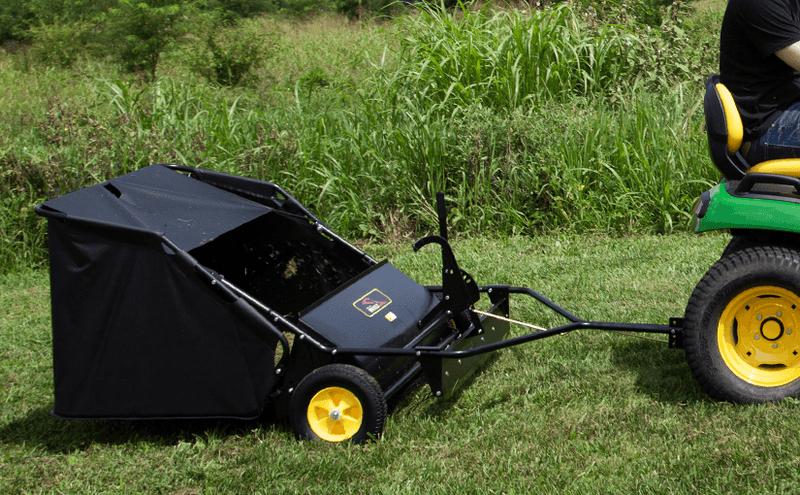
| Tow-Behind Sweeper | Tractor or ATV | Large areas and uneven ground |
| Powered Sweeper | Electric or gas motor | Medium lawns with heavy debris |
Credit: www.vevor.com
Challenges On Uneven Terrain
Using a lawn sweeper on uneven ground can be tricky. The bumps and dips affect how well the sweeper works.
It is important to understand the problems that uneven terrain can cause. This helps in choosing the right tool and method.
Common Ground Irregularities
Uneven ground often has several types of irregularities. These can make sweeping harder and less effective.
- Small bumps and mounds
- Holes and depressions
- Rocks and roots sticking out
- Slopes and uneven angles
Each of these irregularities can cause the sweeper brushes to miss debris or get stuck.
Impact On Sweeper Performance
Uneven terrain reduces the contact between the sweeper and the ground. This lowers the cleaning efficiency.
The sweeper may bounce or tilt, causing the brushes to skip leaves or grass clippings. This results in a less clean lawn.
- Brushes may fail to pick up all debris
- Wheels can slip or get stuck on bumps
- Uneven speed may cause uneven sweeping
- Extra effort needed to control the sweeper
Choosing The Right Sweeper
Lawn sweepers help clean leaves and grass clippings. They work best with smooth ground. Uneven ground can make sweeping tricky.
Picking the right sweeper is important for rough lawns. Some sweepers handle bumps and slopes better than others.
Features For Rough Surfaces
Sweepers for rough ground need strong wheels. Big, wide wheels move easier over bumps. Sturdy brushes pick up debris on uneven soil.
Look for sweepers with good ground clearance. This stops brushes from getting stuck on rocks or roots. A flexible frame helps the sweeper follow the ground shape.
- Large, durable wheels
- Strong, flexible brushes
- High ground clearance
- Flexible frame design
Adjustable Settings
Adjustable height helps sweepers work on uneven lawns. You can raise or lower the brushes to match the ground.
Some sweepers let you change brush speed. Slower speed works better on rough areas. Faster speed suits flat lawns.
- Adjust brush height
- Change brush speed
- Modify wheel tension
Techniques For Uneven Lawns
Lawn sweepers can help keep your yard clean, even if the ground is uneven. Using the right techniques makes sweeping easier and more effective.
Uneven lawns need special care to avoid damage and get the best results from your sweeper.
Optimal Sweeping Patterns
Choose sweeping patterns that follow the shape and slope of your lawn. This helps the sweeper stay stable and pick up debris better.
- Sweep along the natural contours of the lawn
- Use short, overlapping passes to cover bumps and dips
- Go slowly over rough patches to avoid missing debris
- Change direction with each sweep to catch hidden leaves
Maintenance Tips
Regular maintenance keeps your lawn sweeper working well on uneven ground. Check parts and clean debris often.
| Maintenance Task | Frequency | Details |
| Check wheels | Monthly | Look for wear or damage to keep smooth rolling |
| Empty debris container | After each use | Prevents clogging and improves performance |
| Clean brushes | Weekly | Remove twigs and grass to maintain sweeping power |
| Tighten bolts | Monthly | Prevents parts from loosening on rough terrain |
Alternative Tools For Rough Lawns
Lawn sweepers can struggle on uneven ground. This makes it hard to clean rough lawns well.
You can use other tools that work better on bumpy or rough surfaces. These tools help pick up leaves and debris without much trouble.
Rakes And Leaf Blowers
Rakes are simple tools that work well on uneven lawns. They do not need a flat surface. Leaf blowers use air to move leaves and grass clippings. They can reach places lawn sweepers miss.
- Rakes come in different shapes and sizes for various lawn types.
- Leaf blowers are electric or gas-powered for easy use.
- Both tools allow you to clean edges and corners easily.
- They do not get stuck on bumps or rocks.
Power Sweepers
Power sweepers use motorized brushes to clean lawns. They are stronger than manual sweepers. Some models handle uneven ground better than others.
| Power Sweeper Type | Best For | Works on Uneven Ground |
| Electric Power Sweeper | Small to medium lawns | Moderate bumps |
| Gas-Powered Sweeper | Large lawns | Rough and uneven areas |
| Manual Push Sweeper | Flat, even lawns | Not recommended |
Credit: www.vevor.com
Frequently Asked Questions
Do Lawn Sweepers Work Well On Uneven Ground?
Lawn sweepers can work on uneven ground, but performance varies. Small bumps are manageable, but large dips may reduce efficiency. Adjustable height settings help maintain contact with the surface. Choosing a quality sweeper designed for rough terrain improves results significantly.
How To Adjust Lawn Sweepers For Uneven Terrain?
Adjust the height settings to match ground irregularities. Most sweepers have adjustable brushes or wheels. Raise or lower components to avoid ground scraping. Proper adjustment ensures better debris pickup and reduces wear on the sweeper.
Are Lawn Sweepers Effective On Sloped Lawns?
Lawn sweepers can work on gentle slopes but may struggle on steep inclines. Movement might be uneven, causing missed debris. Using a sweeper with sturdy wheels and good traction helps maintain control and efficiency on slopes.
What Types Of Lawn Sweepers Suit Uneven Lawns?
Pick lawn sweepers with large, rugged wheels and adjustable brushes. Tow-behind models often handle uneven terrain better than push types. Models with flexible brush systems adapt well to surface changes, improving debris collection on rough ground.
Conclusion
Lawn sweepers can work effectively on uneven ground. Choose a model suited for your terrain. Look for adjustable height settings. This helps with different ground levels. Regular maintenance keeps your sweeper in top condition. Keep an eye on wheels and brushes.
They wear out faster on rough surfaces. Test and adjust as needed for best results. Remember, practice makes perfect. With the right approach, your lawn will look tidy. A clean, debris-free lawn is possible. Enjoy a beautiful outdoor space with less effort.
