
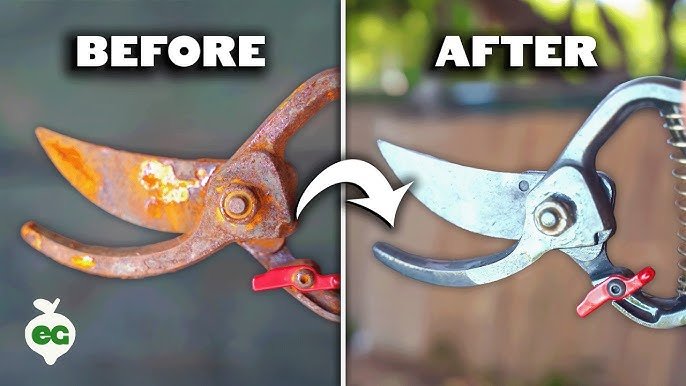
If you want your pruning shears to work smoothly and last longer, knowing how often to oil them is key. You might think it’s a small task, but skipping this simple step can lead to rusty blades and tough cuts.
Imagine grabbing your shears and feeling them glide effortlessly through branches every time. You’ll discover the perfect timing and easy tips to keep your pruning shears in top shape. Keep reading, and you’ll never struggle with sticky, dull tools again.
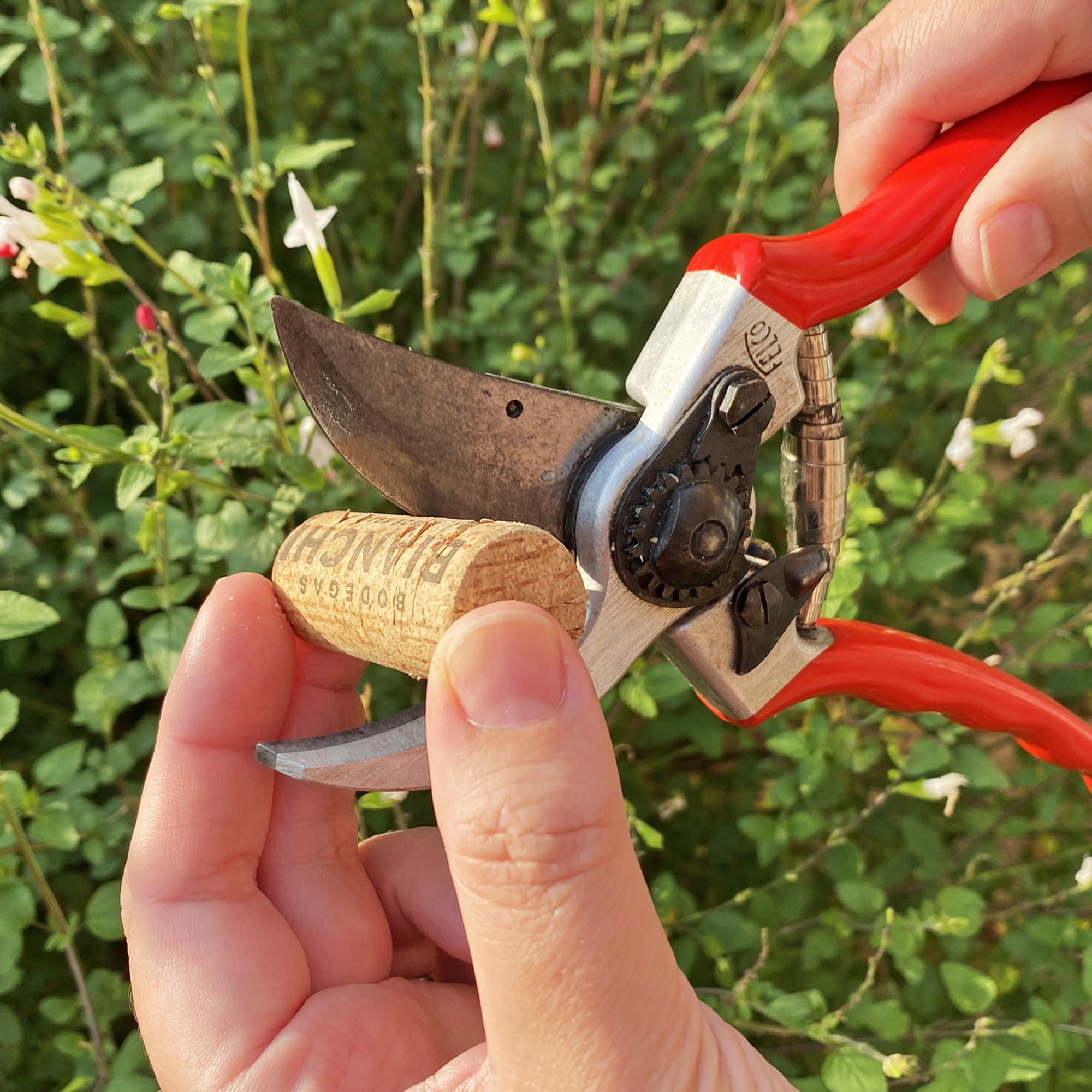
Credit: www.gardeningknowhow.com
Importance Of Oiling Pruning Shears
Oiling pruning shears keeps them working smoothly. It helps prevent rust and damage.
Regular oiling makes cutting easier and extends the life of your shears.
Prevent Rust And Corrosion
Oiling creates a protective layer on the blades. This stops moisture from causing rust.
Rust weakens the blades and makes pruning harder. Oiling protects your tool from this damage.
Keep Blades Sharp And Smooth
Oiling helps blades move easily against each other. This reduces friction and keeps edges sharp.
Sharp blades cut cleanly and make pruning safer and faster.
Extend Tool Life
Proper oiling reduces wear and tear on the moving parts. This keeps shears working longer.
Well-maintained pruning shears save money because you replace them less often.
Improve Performance And Safety
Oiled pruning shears open and close smoothly. This gives you better control during use.
Smooth operation lowers the risk of accidents and improves your pruning results.

Credit: www.gustharts.com
Signs Your Shears Need Oil
Pruning shears work best when they move smoothly and cut cleanly. Keeping them oiled helps stop rust and wear.
Recognizing when your shears need oil can save time and extend their life. Watch for these common signs.
Stiff Or Sticky Movement
If your pruning shears feel hard to open or close, the blades may be dry. Oil helps the parts slide easily.
Visible Rust Or Corrosion
Rust on the blades or joints shows that moisture has built up. Oiling stops rust from spreading and protects metal.
Noisy Or Squeaky Blades
Squeaks or grinding sounds mean the moving parts lack lubrication. A quick oiling can make them quiet and smooth again.
Blade Dullness Or Difficulty Cutting
Dull blades or tough cutting may result from friction or buildup. Oil helps keep blades sharp and reduces resistance.
Signs Table
| Sign | What It Means | Why Oil Helps |
|---|---|---|
| Stiff or Sticky Movement | Blades don’t open or close smoothly | Lubricates joints for easy motion |
| Visible Rust or Corrosion | Metal parts show rust spots | Prevents rust and protects metal |
| Noisy or Squeaky Blades | Shears make sounds when used | Reduces friction and noise |
| Blade Dullness or Difficulty Cutting | Blades struggle to cut branches | Keeps blades sharp and smooth |
Best Oils For Pruning Shears
Oiling pruning shears keeps them sharp and working well. It stops rust and makes cutting easier.
Choosing the right oil helps protect your tools longer. Some oils work better than others.
Mineral Oil
Mineral oil is safe and easy to find. It stops rust and keeps blades smooth.
This oil is light and does not attract dirt. It works well for regular maintenance.
Wd-40
WD-40 cleans and oils pruning shears. It removes moisture and stops rust from forming.
This oil helps blades move smoothly. Use it after cleaning your shears.
3-in-1 Oil
3-in-1 oil lubricates and protects metal parts. It is good for pruning shears and other tools.
This oil is thin, so it does not gum up blades. It keeps shears working well for a long time.
Vegetable Oil
Vegetable oil can work as a natural option. It helps keep blades from rusting.
Use it if you want a safe, eco-friendly oil. But it may need more frequent application.
Silicone Oil
Silicone oil lubricates without attracting dirt. It keeps blades moving smoothly.
This oil works well in wet weather. It protects shears from rust and wear.
How Often To Oil Shears
Oiling pruning shears keeps them sharp and working well. Regular oiling stops rust and wear.
Knowing when to oil your shears helps them last longer. It also makes cutting easier and safer.
After Every Use
Wipe your pruning shears clean after each use. Then apply a light coat of oil to the blades.
This quick step stops sap and dirt from building up. It also protects the metal from moisture.
- Use a clean cloth to wipe blades
- Apply a few drops of oil
- Spread oil evenly over blade surfaces
Monthly Maintenance
Once a month, take more time to oil your shears deeply. Check the pivot and springs too.
Remove old oil and dirt with a cloth before adding fresh oil. This keeps moving parts smooth.
- Clean all metal parts thoroughly
- Apply oil to the blade, pivot, and springs
- Open and close shears to spread oil inside
Seasonal Deep Care
At the start and end of each season, give your shears a full deep clean and oiling.
Disassemble if possible, clean all parts, and apply oil carefully. This prevents rust during storage.
- Take apart shears carefully
- Clean each piece with soap and water
- Dry parts completely before oiling
- Oil all metal surfaces and joints
- Reassemble shears and test smoothness
Step-by-step Oiling Process
Oiling pruning shears keeps them sharp and working well. It also stops rust and damage.
Follow these steps to oil your pruning shears properly. This will make them last longer.
Cleaning The Blades
Start by cleaning the blades to remove dirt and sap. This helps the oil work better.
Use a damp cloth or brush to wipe off any sticky residue. Dry the blades completely before oiling.
- Remove loose dirt with a cloth
- Use warm soapy water for sticky sap
- Dry blades with a clean towel
Applying Oil
Apply a few drops of light machine oil or garden tool oil to the blades and pivot point.
Spread the oil evenly to protect all moving parts and prevent rust.
- Use a small dropper or cloth for oil
- Cover the entire blade surface
- Lubricate the pivot bolt and spring
Wiping Excess Oil
After oiling, wipe off any extra oil with a clean cloth. This stops dirt from sticking.
Make sure the blades are lightly oiled but not dripping. This keeps shears clean and ready.
- Use a soft cloth to remove excess oil
- Check that no oil pools on blades
- Store shears in a dry place after oiling
Additional Care Tips For Longevity
Oiling pruning shears is important to keep them working well. Taking extra care helps your tools last longer.
Regular maintenance stops damage and keeps blades sharp. Follow these tips to protect your pruning shears.
Sharpening Blades Regularly
Dull blades make cutting harder and can damage plants. Sharpen your pruning shears often to keep them clean and smooth.
Use a sharpening stone or tool designed for garden shears. Sharpen both sides of the blade evenly for the best cut.
- Check blades before each use
- Sharpen if blades look dull or nicked
- Clean blades after sharpening
Proper Storage
Store pruning shears in a dry place to avoid damage. Keep them away from moisture and dirt.
Use a protective case or hang shears in a tool rack. This keeps blades from getting dull or bent.
- Clean and dry shears before storing
- Keep shears in a dry, cool area
- Use blade covers or cases if possible
Avoiding Rust
Rust weakens pruning shears and makes them hard to use. Oil blades after cleaning to prevent rust.
Wipe off moisture after each use. Apply a thin layer of oil to keep metal parts protected.
- Dry shears thoroughly after washing
- Use light machine oil or garden tool oil
- Oil all metal parts, including joints
:max_bytes(150000):strip_icc()/how-to-clean-tarnished-jewelry-5323502-recirc-5e244eb0665c45f98c46f2e4c735e6d4.jpg)
Credit: www.thespruce.com
Frequently Asked Questions
How Often Should I Oil Pruning Shears?
Oil your pruning shears after every few uses or at least once a month. Regular oiling prevents rust and keeps blades smooth. This ensures efficient cutting and prolongs the tool’s lifespan.
What Type Of Oil Is Best For Pruning Shears?
Use lightweight oils like mineral oil or specialized garden tool oil. These oils protect against rust and lubricate moving parts. Avoid heavy oils that can attract dirt and gum up the shears.
Can I Use Household Oils On Pruning Shears?
Yes, household oils like WD-40 or sewing machine oil work well. They provide lubrication and rust prevention. However, avoid cooking oils as they can become sticky and damage the tool.
Why Is Oiling Pruning Shears Important?
Oiling prevents rust, reduces friction, and maintains sharpness. It ensures smooth operation and extends tool life. Neglecting oiling can cause blades to dull and mechanisms to seize.
Conclusion
Regularly oil pruning shears for smooth, efficient cutting. Clean them first. Then apply a few drops of oil. Focus on the pivot point. This prevents rust and wear. Well-maintained shears last longer. They perform better too. Oiling is quick and simple.
It’s worth the effort. Make it a habit. Your garden tools will thank you. Happy pruning!
