
Your driveway is more than just a path for your car—it’s the first thing guests notice when they visit. A clean, sharp edge along your driveway can instantly boost your home’s curb appeal and make your outdoor space look neat and inviting.
But how do you get that perfect edge without spending hours or hiring expensive help? You’ll discover simple, effective steps to edge along your driveway like a pro. Whether you want to make your lawn look tidier or prevent grass from creeping onto the pavement, these tips will make the job easier and even enjoyable.
Ready to transform your driveway’s look? Let’s get started!
Credit: www.familyhandyman.com
Tools And Materials Needed
Edging along driveways gives a clean, finished look to your yard. It helps keep grass and plants from spreading onto the driveway. Using the right tools and materials makes the job easier and lasts longer.
Before you start, gather everything you need. This guide covers essential tools and recommended materials for edging driveways.
Essential Tools
Having the correct tools helps you create sharp, neat edges quickly. These tools make the work easier and improve the final look.
- Manual or powered edger
- Shovel or spade
- Garden gloves for hand protection
- Measuring tape to mark edges
- String line and stakes for straight lines
- Wheelbarrow to carry removed soil
- Rake to smooth soil and clean debris
Recommended Materials
Choose the right materials to keep edges firm and attractive. These materials help hold the soil and plants in place.
| Material | Purpose | Notes |
|---|---|---|
| Plastic or metal edging strips | Create a solid edge barrier | Choose based on driveway style and budget |
| Gravel or crushed stone | Fill gaps and improve drainage | Use small sizes for neat finish |
| Mulch or bark chips | Decorate edge and suppress weeds | Replace yearly for best look |
| Landscape fabric | Prevent weed growth under edging | Place under gravel or mulch |
Preparing The Driveway Edge
Proper preparation is key to edging along driveways. It helps create a clean and lasting edge.
Start by clearing the area and marking the edge line. This makes the process easier and more precise.
Clearing Debris
Remove all leaves, sticks, and loose dirt from the driveway edge. This prevents interference with edging tools.
- Use a broom or leaf blower to clear loose debris
- Pull out any weeds growing near the edge
- Rake the soil to loosen compacted dirt
- Dispose of debris away from the driveway
Marking The Edge Line
Marking the edge line guides your edging tool. This keeps the edge straight and neat.
- Use a garden hose to lay out the line
- Spray with marking paint for a clear guide
- Place stakes and string for a straight edge
Choosing The Right Edging Style
Edging along driveways helps keep grass and plants neat. It also gives your driveway a clean look.
Picking the right edging style depends on your driveway shape and the look you want.
Straight Vs Curved Edges
Straight edges give a simple and modern look. They are easy to install and maintain.
Curved edges create a soft, natural feel. They add style but need more work to shape and keep.
- Straight edges suit rectangular or square driveways
- Curved edges fit round or irregular driveway shapes
- Straight edges are easier to mow along
- Curved edges may need trimming tools for neatness
Material Options
Different materials work for driveway edging. Choose one that fits your style and budget.
Some materials last longer but cost more. Others are cheaper but need more care.
- Concrete: strong and long-lasting, good for straight or curved edges
- Brick: classic look, fits curves well but can be costly
- Metal: thin, sleek, easy to shape, resists weather damage
- Plastic: affordable and flexible, but less durable over time
- Stone: natural look, heavy, suits rustic styles

Credit: www.reddit.com
Step-by-step Edging Process
Edging along driveways creates a neat and clean border. It helps keep grass and plants from spreading onto the driveway surface. This guide explains how to edge your driveway in clear steps.
Follow the simple process to cut, install, and secure the edging material. This will give your driveway a professional look and protect its edges.
Cutting The Edge
Start by cutting a clean edge along the driveway. Use an edging tool or a spade to cut a straight line. The edge should be about 4 to 6 inches deep to hold the material well.
- Mark the edge line with spray paint or string.
- Use a sharp spade or edging tool to cut along the line.
- Remove the grass and soil inside the edge to create a trench.
- Make sure the edge is smooth and even for easy installation.
Installing Edging Material
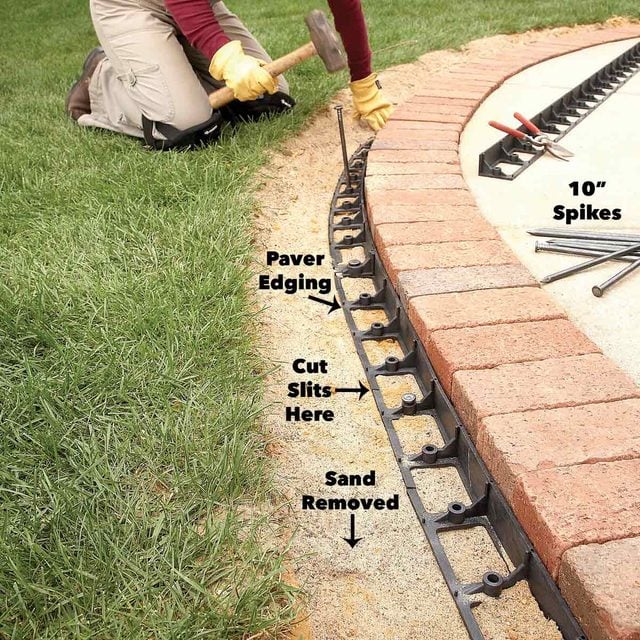
Choose the right edging material for your driveway. Common options include plastic, metal, brick, or stone. Lay the material along the trench you cut earlier.
- Start at one end of the driveway.
- Place each piece tightly against the next one.
- Keep the top of the edging level with the driveway surface.
- Adjust pieces as needed to follow curves or angles.
Securing The Edge
Secure the edging material to keep it in place. Use stakes, spikes, or concrete depending on your material choice. Proper securing prevents shifting and damage.
| Material | Securing Method | Notes |
|---|---|---|
| Plastic | Metal stakes | Drive stakes into the ground every 12 inches |
| Metal | Ground spikes | Use spikes that fit the edging slots |
| Brick or Stone | Mortar or concrete | Apply mortar between pieces for a firm hold |
Finishing Touches
After edging your driveway, the final steps help keep everything neat. These finishing touches protect your work and improve the look.
Paying attention to these details makes your driveway edge last longer and look well cared for.
Backfilling And Compacting Soil
Fill the gap next to the edge with soil to hold the edging in place. Use soil that matches the surrounding ground for a natural look.
Compact the soil by pressing it down firmly. This stops the soil from washing away and keeps the edge stable.
- Use a tamper or the flat end of a shovel to press soil
- Compact soil in layers for stronger support
- Water lightly to help soil settle
Adding Mulch Or Gravel
Place mulch or gravel along the edge to improve appearance and reduce weeds. Choose materials that match your driveway style.
This layer protects the soil and keeps the edge clean. It also helps with drainage around the driveway.
- Use bark mulch for a natural look
- Choose gravel for a clean, modern style
- Spread evenly about 2-3 inches thick
- Top up mulch or gravel yearly to maintain the edge

Credit: www.reddit.com
Maintenance Tips For Long-lasting Edges
Keeping driveway edges neat helps your property look tidy. Proper care extends the life of the edges. Simple maintenance steps keep edges strong and clean.
Regular attention prevents damage and costly repairs. Follow these tips to maintain sharp and durable driveway edges.
Regular Cleaning
Cleaning edges removes dirt and plants that cause wear. Clear debris often to keep edges visible and intact.
- Remove leaves and grass clippings frequently
- Use a stiff brush to clear dirt from edges
- Trim plants growing near the edges
- Rinse edges with water to wash away dust
Repairing Damages
Fix cracks and chips early to stop further damage. Small repairs keep edges strong and safe.
| Damage Type | Repair Method | Tools Needed |
| Small cracks | Fill with sealant | Sealant, putty knife |
| Loose stones | Reposition and cement | Cement, trowel |
| Broken edges | Replace damaged parts | Replacement stones, adhesive |
Frequently Asked Questions
What Tools Are Needed To Edge Along Driveways?
Essential tools include an edging spade, a half-moon edger, gloves, and a garden rake. These help create clean, defined edges easily and safely.
How Often Should Driveway Edging Be Done?
Driveway edging is recommended every 4 to 6 weeks during growing seasons. Regular maintenance keeps edges neat and prevents grass or weeds from spreading onto the driveway.
Can Edging Improve Driveway Curb Appeal?
Yes, edging defines borders and enhances visual appeal. It creates a tidy, well-maintained look that increases your property’s overall attractiveness.
What Is The Best Technique For Edging Driveways?
Start by marking the edge, then cut a straight line with an edging tool. Remove excess soil and debris for a clean finish that lasts longer.
Conclusion
Edging along driveways enhances curb appeal and landscape beauty. Regular maintenance keeps edges crisp and neat. Use the right tools for best results. Ensure safety by wearing gloves and goggles. Consistent practice improves skill and confidence. Start with small sections to avoid overwhelm.
Patience is key; take your time. Clean up debris for a tidy finish. Each effort makes your driveway inviting and polished. Enjoy the satisfaction of a well-edged driveway. It reflects care and attention to detail. Happy edging!
