
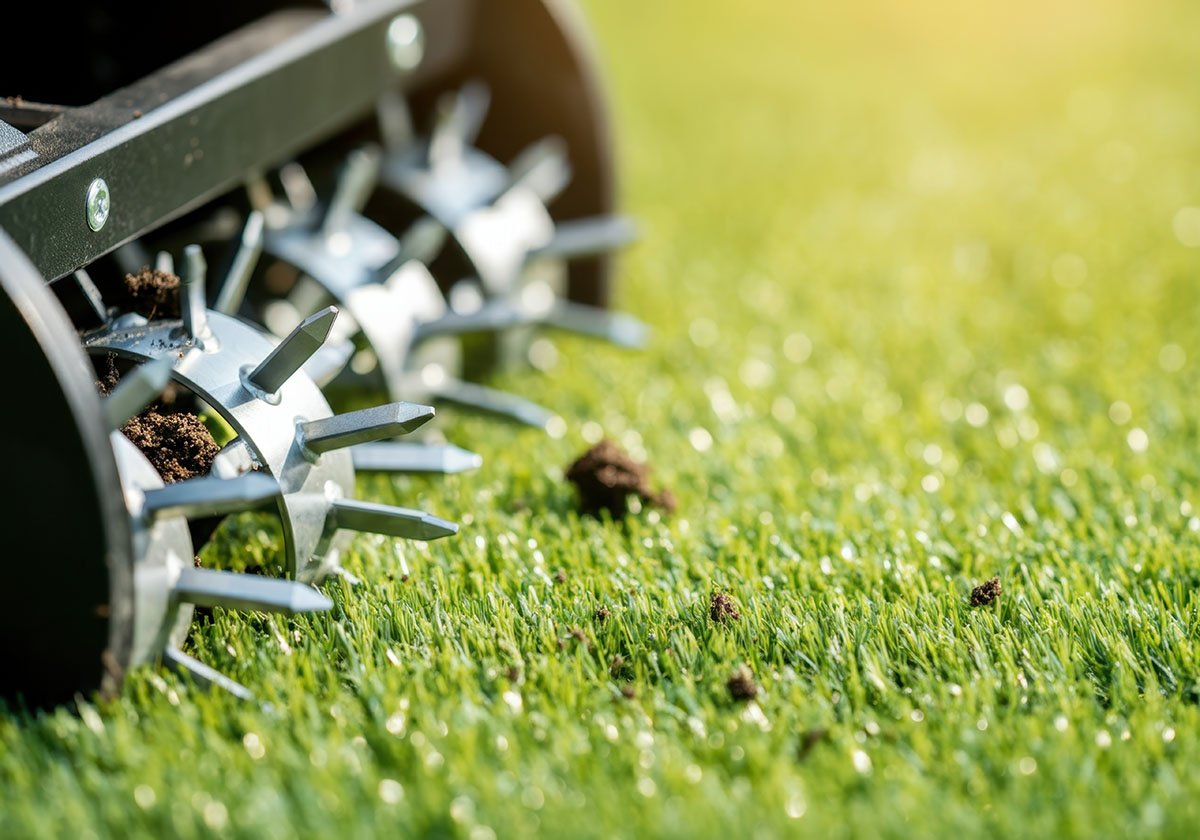
Are you wondering if overseeding right after aerating your lawn is the secret to a thicker, healthier yard? You’re not alone.
Many homeowners ask the same question because getting this step right can make all the difference in how your grass grows. Imagine stepping outside to a lush, green lawn that feels soft under your feet and looks great all season long.
The good news is, you can achieve that—but only if you know the right timing and technique. Keep reading to discover why overseeding after aerating might be exactly what your lawn needs and how to do it the smart way.
Credit: www.lawnstarter.com
Benefits Of Aerating Your Lawn
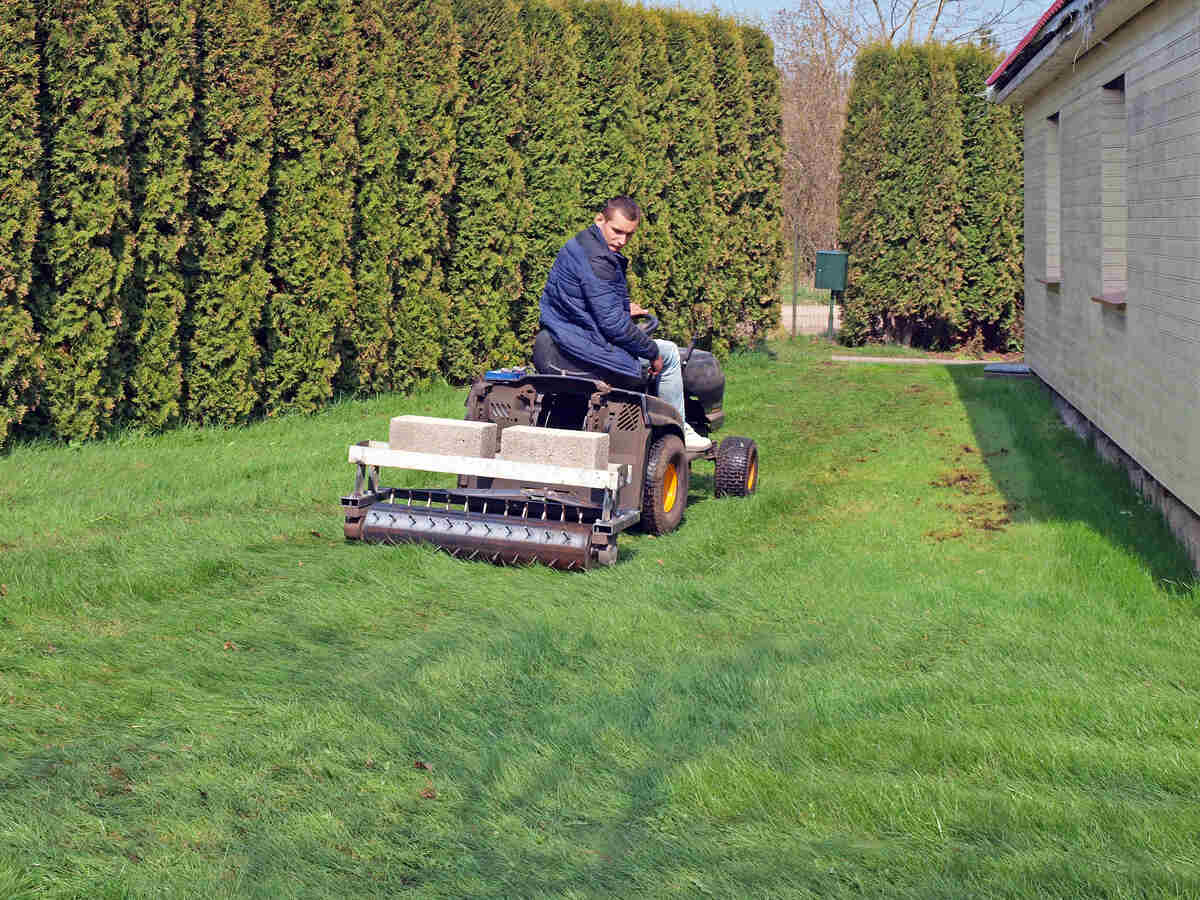
Aerating your lawn is a great way to keep the grass healthy. It helps the soil breathe and grow strong roots.
This process creates small holes in the soil, letting air, water, and nutrients reach the roots better.
Improved Soil Compaction
Soil can get hard and compacted over time. Aerating breaks up this tight soil.
Looser soil lets roots grow deeper and stronger. It also reduces water runoff and puddles.
Enhanced Nutrient Absorption
Aeration helps your lawn absorb fertilizers and natural nutrients better.
- Allows nutrients to reach grass roots quickly
- Improves fertilizer effectiveness
- Supports healthy grass growth
Better Water Penetration
Aeration helps water soak into the soil instead of running off.
| Effect | Benefit |
| Water Soaks Deep | Feeds roots well |
| Less Water Runoff | Prevents puddles and erosion |
| Improved Drainage | Keeps lawn dry and healthy |

Credit: www.reddit.com
Purpose Of Overseeding
Overseeding helps improve your lawn by adding new grass seeds to existing grass. It makes the lawn thicker and healthier.
After aerating, overseeding works best because the soil is loose. This helps seeds grow strong roots faster.
Filling Bare Spots
Bare spots in your lawn look ugly and can let weeds grow. Overseeding fills these empty places with new grass.
The seeds settle into the bare soil, making the lawn look full and green again. It stops weeds from taking over.
Increasing Grass Density
Overseeding adds more grass plants to your lawn. This makes the grass thicker and stronger.
A dense lawn looks better and is easier to maintain. It also handles foot traffic and weather changes well.
Improving Lawn Health
New grass plants from overseeding help your lawn stay healthy. They replace old or weak grass blades.
Overseeding also helps the grass fight diseases and resist pests. A healthy lawn grows green all season.
Timing For Overseeding
Knowing the right time to overseed is key for a healthy lawn. Timing affects how well new grass grows after aeration.
This guide explains the best seasons to overseed and the ideal weather conditions to help your lawn recover quickly.
Best Seasons To Overseed
Overseeding works best in certain seasons. Choosing the right season gives grass seeds the best chance to grow strong roots.
- Early Fall: The soil is warm, and air temperatures are cooler.
- Spring: After the last frost, when the soil starts to warm up.
- Late Summer: For some grass types, this is a good time if the weather is mild.
Ideal Weather Conditions
Good weather helps new grass seeds grow quickly. You want moisture and mild temperatures.
| Condition | Ideal Range |
| Soil Temperature | 50°F to 65°F (10°C to 18°C) |
| Air Temperature | 60°F to 75°F (15°C to 24°C) |
| Moisture | Consistent watering or light rain |
| Sunlight | 4 to 6 hours per day |
Credit: hillsidelawn.com
Step-by-step Overseeding Process
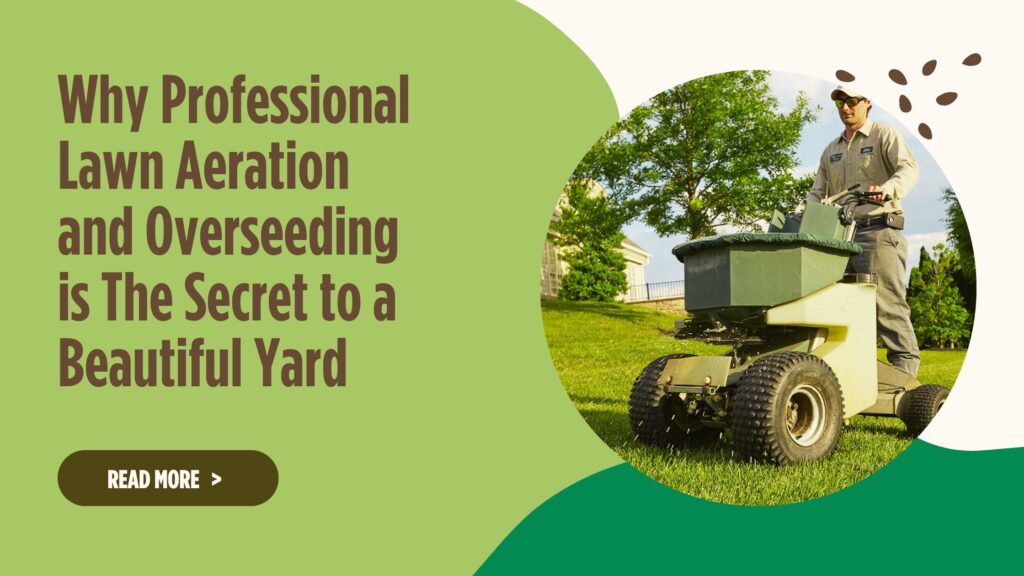
Overseeding helps fill bare spots and thickens your lawn. Doing it after aerating improves seed contact with soil.
This guide explains how to prepare your lawn, pick the right seed, and plant it correctly.
Preparing The Lawn Post-aeration
After aerating, remove any leftover soil plugs from the lawn. This clears space for new seeds.
Next, mow the grass to a shorter height. This helps sunlight reach the new seeds.
- Rake the lawn gently to remove debris
- Water the lawn lightly to soften the soil
- Check soil moisture daily to avoid drying out
Choosing The Right Grass Seed
Select grass seed that matches your lawn type and climate. This ensures the best growth.
Use high-quality seed with good germination rates. Avoid old or damaged seed.
- Cool-season grasses for northern regions
- Warm-season grasses for southern areas
- Mixes can improve lawn resilience
Seeding Techniques
Spread seed evenly over the lawn using a spreader or by hand. Avoid clumps for better results.
Press the seeds gently into the soil with a rake or roller. This improves seed-to-soil contact.
- Use a broadcast spreader for large areas
- Water lightly twice a day to keep seeds moist
- Avoid heavy watering that can wash seeds away
Aftercare Tips For Overseeded Lawns
Overseeding your lawn after aerating helps fill bare spots and improve grass density. Proper care after overseeding is key to strong and healthy grass growth.
Follow simple steps for watering, fertilizing, and mowing to give your new grass the best start.
Watering Schedule
Keep the soil moist but not soaked to help seeds germinate. Water lightly several times a day for the first two weeks. After seedlings appear, reduce watering to once daily.
- Water early in the morning to reduce evaporation.
- Avoid watering in the evening to prevent fungus growth.
- Adjust watering based on rain and temperature.
Fertilizing Advice
Use a starter fertilizer with a higher phosphorus content to support root growth. Apply fertilizer soon after overseeding and again 4 to 6 weeks later.
| Type of Fertilizer | Application Time | Purpose |
| Starter Fertilizer | Right after overseeding | Boost root development |
| Balanced Fertilizer | 4 to 6 weeks after overseeding | Support leaf growth |
Mowing Guidelines
Wait to mow until the new grass reaches 3 inches tall. Use a sharp blade and cut only one-third of the grass height at a time. Keep the mower blade high during the first few cuts.
Tip: Leave grass clippings on the lawn to add nutrients back to the soil.
Common Mistakes To Avoid
Overseeding after aerating can help your lawn grow thicker. But many people make mistakes that hurt their grass. Knowing what to avoid will save time and effort.
Some errors cause the seed not to grow well or the lawn to look patchy. Here are common mistakes to watch out for after aerating your lawn.
Seeding At The Wrong Time
Choosing the wrong time to overseed can stop seeds from sprouting. The best time depends on your grass type and local climate. Seeding too early or too late can lead to poor results.
- Cool-season grasses grow best when seeded in early fall or spring.
- Warm-season grasses should be seeded in late spring or early summer.
- Avoid seeding during hot, dry months or cold winter times.
- Check local weather to pick days with mild temperatures and rain.
Overwatering Or Underwatering
Watering is key for new seed growth. Too much or too little water can harm your lawn. Find a good balance to keep seeds moist but not soaked.
| Watering Mistake | Effect on Seeds |
| Overwatering | Seeds can rot or wash away |
| Underwatering | Seeds dry out and die |
| Proper watering | Soil stays moist for good germination |
Neglecting Soil Health
Healthy soil helps seeds grow strong roots. Ignoring soil health slows down growth and weakens grass. Aerating helps but do more to improve soil quality.
- Test soil pH and adjust if needed.
- Add compost or organic matter for nutrients.
- Remove thatch buildup to let roots breathe.
- Use fertilizer suitable for your grass type.
Signs Overseeding Is Not Needed
After aerating your lawn, many wonder if overseeding is necessary. Not every lawn needs overseeding right away. You can tell by looking at your lawn’s current health and condition.
Knowing the signs that overseeding is not needed helps you save time and effort. It also prevents overcrowding of grass plants.
Healthy Lawn Indicators
A healthy lawn usually shows signs that it does not need overseeding. Look for thick, green grass with no bare spots. Grass that grows evenly and has few weeds is also a good sign.
Check the grass blades. They should be strong and vibrant. If your lawn feels soft and springy underfoot, it is likely in good shape.
- Grass is dense and covers the soil completely
- Color is bright green with no yellow or brown patches
- Few or no weeds growing among the grass
- Grass blades are healthy and not thin or weak
- Soil feels moist but not soggy
When To Skip Overseeding
If your lawn shows strong growth and no bare areas, you can skip overseeding. Also, avoid overseeding if the grass type is slow to establish or if the season is wrong for seeding.
Overseeding can stress healthy grass. Wait until you see thinning or damage from pests, disease, or weather before adding new seed.
- Lawn has no bare or thin spots
- Grass is growing well after aeration
- Right grass type is already established
- Weather conditions are not suitable for seeding
- No signs of disease or pest damage
Frequently Asked Questions
Should You Overseed Right After Aerating?
Yes, overseeding after aerating is ideal. Aeration creates holes that help seeds reach soil. This improves seed-to-soil contact, promoting better germination and lawn health.
How Long After Aerating Can I Overseed?
You should overseed immediately after aerating. This timing allows seeds to settle into the holes. Waiting too long reduces seed contact with soil and lowers germination rates.
Can Overseeding Improve Lawn Thickness Post-aeration?
Absolutely, overseeding fills thin or bare lawn spots. It enhances turf density, making your lawn lush and healthy. Aeration combined with overseeding maximizes growth and lawn resilience.
What Grass Types Benefit Most From Overseeding Post-aeration?
Cool-season grasses like Kentucky bluegrass and fescue benefit most. These grasses respond well to overseeding after aeration, improving lawn density and recovery from stress effectively.
Conclusion
Aerating and overseeding work well together. Aerating opens up the soil. This helps seeds settle in and grow better. Grass grows thicker and healthier. This means fewer weeds and more green. Always choose the right seed for your grass type.
Watering is key. Keep the soil moist after seeding. Regular maintenance matters too. Mow the lawn when it reaches the right height. Enjoy a lush lawn with these simple steps. Your lawn will thank you!
