
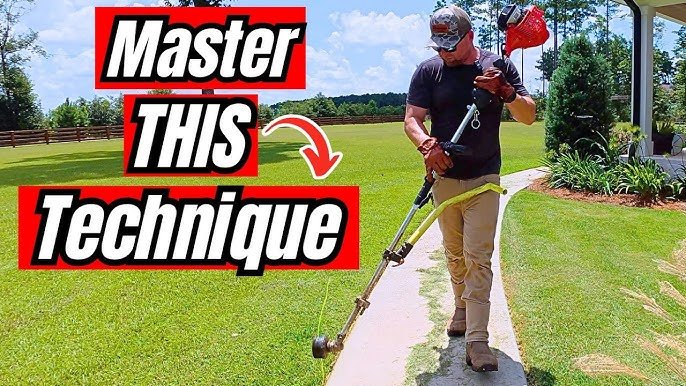
A neat, well-defined edge can transform your lawn from ordinary to stunning. But how do you edge a lawn properly to get that clean, professional look?
If you want your yard to stand out and impress, learning the right techniques is key. You’ll discover simple steps that make edging easy and effective, even if you’ve never tried it before. Keep reading to find out how you can boost your lawn’s curb appeal with just a little effort and the right know-how.
:max_bytes(150000):strip_icc()/spr-easyflex-no-dig-landscape-edging-kit-laura-hard-04-b601fc0708bc4522930427eca7d4168c.jpeg)
Credit: www.thespruce.com
Choosing The Right Tools
Edging a lawn makes it look neat and tidy. Using the right tools helps you work faster and cleaner.
There are different tools to choose from. Pick the one that fits your yard size and effort level.
Manual Vs. Powered Edgers
Manual edgers need your own strength. They are simple and cost less. You use a sharp blade and push it into the ground.
Powered edgers run on gas or electricity. They cut edges fast and need less effort. These work well for big lawns or thick grass.
- Manual edgers are quiet and light
- Powered edgers handle tough jobs easily
- Manual tools need more physical work
- Powered tools require fuel or charging
Essential Accessories
Some accessories make edging easier and safer. Gloves protect your hands from cuts and blisters.
Safety glasses keep dirt and debris out of your eyes. A kneeling pad helps if you work close to the ground.
- Gloves for hand protection
- Safety glasses to shield eyes
- Kneeling pad for comfort
- Rake to clear cut edges
- Measuring tape to keep edges straight
Preparing Your Lawn
Before edging a lawn, it is important to prepare the area properly. This helps create clean and even edges.
Preparation includes removing debris and marking where the edges will go. These steps make the work easier and neater.
Clearing Debris
Start by clearing away sticks, leaves, rocks, and other debris from the lawn edge. This prevents damage to your edging tool.
- Rake the area to remove loose material
- Pick up any large stones or branches by hand
- Use a leaf blower for small debris in tight spots
- Check the ground for hidden objects before edging
Marking Edging Lines
Marking the edging lines guides your work and ensures straight edges. Use visible markers to follow the shape you want.
| Tool | Purpose |
| Garden hose | Lay curved lines on the lawn |
| String and stakes | Mark straight lines easily |
| Spray paint | Make clear temporary lines |
| Chalk line | Snap straight lines on hard surfaces |
Edging Techniques
Edging a lawn gives it a neat and polished look. It helps separate grass from flower beds and walkways. Using the right techniques keeps your garden tidy and healthy.
This guide covers different ways to edge your lawn. Learn how to create straight edges, smooth curves, and clean borders around trees and garden beds.
Straight Edging
Straight edging creates a clean line between the lawn and other areas. Use a spade or edging tool to cut a sharp border. This method works well along driveways, sidewalks, and fences.
- Mark the edge with a string line for a straight guide.
- Use a sharp spade to cut deep into the soil.
- Remove the grass strip along the cut line.
- Trim any roots that cross the edge.
- Maintain the edge regularly to keep it sharp.
Curved Edging
Curved edging adds a soft, natural look to your garden. It works well around flower beds or paths that need gentle shapes. Use flexible tools or hand-cut the curves carefully.
| Tool | Use | Tip |
|---|---|---|
| Garden spade | Cut along curve lines | Keep blade sharp for clean cuts |
| Half-moon edger | Shape smooth rounded edges | Press firmly and rock tool for best results |
| Hand shears | Trim small areas | Use for fine shaping after cutting |
Around Trees And Garden Beds
Edging near trees and beds protects roots and plants. It also prevents grass from growing into these areas. Be gentle to avoid harming roots while creating a clean border.
- Clear leaves and debris from the area.
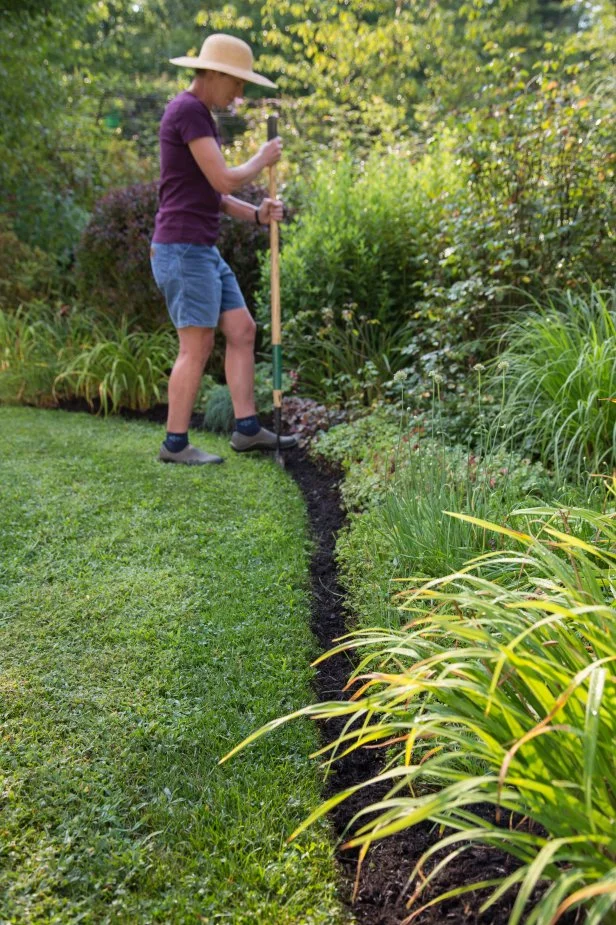
- Use a hand trowel to dig a shallow trench around the tree or bed.
- Create a border 3 to 6 inches wide to stop grass spread.
- Mulch the edged area to keep weeds down and retain moisture.
- Check edges often and fix any grass that grows in.
Credit: www.wickes.co.uk
Maintaining Clean Edges
Clean edges make your lawn look neat and well cared for. Proper edging separates grass from flower beds and walkways clearly.
Keeping edges sharp helps prevent grass from growing into unwanted areas. It also improves the overall appearance of your yard.
Trimming Tips
Use a string trimmer or hand edger to cut along the edge of your lawn. Keep your tools sharp for clean cuts.
Trim edges slowly and carefully to avoid damaging nearby plants or walkways. Remove grass clippings after trimming.
- Wear safety glasses and gloves while trimming
- Trim edges when grass is dry for better results
- Hold the trimmer at a slight angle toward the edge
- Clear debris to see the edge line clearly
Regular Maintenance Schedule
Edge your lawn every 1 to 2 weeks during the growing season. This keeps edges clean and prevents overgrowth.
Check edges after mowing to fix any uneven spots. Regular attention stops grass from creeping into flower beds or paths.
- Set reminders to edge your lawn regularly
- Adjust frequency based on grass growth speed
- Inspect edges after heavy rain or storms
- Combine edging with mowing for a tidy look
Common Mistakes To Avoid
Edging a lawn creates a clean and sharp look. Many people make errors that harm their grass or tools. Avoiding these mistakes helps keep your lawn healthy.
This guide covers two common mistakes: cutting too deep and ignoring safety precautions. Learn how to edge your lawn properly.
Cutting Too Deep
Cutting too deep when edging can damage grass roots and soil structure. It leaves your lawn weak and vulnerable to weeds and pests.
- Do not push the edger blade too far into the ground.
- Keep the blade just deep enough to trim the grass edge cleanly.
- Check soil moisture; dry soil is harder and risks deeper cuts.
- Use a sharp blade for clean cuts without tearing grass.
- Edge slowly and evenly to avoid uneven depths.
Ignoring Safety Precautions
Ignoring safety steps can cause injuries or damage to your equipment. Always prepare and protect yourself before edging.
| Safety Tip | Reason |
| Wear sturdy gloves and closed shoes | Protect hands and feet from sharp blades and debris |
| Clear the edge area of rocks and sticks | Prevent objects from flying and causing injury |
| Keep children and pets away | Avoid accidents with moving blades |
| Inspect equipment before use | Ensure blades and parts work correctly to avoid malfunction |
| Use ear and eye protection | Reduce noise damage and protect eyes from debris |
Credit: www.hgtv.com
Enhancing Your Lawn’s Appearance
Edging your lawn gives it a neat and clean look. It separates grass from walkways and flower beds.
Proper edging makes your yard look well cared for. It also helps keep grass from spreading into unwanted areas.
Adding Mulch Or Borders
Mulch keeps soil moist and stops weeds near your lawn edges. It also adds color and texture to your garden.
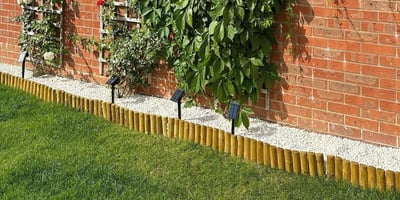
Borders help create a clear line between your lawn and garden. They protect plants and keep grass out.
- Use wood, plastic, or metal borders for a clean edge
- Choose mulch like bark or wood chips for a natural look
- Replace or add mulch yearly to keep it fresh
- Install borders slightly above soil for easy trimming
Incorporating Decorative Stones
Decorative stones add style and help keep your lawn edges tidy. They come in many colors and sizes.
Stones prevent grass from growing over the edge and reduce soil erosion. They need little maintenance once placed.
- Pick stones that match your yard’s style
- Lay a weed barrier under stones to stop weeds
- Arrange stones evenly along the lawn edge
- Use stones to create paths or highlight features
Frequently Asked Questions
What Is The Best Time To Edge A Lawn?
The best time to edge a lawn is during dry weather. Early spring or late summer is ideal. This prevents soil compaction and helps create clean, sharp edges for a neat appearance. Avoid edging after heavy rain to protect your lawn’s health.
Which Tools Are Best For Lawn Edging?
Common tools for lawn edging include manual edgers, string trimmers, and powered edging tools. Choose based on lawn size and your comfort. Manual tools offer precision, while powered tools save time on large lawns. Sharp blades ensure clean, professional edges.
How Often Should You Edge Your Lawn?
Edge your lawn every 2 to 4 weeks during the growing season. Regular edging maintains clean borders and prevents grass from spreading onto walkways or flower beds. Frequency depends on grass growth rate and weather conditions.
Can Edging Damage My Lawn?
Improper edging can harm grass roots and soil structure. Use sharp tools and proper technique to avoid damage. Edge gently and avoid cutting too deep. Regular maintenance reduces the risk of lawn stress and promotes healthy growth.
Conclusion
Edging a lawn keeps it looking neat and tidy. It’s not difficult with the right tools. Remember to wear protective gear for safety. Practice makes perfect. Start slowly and find your rhythm. Regular maintenance helps the lawn stay healthy. Keep blades sharp for clean cuts.
Avoid cutting too deep. Take your time to achieve straight lines. Enjoy the process and the results. A well-edged lawn enhances your home’s curb appeal. It can also boost your pride in your garden. Happy edging!
