
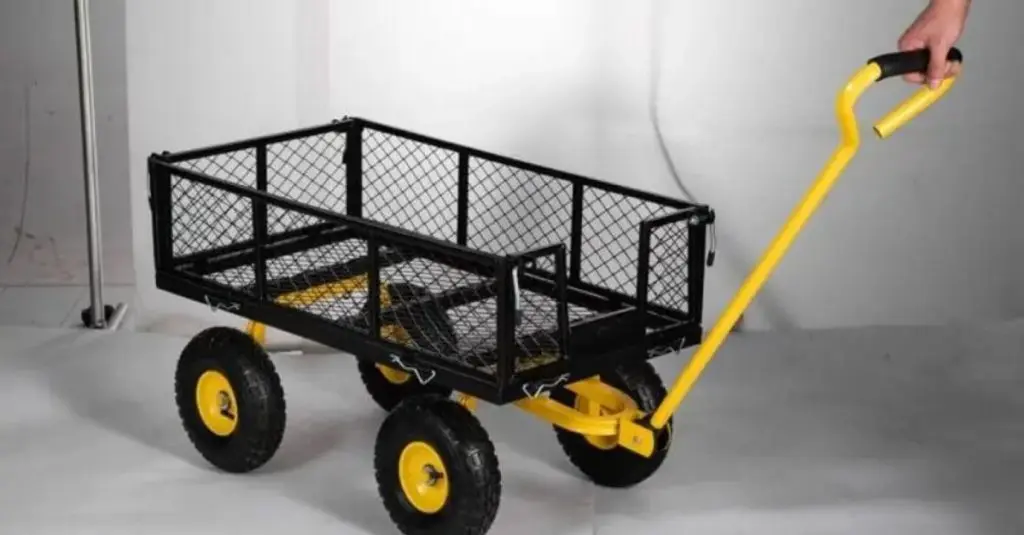
Are you tired of struggling to carry heavy loads around your garden? A garden cart can make your work easier and faster, but only if you know how to use it right.
In this step-by-step guide, you’ll discover simple tips and tricks to get the most out of your garden cart. Whether you’re moving soil, tools, or plants, this guide will help you save time and energy. Keep reading, and you’ll soon find your gardening tasks becoming more enjoyable and less tiring!
Choosing The Right Garden Cart
Picking the right garden cart makes your work easier and faster. It helps you move soil, plants, and tools without strain.
Consider the type, material, and load capacity before buying. These factors affect how well the cart suits your needs.
Types Of Garden Carts
Garden carts come in many styles. Some have two wheels, while others have four. Some carts have a flat bed, and others have sides or a dump feature.
- Wheelbarrows:One or two wheels, easy to steer on rough ground.
- Flatbed Carts:Four wheels, good for carrying large items.
- Dump Carts:Designed to tip and unload materials quickly.
Material And Durability
Materials affect the cart’s weight and how long it lasts. Steel carts are strong but heavy. Plastic ones are light but can break. Wood carts look nice but need care.
| Material | Pros | Cons |
| Steel | Very strong, lasts long | Heavy, can rust |
| Plastic | Light, rust-free | Can crack, less durable |
| Wood | Attractive, natural look | Needs maintenance, can rot |
Load Capacity Considerations
Think about how much weight you will carry. Carts have different load limits. A small cart may hold 100 pounds. Larger carts can carry 500 pounds or more.
- Check the weight of your usual garden materials.
- Choose a cart that can hold more than your heaviest loads.
- Remember that a heavier cart is harder to move when full.
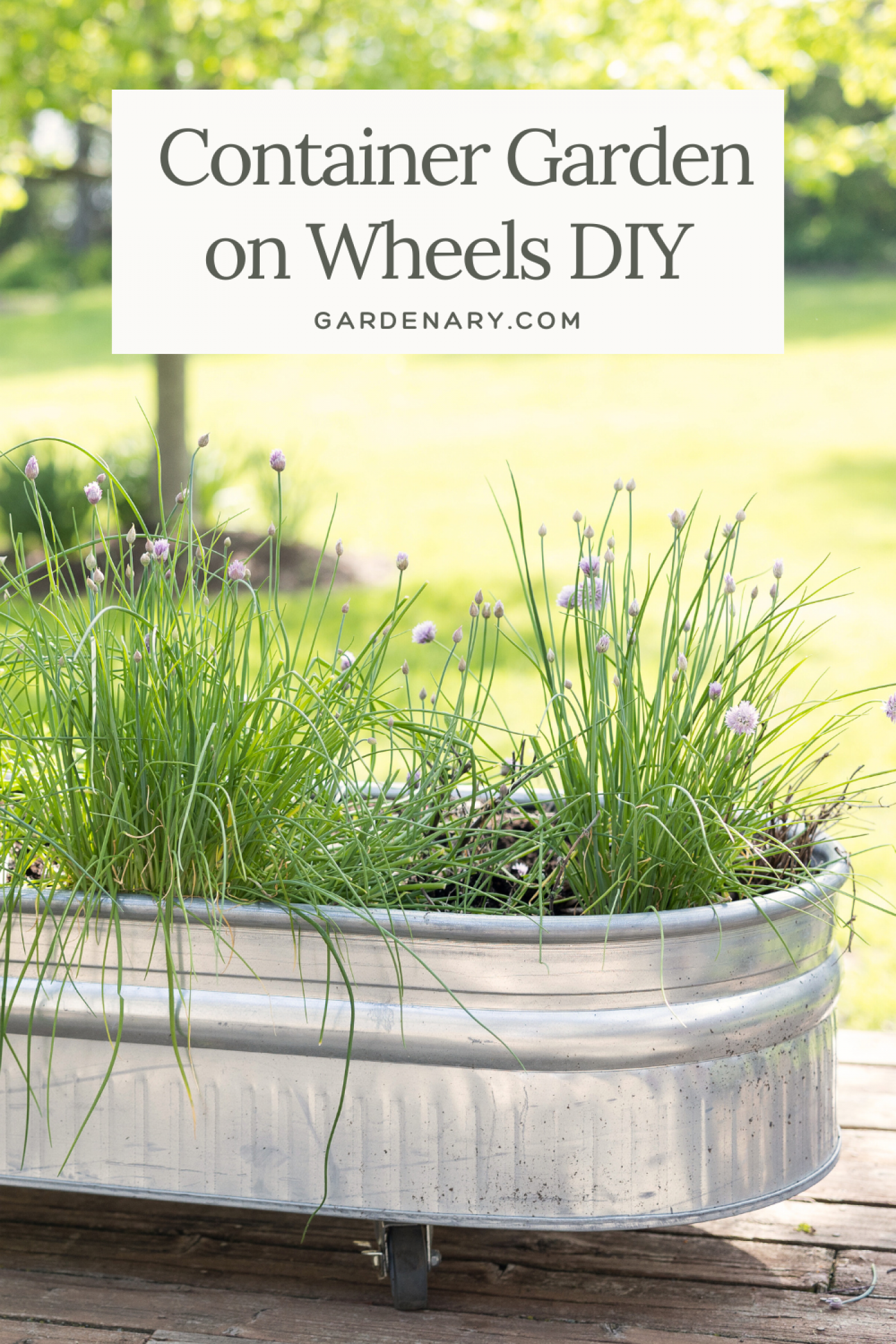
Credit: www.gardenary.com
Preparing Your Garden Cart
Using your garden cart correctly helps you work safely and easily. Preparing it well makes your gardening tasks smoother.
Before you start, check the cart carefully. This guide shows you how to get your garden cart ready step by step.
Assembling The Cart
Start by unpacking all parts and tools. Follow the instructions to put the frame, wheels, and handles together.
Make sure all bolts and screws are tight. Loose parts can cause accidents or damage the cart.
- Lay out all pieces on a flat surface
- Attach the wheels to the frame
- Fix the handle securely
- Tighten all connections firmly
Checking Tire Pressure
Proper tire pressure helps your cart move smoothly and carry weight safely. Check the pressure before each use.
Use a tire pressure gauge to measure. Inflate the tires if the pressure is low or release air if too high.
- Find the recommended pressure on the tire sidewall
- Use a gauge to check tire pressure
- Add air with a pump if below the limit
- Release air if pressure is too high
Lubricating Moving Parts
Keep the cart’s moving parts well-oiled. This prevents rust and makes the cart easier to use.
Apply lubricant to wheel axles and joints regularly. Wipe away any extra oil to avoid dirt build-up.
- Use light machine oil or spray lubricant
- Focus on wheel axles and handle joints
- Apply small amounts to avoid mess
- Clean old grease before applying new oil
Loading Techniques For Balance
Loading a garden cart properly helps keep it steady and easy to move. Balancing the load makes your work safer and smoother.
Use smart loading methods to avoid tipping or heavy pulling. The right balance saves effort and protects the cart.
Distributing Weight Evenly
Place heavy items at the bottom and center of the cart. This keeps the cart from tipping and helps with control.
- Start by placing the heaviest loads near the wheels.
- Balance weight evenly from left to right side.
- Keep the load low to the base of the cart.
- Add lighter items on top to fill gaps.
- Check if the cart feels stable before moving.
Securing Loose Items
Loose items can fall off and cause accidents. Use straps or nets to keep everything in place while moving.
| Item Type | Securing Method |
|---|---|
| Small Tools | Use a mesh bag or toolbox |
| Loose Soil or Mulch | Cover with a tarp or plastic sheet |
| Plants in Pots | Place inside a box or crate |
| Garden Waste | Tie with rope or bungee cords |
Maximizing Load Space
Use every inch of the cart without overloading. Stack items neatly and fill empty spaces carefully to avoid shifting.
- Stack boxes and containers to use vertical space.
- Fill gaps with soft items like bags or cloth.
- Place flat items at the bottom for a solid base.
- Keep the load under the cart’s maximum weight limit.
Safe Maneuvering Tips
Using a garden cart safely helps prevent accidents and damage. Follow clear steps to handle your cart with care. This guide covers key tips for moving the cart on different surfaces and loads.
Paying attention to your surroundings and the cart’s limits makes your work easier. Always check the cart before use and move carefully to avoid problems.
Navigating Rough Terrain
Rough terrain can make pushing or pulling your garden cart harder. Look out for rocks, holes, and uneven ground. Move slowly and keep the cart steady to stop it from tipping.
- Check the path and clear small obstacles before moving.
- Use both hands to keep control of the cart.
- Push the cart forward rather than pulling it over bumps.
- Keep your speed low to avoid sudden jerks.
- Wear sturdy shoes for better grip and balance.
Handling Inclines And Declines
Inclines and declines need extra care to keep the cart steady. Always face uphill when moving the cart up or down slopes. This helps you control the cart’s speed and direction.
| Situation | Safe Action |
| Pushing up a slope | Lean forward and push slowly |
| Pulling down a slope | Keep the cart in front and walk backward |
| Stopping on a slope | Use the cart’s brakes or wedge a block under the wheels |
Avoiding Overloading Risks
Overloading your garden cart can cause accidents and damage. Know the cart’s weight limit and do not go over it. Spread the load evenly to keep the cart balanced.
- Check the cart’s maximum weight before loading.
- Divide heavy items into smaller loads.
- Place heavier items at the bottom of the cart.
- Secure loose items to prevent shifting.
Maintenance For Longevity
Keeping your garden cart in good shape helps it last longer. Regular care prevents damage and keeps it working well. This guide covers key maintenance tasks for your garden cart.
Simple steps like cleaning, inspecting, and storing properly protect your cart. Follow these tips to keep it ready for every job.
Cleaning After Use
Always clean your garden cart after each use. Dirt and debris can cause rust or wear if left on the surface. Use water and a soft brush to remove mud and leaves.
- Rinse off loose dirt with a hose.
- Scrub stuck-on soil with a brush.
- Dry the cart completely with a cloth.
- Check and clean the wheels for debris.
- Remove any plant residues to avoid stains.
Inspecting For Wear And Tear
Look over your garden cart carefully before and after use. Check key parts for damage or signs of wear. Early fixes can stop small problems from getting worse.
| Part | What to Check | Action |
| Wheels | Cracks, flat spots, loose bolts | Tighten or replace if needed |
| Handles | Splinters, looseness, rust | Smooth, tighten, or oil |
| Tray | Dents, holes, rust patches | Clean, patch, or repaint |
| Axles | Bends, rust, noise | Lubricate or replace |
Storage Best Practices
Store your garden cart in a dry and sheltered place. Protect it from rain and sun to avoid rust and fading. Keep it off the ground to prevent moisture damage.
- Keep the cart under a roof or in a shed.
- Cover with a waterproof tarp if needed.
- Store on a wooden pallet or concrete surface.
- Remove heavy loads before storage.
- Check the cart monthly for any issues.
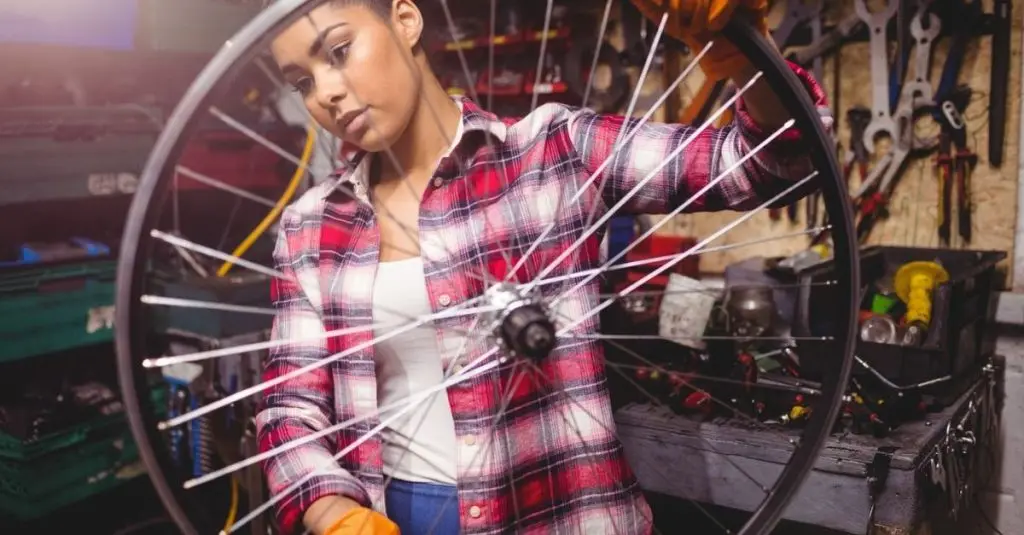
Credit: www.vevor.com
Efficiency Hacks For Garden Tasks
Using a garden cart can save time and energy in your yard work. Simple tips help you work smarter, not harder. This guide shares ways to get the most from your garden cart.
These ideas focus on attachments, route planning, and quick loading. They make garden tasks easier and faster for everyone.
Using Attachments And Accessories
Attachments add useful features to your garden cart. They help you carry more and handle different materials easily. Choose tools that fit your cart and tasks.
- Use side baskets for small tools and gloves.
- Add a cover to keep soil or mulch dry.
- Attach hooks for hanging hoses or cords.
- Install a seat for comfort during breaks.
- Use a ramp accessory to load heavy pots smoothly.
Planning Your Routes
Plan your path before you start moving the cart. This cuts down on backtracking and saves energy. Think about the best order to do your tasks and where to place the cart.
- Map out all areas you need to visit in your garden.
- Start from the furthest point and work your way back.
- Keep the cart close to the work area to avoid extra trips.
- Clear any obstacles from your planned route.
- Use wide paths to move the cart easily.
Time-saving Loading Tricks
Loading your garden cart the right way saves time and effort. Balance the load to avoid tipping. Use space smartly to carry more in one trip.
| Loading Tip | Benefit |
| Place heavy items at the bottom | Prevents tipping and keeps cart stable |
| Stack lighter materials on top | Maximizes space and keeps load secure |
| Use bins or containers | Keeps small items organized and easy to unload |
| Load items near the cart’s center | Makes pushing easier and reduces strain |
| Prepare tools and materials before loading | Speeds up the loading process |
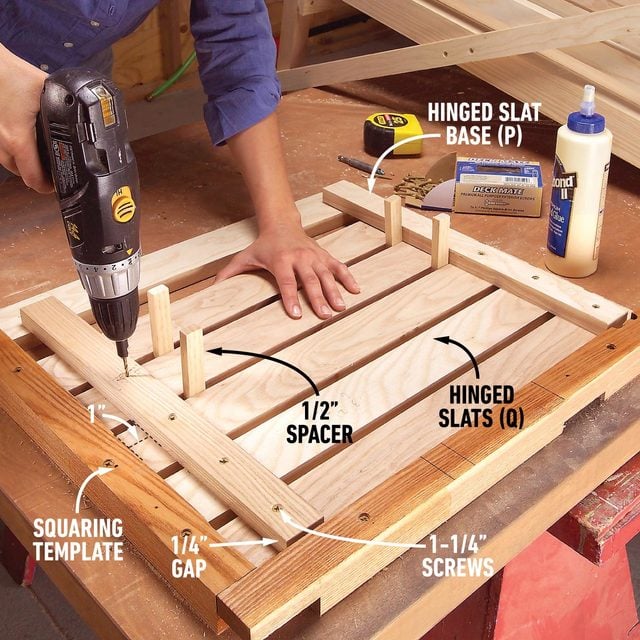
Credit: www.familyhandyman.com
Frequently Asked Questions
How Do I Assemble A Garden Cart?
Assembling a garden cart involves attaching the wheels, handles, and body. Start by connecting the wheels to the axle. Then, attach the handles to the body. Ensure all bolts are tightly secured. Consult the manufacturer’s instructions for any specific assembly steps.
Proper assembly ensures durability and ease of use.
What Materials Are Garden Carts Made Of?
Garden carts are commonly made from steel, plastic, or wood. Steel carts offer durability and strength. Plastic carts are lightweight and resistant to rust. Wooden carts provide a classic look but require maintenance. Consider your needs and environment when choosing the right material for your garden cart.
How Do I Maintain My Garden Cart?
Regular maintenance of your garden cart ensures longevity. Clean it after each use to prevent rust or damage. Check for loose bolts or screws regularly. Lubricate moving parts to ensure smooth operation. Store the cart in a dry area when not in use.
Proper care extends its lifespan.
Can Garden Carts Handle Heavy Loads?
Yes, garden carts are designed to carry heavy loads. However, always check the manufacturer’s weight limit. Overloading can damage the cart or make it difficult to maneuver. Distribute weight evenly for stability. Using the cart within its capacity ensures safety and prolongs its life.
Conclusion
Using a garden cart makes yard work easier and faster. Follow each step to use it safely and well. Keep the cart balanced to avoid spills or accidents. Regularly check the wheels and handles for smooth use. A garden cart helps carry tools, soil, and plants with less effort.
Try different ways to load it for best results. Enjoy your gardening with less strain and more fun. Simple tools like this save time and energy. Give your garden the care it needs, one cart load at a time.
