
Is your lawn not looking as healthy and green as you want? One common reason might be the pH level of your soil.
If your soil is too acidic or too alkaline, your grass can struggle to absorb the nutrients it needs. But don’t worry—you can fix this! Knowing how to adjust your lawn’s soil pH can make a huge difference in the way your yard grows.
You’ll learn simple, effective steps to test and balance your soil pH, helping you create the lush, vibrant lawn you’ve always wanted. Keep reading, and let’s get your grass thriving!

Credit: blog.lawnguru.co
Why Soil Ph Matters
Soil pH is a measure of how acidic or alkaline the soil is. It affects the health of your lawn.
Knowing the pH helps you keep grass strong and green. It also helps the soil hold nutrients.
Effects On Grass Growth
Grass grows best at certain pH levels. If the soil is too acidic or too alkaline, grass may struggle.
Unbalanced pH can cause thin grass, yellow leaves, and weak roots. Adjusting pH helps grass stay healthy.
Nutrient Availability
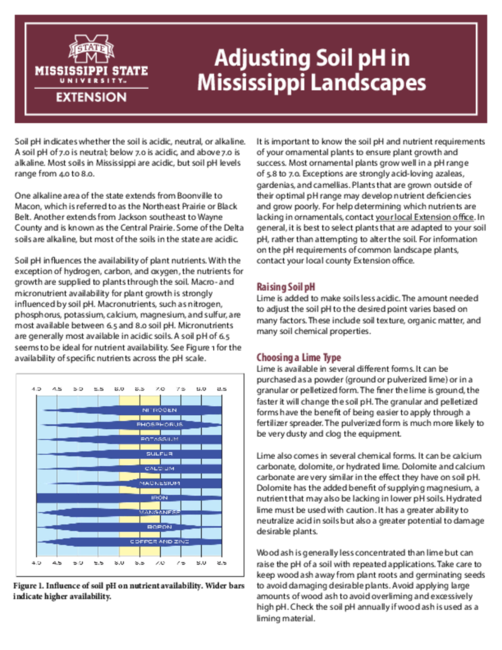
Soil pH controls how well grass can take up nutrients. Some nutrients are locked in the soil if pH is wrong.
- At low pH, elements like aluminum can harm roots.
- High pH can cause iron and manganese shortages.
- Balanced pH allows better nutrient absorption.
Common Ph Ranges For Lawns
| Grass Type | Ideal Soil pH |
|---|---|
| Cool-season grasses | 6.0 to 7.0 |
| Warm-season grasses | 5.5 to 7.0 |
| General lawn care | 6.0 to 7.0 |
Testing Your Lawn Soil Ph
Knowing your lawn soil pH helps you grow healthy grass. Testing soil pH shows if your soil is too acidic or too alkaline.
Adjusting soil pH improves nutrient availability and lawn growth. Start by testing your soil pH correctly.
Choosing A Soil Test Kit
Pick a soil test kit that is easy to use and accurate. Some kits test only pH, others check nutrients too.
Look for kits with clear instructions and quick results. You can find kits at garden centers or online stores.
- Simple pH test strips or liquid kits
- Digital pH meters for precise readings
- Comprehensive kits with nutrient tests
Collecting Soil Samples
Collect soil samples from different lawn areas. This gives a better average of your soil pH.
Use a clean trowel or soil probe to dig 4 to 6 inches deep. Remove grass and roots before collecting soil.
- Take samples from at least 5 spots in your lawn
- Mix samples in a clean bucket to combine
- Use about one cup of mixed soil for testing
Interpreting Test Results
Check the pH value shown on your test results. Soil pH ranges from 0 to 14, with 7 as neutral.
Most lawns do well with pH between 6.0 and 7.0. Below 6.0 means acidic soil. Above 7.0 means alkaline soil.
| pH Level | Soil Condition | Effect on Lawn |
|---|---|---|
| Below 6.0 | Acidic | May limit nutrient uptake |
| 6.0 – 7.0 | Neutral | Ideal for most grasses |
| Above 7.0 | Alkaline | Can cause nutrient deficiencies |
Raising Soil Ph
Soil pH affects how well grass and plants grow. Acidic soils have a low pH, which can stop nutrients from reaching roots. Raising soil pH helps create a better environment for your lawn.
This guide explains how to raise soil pH by using lime. Learn the best ways to apply lime and the right time to do it.
Using Lime For Acidic Soils
Lime is a natural material that raises soil pH. It neutralizes soil acidity and improves nutrient availability. You can use ground limestone or pelletized lime for lawns.
Before applying lime, test your soil to know its current pH. This helps you apply the right amount for best results.
Application Tips
- Spread lime evenly over the lawn for uniform pH adjustment.
- Use a spreader to cover large areas quickly and accurately.
- Water the lawn after applying lime to help it soak into the soil.
- Wear gloves and a mask to avoid irritation from lime dust.
Timing And Frequency
| Season | Recommended Action | Notes |
| Spring | Apply lime before new growth starts | Best time for absorption |
| Fall | Apply lime after mowing | Prepares soil for winter |
| Summer | Avoid lime application | Soil is often dry |
| Frequency | Every 2-3 years | Depends on soil test results |

Credit: yarafert.com
Lowering Soil Ph
Soil pH affects how well your grass grows. Lowering soil pH makes the soil more acidic. Some plants need acidic soil to thrive.
You can lower soil pH by adding certain materials. These materials help balance the soil for better lawn health.
Adding Sulfur Or Acidifying Agents
Elemental sulfur is a common way to lower soil pH. It reacts slowly in the soil to make it more acidic. You can also use acidifying fertilizers.
Apply these materials evenly over the lawn. Water the area after applying to help the process. Check soil pH regularly to avoid over-acidifying.
- Elemental sulfur works slowly over weeks to months
- Acidifying fertilizers contain ammonium sulfate or urea
- Follow product instructions for correct amounts
- Test soil pH before and after application
Organic Alternatives
Organic materials can help lower soil pH naturally. Peat moss and pine needles add acidity to the soil. Compost made from acidic leaves also helps.
These options improve soil health while lowering pH. They work slower than chemical agents but are safer for the environment.
- Peat moss adds organic matter and acidity
- Pine needles break down to release acids
- Compost from acidic leaves improves soil texture
- Use these materials as mulch or soil amendments
Safety Precautions
Handle sulfur and acidifying agents carefully. Wear gloves and a mask to avoid skin and lung irritation. Keep these materials away from children and pets.
Do not apply too much at once. Over-acidifying can harm your lawn and plants. Always follow the product instructions and test your soil before use.
- Wear protective gloves and mask
- Store materials in a safe place
- Apply recommended amounts only
- Test soil pH regularly to avoid damage
Maintaining Balanced Soil Ph
Balanced soil pH helps grass grow healthy and strong. It keeps nutrients available for roots to use. Adjusting soil pH improves your lawn’s overall health.
Understanding how to maintain the right soil pH can save you time and money. It also prevents common lawn problems caused by poor soil chemistry.
Regular Testing Schedule
Test your soil pH at least twice a year. The best times are early spring and late fall. Regular testing helps you track changes and adjust care accordingly.
- Use a soil test kit or send samples to a lab
- Collect soil from several spots in your lawn
- Follow instructions carefully for accurate results
- Record the pH values and note any changes over time
Proper Fertilization
Choose fertilizers that match your soil’s pH needs. Avoid overusing fertilizer to keep soil balanced. Fertilizers with lime or sulfur can help adjust pH.
| Soil pH Level | Recommended Fertilizer | Adjustment Needed |
| Below 6.0 | Lime-based fertilizer | Raise pH |
| 6.0 to 7.0 | Balanced fertilizer | Maintain pH |
| Above 7.0 | Sulfur-based fertilizer | Lower pH |
Watering Practices
Water your lawn deeply but less often. This prevents soil from becoming too acidic or alkaline. Proper watering keeps nutrients balanced in the soil.
Tips for watering to maintain soil pH:
- Use rainwater if possible, as it is neutral in pH
- Avoid hard water with high mineral content
- Water early in the morning to reduce evaporation
- Check soil moisture before watering again
Credit: extension.msstate.edu
Common Mistakes To Avoid
Adjusting lawn soil pH is important for healthy grass. Many people make errors that harm their lawn.
Knowing what to avoid helps keep your lawn green and strong. Here are common mistakes and how to prevent them.
Over-application Of Amendments
Adding too much lime or sulfur can damage grass roots and soil life. It may also cause pH swings that stress plants.
- Test soil before applying amendments
- Follow recommended amounts carefully
- Apply amendments evenly across the lawn
- Avoid adding amendments too often
Ignoring Soil Type
Soil type affects how amendments work. Sandy soils need different care than clay soils. Ignoring this can waste effort and money.
| Soil Type | pH Adjustment Tip |
|---|---|
| Sandy Soil | Apply amendments more often in small amounts |
| Clay Soil | Use amendments slowly to avoid buildup |
| Loam Soil | Maintain balanced pH with regular testing |
Neglecting Lawn Care Routine
Even with proper pH, poor lawn care harms grass. Mowing, watering, and fertilizing keep soil healthy and balanced.
- Mow regularly to the right height
- Water deeply but less often
- Fertilize based on soil test results
- Remove thatch and aerate soil yearly
Frequently Asked Questions
How Do I Test My Lawn Soil Ph?
You can test soil pH using a home test kit or a professional lab. Collect soil samples from several spots. Follow kit instructions carefully for accurate results. Regular testing helps maintain healthy lawn growth and nutrient balance.
What Ph Level Is Ideal For Lawn Soil?
Most lawns thrive in soil with a pH between 6. 0 and 7. 0. This range allows optimal nutrient absorption. Slightly acidic to neutral soil promotes healthy grass and reduces weed growth. Adjust soil pH if it falls outside this range.
How Can I Raise Low Soil Ph Naturally?
To raise soil pH, add lime (calcitic or dolomitic) to the soil. Lime neutralizes acidity and improves nutrient availability. Apply lime evenly and water the lawn afterward. Repeat applications may be needed based on soil test results.
What Lowers High Soil Ph In Lawns Effectively?
Elemental sulfur is commonly used to lower high soil pH. It reacts with soil bacteria to produce sulfuric acid, reducing alkalinity. Apply sulfur carefully and water it in. Monitor soil pH regularly to avoid over-acidifying the soil.
Conclusion
Achieving the right soil pH improves your lawn’s health. Test your soil regularly. Use lime or sulfur to adjust it. Water your lawn properly after adding amendments. This helps them mix with the soil. Avoid over-application. It can harm grass.
Follow product instructions carefully. Seek expert advice if needed. Healthy soil supports strong grass growth. Your efforts will result in a lush, green lawn. Simple steps make a big difference. Keep learning and monitoring. Your lawn will thank you.
