
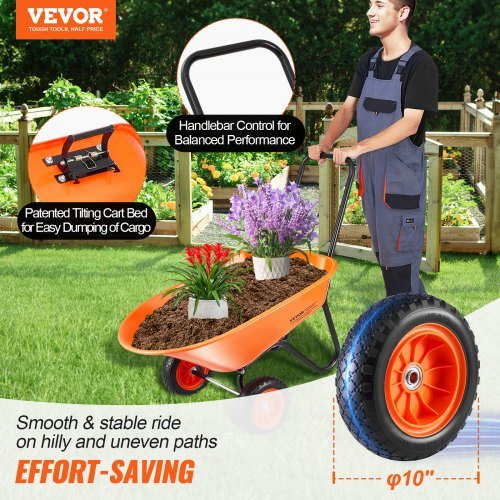
Are you tired of struggling to move heavy loads around your garden? Loading a garden cart the right way can save you time, effort, and even prevent injury.
Whether you’re carrying soil, plants, tools, or debris, knowing the best techniques will make your work easier and more efficient. You’ll discover simple, practical tips to load your garden cart safely and effectively. Keep reading, and you’ll transform your gardening tasks into a smooth and hassle-free experience.

Credit: www.amazon.com
Choosing The Right Garden Cart
Picking the right garden cart makes your work easier. It helps carry soil, plants, and tools without much effort.
Consider the type, size, and material before buying. These factors affect how useful and long-lasting the cart will be.
Types Of Garden Carts
Garden carts come in many styles. Each type suits different gardening tasks and spaces.
- Wheelbarrows: One wheel, good for rough ground and small loads.
- Two-wheel carts: More stable and easier to balance.
- Four-wheel carts: Best for heavy loads and smooth surfaces.
- Folding carts: Easy to store and carry, but smaller capacity.
Capacity And Size Considerations
Choose a cart size that fits your garden and load needs. Too big or too small can make tasks harder.
| Cart Size | Ideal Load | Best For |
| Small (under 100 lbs) | Light tools, plants | Small gardens, easy handling |
| Medium (100-300 lbs) | Soil bags, pots | Medium gardens, varied tasks |
| Large (over 300 lbs) | Heavy soil, stones | Large gardens, heavy work |
Material And Durability
Material affects the cart’s strength and how long it lasts. Choose one that fits your climate and use.
- Steel carts: Very strong but can rust if not painted well.
- Plastic carts: Lightweight and rust-free but less durable.
- Wood carts: Natural look, sturdy but need regular care.
- Aluminum carts: Light and rust-proof but often more costly.
Preparing Your Garden Cart
Loading a garden cart properly starts with good preparation. A well-prepared cart makes your work easier and safer.
Check your cart before every use to avoid problems. This guide helps you get your garden cart ready.
Cleaning And Maintenance
Keep your garden cart clean to prevent rust and damage. Remove dirt and debris after each use.
Check all parts for wear and tear. Tighten loose bolts and replace broken parts to keep the cart safe.
- Wash the cart with water and mild soap
- Dry it completely to stop rust
- Inspect the frame and handles for cracks
- Lubricate moving parts like wheel axles
Checking Tire Pressure
Check the tire pressure before loading your cart. Proper pressure helps the cart roll smoothly and carry weight.
Use a tire gauge to measure pressure. Inflate tires to the recommended level found on the tire sidewall.
- Under-inflated tires make pulling harder
- Over-inflated tires can burst or wear unevenly
- Keep tires clean and free from sharp objects
Ensuring Stability
Make sure your garden cart is stable before loading. A stable cart prevents tipping and accidents.
Check that the cart sits flat on the ground. Balance the load evenly across the cart bed.
- Place heavy items near the center
- Distribute weight evenly side to side
- Keep the load low to avoid tipping
- Lock the cart’s wheels if it has brakes
Organizing Garden Tools And Supplies
Loading a garden cart efficiently helps you work faster and keeps your tools safe. Organize your supplies before moving them outside.
Good organization reduces trips and prevents damage. Sort items by type and size to make loading easier.
Grouping Similar Items
Put tools and supplies that are alike into one group. This saves time and space on the cart.
- Gather all hand tools like trowels and pruners together.
- Keep seeds and fertilizers in one place.
- Collect hoses and watering cans in a separate group.
Using Containers And Bags
Use boxes, buckets, or bags to hold smaller items. This prevents them from falling off the cart.
| Container Type | Best for | Benefits |
| Bucket | Soil, small tools | Easy to carry, keeps dirt contained |
| Canvas Bag | Gloves, seeds | Lightweight, flexible |
| Plastic Box | Fertilizers, pesticides | Protects from spills, stackable |
Prioritizing Heavy And Bulky Items
Place heavy and large items at the bottom of the cart. This keeps the cart steady and safe.
- Put bags of soil or mulch on the cart bed first.
- Stack large tools like rakes and shovels next to the heavy bags.
- Load lighter items on top or in containers to avoid crushing.
Loading Techniques For Efficiency
Loading a garden cart the right way saves time and effort. It also keeps the cart balanced and safe to move.
Use simple techniques to load your garden cart with care. This helps you carry more without trouble.
Distributing Weight Evenly
Spread the weight across the cart to keep it steady. Avoid putting all heavy items on one side.
Place the heaviest things near the center and close to the wheels. This keeps the cart easy to pull or push.
- Put heavy items at the bottom
- Keep weight balanced from left to right
- Place lighter items on top and sides
Stacking Strategically
Stack items so they fit tightly and do not fall. Use boxes or bags that hold their shape well.
Place flat and wide items at the bottom. Put smaller or softer items on top to save space.
- Start with large, flat items on the base
- Stack smaller items evenly on top
- Fill gaps with soft or flexible items
Securing Loose Items
Hold loose items in place to prevent spills and damage. Use ropes, straps, or nets if needed.
Check that nothing moves when you push the cart. Secure tools or small objects inside bags or containers.
- Use bungee cords or straps for loose items
- Put small tools in a bucket or box
- Cover the load with a net or tarp if possible
Safety Tips While Loading And Transporting
Loading a garden cart safely helps prevent injuries and damage. It also makes moving heavy items easier.
Follow simple safety tips to protect yourself and keep your cart stable during transport.
Lifting Properly To Avoid Injury
Use your legs, not your back, when lifting heavy items into the garden cart. Bend your knees and keep your back straight.
Hold the load close to your body to keep balance. Avoid twisting your body while lifting or carrying items.
- Bend knees and squat down
- Keep your back straight
- Lift with your legs
- Hold items close to your body
- Turn your whole body, not just your waist
Avoiding Overloading
Do not put too much weight in the garden cart. Overloading can cause tipping or damage to the cart.
Check the cart’s weight limit before loading. Spread the load evenly to keep the cart balanced.
- Know the cart’s maximum weight
- Distribute weight evenly across the cart
- Keep heavy items low in the cart
- Do not stack items too high
Navigating Uneven Terrain
When moving a loaded garden cart over rough ground, go slowly. Uneven terrain can make the cart tip or get stuck.
Use smooth, steady pushes or pulls. Watch for holes, rocks, or slopes that can cause accidents.
- Move at a slow, steady pace
- Avoid sudden turns or stops
- Look ahead for obstacles
- Keep both hands on the cart handles
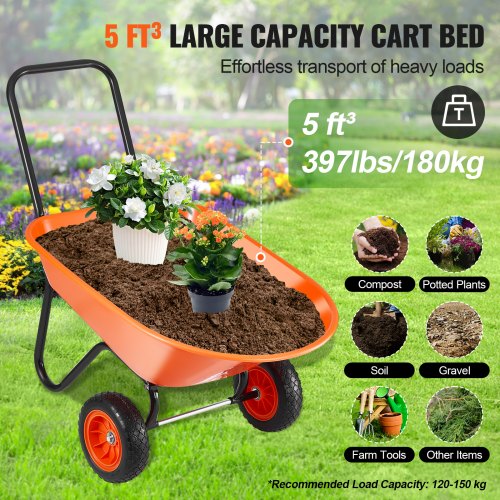
Credit: www.vevor.com
Maintaining Your Loaded Garden Cart
Keeping your garden cart in good shape helps it last longer. Regular care stops damage and makes work easier.
Learn simple ways to inspect, clean, and store your garden cart properly.
Regular Inspections
Check your garden cart before and after use. Look for loose bolts, worn tires, or cracks in the frame. Fix small problems early to avoid big repairs.
- Inspect wheel condition and air pressure.
- Tighten all nuts and bolts.
- Look for rust spots and treat them.
- Test handles and brakes for stability.
Cleaning After Use
Cleaning your garden cart removes dirt and debris that cause damage. Use a hose or brush to clean the frame and wheels. Dry the cart well to stop rust from forming.
| Cleaning Task | Tools Needed | Frequency |
| Remove dirt and mud | Garden hose, stiff brush | After each use |
| Wipe down handles and frame | Cloth, mild soap | Weekly |
| Lubricate moving parts | Oil or grease | Monthly |
Storing Properly
Store your garden cart in a dry place to protect it from weather. Keep it off the ground if possible. Cover it with a waterproof tarp if stored outside.
- Choose a garage or shed for storage.
- Keep tires inflated to prevent flat spots.
- Place the cart on blocks to avoid ground moisture.
- Cover the cart when not in use for long periods.
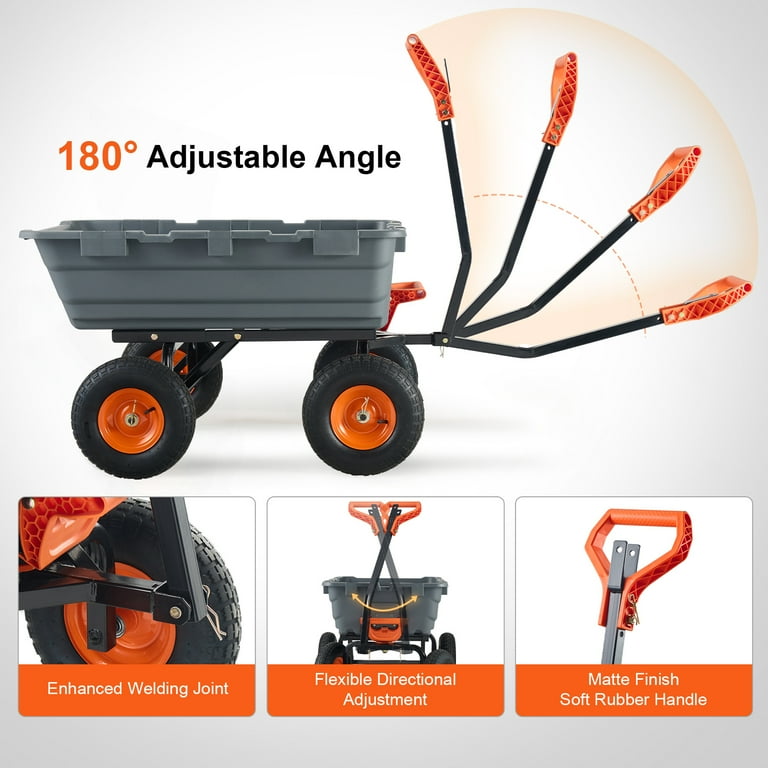
Credit: www.walmart.com
Frequently Asked Questions
How Do I Properly Load A Garden Cart?
To load a garden cart properly, place heavier items at the bottom. Distribute weight evenly to avoid tipping. Secure loose items with straps if needed. This ensures safe and efficient transport of garden materials.
What Is The Best Way To Balance A Garden Cart Load?
Balance your garden cart load by placing heavy items in the center. Keep lighter materials on top and sides. Even distribution prevents tipping and makes pushing easier. Proper balance improves safety and maneuverability.
Can I Overload My Garden Cart Safely?
Avoid overloading your garden cart beyond its weight limit. Overloading risks damage and makes it hard to control. Check the manufacturer’s weight capacity before loading. Safe loads ensure durability and user safety.
How Should I Arrange Different Garden Materials In A Cart?
Place dense items like soil or stones at the bottom. Stack lighter items such as plants or tools on top. This arrangement keeps the cart stable and protects fragile items. It also helps in easy unloading.
Conclusion
Loading a garden cart correctly makes gardening easier. Start by placing heavier items at the bottom. This provides balance and stability. Organize lighter items on top to prevent damage. Don’t overload the cart to avoid tipping. Secure items with straps if needed.
Check the cart’s tires and path for obstacles. Safety is important, so lift properly to prevent strain. Practice these steps to make gardening tasks smoother. Your garden projects will be more enjoyable and efficient. Happy gardening!
