
Are you wondering if you can fill a lawn roller with water to get better results? You’re not alone.
Many people ask this question when trying to achieve a smooth, even lawn. Using water in your lawn roller can make a big difference in weight and effectiveness—but is it the right choice for your lawn and roller? Keep reading to discover the simple truth about filling your lawn roller with water, how it works, and what you need to know before you start.
This guide will help you make the best decision for your lawn care routine.
Choosing The Right Lawn Roller
Choosing the right lawn roller helps you get a smooth and even lawn. It makes your grass look neat and healthy. You must think about the roller type, its weight, and if it can be filled with water.
This guide explains different types of lawn rollers, the benefits of water-filled rollers, and why weight matters. It will help you pick the best roller for your lawn care.
Types Of Lawn Rollers
Lawn rollers come in different styles. Each has its uses and advantages. Here are some common types:
- Solid Drum Rollers:Made of heavy steel or plastic. They are always heavy and do not fill with water.
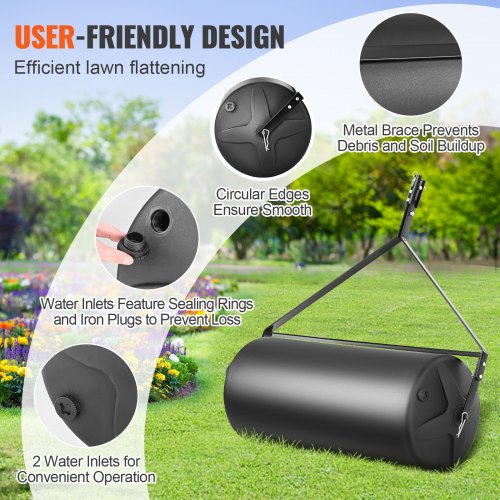
- Water-Filled Rollers:Hollow and can be filled with water for weight. You can empty them for easy storage.
- Gas or Manual Rollers:These need power or pushing. Usually used for large lawns or fields.
Benefits Of Water-filled Rollers
Water-filled lawn rollers offer several benefits. They let you adjust the roller’s weight by adding or removing water. This makes them easier to handle and store.
| Benefit | Details |
|---|---|
| Adjustable Weight | Fill with water for heavy rolling or empty to carry easily. |
| Storage Friendly | Lighter when empty, saving space and effort. |
| Cost Effective | Usually less expensive than solid steel rollers. |
Weight Considerations
The weight of a lawn roller affects how well it works. Too light, and it may not flatten the soil properly. Too heavy, and it can harm the grass or be hard to move.
- Light rollers are good for soft soils and small lawns.
- Heavier rollers work well on uneven or rocky ground.
- Water-filled rollers let you change weight to suit the task.
Credit: www.vevor.ca
Filling Your Lawn Roller With Water
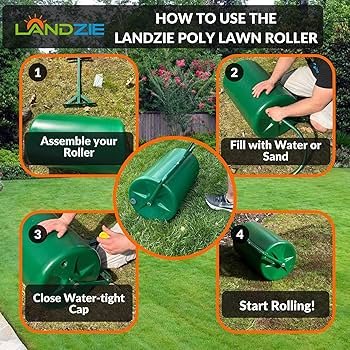
A lawn roller helps flatten your lawn for better grass growth. Filling it with water adds weight for good results. You can use water or sand, but water is easy to fill and drain.
Knowing how to fill your lawn roller correctly makes the task safe and effective. Read on for tips on preparation, filling methods, and safety rules.
Preparation Steps
Before filling your lawn roller, clean it well. Remove dirt and debris from inside and outside. Check for leaks or damage. Fix any holes or cracks to avoid water spills.
- Find a flat surface to place the roller
- Have a hose or bucket ready
- Wear gloves to protect your hands
- Make sure the plug or cap is removed
- Check the roller’s maximum weight limit
Filling Techniques
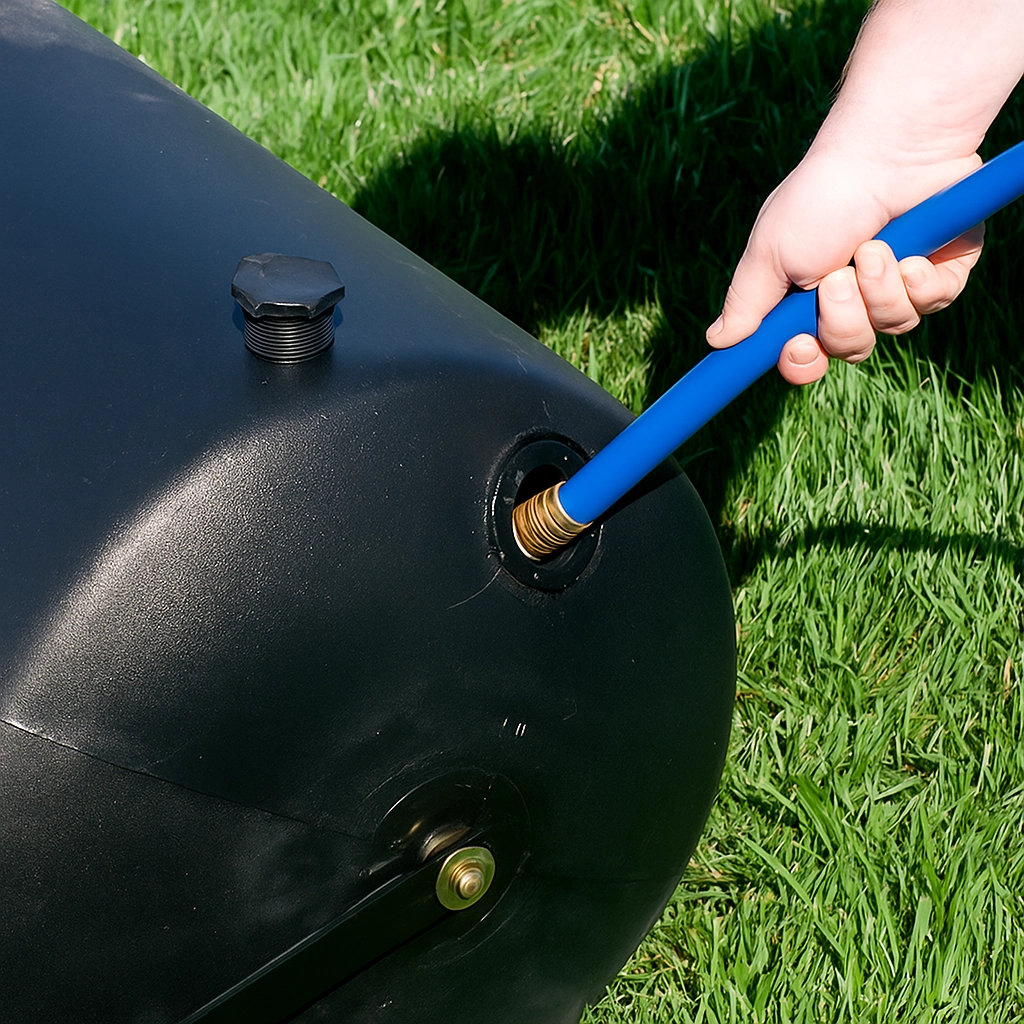
Filling your lawn roller is simple if you follow some tips. Use a hose or buckets to pour water into the roller’s opening. Fill slowly to avoid spills.
| Method | Steps |
| Using a Hose | Insert hose into opening, turn on water slowly, fill till full, then close cap tightly. |
| Using Buckets | Pour water carefully with a bucket, fill in small amounts, check weight, then seal the opening. |
| Adding Sand | Pour dry sand into the opening, shake gently to settle sand, then close cap securely. |
Safety Precautions
Safety is important when filling and using a lawn roller. Avoid overfilling because it can cause damage or injury. Always handle the roller carefully.
- Do not fill past the roller’s capacity
- Keep children away during filling
- Use gloves to avoid cuts from metal edges
- Store the roller on a flat surface to prevent rolling
- Empty the roller before storing for long periods
Alternatives To Water Filling
Many people wonder if they can fill a lawn roller with something other than water. Water is common because it is easy to fill and empty. But it is not the only option.
This article looks at other materials you can use to fill a lawn roller. It also compares their weight and how well they work.
Using Sand Or Other Materials
Sand is a popular choice for filling lawn rollers. It is heavier than water, which adds more weight for better rolling.
You can also use gravel or small stones. These materials are easy to find and add good weight. They do not leak like water, so you do not worry about spills.
- Sand is heavy and packs tightly.
- Gravel adds firm weight and is cheap.
- Small stones are easy to pour in and out.
- These materials do not freeze in cold weather.
Comparing Weight And Effectiveness
Water weighs about 8 pounds per gallon. Sand weighs more, about 12 pounds per gallon. This makes sand-filled rollers heavier and more effective on hard soil.
Rollers filled with sand or gravel stay heavy all year. Water can freeze and expand in winter, which may damage the roller.
| Material | Weight per Gallon | Effectiveness | Weather Impact |
|---|---|---|---|
| Water | 8 lbs | Good for soft soil | Freezes in cold weather |
| Sand | 12 lbs | Better for hard soil | Does not freeze |
| Gravel | 10-12 lbs | Good for firm weight | Does not freeze |
Credit: www.aosom.com
Maintenance And Storage Tips
Filling a lawn roller with water can make it heavier and more effective. Proper care helps keep your roller in good condition. Storing it the right way prevents damage.
Use these tips to maintain and store your lawn roller safely. Good habits extend the roller’s life and save you money.
Draining The Roller
Always drain the water from the roller after use. Water left inside can freeze and cause cracks. Emptying the roller keeps it safe and ready for next time.
Find the drain plug on the roller and remove it. Let all the water flow out. Make sure it is fully dry before storing.
- Remove the drain plug carefully
- Tip the roller to help water flow out
- Let the roller dry completely
- Replace the drain plug securely
Preventing Damage
Water-filled rollers need extra care to avoid rust and dents. Keep the roller clean after use. Check for any damage regularly and fix it fast.
Do not leave the roller in direct sunlight for long. Sun can weaken the materials and cause leaks. Store the roller in a dry, shaded spot.
- Clean mud and grass from the roller
- Inspect for cracks or rust spots
- Avoid dropping or banging the roller
- Keep out of strong sunlight
Winter Storage Advice
Before winter, drain the roller completely. Water left inside can freeze and break it. Store the roller indoors if possible to protect it from cold weather.
If indoor storage is not possible, cover the roller with a waterproof tarp. Elevate it off the ground to avoid moisture damage. Check the roller now and then during winter.
- Drain all water before winter
- Store indoors or in a dry shed
- Use a waterproof cover outside
- Keep roller off wet ground
- Inspect roller during winter months
Common Mistakes To Avoid
Filling a lawn roller with water can make it heavier and more effective. But some errors can cause problems. Avoid these common mistakes to keep your lawn and roller safe.
Knowing what to do and what to avoid helps you use the roller correctly. Read on to learn about common pitfalls.
Overfilling Risks
Filling the roller with too much water can cause damage. Overfilling may lead to leaks or cracks. The roller might also become too heavy to handle safely.
- Do not fill past the recommended maximum level.
- Check the roller’s capacity before adding water.
- Leave some space for water expansion on hot days.
- Use clean water to avoid rust inside the roller.
Ignoring Roller Weight Limits
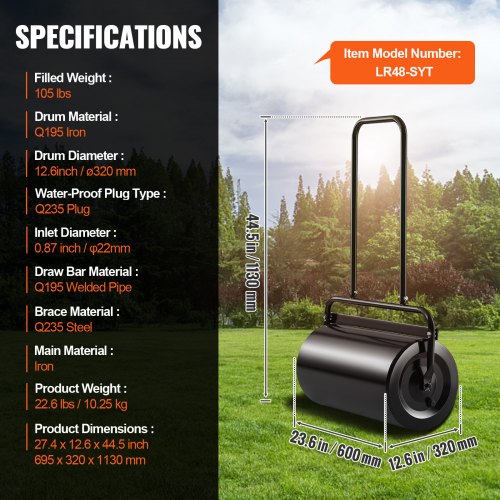
Each lawn roller has a weight limit. Exceeding this can damage your lawn and the roller itself. Heavy rollers can compact the soil too much, harming grass roots.
| Weight Limit | Effect of Exceeding |
| Light (under 50 lbs) | Safe for small lawns, less soil damage |
| Medium (50-100 lbs) | Good for most lawns, avoid excess water |
| Heavy (over 100 lbs) | Use carefully, can compact soil too much |
Neglecting Regular Checks
Not checking the roller regularly can cause problems. Leaks, cracks, or rust might develop if you ignore maintenance. Regular checks keep the roller safe and working well.
- Inspect the roller for cracks before each use.
- Check water level and refill if needed.
- Empty and dry the roller after use to prevent rust.
- Store the roller in a dry place.
Credit: www.vevor.ca
Frequently Asked Questions
Can I Fill A Lawn Roller With Water Safely?
Yes, most lawn rollers are designed to be filled with water safely. Filling adds weight for better soil compaction. Always check the manufacturer’s instructions before filling to avoid damage or leaks.
Why Fill A Lawn Roller With Water Instead Of Sand?
Water is easier to fill and empty, making it more convenient. It’s also lighter when empty, aiding storage and transport. Sand adds more weight but can be harder to handle and may clog drainage holes.
How Much Water Should I Put In A Lawn Roller?
Fill the roller about three-quarters full with water for optimal weight and balance. Avoid overfilling to prevent leaks and make handling easier. Always consult your roller’s manual for specific capacity guidelines.
Can I Use A Lawn Roller Without Filling It?
Yes, you can use a lawn roller empty, but it will be lighter and less effective. Filling it with water or sand increases weight, improving soil flattening and lawn leveling results.
Conclusion
Filling a lawn roller with water is a practical choice. It offers a simple way to add weight without extra cost. Water ensures even pressure on your lawn. This helps in leveling and achieving a smooth surface. Consider your lawn’s needs and roller size.
Always check for leaks before use. Store the roller properly to avoid damage. Remember, a well-maintained lawn roller enhances your lawn care routine. Choose wisely and keep your lawn looking its best. With the right approach, you can achieve a beautifully even lawn.
Happy gardening!
