
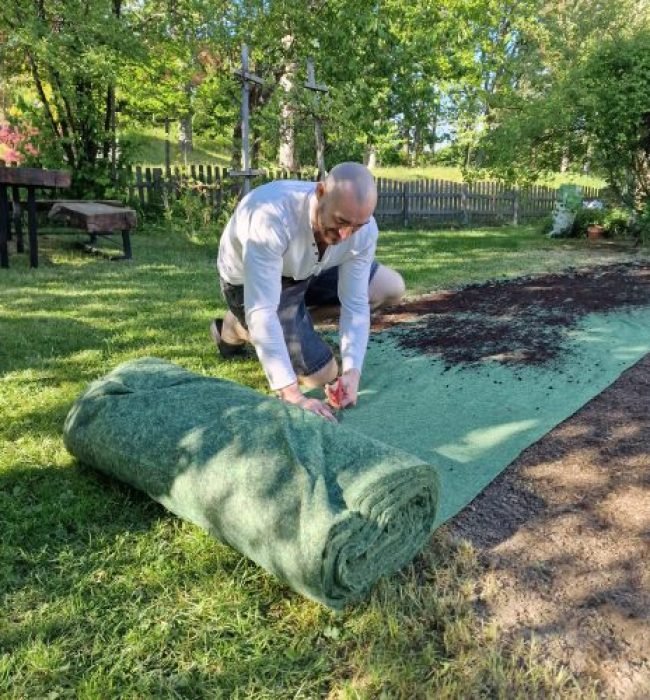
Are you tired of uneven patches and bumpy spots ruining the look of your lawn? Rolling your lawn might be the simple solution you’ve been searching for.
With the right steps, you can transform your grass into a smooth, healthy surface that looks great and feels perfect underfoot. This step-by-step guide will walk you through everything you need to know, making the process easy and effective. Keep reading, and you’ll discover how to give your lawn the makeover it deserves—without any guesswork or frustration.
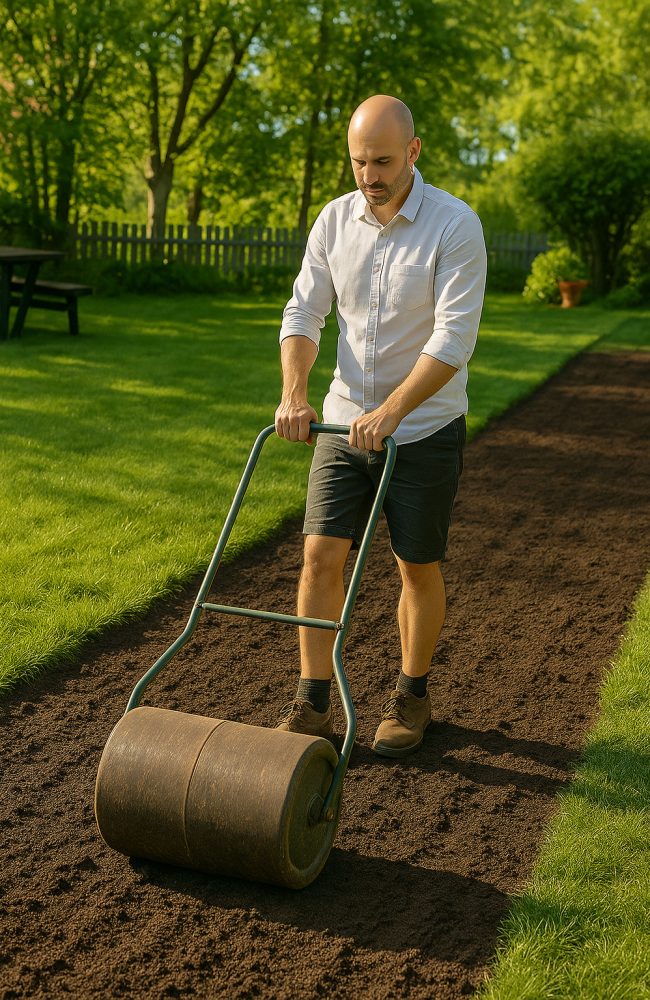
Credit: turfquick.com
Benefits Of Lawn Rolling
Lawn rolling helps improve your yard’s overall health and look. It presses soil and grass seeds firmly together.
This simple lawn care step gives many benefits that help grass grow strong and even.
Enhancing Soil Contact
Rolling the lawn pushes soil and grass seeds close. This helps seeds get water and nutrients from the soil. The soil also holds moisture better.
- Improves seed-to-soil contact
- Helps roots grow deep and steady
- Reduces air pockets that dry out seeds
Smoothing Uneven Surfaces
Lawn rolling flattens bumps and holes. This makes the lawn safe to walk and play on. It also looks neat and tidy.
| Problem | Effect of Rolling |
| Bumps | Flattened surface |
| Holes | Filled and leveled |
| Rough patches | Smoother texture |
Improving Seed Germination
Rolling helps seeds settle in soil. This keeps seeds moist and safe from birds. It also stops seeds from washing away after rain.
Ways lawn rolling aids seed germination:
- Keeps seeds in place
- Maintains soil moisture
- Protects seeds from wind and birds
- Ensures even seed depth
Choosing The Right Lawn Roller
A lawn roller helps create a smooth and even lawn surface. It presses down soil and grass to reduce bumps. Choosing the right roller is important for good results.
This guide explains the types of lawn rollers, size and weight factors, and the choice between manual and motorized rollers.
Types Of Lawn Rollers
Lawn rollers come in different types based on their design and filling. Each type works well for different lawn needs.
- Water-Filled Rollers:These rollers fill with water to add weight. They are easy to fill and empty.
- Sand-Filled Rollers:Filled with sand, these rollers are heavier and provide more pressure.
- Steel Rollers:Made of solid steel, these are very heavy and best for large areas.
Size And Weight Considerations
Choose a size and weight that fits your lawn and your strength. Too heavy rollers can damage soft soil.
| Roller Size | Recommended Lawn Size | Weight Range |
|---|---|---|
| Small (12-18 inches) | Small lawns or garden patches | 20-40 pounds (empty) |
| Medium (18-24 inches) | Medium-sized lawns | 40-80 pounds (filled) |
| Large (24-36 inches) | Large lawns or fields | 80-150 pounds (filled or solid) |
Manual Vs. Motorized Options
Manual rollers need you to push or pull them by hand. Motorized rollers use engines to move easily over large areas.
- Manual Rollers:Lightweight and affordable. Good for small lawns and light use.
- Motorized Rollers:Save effort on big lawns. They are heavier and cost more.
Preparing Your Lawn
Preparing your lawn is an important step before rolling. It helps the grass grow evenly and stay healthy. Follow these simple steps to get your lawn ready.
This guide will focus on mowing and clearing debris, watering before rolling, and marking problem areas on your lawn.
Mowing And Clearing Debris
Start by mowing your lawn to the right height. Remove leaves, sticks, and other debris. This makes rolling easier and protects your grass.
- Set your mower to a medium height for best results.
- Collect grass clippings to avoid clumps under the roller.
- Clear stones, sticks, and leaves from the lawn surface.
- Check for any holes or uneven spots after clearing.
Watering Before Rolling
Water your lawn a day before rolling. This makes the soil soft but not muddy. Rolling on wet soil can damage the grass roots.
| Watering Time | Effect on Lawn |
| Day Before Rolling | Softens soil, easier to roll |
| Rolling Day | Avoid watering, soil too soft |
| After Rolling | Water lightly to help grass recover |
Marking Problem Areas
Identify low spots, bumps, or bare patches. Mark these areas clearly so you can focus on them while rolling.
Use flags, sticks, or colored markers for easy spotting. This helps you apply extra pressure or avoid damaging weak spots.

Credit: balajinursery.org
Step By Step Rolling Process
Rolling your lawn helps to create a smooth, even surface. It presses the soil and grass gently to improve contact and appearance.
This guide explains how to roll your lawn carefully in four clear steps.
Filling The Roller
Before you start, fill the lawn roller with water or sand. This adds the right weight for effective rolling. Make sure not to fill it too much to avoid damage to the grass.
- Open the roller cap.
- Fill with water or sand up to the recommended level.
- Close the cap tightly to prevent leaks.
- Check the roller weight to match your lawn needs.
Rolling In Straight Lines
Roll your lawn in straight lines for the best results. This method covers the area evenly and avoids missing spots.
Start from one edge of the lawn and move to the opposite side, keeping the roller straight and steady.
Overlapping Passes
To ensure full coverage, overlap each pass slightly. This prevents gaps where the lawn may not be rolled enough.
| Pass | Overlap Amount |
| First | None |
| Second | About 6 inches (15 cm) |
| Third | About 6 inches (15 cm) |
Adjusting Pressure
You can adjust the pressure by changing the roller’s weight or speed. Use less weight on soft or new lawns to avoid damage.
Tips to adjust pressure:
- Fill the roller halfway for light pressure.
- Fill completely for firm pressure.
- Roll slowly to increase pressure.
- Roll quickly for light pressure.
Post-rolling Lawn Care
Rolling your lawn helps smooth the surface and press seeds into the soil. After rolling, take care to protect the grass and soil. Proper care helps your lawn grow healthy and strong.
Follow these tips to keep your lawn in good shape after rolling. Pay attention to watering, traffic, and lawn health.
Watering After Rolling
Water your lawn soon after rolling to help the soil settle and the grass roots absorb moisture. Keep the soil moist but not soaked. Avoid overwatering, which can cause damage.
- Water early in the morning or late in the evening.
- Use a gentle spray to avoid washing away seeds or soil.
- Water daily for the first week, then reduce frequency as grass grows.
Avoiding Excessive Traffic
Limit walking or heavy equipment on the lawn after rolling. Excess traffic can compact the soil and harm new grass blades.
- Mark the rolled areas with stakes or signs.
- Keep pets and children off the lawn for at least two weeks.
- Use alternative paths to avoid walking on the lawn.
Monitoring Lawn Health
Check your lawn regularly for signs of stress or disease. Early detection helps you take action before problems spread.
| Issue | Signs | Action |
| Dry soil | Brown patches, hard ground | Increase watering frequency |
| Fungal disease | Spots, discoloration | Apply fungicide or remove affected grass |
| Insect damage | Chewed grass, holes | Use pest control treatments |
Common Mistakes To Avoid
Rolling a lawn helps smooth the surface and improve grass growth. Doing it wrong can harm your lawn.
Avoid these common mistakes to keep your lawn healthy and looking great.
Rolling When Soil Is Too Wet
Rolling a lawn on wet soil can damage grass roots. The soil gets compacted and stops water and air from reaching roots.
Wait until the soil feels dry or slightly moist before rolling. Check by pressing your finger into the soil.
Over-rolling The Lawn
Rolling the lawn too many times makes the soil very hard. This stops grass from growing well.
Roll only once or twice after seeding or laying sod. Let the grass grow before rolling again.
- Too much rolling causes soil compaction
- Compacted soil reduces root growth
- Grass becomes weak and patchy
Ignoring Soil Type
Different soils react differently to rolling. Clay soils compact easily while sandy soils need less rolling.
Test your soil type before rolling. Adjust how much you roll based on the soil to avoid damage.
- Clay soil: Roll lightly to avoid compaction
- Sandy soil: Rolling can help settle the soil
- Loamy soil: Moderate rolling works best
When To Roll Your Lawn
Rolling your lawn helps flatten bumps and improve soil contact. Knowing the right time to roll keeps your grass healthy.
Rolling too early or too late can harm your lawn. This guide shows when to roll for the best results.
Best Seasons For Lawn Rolling
Roll your lawn during cool, moist seasons. Spring and fall are usually the best times. Grass grows well then and repairs damage faster.
Avoid rolling in hot summer months. Dry soil can crack and damage grass roots. Winter is too cold and can harm your lawn.
- Spring: Soil is soft, grass grows actively
- Fall: Cooler weather helps grass recover
- Avoid summer and winter rolling
Timing After Seeding Or Sodding
After seeding, wait until grass sprouts and grows 2-3 inches tall. Rolling too soon can damage young grass.
For new sod, roll right after laying to press roots into the soil. Then wait a week before rolling again.
- Seeded lawns: Roll when grass is 2-3 inches tall
- New sod: Roll immediately after installation
- Wait one week after first roll on sod
Credit: www.yarbo.com
Frequently Asked Questions
Why Is Rolling A Lawn Important After Seeding?
Rolling a lawn ensures better seed-to-soil contact. It improves seed germination and promotes even grass growth. Rolling also helps flatten soil irregularities, creating a smooth surface. This step enhances water absorption and prevents seed displacement caused by wind or rain.
When Is The Best Time To Roll A Lawn?
The best time to roll a lawn is right after seeding or sodding. This timing helps press seeds or sod firmly into the soil. Avoid rolling when the ground is too wet or dry to prevent soil compaction or damage.
How Often Should You Roll Your Lawn?
Roll your lawn once immediately after seeding or laying sod. Avoid frequent rolling, as it can compact the soil and harm grass roots. Occasional rolling may be done to smooth minor bumps but should be done carefully.
What Tools Are Needed For Rolling A Lawn?
A lawn roller, either filled with water or sand, is essential. You can rent or buy one depending on your lawn size. Additionally, a rake helps prepare the soil before rolling for better results.
Conclusion
Rolling your lawn is a simple task. It helps your grass grow stronger. Always check your soil’s moisture before starting. Wet soil can cause damage. Use the right roller for your lawn size. Keep your strokes even for a smooth finish.
Regular rolling maintains a level lawn. It also boosts lawn health. Remember, patience is key. Over time, you’ll see great results. Your lawn will look neat and tidy. Enjoy your lush, green space. Happy rolling!
