
You’ve just finished aerating your lawn, and now you’re wondering what comes next. Using a lawn roller after aeration might sound tricky, but it’s actually a simple step that can make a big difference in how your grass grows.
If you want a smooth, even surface and healthier roots, knowing exactly how and when to use a lawn roller is key. Keep reading to discover the easy steps you can follow to get the best results from your lawn care routine.
Your lawn will thank you!
Benefits Of Using A Lawn Roller After Aeration
Using a lawn roller after aeration helps improve your lawn’s health. It makes the soil firm and ready for grass growth.
A lawn roller presses the soil and seeds gently. This step supports better root growth and a smoother lawn surface.
Improving Soil Contact
The lawn roller pushes soil particles closer together after aeration. This helps soil contact with grass roots.
Good soil contact allows roots to get water and nutrients easily. It also reduces air pockets that stop root growth.
Enhancing Seed Germination
After aeration, seeds can fall into holes in the soil. Rolling helps press seeds firmly into the ground.
Firm seed contact with soil keeps moisture near seeds. This helps seeds sprout faster and grow stronger.
- Reduces seed loss from wind or birds
- Keeps seeds moist for quicker sprouting
- Supports even seedling growth
Smoothing The Lawn Surface
Aeration can leave small bumps or uneven spots in the lawn. Rolling helps flatten these areas for a smooth lawn.
A smooth lawn is easier to mow and looks better. It also helps prevent water from pooling in low spots.
Choosing The Right Lawn Roller
Using a lawn roller after aeration helps press soil and seeds for better growth. Picking the right roller makes the job easier and protects your lawn.
Consider the type, size, weight, and material of the roller. These factors affect how well the roller works on your lawn.
Types Of Lawn Rollers
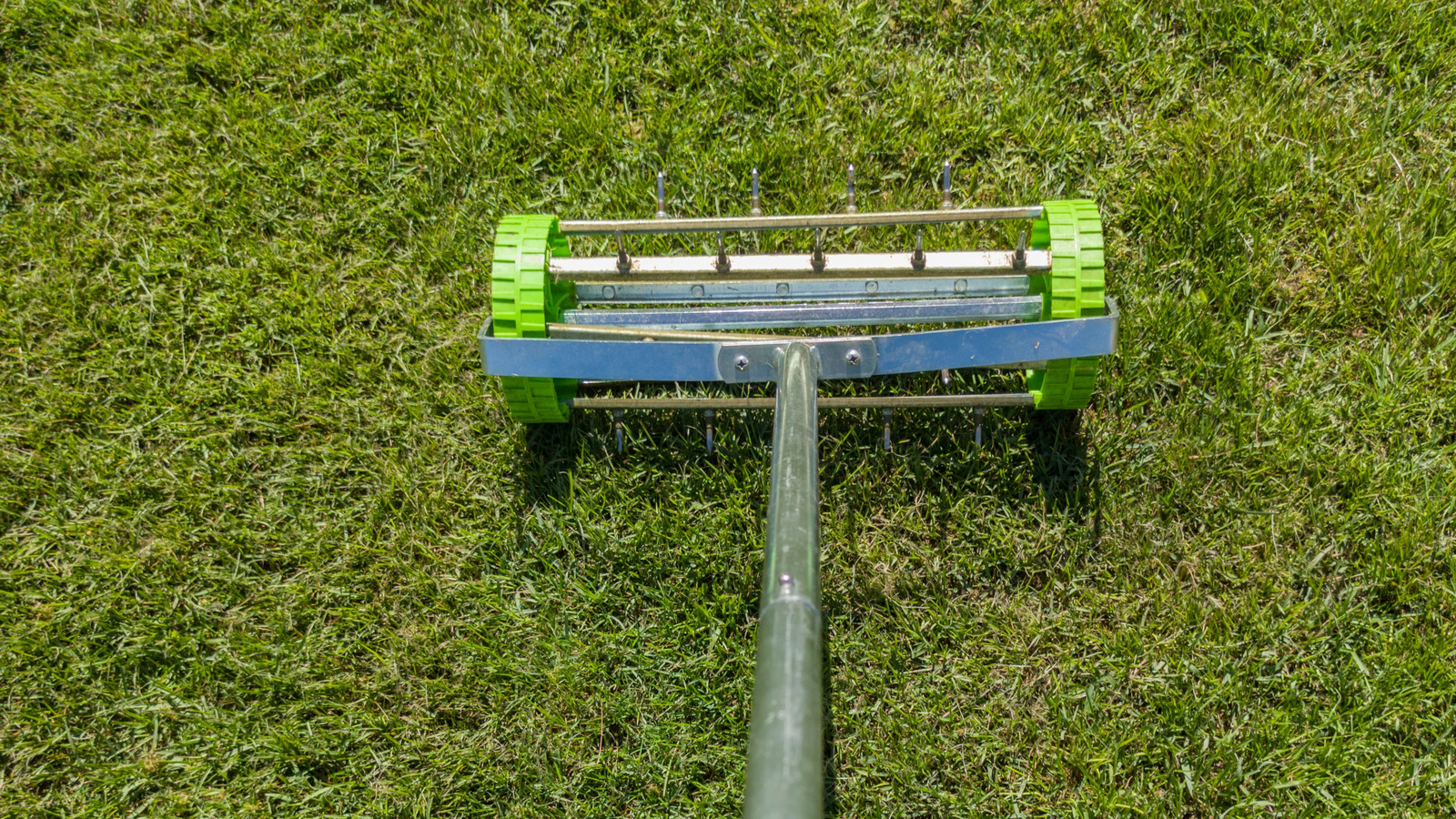
Lawn rollers come in different types to fit various lawn needs. Some are filled with water or sand, while others are solid metal or plastic.
- Water-filled rollers:Light when empty and heavy when filled. Easy to move and adjust weight.
- Sand-filled rollers:Heavier than water-filled and provide strong pressure. Harder to empty and move.
- Solid rollers:Made of metal or plastic. Very heavy and best for large lawns.
- Push rollers:Designed to be pushed by hand. Suitable for small yards.
Size And Weight Considerations
Choose a roller size and weight that matches your lawn size and soil type. Too heavy can damage soil; too light may not work well.
| Roller Size | Recommended Lawn Size | Weight Range |
| 12 to 18 inches wide | Small lawns under 1,000 sq ft | 20 to 40 lbs (empty) |
| 18 to 24 inches wide | Medium lawns 1,000 to 5,000 sq ft | 40 to 80 lbs (filled) |
| 24 inches and wider | Large lawns over 5,000 sq ft | 80 lbs and above |
Material Options
Lawn rollers are made from steel, plastic, or a mix. Each material has pros and cons.
- Steel:Very durable and heavy. Good for large lawns but can rust if not cared for.
- Plastic:Lightweight and rust-proof. Best for small lawns but less pressure.
- Composite:Combines plastic and metal parts. Offers balance of weight and durability.
Preparing Your Lawn For Rolling
Using a lawn roller after aeration helps press the soil back down. This makes your lawn smooth and even. Preparing the lawn correctly makes rolling more effective.
Start by getting your lawn ready. This means mowing, watering, and clearing debris. Each step is important before you roll your lawn.
Mowing The Grass
Cut the grass to a medium height before rolling. This helps the roller press the soil without damaging the grass blades. Avoid cutting too short, so the grass stays healthy.
Watering The Lawn
Water your lawn one or two days before rolling. The soil should be moist but not muddy. Moist soil rolls easier and settles better after aeration.
- Check the soil moisture by pressing it with your finger.
- Water the lawn evenly in the morning or late afternoon.
- Wait for the water to soak into the ground fully.
Clearing Debris
Remove leaves, sticks, and stones from your lawn. Debris can block the roller and damage your lawn. Clear the area to get a smooth roll.
| Debris Type | Why Remove |
|---|---|
| Leaves | Block roller and cause uneven pressure |
| Sticks | Can damage roller and lawn surface |
| Stones | May cause bumps and damage mower |

Credit: www.amazon.ca
Step-by-step Rolling Process
Using a lawn roller after aeration helps smooth the surface and improve soil contact. It also helps press seeds or fertilizer into the ground.
Follow these simple steps for the best results with your lawn roller after aeration.
Setting The Roller Weight
Start by adjusting the roller’s weight to avoid damaging the lawn. Too much weight can harm roots and soil structure.
Light to medium weight is best after aeration. Water can add weight if your roller has a hollow drum.
- Fill the roller with water slowly to control weight
- Check manufacturer instructions for weight limits
- Use less weight on soft or sandy soil
Rolling In Straight Lines
Roll your lawn in straight, even lines for the best coverage. This helps avoid missing spots or overworking certain areas.
Overlap each pass slightly to ensure smooth, consistent rolling across the entire lawn.
- Start at one edge of the lawn
- Roll in parallel lines across the yard
- Overlap each pass by a few inches
- Roll slowly and steadily for even pressure
Avoiding Over-compaction
Do not roll the lawn too many times. Over-compaction can block air and water from reaching roots.
Limit rolling to one or two passes after aeration. Check the soil texture to make sure it stays loose.
- Roll only once or twice per area
- Stop if soil feels very hard or dense
- Water the lawn lightly after rolling
- Use aeration to relieve compaction later if needed
Aftercare Tips Post-rolling
Using a lawn roller after aeration helps smooth the soil surface. Proper care after rolling ensures your lawn stays healthy.
Follow these tips to keep your grass growing strong and green after rolling.
Watering Schedule
Water your lawn lightly but often after rolling. This helps soil settle and grass recover from aeration.
- Water early in the morning to reduce evaporation.
- Keep the soil moist but not soaked.
- Water daily for the first week after rolling.
- Reduce watering frequency as grass grows back.
Fertilizing The Lawn
Fertilizing after rolling gives your lawn nutrients to grow healthy roots and blades.
| Fertilizer Type | When to Apply | Notes |
| Slow-release nitrogen | 1-2 weeks after rolling | Feeds grass slowly over time |
| Phosphorus | After aeration | Promotes strong root growth |
| Potassium | After rolling | Improves drought resistance |
Monitoring Lawn Health
Check your lawn regularly for signs of stress or damage after rolling and aeration.
- Yellow or brown patches
- Uneven grass growth
- Compacted soil spots
- Insect or pest damage
Address issues early to keep your lawn vibrant and healthy.

Credit: www.amazon.ca
Common Mistakes To Avoid
Using a lawn roller after aeration helps press soil plugs back into the ground. It can improve seed contact and lawn smoothness. You must avoid common mistakes to get good results.
Some wrong steps can harm your lawn or reduce aeration benefits. Learn what to avoid for a healthy, even lawn.
Rolling Too Soon After Aeration
Do not roll your lawn right after aeration. The soil and plugs need time to settle naturally. Rolling too soon can crush the soil cores and undo aeration benefits.
Wait at least one or two days before using the lawn roller. This delay lets the soil breathe and helps grass roots grow better.
Using Excessive Weight
Using a lawn roller that is too heavy can compact the soil too much. This stops water, air, and nutrients from reaching grass roots. It also damages soil structure.
Use a roller with moderate weight. Light to medium rollers work best after aeration to press soil gently without harm.
- Heavy roller = soil compaction
- Light roller = better soil health
- Medium weight balances firmness and root growth
Ignoring Weather Conditions
Rolling on wet or very dry soil causes problems. Wet soil compacts too much and damages roots. Dry soil becomes hard and uneven when rolled.
Choose a day when soil is slightly moist but not soggy. Ideal weather helps the roller work well and protects your lawn.
Credit: www.housedigest.com
Frequently Asked Questions
When Should I Use A Lawn Roller After Aeration?
Use a lawn roller immediately after aeration to press soil plugs back. This ensures better seed-to-soil contact and smooths the lawn surface for uniform growth.
How Heavy Should My Lawn Roller Be Post-aeration?
Choose a medium-weight roller to avoid soil compaction. Too heavy rollers can harm soil structure; too light won’t flatten plugs effectively. Aim for balanced pressure.
Can I Use A Lawn Roller On Wet Soil After Aeration?
Avoid rolling on overly wet soil. Wet conditions cause soil compaction and damage roots. Wait until the soil is moist but firm for best results.
How Often Should I Roll My Lawn After Aeration?
Rolling once immediately after aeration is sufficient. Excessive rolling can compact soil and harm grass roots. Stick to a single pass for optimal benefits.
Conclusion
Using a lawn roller after aeration can enhance your lawn’s health. It ensures soil contact with seeds, boosting growth. Roll gently, avoiding over-compaction. This step helps smooth the lawn surface. Your lawn looks even and well-maintained. Regularly rolling supports healthy grass development.
Achieve a lush, green lawn with these simple tips. Keep your lawn care routine consistent for best results. Lawn rolling complements aeration effectively. Enjoy the beauty of a vibrant, thriving lawn. Remember, a little effort goes a long way in lawn care.
Happy gardening!
