
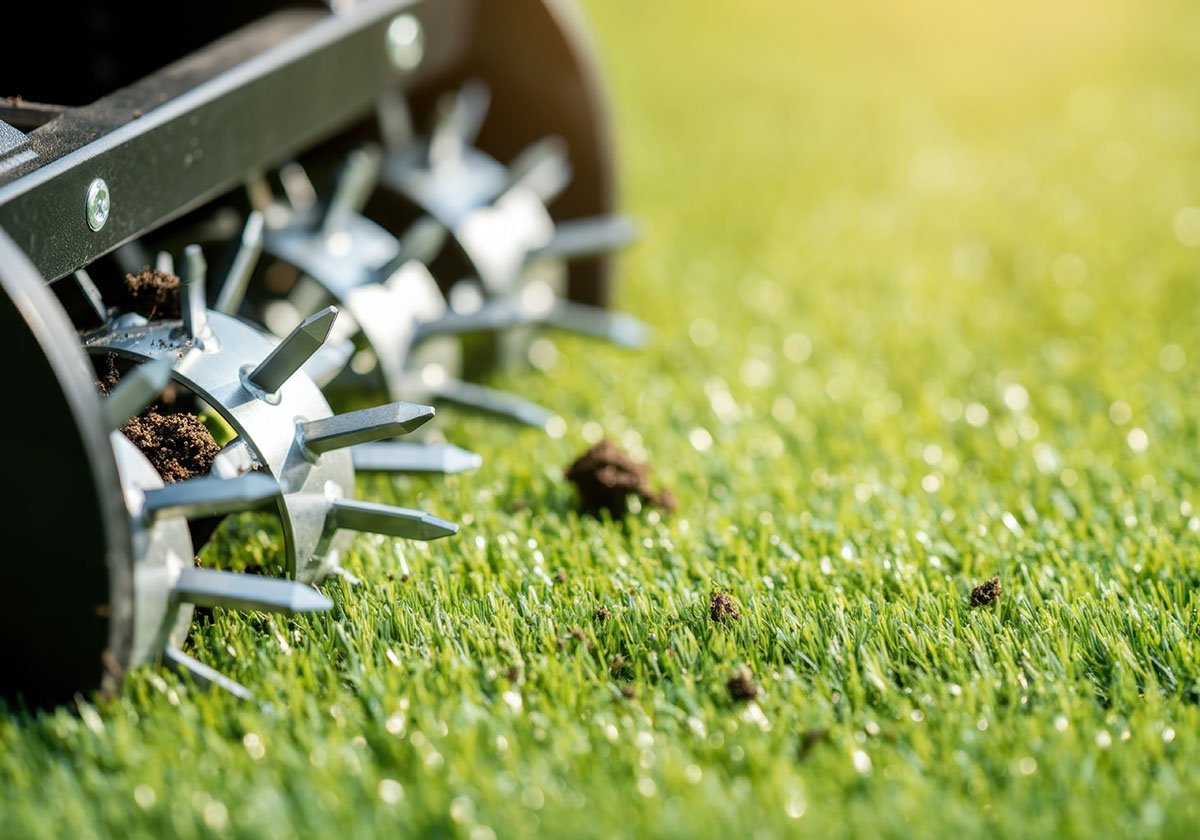
Is your yard struggling with soggy patches or poor drainage? You’re not alone, and the good news is there’s a simple fix that can transform your lawn’s health—yard aeration.
By learning how to aerate your yard properly, you can improve water flow, reduce puddles, and give your grass the oxygen it needs to thrive. Keep reading, and you’ll discover easy, effective steps to boost your yard’s drainage and make your outdoor space greener and more enjoyable than ever.
Benefits Of Yard Aeration
Aerating your yard helps improve its overall health. It involves making small holes in the soil. This lets air, water, and nutrients reach the roots easier.
Yard aeration can fix problems like water pooling and dry patches. It also supports strong grass growth for a greener lawn.
Improved Soil Health
Aeration breaks up compacted soil. This allows roots to grow deeper. It also helps soil microbes work better. These microbes keep the soil full of nutrients.
Enhanced Water Absorption
After aeration, water can soak into the soil faster. This reduces puddles and runoff. Your yard uses water more efficiently. It also lowers the risk of soil erosion.
- Water reaches the roots easily
- Less water waste on the surface
- Improved drainage in heavy rain
- Healthier soil moisture balance
Stronger Grass Roots
Aeration helps grass roots grow thick and strong. This makes the lawn more durable. It can better handle drought and foot traffic.
| Benefit | Effect on Grass |
| Better Air Flow | Stronger root growth |
| More Nutrients | Greener and thicker grass |
| Improved Water Access | Healthier during dry spells |
| Reduced Soil Compaction | Less damage from walking |
Signs Your Yard Needs Aeration
Aerating your yard helps water, air, and nutrients reach the grass roots. Without aeration, your yard can suffer from poor drainage and weak grass.
Look for these signs to know if your yard needs aeration to improve its health and drainage.
Water Pooling After Rain
If water stays on your yard surface after rain, it shows poor drainage. This often means the soil is compacted or clogged.
Standing water can damage grass roots and create muddy patches. Aeration helps water soak into the ground faster.
Compacted Soil
Hard, compact soil stops air and water from reaching roots. You can test this by pressing a screwdriver into the soil.
- If the screwdriver is hard to push in, your soil is compacted.
- Compaction limits grass growth and causes poor drainage.
- Aeration loosens soil, allowing roots to breathe and grow.
Thin Or Patchy Grass
Grass that grows thin or has bare spots may not get enough nutrients or water. This can happen if the soil is compacted or lacks air.
| Symptom | Possible Cause |
| Thin grass | Soil compaction |
| Patchy spots | Poor nutrient absorption |
| Weak grass roots | Lack of air and water |
Choosing The Right Aeration Method
Aerating your yard improves soil drainage and helps grass grow better. Picking the right aeration method makes the process easier and more effective.
This guide explains the differences between core and spike aerators, manual and machine aeration, and the best time to aerate.
Core Aerators Vs Spike Aerators
Core aerators remove small plugs of soil from the ground. This helps open the soil and lets air, water, and nutrients reach the roots.
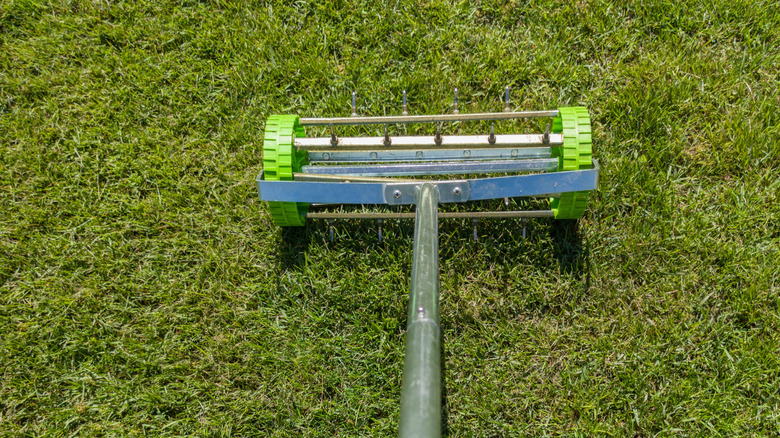
Spike aerators poke holes into the soil without removing plugs. They are easier to use but may compact the soil around the holes.
| Aerator Type | How It Works | Best For |
| Core Aerator | Removes plugs of soil | Compacted soil, heavy traffic areas |
| Spike Aerator | Creates holes by pushing spikes in | Lightly compacted soil, small yards |
Manual Vs Machine Aeration
Manual aerators are hand tools that require physical effort. They work well for small areas or spot aeration.
Machine aerators are powered and cover large areas faster. They are best for big yards or heavy soil compaction.
- Manual aerators cost less and need no fuel.
- Machine aerators save time and effort.
- Manual tools work well for tight spaces.
- Machines provide deeper and more even aeration.
When To Aerate
The best time to aerate depends on your grass type and climate. Aerating at the right time helps your lawn recover quickly.
- For cool-season grasses, aerate in early spring or fall.
- For warm-season grasses, aerate in late spring or early summer.
- Avoid aerating during drought or extreme heat.
- Water your lawn a day before aeration for softer soil.
Preparing Your Yard For Aeration
Aerating your yard helps improve soil drainage and allows roots to grow. Proper preparation makes aeration easier and more effective.
Before aerating, you need to get your yard ready. This includes mowing, watering, clearing debris, and marking obstacles.
Mowing And Watering
Cut your grass short before aeration. Short grass makes it easier for the aerator to reach the soil.
Water your yard a day before aeration. Moist soil is softer and easier to aerate than dry soil.
Clearing Debris
Remove leaves, sticks, rocks, and other debris from your yard. These obstacles can block the aerator and damage it.
- Rake fallen leaves and grass clippings
- Pick up sticks and large branches
- Clear any stones or toys from the lawn
Marking Obstacles
Mark sprinkler heads, cables, and shallow pipes before aerating. This helps avoid damage to your irrigation and underground systems.
| Obstacle | How to Mark |
|---|---|
| Sprinkler Heads | Use small flags or stakes |
| Underground Cables | Place bright colored markers |
| Shallow Pipes | Mark with cones or tape |
Step-by-step Aeration Process
Aerating your yard helps improve soil drainage and grass health. It creates small holes in the soil, letting air, water, and nutrients reach the roots.
This guide shows you how to aerate your yard correctly. Follow these steps for a greener, healthier lawn.
Using The Aerator
Choose the right aerator for your yard. You can rent a machine or use a manual tool. Make sure the soil is moist but not wet before starting.
Push or drive the aerator over the lawn in straight lines. The machine will pull out small plugs of soil, creating holes for better drainage.
- Water the yard a day before aeration
- Use a spike or plug aerator
- Walk or drive slowly for even holes
- Overlap passes slightly for full coverage
Covering The Entire Yard
Work your way across the yard in rows. Aerate one direction first, then aerate again at a 90-degree angle. This covers all areas evenly.
Pay attention to spots that look dry or patchy. These areas may need extra passes to improve drainage and soil health.
- Start at one edge of the yard
- Move in straight lines across the lawn
- Aerate again perpendicular to first passes
- Check for missed spots and cover them
Handling Heavy Traffic Areas
Heavy traffic areas get compacted soil and poor drainage. Spend extra time aerating these spots to loosen the soil deeply.
You may need multiple aerator passes in these areas. This helps grass roots grow stronger and reduces water pooling.
- Identify high traffic zones like paths and play areas
- Make extra aeration passes over these spots
- Consider adding topsoil or compost after aeration
- Water these areas well after aerating

Credit: www.nland.biz
Post-aeration Care
After aerating your yard, you need to care for it properly. Good post-aeration care helps your lawn grow healthy and strong.
Proper watering, fertilizing, and overseeding improve drainage and lawn health after aeration.
Watering Tips
Water your lawn lightly right after aeration. This helps soil settle back around the holes.
Keep the soil moist but not soaked for the first two weeks. Water deeply a few times a week after that.
- Water early in the morning to reduce evaporation.
- Use about 1 inch of water per week for best results.
- Avoid overwatering to prevent soggy soil.
Fertilizing After Aeration
Apply fertilizer soon after aeration. The holes let nutrients reach the roots better.
Choose a slow-release fertilizer to feed your lawn steadily. Follow the package instructions carefully.
- Use a balanced fertilizer with nitrogen, phosphorus, and potassium.
- Do not over-fertilize; it can harm your grass.
- Apply fertilizer when the soil is moist for better absorption.
Overseeding For Best Results
Overseeding fills in bare spots and thickens your lawn after aeration. It helps keep weeds away.
Spread grass seed evenly across the aerated area. Lightly rake to cover seeds with soil.
- Choose seed that matches your existing grass type.
- Water the area gently to keep seeds moist.
- Avoid heavy foot traffic until seeds sprout and grow.
Common Mistakes To Avoid
Aerating your yard helps improve drainage and lawn health. Many people make mistakes that reduce its benefits. Knowing what to avoid can save time and effort.
Read on to learn about common errors during aeration. Fixing these can lead to a healthier yard with better water flow.
Aerating During The Wrong Season
Aerating at the wrong time can harm your lawn instead of helping it. The best season depends on your grass type. Aerating cool-season grasses in fall or spring is ideal. Warm-season grasses do better in late spring or early summer.
- Aerating cool-season grass in summer can stress the lawn.
- Aerating warm-season grass in fall may delay growth.
- Doing it during drought or extreme heat can damage roots.
Ignoring Soil Testing
Soil testing shows if your yard needs nutrients or pH adjustment. Skipping this step can waste time and money. Aerating alone may not fix drainage problems if the soil is compacted or unbalanced.
| Common Soil Problem | Effect on Yard | How Testing Helps |
| High Clay Content | Poor drainage and compaction | Suggests aeration and soil amendments |
| Low pH (Acidic) | Slow grass growth | Recommends lime application |
| Low Nutrient Levels | Weak lawn and thin grass | Guides fertilizer use |
Skipping Post-aeration Care
Aeration creates holes that need care for best results. Skipping post-aeration steps can reduce benefits and slow lawn recovery.
- Do not water your lawn after aeration to help settle soil.
- Apply fertilizer to feed grass roots in the holes.
- Overseeding helps fill thin spots and improves lawn density.
- Keep off the lawn for a few days to avoid soil compaction.

Credit: landzie.com
Credit: www.housedigest.com
Frequently Asked Questions
What Is Lawn Aeration And Why Is It Important?
Lawn aeration involves perforating the soil to improve air, water, and nutrient flow. It helps reduce soil compaction and promotes healthier grass growth. Aeration also enhances drainage, preventing water pooling and root rot, making your yard more resilient and lush.
When Is The Best Time To Aerate My Yard?
The best time to aerate is during your lawn’s active growth phase. For cool-season grasses, early spring or fall is ideal. For warm-season grasses, late spring to early summer works best. This timing ensures quick recovery and maximum benefits.
How Often Should I Aerate My Yard For Better Drainage?
Most lawns benefit from aeration once a year. However, heavily compacted or clay soils may require aeration twice a year. Regular aeration improves drainage steadily and maintains healthy soil structure over time.
Can I Aerate My Yard Myself Or Hire A Professional?
You can aerate your yard yourself using manual or powered aerators. DIY aeration is cost-effective but requires effort and proper technique. Hiring a professional ensures thorough aeration, especially for large or severely compacted lawns.
Conclusion
Aerating your yard improves drainage and promotes healthier grass. Simple tools like a garden fork or aerator can help. Aeration allows air, water, and nutrients to reach roots. This process reduces soil compaction, enhancing grass growth. Regular aeration maintains a lush, green lawn.
For best results, aerate during the growing season. Spring and fall are ideal times. Consistency is key for long-term benefits. Watch your yard transform with regular care. Enjoy a vibrant, well-drained lawn. Your efforts will be rewarding. Keep your yard thriving year-round with these simple steps.
Happy gardening!
