

Are you tired of piles of fallen leaves cluttering your yard every autumn? You might wonder if a leaf vacuum can really mulch leaves efficiently and save you time and effort.
Imagine turning those messy leaves into fine mulch that nourishes your garden instead of just tossing them away. You’ll discover how leaf vacuums work, whether they live up to the promise of easy mulching, and how they can transform your leaf cleanup routine.
Keep reading to find out if a leaf vacuum is the smart tool your yard needs this season.
How Leaf Vacuums Work
Leaf vacuums help clean yards by sucking up leaves quickly. They make yard work easier and faster.
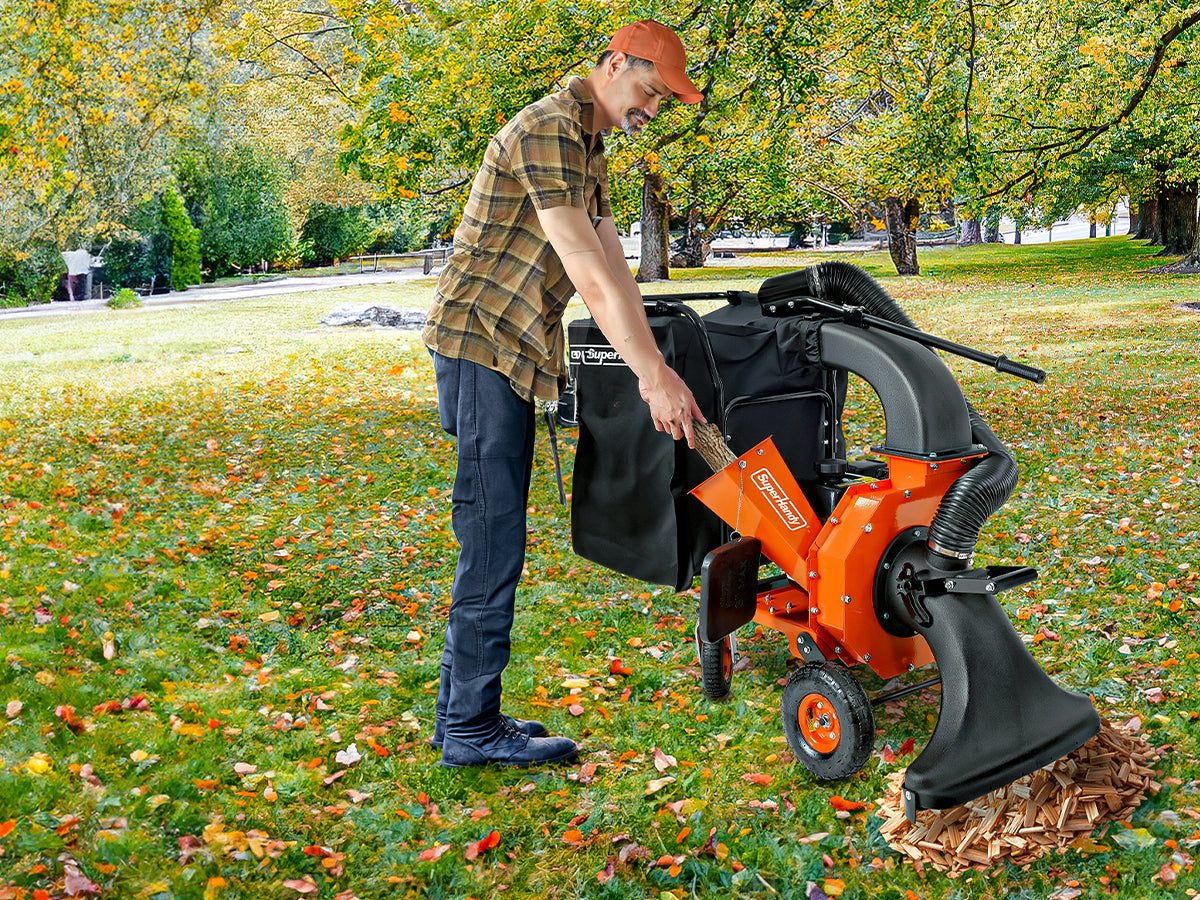
These machines use special parts to pull in, chop, and store leaves. Understanding these parts shows how they work well.
Suction Mechanism
The suction mechanism pulls leaves into the vacuum. A strong fan or impeller creates air flow that lifts leaves off the ground.
Powerful suction helps pick up wet or dry leaves from lawns, driveways, or sidewalks.
- Fan spins fast to draw air inside
- Leaves are lifted by the air flow
- Wide nozzle helps cover more area
Mulching Process
Mulching cuts leaves into small pieces inside the vacuum. Sharp blades or a shredder chop leaves as they enter.
Smaller leaf pieces take up less space and decompose faster, making mulch good for gardens.
- Blades spin to shred leaves
- Leaves turn into fine mulch
- Reduces volume by up to 75%
Collection System
The collection system stores shredded leaves inside a bag or container. It keeps the yard clean during use.
Some vacuums have easy-to-remove bags for fast emptying. This system helps you handle large amounts of leaves.
- Leaves move into a storage bag
- Bags are made of breathable material
- Easy to detach and empty
Credit: superhandyus.com
Benefits Of Using Leaf Vacuums
Leaf vacuums help clear fallen leaves quickly and easily. They are useful tools for maintaining a clean yard in fall.
Using a leaf vacuum offers many advantages for time, lawn care, and waste management. These benefits make yard work less stressful.
Time-saving Advantages
Leaf vacuums pick up leaves faster than raking. This saves hours of work during the fall season.
- Collect leaves quickly without bending or raking
- Reduce the number of trips to the compost or trash bin
- Work efficiently on large areas with less effort
Lawn Health Improvement
Removing leaves keeps grass healthy. Leaves left on the lawn can block sunlight and trap moisture.
| Effect | Benefit of Leaf Vacuum |
|---|---|
| Sunlight Exposure | Leaves are removed, allowing grass to get sunlight |
| Air Circulation | Vacuuming prevents thick leaf layers that block air |
| Moisture Control | Reduced moisture buildup lowers risk of mold and fungus |
Reduced Waste Volume
Leaf vacuums shred leaves into small pieces. This reduces the amount of yard waste you need to dispose of.
- Shredded leaves take up less space in bags
- Smaller leaf pieces decompose faster in compost
- Less frequent trips to the dump or curbside pickup
Types Of Leaf Vacuums
Leaf vacuums help clean yards by collecting leaves fast. They come in different styles to fit various needs.
Choosing the right type depends on your yard size and how often you clean leaves.
Handheld Models
Handheld leaf vacuums are light and easy to carry. They work well for small yards or quick cleanups.
These models are usually electric or battery-powered. They are quiet and simple to use.
Backpack Leaf Vacuums
Backpack leaf vacuums strap on your back for better mobility. They are stronger than handheld models and good for medium to large yards.
- Provide hands-free operation
- Have larger collection bags
- Offer better suction power
- Can be powered by gas or battery
Walk-behind Vacuums
Walk-behind leaf vacuums are the biggest and most powerful. They are ideal for large properties or heavy leaf fall.
| Feature | Advantage |
| Size | Large collection capacity |
| Power | Strong suction for thick leaves |
| Operation | Pushed on wheels for ease |
| Use | Best for big yards and commercial use |

Credit: www.familyhandyman.com
Factors Affecting Mulching Efficiency
Mulching leaves with a vacuum device depends on several factors. These elements affect how well the leaves get chopped and spread.
Understanding these factors helps you choose the right tool and use it properly for better yard care.
Leaf Type And Moisture
Different leaves behave differently when mulched. Dry leaves break down easily. Wet leaves are heavier and can clog the vacuum.
- Dry, brittle leaves shred quickly and spread evenly.
- Wet or sticky leaves may stick inside the vacuum tube.
- Thick or large leaves need more power to mulch well.
- Freshly fallen leaves often have higher moisture, reducing efficiency.
Vacuum Power And Design
The strength of the vacuum motor affects mulching speed and quality. Design features also play a role.
| Feature | Effect on Mulching |
| Motor Power (Watts) | Higher power mulches leaves faster and finer. |
| Tube Shape | Smooth tubes reduce clogging and improve flow. |
| Blade Type | Sharp blades cut leaves into smaller pieces. |
| Noise Level | Quieter motors may have less power. |
Bag Capacity And Airflow
The size and airflow system of the collection bag affect how long you can mulch without stopping.
Key points about bag capacity and airflow:
- Larger bags hold more mulched leaves, reducing emptying time.
- Good airflow prevents the bag from getting too heavy and clogged.
- Some bags have mesh designs to allow air out but keep leaves in.
- A full or clogged bag lowers vacuum power and mulching efficiency.
Tips For Maximizing Mulching Performance
Leaf vacuum mulchers help turn fallen leaves into useful mulch. Using them well saves time and makes your garden healthy.
Follow simple tips to get the best results from your leaf vacuum mulching.
Proper Leaf Preparation
Prepare leaves before mulching to improve efficiency. Dry leaves shred more easily than wet ones.
- Rake leaves into piles to collect them quickly.
- Remove large sticks and debris to avoid jams.
- Let wet leaves dry if possible before mulching.
- Use a tarp to move leaves faster.
Optimal Vacuum Settings
Adjust vacuum settings to match leaf type and ground conditions. Proper settings improve mulching and reduce clogs.
| Setting | Best Use |
| High suction | Dry, loose leaves |
| Medium suction | Lightly damp leaves |
| Low suction | Wet or heavy leaves |
| Brush speed | Adjust for leaf thickness |
Regular Maintenance
Keep your leaf vacuum mulcher in good shape to work well and last longer. Clean and check it often.
- Empty the mulch bag before it gets full.
- Check for blockages in the hose and blades.
- Sharpen blades regularly for clean cuts.
- Lubricate moving parts to avoid wear.
- Store the vacuum in a dry place.
Common Challenges And Solutions
Leaf vacuums are popular tools for cleaning yards efficiently. They can mulch leaves, making disposal easier. Yet, users face some common problems while using them.
Understanding these challenges helps in using leaf vacuums better. It also improves the mulching process and saves time.
Clogging Issues
Leaf vacuums often clog when too many leaves gather inside the chute. Clogs slow down work and can damage the machine.
Leaves that are wet or stuck together cause most clogging problems. Twigs and debris can also block the vacuum.
- Clear the chute regularly to prevent build-up.
- Use the vacuum on dry leaves for better flow.
- Remove twigs and large debris before vacuuming.
- Check the machine’s manual for proper cleaning steps.
Noise Levels
Leaf vacuums can be loud and cause noise issues. High noise levels may disturb neighbors and limit use times.
Gas-powered vacuums are usually louder than electric ones. Noise depends on the vacuum’s motor size and design.
- Use hearing protection when operating the vacuum.
- Choose electric models for quieter operation.
- Operate the vacuum during daytime hours only.
- Maintain the vacuum to avoid extra noise from loose parts.
Handling Wet Leaves
Wet leaves are harder to vacuum and mulch. They stick together and clog the machine more easily.
Using a leaf vacuum on wet leaves can reduce its efficiency and cause damage over time.
- Wait for leaves to dry before vacuuming.
- Use a rake to break up wet leaf piles.
- Vacuum smaller areas if leaves are damp.
- Clean the vacuum after use to remove wet residue.
Comparing Leaf Vacuums To Other Tools
Leaf vacuums are machines designed to collect fallen leaves quickly. Many people use different tools to handle leaves in their yards. It is useful to understand how leaf vacuums stack up against common alternatives.
This guide looks at rakes and brooms, leaf blowers, and composters. Each tool has its strengths and limits when used for leaf cleanup and mulch.
Rakes And Brooms
Rakes and brooms are simple, manual tools for gathering leaves. They require physical effort and time but give good control over where leaves go.
- Rakes work well on grass and uneven ground.
- Brooms are best for hard surfaces like driveways and patios.
- Both tools do not mulch leaves but just collect them.
- They are quiet and do not use fuel or electricity.
- These tools may not be ideal for large areas.
Leaf Blowers
Leaf blowers use air to move leaves into piles. They speed up leaf collection but do not mulch or vacuum leaves.
| Feature | Leaf Vacuum | Leaf Blower |
| Leaf collection | Vacuum and mulch leaves | Blow leaves into piles |
| Noise level | Moderate | High |
| Physical effort | Low | Low |
| Fuel/Electric use | Yes | Yes |
| Leaf mulching | Yes | No |
Composters
Composters turn leaves and yard waste into nutrient-rich soil. They do not collect leaves but process them after collection.
Key points about composters:
- They require dry, shredded leaves for faster composting.
- Leaf vacuums can mulch leaves, making them ready for composters.
- Composting helps recycle leaves into garden fertilizer.
- Not a tool for leaf removal but a follow-up step.
Environmental Impact
Leaf vacuum mulching helps manage fallen leaves in yards and gardens. It collects and breaks down leaves into small pieces.
This process can affect the environment in different ways. Understanding these effects helps us make better choices.
Energy Consumption
Leaf vacuums use electricity or fuel to run. They consume energy during the mulching process.
Using energy-efficient leaf vacuums lowers power use. This reduces pollution from power plants or fuel burning.
- Electric leaf vacuums use less energy than gas models
- Energy-efficient models save power and reduce emissions
- Manual raking uses no energy but takes more time
Waste Reduction
Vacuum mulching reduces the volume of leaf waste. It turns leaves into mulch that can be reused.
This process lowers the amount of leaves sent to landfills. It also cuts down on leaf pile burning, which causes air pollution.
- Mulched leaves can enrich garden soil
- Less leaf waste means less trash collection needed
- Reduces harmful smoke from burning leaves
Sustainability Benefits
Leaf vacuum mulching supports sustainable gardening practices. It helps recycle natural materials back into the earth.
Using leaf mulch improves soil health and water retention. It also lowers the need for chemical fertilizers.
- Encourages natural decomposition of leaves
- Boosts soil nutrients without chemicals
- Supports healthier plants and ecosystems
Choosing The Right Leaf Vacuum
Leaf vacuums help clear leaves from your yard quickly. Picking the right one makes the job easier.
This guide covers budget, yard size, and features to think about before buying a leaf vacuum.
Budget Considerations
Set a budget before looking at leaf vacuums. Prices vary based on power and features. Decide how much you want to spend.
- Low-cost models suit small yards and light use.
- Mid-range options offer better power and durability.
- High-end vacuums have extra features for large yards.
Yard Size And Leaf Volume
Think about your yard size and how many leaves fall each season. This affects the vacuum’s capacity and power needs.
| Yard Size | Leaf Volume | Recommended Vacuum Type |
| Small (under 1,000 sq ft) | Low | Lightweight, handheld |
| Medium (1,000-5,000 sq ft) | Medium | Backpack or walk-behind |
| Large (over 5,000 sq ft) | High | Walk-behind with large bag |
Feature Preferences
Look for features that make leaf vacuuming easier and faster. Consider which ones fit your needs best.
- Adjustable suction power for different leaf types
- Easy-to-empty leaf bags to save time
- Lightweight design for better handling
- Mulching ability to reduce leaf volume
- Noise level suitable for your neighborhood

Credit: www.vevor.com
Frequently Asked Questions
Can Leaf Vacuums Mulch Leaves Effectively?
Yes, leaf vacuums can mulch leaves efficiently by shredding them into small pieces. This reduces volume and makes disposal easier.
How Does Mulching Improve Leaf Vacuum Efficiency?
Mulching breaks leaves into finer bits, enhancing vacuum suction. It also speeds up collection and reduces bag emptying frequency.
Are Mulched Leaves Good For Composting?
Absolutely, mulched leaves decompose faster and enrich compost. They improve soil health by adding organic matter and nutrients.
Can All Leaf Vacuums Mulch Leaves Equally Well?
No, mulching ability varies by model. High-quality vacuums have sharper blades and stronger motors for better mulching performance.
Conclusion
Leaf vacuums can effectively mulch leaves in your yard. They save time and reduce waste. With the right model, you can handle large leaf piles easily. Consider the vacuum’s power and capacity for better results. Regular maintenance keeps your machine working smoothly.
Many find it a helpful tool for yard upkeep. It simplifies the cleanup process, making it less of a chore. Think about your yard size and needs before buying. A leaf vacuum might just be the tool you need for efficient leaf management.
