
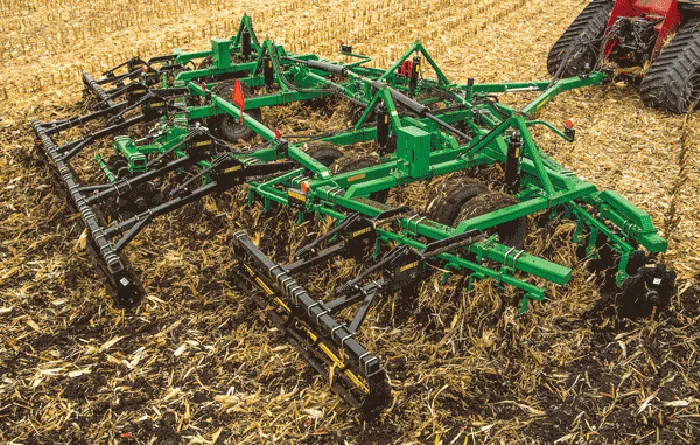
Have you ever wondered how a cultivator works and why it’s such a powerful tool for your garden or farm? Understanding how this simple machine breaks up soil and prepares your land can save you time and effort.
Whether you’re a beginner or looking to improve your gardening skills, knowing exactly what a cultivator does will help you get healthier plants and better results. Keep reading, and you’ll discover how this tool can transform your soil and make your work easier than ever before.
Basics Of A Cultivator
A cultivator is a farming tool used to prepare the soil for planting. It helps loosen the soil and remove weeds. This tool is important for healthy crop growth.
Cultivators come in different types and have several key parts. Knowing these helps you understand how they work.
Types Of Cultivators
Cultivators vary by size and use. Some are small and for gardens. Others are large and used on farms. Each type works differently to prepare soil.
- Hand-held cultivators: Used for small gardens and easy to carry.
- Rotary cultivators: Use rotating blades to break the soil.
- Tractor-mounted cultivators: Attach to tractors for large fields.
- Power cultivators: Have engines to drive blades or tines.
Key Components
Cultivators have parts that work together to till soil. Each part has a role in making soil ready for planting.
| Component | Description |
| Frame | Supports the cultivator and holds all parts together. |
| Tines or Blades | Cut and loosen the soil to remove weeds and aerate the ground. |
| Engine or Power Source | Drives the blades or tines in powered cultivators. |
| Handle or Hitch | Used to hold or attach the cultivator to a tractor. |

Credit: www.amazon.ca
How Cultivators Till Soil
Cultivators are tools that help farmers prepare soil for planting. They break up the ground and mix the soil.
Using a cultivator makes soil loose and ready for seeds. It also removes weeds and old plant material.
Tilling Mechanism
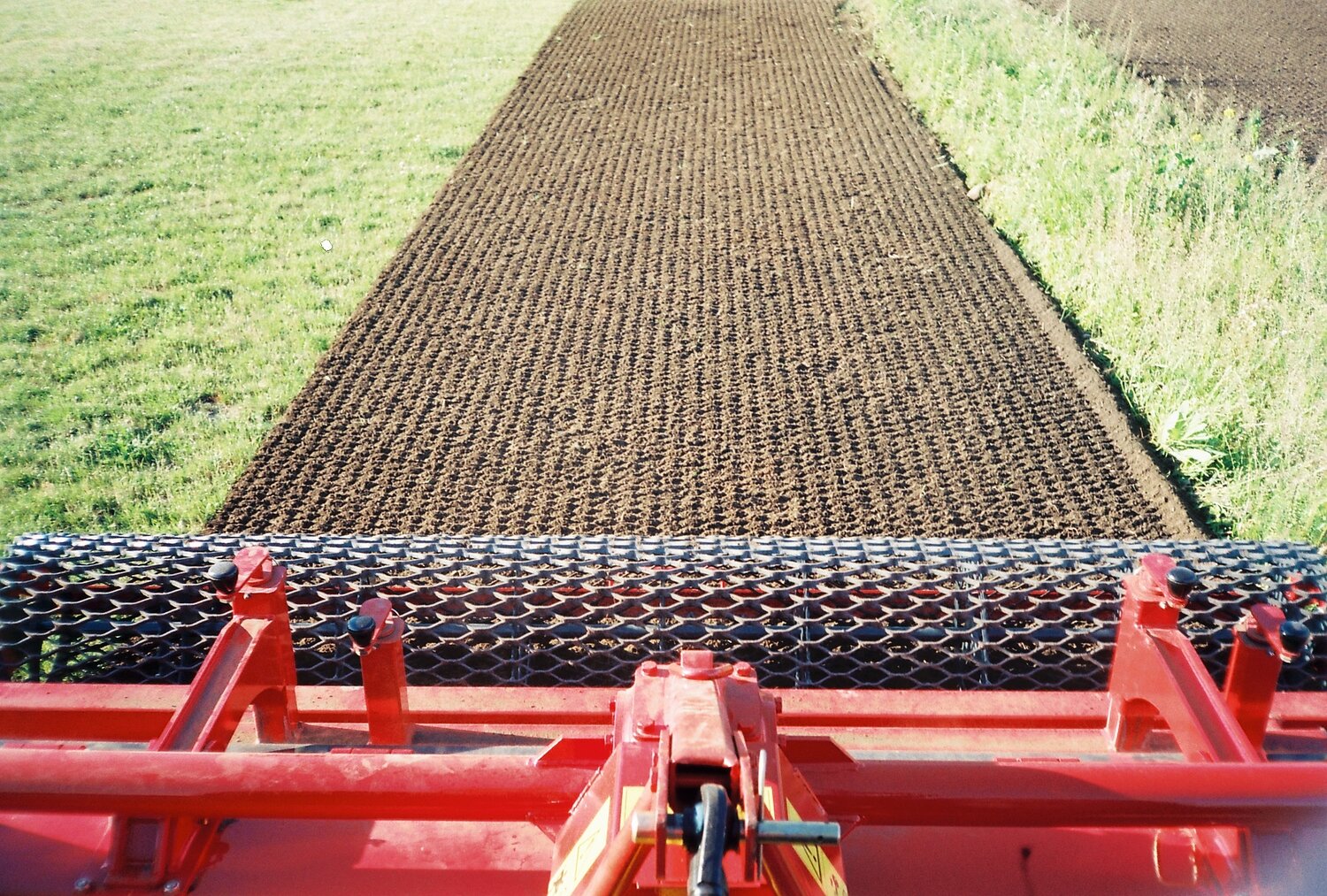
The cultivator tills soil by using rotating blades or tines. These parts dig into the ground as the machine moves.
The blades cut through the soil and turn it over. This breaks hard clumps into smaller pieces for easy planting.
- Rotating blades or tines dig into the soil
- Soil is loosened and broken up
- Old roots and weeds are cut and mixed in
- The soil surface is smoothed
Soil Preparation Process
The cultivator prepares the soil by tilling and mixing nutrients evenly. This helps seeds grow better.
It also improves soil aeration and water absorption. This creates a healthy environment for plant roots.
- Breaks soil into fine particles
- Mixes organic matter and fertilizers
- Removes weeds and debris
- Improves air and water flow in soil
Benefits Of Using A Cultivator
A cultivator is a tool used in farming and gardening. It helps prepare the soil for planting. Using a cultivator makes soil work easier and faster.
This tool has many benefits. It improves soil health and helps plants grow better. Here are some key benefits of using a cultivator.
Improved Soil Aeration
A cultivator breaks up hard soil. This allows air to reach plant roots. Good air flow helps roots get oxygen needed for growth.
Soil aeration also helps water drain well. It stops water from pooling and causing root rot. Plants grow stronger with better soil air.
Weed Control
Cultivators help remove weeds from the soil. They cut and uproot small weeds before they grow large. This lowers competition for nutrients.
Keeping weeds under control protects young plants. It reduces the need for chemical weed killers. Cultivators make weed management easier.
Enhanced Nutrient Mixing
The cultivator mixes soil layers well. It spreads nutrients evenly across the field. This helps plants get the food they need.
Mixing also helps break down organic matter. This releases more nutrients into the soil. Plants can grow healthier and yield more.
Choosing The Right Cultivator
Choosing the right cultivator can make gardening easier and more efficient. It depends on your garden size and soil type.
This guide helps you pick a cultivator that fits your needs. Learn about size, power, and soil suitability.
Size And Power Options
Cultivators come in different sizes and power levels. Small cultivators work well in tight spaces. Larger ones cover bigger areas fast.
- Electric cultivators are light and easy to use for small gardens.
- Gas-powered cultivators offer more power for tough soil.
- Heavy-duty cultivators suit large farms and deep tilling.
Suitability For Soil Types
Different cultivators handle soil types differently. Some work better on soft soil, others on hard clay or rocky ground.
| Soil Type | Recommended Cultivator | Notes |
| Soft Soil | Light Electric Cultivator | Easy to maneuver, less power needed |
| Clay Soil | Gas-Powered Cultivator | Higher torque for breaking hard soil |
| Rocky Soil | Heavy-Duty Cultivator | Strong build to handle obstacles |
Maintenance Tips For Efficiency
Keeping your cultivator in good condition helps it work well. Regular care prevents problems and saves time.
Follow simple maintenance steps to keep your cultivator efficient and durable.
Regular Cleaning
Clean your cultivator after each use. Dirt and debris can cause damage and reduce performance.
- Remove soil from blades and tines with a brush.
- Wipe metal parts with a damp cloth.
- Dry the cultivator to prevent rust.
- Check for stuck debris and clear it out.
Blade Sharpening
Sharp blades cut soil better and use less power. Dull blades slow work and stress the machine.
| Sharpening Tips | Why It Matters |
|---|---|
| Use a file or sharpening stone | Keeps edges sharp and effective |
| Sharpen blades regularly | Ensures smooth soil cutting |
| Wear gloves for safety | Protects your hands during sharpening |
| Check blade balance after sharpening | Prevents vibration and wear |
Proper Storage
Store your cultivator in a dry place. Good storage stops rust and damage.
Follow these storage tips:
- Keep the cultivator off the ground on a shelf or stand.
- Cover it with a cloth or plastic sheet.
- Drain fuel if you will not use it for a long time.
- Check parts for wear before storing.

Credit: www.einboeck.at
Innovations In Cultivator Technology
Modern cultivators have seen significant advancements. These innovations make farming more efficient and sustainable.
New technologies enhance how cultivators work. This leads to better crop management and reduced labor costs.
Automation And Smart Features
Automation helps farmers save time and effort. Cultivators now come with smart features for precision farming.
These features include GPS guidance and automated depth control. They ensure accurate soil preparation.
- GPS helps track and guide cultivator paths
- Automated depth control adjusts to soil conditions
- Real-time data collection improves decision-making
Eco-friendly Designs
Eco-friendly designs reduce environmental impact. New cultivators use less fuel and produce fewer emissions.
These designs focus on sustainability. They aim to protect the soil and enhance crop growth.
| Feature | Benefit |
| Fuel efficiency | Lowers costs and emissions |
| Minimal soil disturbance | Preserves soil structure |
Credit: www.rotadairon.com
Frequently Asked Questions
What Is The Primary Function Of A Cultivator?
A cultivator loosens and aerates soil to prepare it for planting. It removes weeds and improves soil structure, enhancing crop growth.
How Does A Cultivator Differ From A Tiller?
A cultivator works shallowly to aerate soil and control weeds. A tiller digs deeper, breaking up hard soil for planting.
Can A Cultivator Improve Soil Health?
Yes, a cultivator enhances soil aeration and water absorption. This promotes root growth and increases beneficial microbial activity in the soil.
What Types Of Cultivators Are Commonly Used?
Common types include rotary, tine, and blade cultivators. Each suits different soil types and farming needs for efficient soil preparation.
Conclusion
A cultivator helps prepare soil by breaking and loosening it. It removes weeds and mixes nutrients evenly. This tool saves time and effort on farms and gardens. Using a cultivator keeps plants healthy and soil rich. Understanding how it works helps you choose the right one.
Simple, effective, and useful for growing better crops. A good cultivator makes planting easier and improves soil quality. Try it to see the difference in your garden’s growth.
