
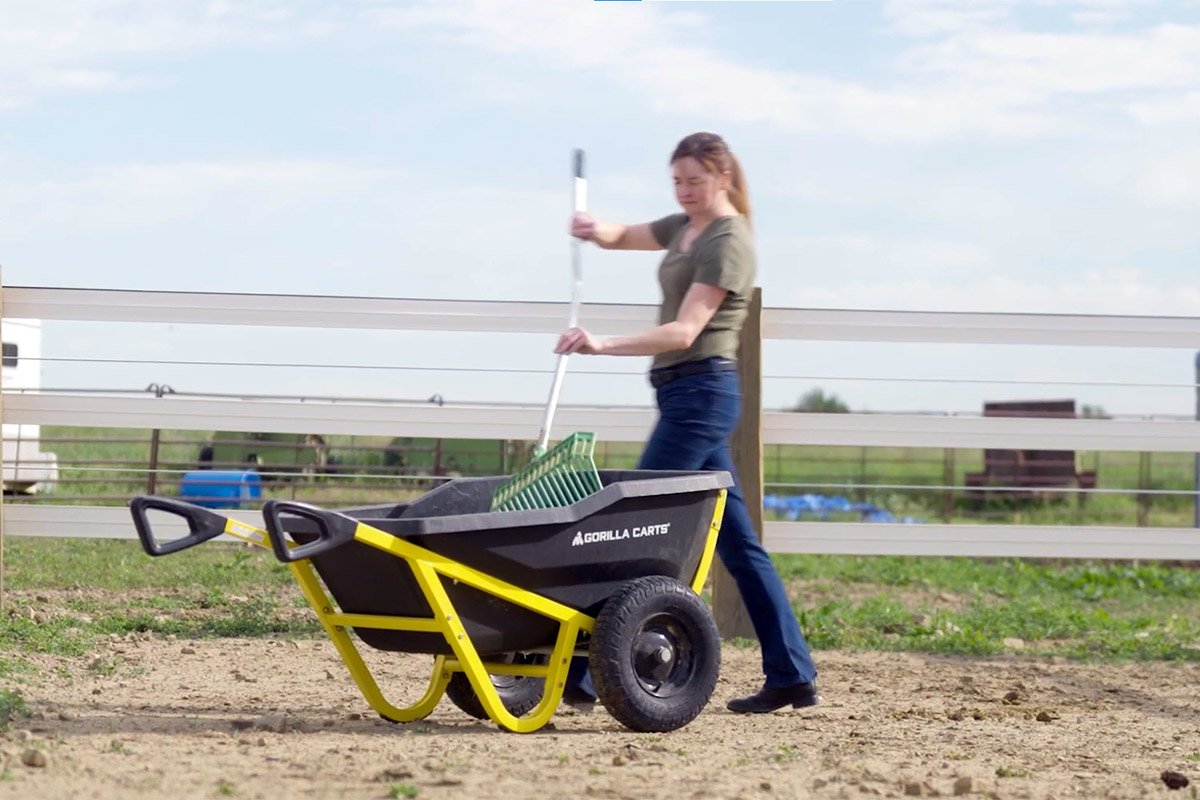
Your wheelbarrow is more than just a tool—it’s your reliable partner for every heavy load and tough job. But without proper care, it can quickly wear out, making your work harder and slower.
Imagine saving time, money, and effort by keeping your wheelbarrow in top shape. In this guide, you’ll discover simple and effective ways to maintain your wheelbarrow, so it stays strong, smooth, and ready whenever you need it. Keep reading to unlock easy tips that will extend the life of your wheelbarrow and make your projects run effortlessly.
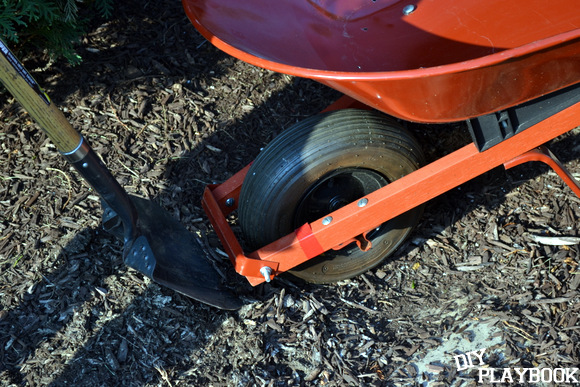
Credit: thediyplaybook.com
Choosing The Right Wheelbarrow
Selecting the right wheelbarrow helps you work easier and last longer.
Consider materials, types, and weight capacity before buying one.
Materials And Build Quality
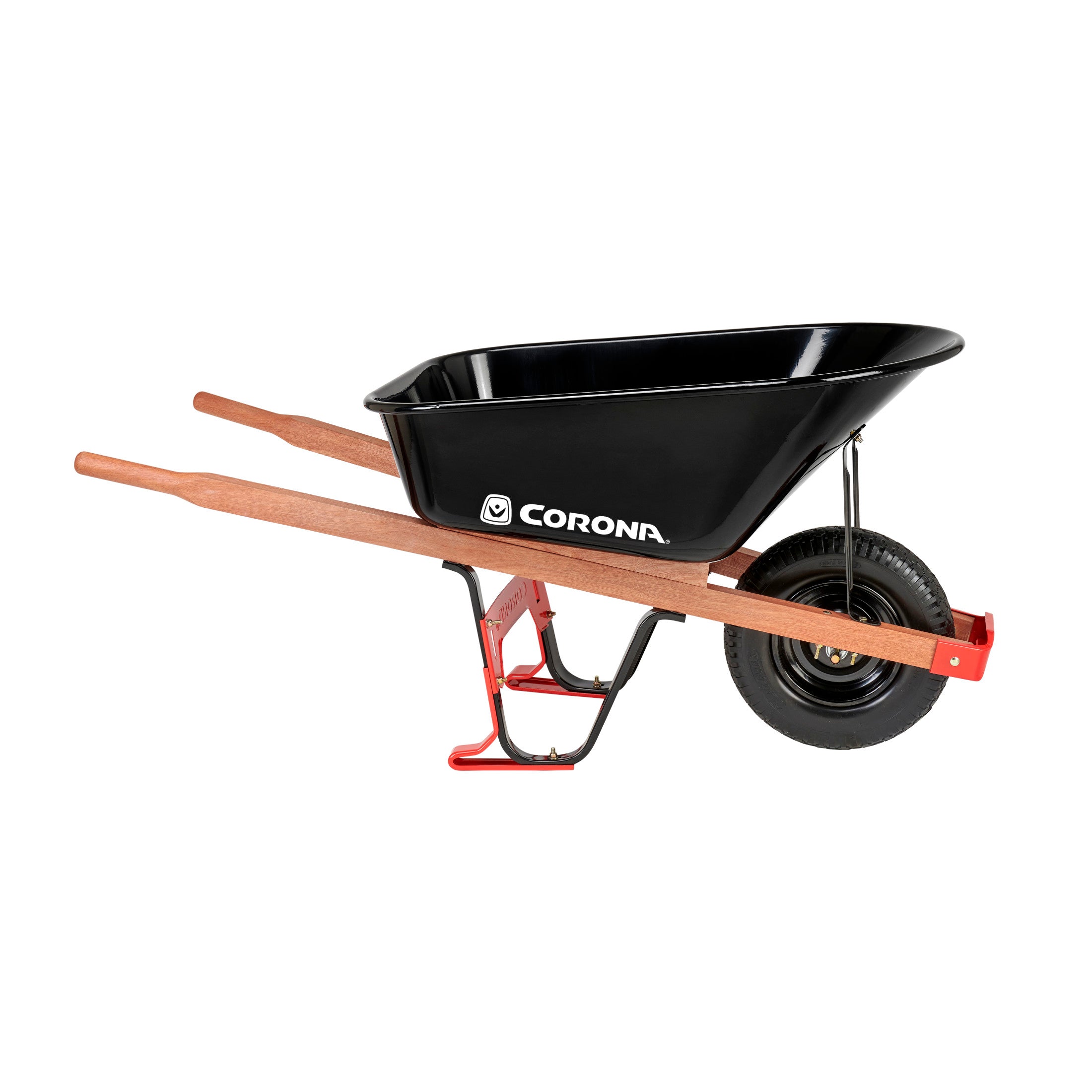
Wheelbarrows come in different materials like steel, plastic, and wood.
Steel is strong but can rust. Plastic is light and rust-proof but less strong. Wood looks nice but needs care.
- Look for sturdy frames and handles.
- Check if the wheel is solid or inflatable.
- Choose rust-resistant coatings for steel models.
Types Of Wheelbarrows
There are several types of wheelbarrows for different jobs.
| Type | Description |
| Standard | One wheel, good for general tasks |
| Two-wheel | More stable, good on flat surfaces |
| Flat-free tire | No air, no punctures |
| Electric | Powered for heavy loads |
Weight Capacity Considerations
Check the weight your wheelbarrow can carry safely.
- Know the typical load weight for your tasks.
- Choose a wheelbarrow with a capacity higher than your heaviest load.
- Do not overload to avoid damage and accidents.
Credit: coronatools.com
Cleaning After Use
Cleaning your wheelbarrow after each use keeps it in good shape. Dirt and grime can damage it over time. Regular cleaning helps the wheelbarrow last longer.
Take a few minutes to clean your wheelbarrow. This makes the next job easier and safer.
Removing Dirt And Debris
Start by removing large dirt clumps and debris. Use a stiff brush or a stick to scrape off mud and leaves. This prevents buildup that can cause rust.
Check the corners and under the tray for stuck materials. Removing these helps keep the wheelbarrow clean and ready.
- Use a stiff brush or hand tool
- Scrape off mud, leaves, and sticks
- Check tray edges and corners
Washing Techniques
After removing loose dirt, wash the wheelbarrow with water. Use a garden hose or bucket to rinse it. Warm water helps remove stuck-on grime better.
Add mild soap or detergent to a sponge or brush for tough stains. Scrub the tray and handles gently. Avoid harsh chemicals that can damage paint or metal.
- Rinse with water using a hose or bucket
- Use mild soap for stubborn dirt
- Scrub gently with a sponge or brush
- Avoid strong chemicals and bleach
Drying Properly
Dry the wheelbarrow fully after washing. Use a clean cloth or let it air dry in the sun. This stops rust from forming on metal parts.
Store the wheelbarrow in a dry place. Keep it off wet ground to prevent moisture damage. Proper drying keeps your wheelbarrow strong and ready.
- Wipe with a dry cloth or towel
- Air dry under sunlight if possible
- Store in a dry, covered area
- Keep off wet or muddy ground
Lubricating Moving Parts
Keeping your wheelbarrow’s moving parts well-lubricated helps it work smoothly. It reduces wear and stops rust from forming. Regular lubrication saves you money on repairs.
Focus on the parts that move the most. These need oil or grease to keep turning easily. Let’s look at the key parts to oil.
Wheel Bearings
Wheel bearings allow the wheel to spin freely. Dirt and rust can make them stiff. Clean the bearings first, then add lubricant. This keeps the wheel turning without friction.
Axles And Joints
The axle holds the wheel in place and the joints connect moving parts. These parts rub against each other. Add lubricant to stop squeaks and prevent damage.
- Wipe dirt off the axle and joints before lubricating.
- Use a cloth to apply oil or grease evenly.
- Move the wheel to spread the lubricant inside the parts.
- Repeat this regularly for smooth use.
Recommended Lubricants
| Lubricant Type | Best Use | Notes |
| WD-40 | Light oil for cleaning and lubrication | Good for quick fixes |
| Grease | Heavy-duty lubrication for axles and joints | Lasts longer under pressure |
| Machine Oil | General lubrication of bearings | Dries slowly for lasting effect |
Inspecting For Damage
Regularly inspecting your wheelbarrow helps keep it in good shape. Look for any signs of damage before use.
Early checks can prevent bigger problems and extend the wheelbarrow’s life.
Checking For Rust And Corrosion
Rust weakens the metal parts of the wheelbarrow. Check the tray, handles, and frame for any orange or brown spots.
- Look under the tray and inside corners where water can collect.
- Scrape off loose rust with a wire brush.
- Apply rust-proof paint or coating to protect the metal.
Identifying Cracks And Bends
Cracks and bends can make the wheelbarrow unsafe to use. Check the tray and frame carefully for any damage.
| Damage Type | Where to Look | What to Do |
| Cracks | Tray, weld joints | Fill small cracks or replace parts if large |
| Bends | Handles, frame | Straighten bent parts or replace if broken |
Assessing Tire Wear
Check the tire for worn tread, cracks, or flat spots. A good tire makes pushing easier and safer.
- Look for cracks in the rubber.
- Check if the tire holds air well.
- Replace the tire if the tread is very thin or damaged.
Tire Maintenance
Keeping your wheelbarrow tires in good shape helps it work better. Proper tire care makes moving easier and safer.
This guide covers how to inflate, repair, and replace your wheelbarrow tires. Follow these tips to keep your tires ready.
Inflating Pneumatic Tires
Pneumatic tires need air to stay firm and roll smoothly. Check the tire pressure before each use to avoid damage.
Use a hand pump or air compressor to inflate the tires. Do not overfill; follow the tire’s recommended pressure.
- Find the valve stem on the tire
- Attach the pump securely
- Inflate slowly to the correct pressure
- Remove the pump and check for leaks
Repairing Flats
Flats happen when sharp objects puncture the tire. Fix small holes with a patch kit to avoid replacing the tire.
Remove the wheel, find the hole, and clean the area. Apply the patch and press firmly until it sticks well.
- Take off the wheel from the wheelbarrow
- Inspect the tire carefully for holes
- Use sandpaper to roughen the patch area
- Apply glue and place the patch
- Press and hold until dry
- Reinflate the tire and check for leaks
Replacing Tires
Replace tires when they are too worn or damaged to fix. Using a new tire keeps your wheelbarrow safe and easy to use.
Remove the old tire from the rim. Fit the new tire carefully, making sure it sits evenly. Inflate the new tire to the right pressure.
- Loosen the wheel nuts and remove the wheel
- Take off the old tire from the rim
- Check the rim for any damage
- Fit the new tire onto the rim evenly
- Secure the tire and reattach the wheel
- Inflate the tire to the recommended pressure
Storage Tips
Maintaining a wheelbarrow is essential for its longevity. Proper storage is key to keeping it in good condition.
Understanding where and how to store your wheelbarrow can prevent unnecessary wear and tear.
Indoor Vs. Outdoor Storage
Deciding between indoor and outdoor storage affects your wheelbarrow’s lifespan. Indoor storage offers better protection.
- Indoor storage prevents rust and fading.
- Outdoor storage requires a cover to shield from rain and sun.
- Consider space availability when choosing storage.
Protecting From Weather
Weather elements can damage your wheelbarrow. Protection is crucial for durability.
Use a waterproof cover for outdoor storage. Ensure it fits snugly to avoid water pooling.
If storing indoors, keep it in a dry area to prevent rust.
Organizing For Easy Access
Proper organization ensures your wheelbarrow is easy to access when needed. It also helps in keeping your space tidy.
| Storage Tip | Benefit |
| Hang on wall hooks | Saves floor space |
| Store near gardening tools | Convenience |
| Label storage area | Easy identification |
Seasonal Maintenance
Maintaining a wheelbarrow involves regular care throughout the year. Simple tasks can extend its life and ensure it works well. Let’s explore some seasonal maintenance tips.
Each season requires different maintenance steps. This guide will help you prepare your wheelbarrow for winter, spring, and long-term use.
Pre-winter Preparations
Before winter, it’s important to protect your wheelbarrow from harsh weather. This ensures it stays in good shape for the next use.
- Clean the wheelbarrow thoroughly to remove dirt and debris.
- Inspect and tighten any loose nuts and bolts.
- Apply a coat of rust-resistant paint to metal parts.
- Store the wheelbarrow in a dry, sheltered place.
Spring Tune-up
Spring is the perfect time to ready your wheelbarrow for gardening tasks. A few checks will get it ready for action.
| Task | Action |
| Check Tire | Inflate to recommended pressure |
| Lubricate Wheel | Use oil to reduce friction |
| Inspect Handles | Ensure they are secure and not cracked |
Long-term Care Strategies
Long-term care keeps your wheelbarrow in top condition. Regular maintenance avoids costly repairs and extends its life.
Consider using a wheelbarrow cover to protect it from elements. Regularly check for rust and address it promptly. Ensure all parts are well-lubricated for smooth operation.

Credit: www.wrshlaw.com
Frequently Asked Questions
How Often Should I Clean My Wheelbarrow?
Clean your wheelbarrow after each use to prevent rust and dirt buildup. Remove soil and debris with a hose or brush. Dry it thoroughly before storage to avoid moisture damage and prolong its lifespan.
What Lubricant Is Best For Wheelbarrow Parts?
Use a silicone spray or light machine oil to lubricate wheelbarrow parts. Apply it to the wheel axle and any moving joints. Regular lubrication ensures smooth operation and prevents rust and wear.
How Do I Prevent Rust On My Wheelbarrow?
Prevent rust by cleaning and drying your wheelbarrow regularly. Apply a rust-resistant spray or paint if you notice any metal exposure. Store it in a dry, sheltered place to avoid moisture and prolong its life.
When Should I Replace My Wheelbarrow Tire?
Replace the tire if it shows cracks, punctures, or excessive wear. A damaged tire affects stability and makes maneuvering difficult. Regular tire checks ensure safety and efficient use of your wheelbarrow.
Conclusion
Taking care of your wheelbarrow helps it last longer. Clean it after each use to stop rust. Check the tire pressure and tighten loose parts often. Store it in a dry place to protect from weather. Small repairs now prevent big problems later.
A well-kept wheelbarrow makes your work easier and safer. Keep these simple steps in mind and enjoy smooth gardening or building tasks. Maintenance is not hard, but it makes a big difference. Your wheelbarrow will thank you with reliable service.
