
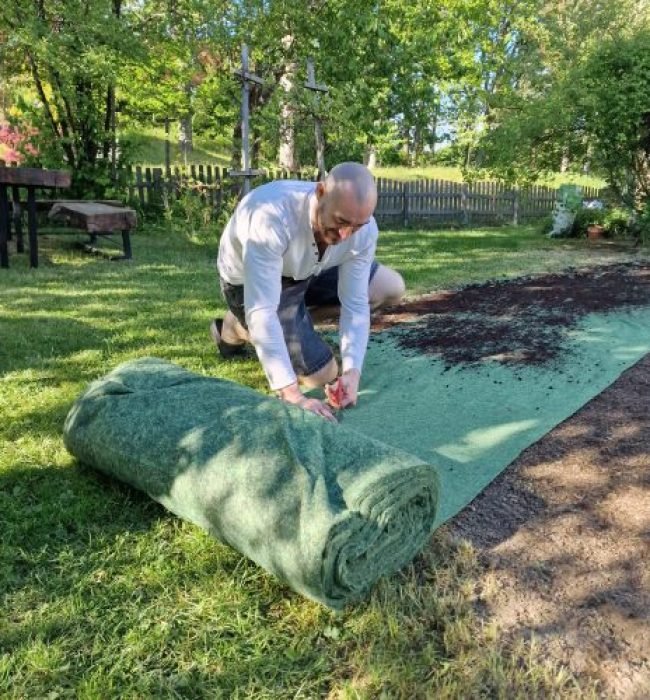
You’ve just seeded your lawn and want it to grow thick, green, and healthy. But did you know that rolling your lawn after seeding can make a big difference?
It helps press the seeds into the soil, improves contact, and boosts germination. If you’re wondering how to roll your lawn the right way, you’re in the right place. Keep reading to discover simple, effective steps that will give your new grass the best start possible.
Your lawn will thank you!

Credit: brinly.com
Why Roll Your Lawn After Seeding
Rolling your lawn after seeding helps press the seeds into the soil. This improves seed-to-soil contact, which is important for germination.
It also helps flatten uneven areas and reduce air pockets. Rolling makes the soil firm, helping seeds stay in place during watering.
Benefits Of Lawn Rolling
Rolling your lawn after seeding offers several benefits. It helps the seeds sprout faster and grow better.
It also reduces soil erosion and prevents seeds from washing away. Rolling can improve the overall look of your lawn by smoothing bumps.
- Improves seed-to-soil contact for better germination
- Reduces soil air pockets and uneven areas
- Prevents seeds from washing or blowing away
- Helps retain moisture near the seeds
- Creates a smooth and even lawn surface
When To Roll Your Lawn
Roll your lawn right after spreading the grass seed. Doing this while the soil is moist works best.
Avoid rolling when the soil is very wet or dry. Rolling in wet soil can cause compaction, and dry soil may not hold seeds well.
- Roll immediately after seeding and watering
- Soil should be moist but not muddy
- Avoid rolling if the ground is too wet or dry
- Use a lightweight roller to prevent soil compaction
Choosing The Right Lawn Roller
Rolling your lawn after seeding helps press seeds into the soil. This improves seed-to-soil contact. It can lead to better germination and a smoother lawn surface.
Picking the right lawn roller is important. The right roller makes the job easier and gives good results.
Types Of Lawn Rollers
Lawn rollers come in different types. Each type suits different needs and lawn sizes. Some rollers hold water or sand to add weight.
- Water-Filled Rollers:Easy to fill and drain. Good for small to medium lawns.
- Sand-Filled Rollers:Heavier than water rollers. Best for large lawns and tough soil.
- Steel Rollers:Durable and heavy. Used for professional or large areas.
- Manual vs. Tow-Behind:Manual rollers are pushed by hand. Tow-behind rollers attach to a lawn tractor.
Size And Weight Considerations
Choose a roller size that matches your lawn. A wider roller covers more ground fast. A narrow roller works better in tight spaces.
The roller’s weight affects how well it presses seeds. Too light may not press seeds enough. Too heavy can damage new grass.
- Light rollers are good for delicate or new seed beds.
- Heavier rollers work well on firm or uneven soil.
- Adjustable weight rollers let you add or remove weight as needed.
- Check if the roller is easy to move when full.
Preparing Your Lawn For Rolling
Rolling your lawn after seeding helps press seeds into the soil. This improves seed contact and encourages growth. Proper preparation is key for good results.
Before rolling, make sure your lawn is ready. This means clearing debris, leveling the ground, and checking moisture levels.
Clearing Debris And Leveling
Remove sticks, stones, leaves, and other debris from the lawn area. This stops obstacles from pressing unevenly during rolling.
After clearing, level the soil to create a smooth surface. Use a rake or leveling tool to fill low spots and break up clumps.
- Pick up sticks, rocks, and trash
- Rake soil to break large clumps
- Fill holes or dips with topsoil
- Smooth the surface evenly
Moisture Requirements
Keep the soil moist but not soaked before rolling. Wet soil can compact and harm seed growth. Dry soil may not press seeds well.
Water the lawn lightly a day before rolling. Check that the soil feels damp to the touch. Avoid puddles or mud.
- Water the soil lightly before rolling
- Soil should feel damp, not wet
- Do not roll on dry or muddy ground
- Maintain moisture after rolling for seed growth
Step-by-step Rolling Process
Rolling your lawn after seeding helps press seeds into the soil. It improves seed contact and soil moisture retention. A smooth surface also makes mowing easier later.
Use a lawn roller or a heavy cylinder to roll the area gently. Avoid rolling too hard to keep seeds from washing away or getting buried too deep.
Timing Your Rolling Sessions
Roll the lawn soon after spreading seeds but before watering. This helps press seeds into the soil without moving them. Avoid rolling if the soil is too wet or too dry.
- Roll immediately after seeding.
- Water the lawn gently after rolling.
- Roll again lightly if the soil settles unevenly.
- Do not roll on frozen or very wet soil.
Rolling Techniques For Even Coverage
Roll your lawn in straight lines to cover the entire area evenly. Use overlapping passes to avoid missed spots. Roll in different directions for best results.
| Technique | Details |
|---|---|
| First Pass | Roll lengthwise across the lawn slowly and evenly. |
| Second Pass | Roll widthwise, overlapping the first pass by half. |
| Final Pass | Roll diagonally if needed to smooth out uneven spots. |
Aftercare Tips Post-rolling
Rolling the lawn after seeding helps press seeds into the soil. This step creates better seed-to-soil contact. Proper aftercare is key to helping the seeds grow strong.
Follow these tips on watering, fertilizing, and monitoring germination. They will improve your lawn’s chance of success.
Watering And Fertilizing
Keep the soil moist but not soggy. Water lightly several times a day at first. This helps seeds start to sprout.
- Water early in the morning to reduce evaporation.
- Use a fine spray to avoid washing seeds away.
- Gradually reduce watering as grass grows stronger.
- Apply a starter fertilizer after grass reaches one inch tall.
- Choose fertilizer with balanced nutrients for new lawns.
Monitoring Seed Germination
Check your lawn daily for signs of seed sprouting. Germination time varies by seed type and weather.
| Seed Type | Germination Time |
| Kentucky Bluegrass | 14 to 30 days |
| Perennial Ryegrass | 5 to 10 days |
| Fescue | 7 to 14 days |
Protect the area from heavy foot traffic until grass is well established. Remove weeds quickly to avoid competition.

Credit: www.youtube.com
Common Mistakes To Avoid
Rolling your lawn after seeding helps ensure good seed-to-soil contact. This process can improve germination rates. But, many make mistakes that can harm their lawns.
Avoiding these common errors will help you grow a lush, green lawn. Let’s explore some of these pitfalls and learn how to avoid them.
Over-rolling Issues
Over-rolling your lawn can compact the soil too much. This prevents air and water from reaching the seeds. It can also damage new seedlings.
- Use a lightweight roller to avoid excessive pressure.
- Roll only once after seeding to set the seeds into the soil.
- Check soil moisture before rolling; do not roll on wet soil.
Ignoring Soil Conditions
Ignoring soil conditions can lead to poor seed growth. Different soils need different care. Understanding your soil type is crucial.
To assess your soil, perform a simple soil test. This will help you understand pH levels and nutrient needs. Adjust your lawn care routine based on the results.
| Soil Type | Key Consideration |
| Sandy | Retains less water, may need more frequent watering. |
| Clay | Holds water, avoid over-watering. |
| Loam | Ideal balance of drainage and nutrients. |
Alternative Methods To Lawn Rolling
Rolling a lawn after seeding helps the seeds settle into the soil. But not everyone has a lawn roller. There are other simple ways to achieve the same effect.
These methods are easy to use and often involve tools you already have at home. Let’s explore some practical options.
Using A Board Or Rake
A board or rake can help press seeds into the soil. This method is simple and requires minimal effort.
Place a board flat on the soil and gently walk over it. This pushes the seeds down. A rake can also be used by lightly dragging it over the seeded area.
- Lay the board flat across the soil
- Walk over the board to press seeds
- Use a rake for gentle soil leveling
Natural Settling Techniques
Rain and time naturally settle seeds into the soil. This method is the easiest as it requires no extra tools.
Watering the lawn helps mimic rain and speeds up the settling process. Over time, the seeds find their way into the soil with natural elements.
- Rely on natural rain to settle seeds
- Water the lawn to aid seed settling
- Allow time for seeds to embed naturally

Credit: www.amazon.com
Frequently Asked Questions
Why Should I Roll My Lawn After Seeding?
Rolling helps press seeds into the soil, improving seed-to-soil contact. This enhances germination rates and promotes even growth.
When Is The Best Time To Roll A Seeded Lawn?
Roll your lawn immediately after seeding and lightly watering. This ensures seeds settle well and prevents them from washing away.
How Heavy Should The Lawn Roller Be?
Use a lightweight roller, around 50-100 pounds. Heavy rollers can compact soil too much, hindering seed growth.
Can I Roll My Lawn Before Seeding?
No, rolling before seeding can compact soil, reducing seed germination. Always seed first, then roll to secure seeds.
Conclusion
Rolling your lawn after seeding helps press seeds into the soil. It improves seed-to-soil contact and encourages quick germination. Avoid rolling too hard to keep soil loose for roots. Roll gently and evenly across the lawn surface. This simple step boosts your grass’s chances to grow strong.
Remember to water the lawn after rolling for best results. A well-rolled lawn leads to a greener, healthier yard. Small efforts now bring big rewards later. Keep your lawn care routine steady for lasting beauty.
