
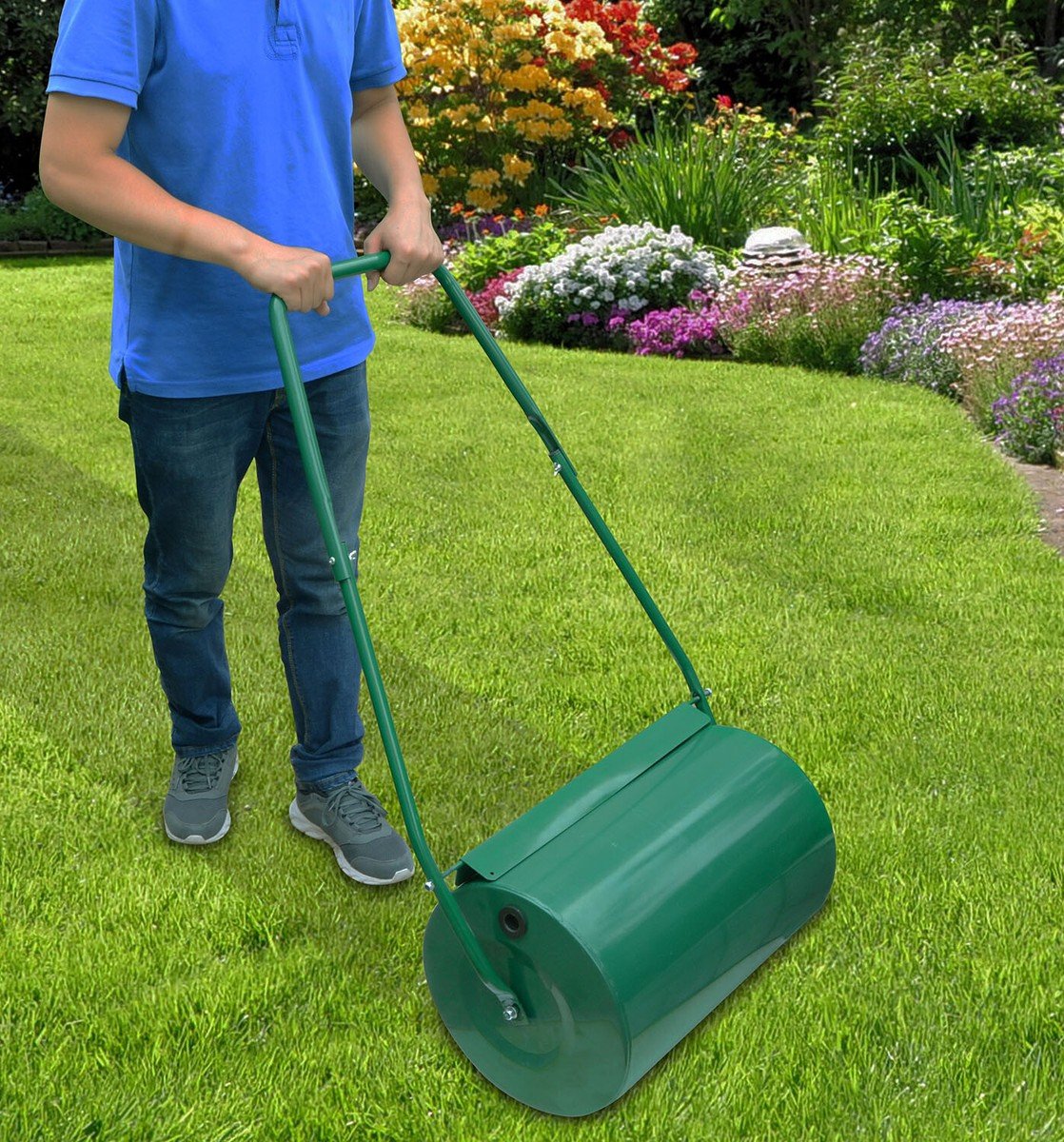
Have you ever wondered if using a lawn roller on wet grass is a good idea? You might think it’s harmless or even helpful, but the truth could surprise you.
The condition of your lawn when you roll it can make a big difference in how healthy and smooth your grass looks later. If you want to avoid damaging your lawn and get the best results, keep reading. This guide will help you understand when and how to use a lawn roller the right way—so your yard stays green and beautiful.
Purpose Of Lawn Rolling
Lawn rolling helps to smooth uneven ground. It presses the soil and grass down gently.
This process can improve the look and health of your lawn by making it flat and firm.
Benefits For Lawn Health
Rolling your lawn has several benefits. It can improve seed contact with soil and help roots grow better.
- Reduces bumps and holes on your lawn
- Helps grass seeds settle into the soil
- Improves water absorption in the soil
- Prevents soil erosion by firming the ground
When To Roll Your Lawn
Timing is important for lawn rolling. Rolling at the wrong time can harm the grass or soil.
| Condition | Best Time to Roll |
| Newly seeded lawn | After sowing seeds and light watering |
| Uneven or bumpy lawn | When soil is moist but not wet |
| Wet grass | Avoid rolling to prevent soil damage |
| Dry or hard soil | After rain or watering for softer ground |
Credit: www.housedigest.com
Risks Of Using A Roller On Wet Grass
Using a lawn roller on wet grass can cause several problems for your lawn. Wet soil and grass are soft and easily damaged.
Knowing the risks helps you decide the best time to roll your lawn. It can save your grass and soil from harm.
Soil Compaction Issues
Rolling wet grass compacts the soil beneath it. This makes the soil dense and hard for roots to grow.
Compacted soil reduces water and air flow to grass roots. This can hurt grass health and slow growth.
- Stops roots from growing deep
- Reduces soil drainage
- Limits oxygen for roots
Damage To Grass Blades
Wet grass blades are soft and bend easily under pressure. Rolling on them can crush or tear the blades.
Damaged grass blades struggle to photosynthesize. This weakens the grass and can cause yellow spots.
- Blades can break or bend
- Grass loses strength and color
- Damaged grass grows slower
Potential For Mud And Ruts
Rolling on wet grass can push soil around, making mud and ruts. This leaves your lawn uneven and messy.
Mud and ruts are hard to fix and can trap water. This creates more problems for your grass later.
- Soil moves and creates holes
- Water collects in low spots
- Lawn looks uneven and damaged
Signs Grass Is Too Wet
Using a lawn roller on wet grass can damage your lawn. It is important to know when the grass is too wet.
Look for clear signs before deciding to roll your lawn. This helps protect your grass and soil.
Visual Clues
Wet grass shows certain visual signs that tell you to wait before rolling.
- The grass blades bend easily and look flattened.
- There are visible water droplets on the leaves.
- The soil looks dark and shiny from moisture.
- Footprints or tire marks stay on the lawn.
- The lawn feels soft and squishy underfoot.
Soil Moisture Testing
Testing soil moisture helps check if the ground is too wet for rolling.
| Test Method | What to Look For |
| Push a screwdriver into the soil | It should slide in easily but not feel muddy |
| Dig a small hole about 6 inches deep | Soil should be moist but not saturated with water |
| Pick up a handful of soil and squeeze | It should hold shape but not drip water |

Credit: www.reddit.com
Best Conditions For Lawn Rolling
Lawn rolling helps smooth bumps and improve seed contact with soil. Using a lawn roller at the right time keeps your grass healthy.
Rolling under poor conditions can harm your lawn. Knowing the best soil and weather helps you decide when to roll.
Ideal Soil Moisture Levels
Soil should be moist but not wet before rolling. Wet soil is soft and can get compacted, harming roots and grass.
Too dry soil is hard and rolling may not smooth the lawn well. Lightly moist soil gives the best results.
- Soil feels damp but firm to touch
- No puddles or standing water
- Grass blades are not slippery or bent
Timing And Weather Considerations
Roll your lawn on a dry, calm day to avoid soil damage. Avoid rolling right after rain or during very hot weather.
Early morning or late afternoon is best. The soil is cooler, and grass recovers faster from rolling.
- Choose days with no rain forecast
- Avoid windy days to prevent debris on grass
- Roll when temperature is mild, not too hot
Expert Tips For Rolling Wet Lawns Safely
Rolling a lawn helps to smooth the surface and press seeds into the soil. Wet grass can make this task tricky. Using the right techniques keeps your lawn healthy and avoids damage.
Follow these tips to roll wet lawns safely. They help protect your grass and soil while improving lawn appearance.
Using Lightweight Rollers
Heavy rollers can damage wet grass by pressing too hard. Choose a lightweight roller to reduce pressure on soft soil. This keeps the grass roots safe and soil from compacting too much.
Light rollers are easier to control on slippery wet surfaces. They help avoid ruts and uneven spots in your lawn.
Rolling In Multiple Passes
Rolling your lawn in many light passes works better than one heavy pass. It lets the soil settle slowly and helps prevent damage. Each pass should be gentle and cover a small area.
This approach reduces the risk of soil compaction and protects the grass blades from crushing.
- Make slow, even passes
- Allow soil to settle between passes
- Stop if the soil feels too soft
Avoiding Overuse
Do not roll your lawn too often, especially when it is wet. Overuse can harm roots and soil structure. Only roll when necessary to fix bumps or press seeds.
Give your lawn time to dry and recover before rolling again. Watch for signs of damage like compacted soil or stressed grass.
- Limit rolling to a few times per year
- Wait for soil to dry moderately
- Check lawn condition after rolling
Alternatives To Rolling Wet Grass
Rolling wet grass can damage your lawn. It compacts the soil and harms the grass roots. Consider trying other methods to maintain a healthy lawn.
Explore effective techniques to improve your lawn’s health without using a lawn roller on wet grass.
Aeration Techniques
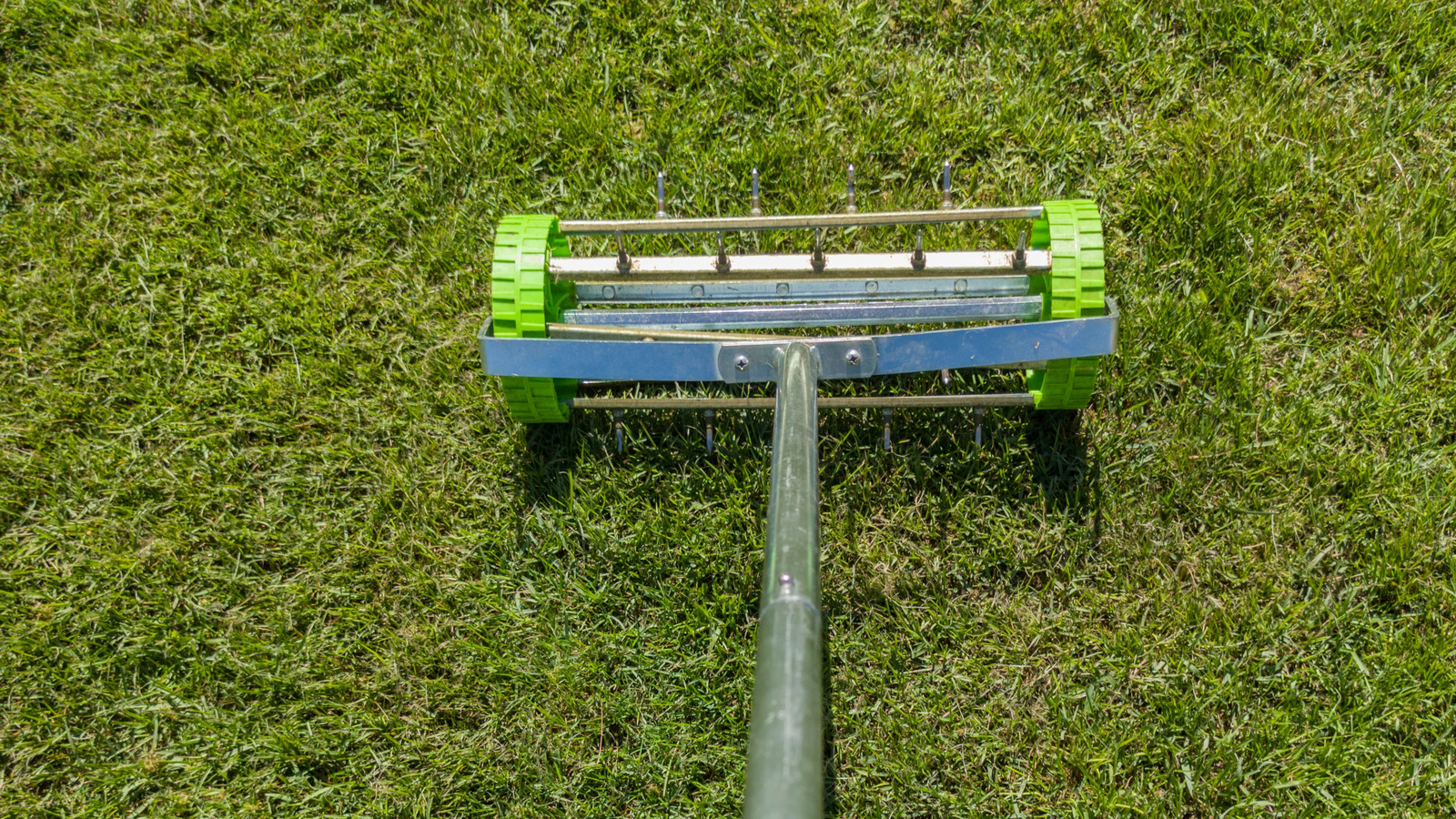
Aeration allows air, water, and nutrients to reach the grass roots. It involves perforating the soil with small holes. This helps the grass grow strong and healthy.
- Use a manual aerator for small lawns
- Rent a motorized aerator for larger areas
- Aerate in spring or fall for best results
Topdressing Options
Topdressing involves adding a thin layer of soil or compost over your lawn. This improves soil quality and helps the grass grow better.
| Topdressing Material | Benefits |
| Compost | Improves soil fertility |
| Sand | Enhances drainage |
| Soil mix | Balances soil texture |

Credit: www.lawnmowingbusiness.co.uk
Frequently Asked Questions
Can I Use A Lawn Roller On Wet Grass Safely?
Using a lawn roller on wet grass is not recommended. Wet soil compacts easily, damaging roots and causing poor drainage. Wait until the grass and soil dry to avoid harming your lawn’s health and ensure effective rolling.
What Happens If I Roll My Lawn When Wet?
Rolling a wet lawn can compact the soil, suffocating grass roots. It may cause uneven grass growth and increase water retention issues. This damages lawn health and makes future maintenance harder.
How Long Should I Wait After Rain To Use A Lawn Roller?
Wait at least 24 to 48 hours after rain before rolling your lawn. Ensure the grass and soil are dry to prevent soil compaction and damage to the turf.
Can A Lawn Roller Fix Uneven Spots On Wet Grass?
A lawn roller is ineffective on wet grass for fixing uneven spots. Rolling when wet compacts the soil and may worsen unevenness. It’s best to roll when dry and consider other lawn leveling methods first.
Conclusion
Using a lawn roller on wet grass can harm your lawn and soil. Wet ground is soft and can get compacted easily. This makes it hard for grass roots to grow. Waiting for the grass to dry is best. Dry soil allows better rolling and helps flatten bumps.
Taking care of your lawn slowly brings the best results. Patience pays off with a healthy, green lawn. Always choose the right time to use your lawn roller. Your grass will thank you for it.
