
If you care about keeping your lawn healthy and your sprinkler system working perfectly, you need to be careful when using a lawn roller. Sprinkler heads are easy to damage, and one wrong move can lead to costly repairs and uneven watering.
But don’t worry—this guide will show you exactly how to avoid damaging those sprinkler heads while rolling your lawn. By following simple, smart steps, you can protect your irrigation system and keep your grass looking its best all season long.
Ready to save time, money, and stress? Keep reading to learn the key tips you need to know.
Credit: www.dripworks.com
Lawn Roller Basics
A lawn roller is a tool used to flatten the ground. It helps smooth out bumps and make the lawn even.
Using a lawn roller can damage sprinkler heads if you are not careful. Knowing the basics helps you protect your lawn.
Types Of Lawn Rollers
Lawn rollers come in different types. Each type works best for certain lawn conditions.
Some rollers are filled with water or sand to add weight. Others are made of solid metal or plastic.
- Water-filled rollers: Light when empty, heavy when filled
- Sand-filled rollers: Heavier and good for firm soil
- Solid steel rollers: Very heavy and durable
- Plastic rollers: Lightweight and easy to move
Common Uses In Lawn Care
Lawn rollers help improve the look and health of your lawn. They press seeds into the soil and fix uneven ground.
Rollers also help after winter to flatten frost heaves and repair mower damage.
- Press grass seeds into soil for better growth
- Flatten bumps after soil work or winter frost
- Repair dents and marks left by lawn mowers
- Prepare the lawn for new sod installation
Sprinkler Head Vulnerability
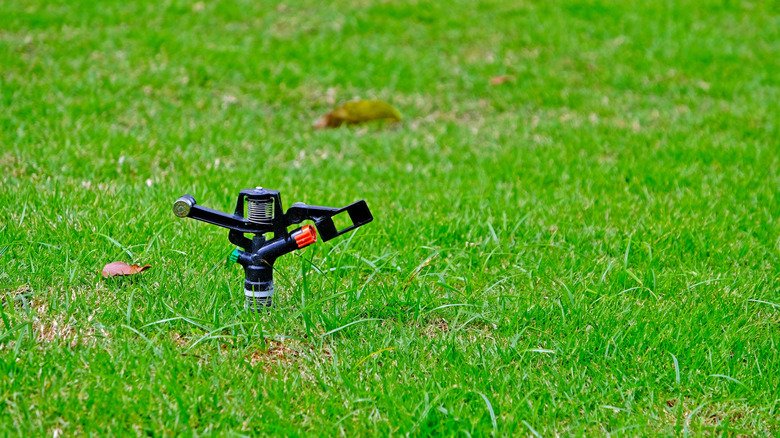
Sprinkler heads are essential for lawn irrigation. They can be fragile and easily damaged by lawn rollers.
Understanding how sprinkler heads work helps protect them during lawn maintenance tasks.
Typical Sprinkler Head Designs
Sprinkler heads come in different shapes and sizes. Each design has parts that can be vulnerable to damage.
- Pop-up Sprinklers:These rise from the ground when watering and retract afterward.
- Rotary Sprinklers:They rotate to cover large areas and have moving parts.
- Fixed Spray Heads:These spray water in a fixed pattern and stay above ground.
- Impact Sprinklers:Known for their clicking sound, they have mechanical parts that move.
How Damage Occurs
Damage happens mostly when heavy equipment rolls over sprinkler heads. Lawn rollers apply strong pressure directly on them.
| Cause | Effect on Sprinkler Head |
| Excessive weight from roller | Bent or broken risers |
| Sharp edges of roller | Cracked casing or nozzles |
| Rolling over extended heads | Knocked off or misaligned heads |
| Repeated pressure | Internal mechanism failure |
Preparation Before Rolling
Using a lawn roller can flatten your yard evenly. But it can also damage sprinkler heads if you are not careful. Preparing your lawn first is very important.
This guide focuses on how to protect your sprinkler heads before rolling your lawn. Two key steps are locating the sprinkler heads and marking their positions clearly.
Locating Sprinkler Heads
Find all sprinkler heads around your lawn before using the roller. Walk slowly and look for the small round covers or pipes poking out of the grass. Check near flower beds, driveways, and lawn edges.
- Look for heads that pop up when the system runs.
- Use a flashlight at low angle to spot shadows.
- Listen for water sounds when sprinklers are on.
- Check your irrigation plan if you have one.
- Mark any heads that may be hidden by tall grass.
Marking Sprinkler Positions
Marking sprinkler heads helps avoid running the roller over them. Use bright, visible markers that will stay during rolling. Flags, stakes, or spray paint can work well.
| Marker Type | Benefits | Drawbacks |
| Flag Stakes | Highly visible and easy to place | Can be knocked down by wind or pets |
| Spray Paint | Marks last longer and are flush with ground | May fade after rain or mowing |
| Colored Tape | Easy to spot and remove after rolling | May blow away if not secured |
Rolling Techniques To Protect Sprinklers
Using a lawn roller can help keep your grass even and healthy. But sprinklers can get damaged if you roll over them carelessly. It is important to use safe rolling techniques to protect your sprinkler heads.
This guide explains how to avoid hurting sprinkler heads while rolling your lawn. Follow these tips to keep your irrigation system working well.
Avoiding Direct Contact
Never roll the lawn roller directly over sprinkler heads. The weight can break or bend them. Keep the roller away from the sprinkler area to avoid damage.
Mark sprinkler locations with flags or small stakes before rolling. This helps you steer clear of them easily.
- Place flags near each sprinkler head
- Roll around marked spots carefully
- Check for hidden or low sprinkler heads
- Use a wider roller to cover more ground while avoiding heads
Adjusting Roller Weight
Heavy rollers can damage sprinkler heads more easily. Use a lighter roller or reduce the weight if possible. This lowers the risk of breaking sprinkler parts.
Check your roller’s manual to see how to add or remove water or sand. Lighter rollers protect sprinklers better during lawn care.
- Use less water or sand in the roller
- Test roller weight on a small area first
- Balance weight for effective rolling without damage
Rolling Patterns To Minimize Impact
Choose rolling paths that avoid sprinkler heads and reduce pressure on the lawn. Rolling in straight lines next to sprinklers limits the chance of hitting them.
Use slow, steady movements. Quick turns or sharp angles can cause the roller to hit sprinkler heads hard.
- Roll parallel to sprinkler lines, not across
- Make wide turns around sprinkler areas
- Roll slowly to control pressure
- Repeat light rolls instead of one heavy roll
Sprinkler Maintenance Tips
Using a lawn roller can cause damage to sprinkler heads if you are not careful. Proper maintenance helps keep them working well.
This guide gives tips on how to avoid damage and keep your sprinklers in good shape.
Regular Inspections
Check your sprinkler heads often to find any signs of damage or wear. Look for cracks, bends, or broken parts.
Inspect the area around the sprinkler heads after using the lawn roller. This helps you spot any problems early.
- Look for cracked or broken sprinkler heads
- Check if heads are tilted or misaligned
- Notice if water spray is uneven or weak
- Ensure the heads pop up and retract smoothly
Cleaning And Adjustments
Clean dirt and debris from sprinkler heads regularly. Dirt can block water flow and cause poor performance.
Make small adjustments to sprinkler heads to keep them level and properly aimed. This prevents damage from lawn rollers.
- Remove dirt and grass clippings from sprinkler heads
- Use a soft brush to clean small parts
- Adjust the height to avoid hitting with the roller
- Align spray nozzles to cover the lawn correctly
Credit: www.housedigest.com
Alternative Solutions
Lawn rollers can damage sprinkler heads. It’s important to find alternative solutions. This helps keep your sprinkler system safe.
There are ways to protect your lawn while preventing damage. Consider these options to keep your sprinklers intact.
Using Protective Covers
Protective covers help shield sprinkler heads from damage. These covers fit over the heads and keep them safe during lawn care.
They are easy to install and remove. This makes it simple to use them when needed.
- Choose covers that fit your sprinkler size
- Ensure covers are sturdy and weather-resistant
- Check covers regularly for wear and tear
Choosing Different Lawn Care Tools
Use lawn care tools that do not harm your sprinkler heads. Some tools are better for this purpose than others.
Consider using tools that are lightweight and gentle on your lawn. This helps avoid any accidental damage.
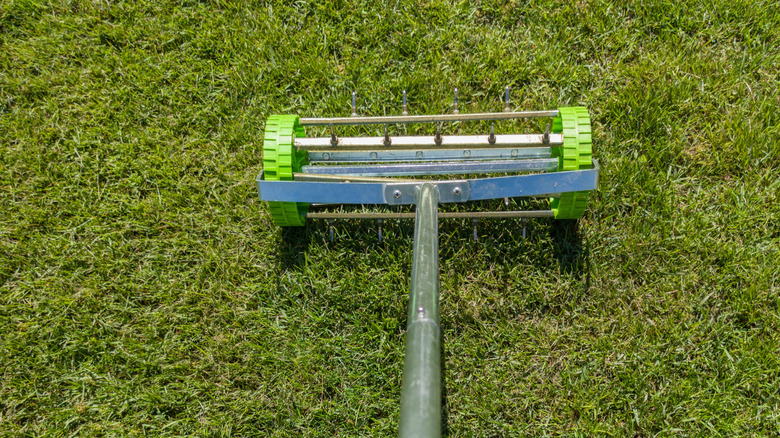
- Opt for manual lawn aerators
- Use lightweight lawn rollers
- Try electric mowers with adjustable heights

Credit: www.youtube.com
Frequently Asked Questions
How Can I Protect Sprinkler Heads From Lawn Roller Damage?
To protect sprinkler heads, mark their locations clearly before rolling. Avoid heavy pressure over heads and adjust roller weight accordingly. Regularly check for any misalignment or damage after rolling to ensure proper sprinkler function.
When Is The Best Time To Use A Lawn Roller?
Use a lawn roller during moist soil conditions, ideally after watering or rain. Avoid rolling when the ground is too wet or dry to prevent soil compaction and protect sprinkler heads from damage.
What Weight Should My Lawn Roller Be To Avoid Damage?
Choose a lawn roller with moderate weight to prevent crushing sprinkler heads. Light to medium rollers distribute pressure evenly, reducing risk. Avoid overly heavy rollers that can break or misalign sprinkler heads.
How Do I Locate Hidden Sprinkler Heads Before Rolling?
Use flags or stakes to mark sprinkler heads visibly before rolling. Consider using a sprinkler map or GPS app for precise locations. This prevents accidental damage during lawn rolling activities.
Conclusion
Protecting sprinkler heads keeps your lawn healthy and neat. Roll the lawn carefully, watching the sprinkler locations. Avoid heavy pressure directly on the sprinkler heads. Regular checks help spot damage early and save repair costs. Use lightweight rollers and slow, steady movements.
Taking these steps ensures your irrigation system works well. Enjoy a green lawn without costly sprinkler problems. Simple care makes a big difference every season.
