
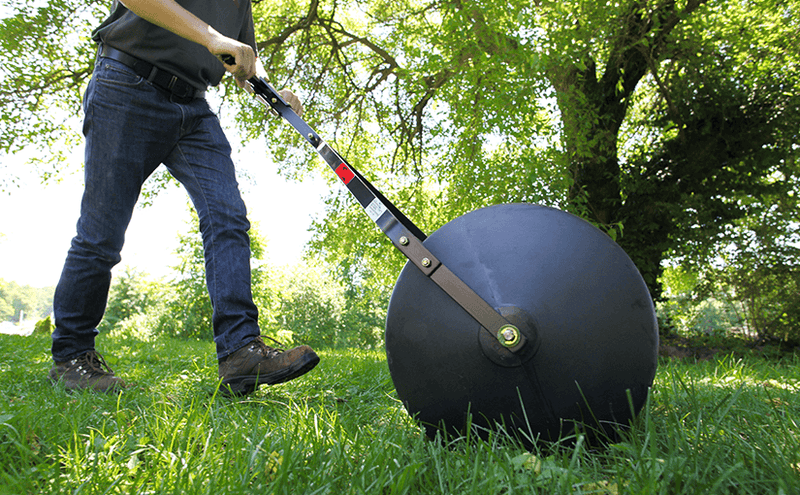
Are you wondering what size lawn roller you really need to get the job done right? Choosing the wrong size can make your lawn look uneven or leave you struggling with heavy equipment that’s hard to handle.
But don’t worry—this guide will help you find the perfect fit for your yard. By the end, you’ll know exactly which lawn roller size matches your space and goals, saving you time, effort, and frustration. Keep reading to discover how to make your lawn look smooth and healthy with the right roller.
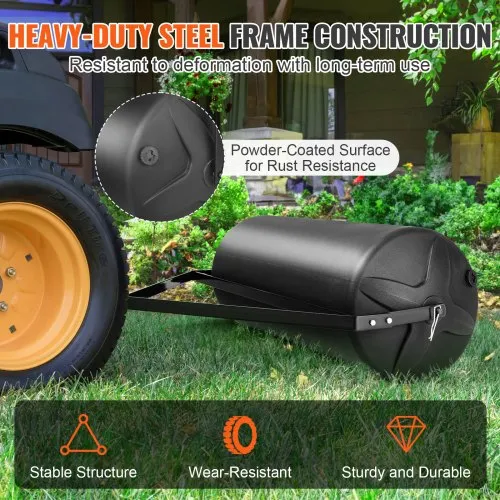
Credit: www.vevor.com
Lawn Roller Basics
A lawn roller is a tool used to flatten the ground. It helps create a smooth and even lawn surface.
Choosing the right size lawn roller is important for good results. The size depends on your lawn area and needs.
Purpose Of Lawn Rollers
Lawn rollers help press soil, seeds, and sod firmly into the ground. This helps grass grow evenly and strong.
They also remove bumps and small holes, making it safer to walk and play on the lawn.
- Flatten soil after seeding or sodding
- Press seeds into the soil for better germination
- Level uneven ground and fill holes
- Compact soil to prevent water pooling
Types Of Lawn Rollers
There are two main types of lawn rollers: water-filled and steel. Each type suits different lawn sizes and jobs.
Water-filled rollers are lighter when empty and easy to move. Steel rollers are heavier and better for large areas.
- Water-Filled Rollers:Fill with water for weight, easy to transport.
- Steel Rollers:Heavy, great for big lawns, provides strong compaction.
- Manual Rollers:Pulled by hand or with a lawn tractor.
- Powered Rollers:Motorized for faster and easier rolling.
Factors Influencing Roller Size
Choosing the right size lawn roller is important for good lawn care. The size affects how well it works on your grass.
Several things affect what size roller you need. These include your lawn’s size, soil type, grass type, and roller weight.
Lawn Size And Shape
The size of your lawn decides the roller width you need. A wider roller covers more area fast. A smaller lawn needs a smaller roller.
The shape of your lawn matters too. Irregular shapes may need a smaller roller to move easily around corners and edges.
Soil Type And Condition
Soft or loose soil needs a heavier or wider roller to press the ground well. Hard soil needs less weight and smaller size.
Wet soil needs gentle rolling to avoid damage. Dry soil can handle more pressure from a heavier roller.
Type Of Grass
Different grass types react differently to lawn rolling. Delicate grass needs a smaller, lighter roller to avoid harm.
Strong grass types can handle bigger rollers with more weight for better soil contact and smoothness.
Roller Weight Considerations
The roller’s weight affects how much it compacts the soil. Too heavy can hurt grass roots and soil structure.
Choose a weight that matches your lawn’s needs. Light rollers suit new lawns. Heavy rollers fit firm, established lawns.
- Light weight: under 50 lbs, good for soft soils and new grass
- Medium weight: 50-100 lbs, suits most lawns
- Heavy weight: over 100 lbs, best for hard soils and strong grass
Choosing The Right Roller Size
Picking the right lawn roller size is important for good results. The size depends on your lawn area and the tasks you want to do.
Using a roller that fits your lawn helps you work faster and keeps the grass healthy. Let’s look at the best sizes for different lawn areas.
Small Rollers For Compact Areas
Small rollers are easy to handle and good for tight spaces. They work well for small yards, garden patches, or narrow strips of grass.
These rollers are light and simple to move around. They help you press the soil without damaging plants or grass.
- Roller width: 12 to 18 inches
- Best for lawns under 1,000 square feet
- Easy to store and carry
Medium Rollers For Average Lawns
Medium rollers are a good choice for most home lawns. They balance size and weight for efficient rolling.
These rollers cover more ground than small ones. They work well on lawns between 1,000 and 5,000 square feet.
- Roller width: 18 to 24 inches
- Ideal for average-sized yards
- Can be filled with water or sand for extra weight
Large Rollers For Expansive Lawns
Large rollers are best for big lawns or fields. They cover wide areas quickly and press the soil deeply.
These rollers are heavier and need strong handles or towing equipment. Use them for lawns over 5,000 square feet.
- Roller width: 24 inches or more
- Suitable for large properties and farms
- Often filled with sand for maximum weight
Material And Design Impact
Choosing the right lawn roller size depends on its material and design. These factors affect how well the roller works on your lawn.
The weight and shape of the roller change how it presses the soil. Different materials handle weight and durability in their own ways.
Steel Vs Plastic Rollers
Steel rollers are very strong and heavy. They press the lawn deeply and last a long time.
Plastic rollers are lighter and easier to move. They do not press as hard but are good for small lawns.
- Steel rollers give better soil compaction
- Steel lasts longer but can rust
- Plastic rollers are lightweight and easy to store
- Plastic rollers may crack in cold weather
Water Vs Sand Filled Rollers
Water-filled rollers are lighter when empty and easy to fill. They offer moderate weight for most lawns.
Sand-filled rollers are heavier and press the ground more firmly. They are best for very uneven or new lawns.
- Water rollers are easy to fill and empty
- Water rollers are lighter to move
- Sand rollers provide extra weight and pressure
- Sand rollers are harder to move but more effective
Using Lawn Rollers Effectively
Lawn rollers help make your grass smooth and even. Choosing the right size roller is important for your lawn.
Using a lawn roller correctly can improve your lawn’s look and health. This guide explains when and how to roll your lawn safely.
When To Roll Your Lawn
Roll your lawn after seeding or laying new sod. This helps the soil settle and seeds contact the ground.
Avoid rolling when the soil is too wet. Rolling wet soil can cause compaction and harm grass roots.
- Roll after planting seeds or sod
- Wait until soil is moist but not wet
- Roll in early spring or fall for best results
Rolling Techniques For Best Results
Use slow, even passes when rolling your lawn. Overlap each pass slightly to avoid missed spots.
Do not press too hard. Light pressure firms the soil without damaging grass roots.
- Roll in straight lines for even coverage
- Overlap each pass by about 10% of the roller width
- Use light pressure to avoid soil compaction
- Roll in different directions for best soil contact
Safety Tips
Wear sturdy shoes and gloves when using a lawn roller. This protects your hands and feet.
Check the roller for damage before use. Fix any leaks or cracks to avoid accidents.
- Wear protective gloves and shoes
- Inspect roller for damage before use
- Do not use on steep slopes to avoid slips
- Keep children and pets away while rolling
Maintenance And Storage Tips
Taking care of your lawn roller ensures it lasts longer. Proper maintenance and storage are key.
Learn how to clean and store your lawn roller correctly. These tips will help keep it in great shape.
Cleaning Your Roller
Keeping your lawn roller clean is important. Dirt and grass can affect its performance.
After each use, wash the roller with water. This removes debris and prevents rust.
- Use a garden hose to rinse off dirt.
- Dry with a cloth to prevent rust.
- Check for stuck debris and remove it.
Proper Storage Practices
Storing your lawn roller properly helps it last longer. Keep it in a dry place.
Store it upright to avoid damage. This position also saves space.
- Find a dry, sheltered area for storage.
- Keep it away from direct sunlight.
- Ensure it is stored on a flat surface.
Budgeting For Lawn Rollers
Choosing the right size lawn roller depends on your yard and budget. It’s important to know how much you can spend before you buy or rent a lawn roller.
Understanding the cost differences will help you make the best decision. Let’s explore the price range and whether to rent or purchase.
Price Range By Size
Lawn rollers come in many sizes, and their prices vary. Smaller rollers cost less but may not suit large areas. Bigger rollers are more expensive but cover more ground.
| Small Rollers (under 24 inches) | $50 – $100 |
| Medium Rollers (24 to 36 inches) | $100 – $200 |
| Large Rollers (over 36 inches) | $200 and above |
Rental Vs Purchase
Deciding to rent or buy depends on how often you need the roller. Renting is cheaper if you only need it once or twice a year.
Buying is better if you’ll use it more often. You have it whenever you need it, and it might save money in the long run.
- Rental: $20 – $50 per day
- Purchase: See price range above
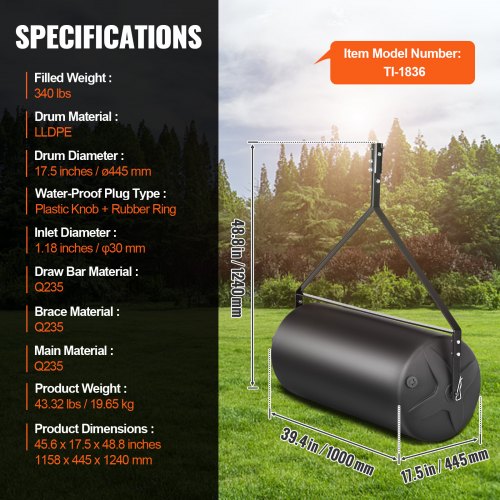
Credit: www.vevor.com

Credit: www.amazon.co.uk
Frequently Asked Questions
What Size Lawn Roller Fits A Small Garden?
A small garden usually requires a lawn roller 14 to 18 inches wide. This size is easy to maneuver and provides sufficient coverage without damaging the grass.
How Do I Choose The Right Lawn Roller Size?
Consider the lawn area size and terrain. Larger lawns benefit from wider rollers, while smaller or uneven areas need compact models for better control.
Can A Heavy Lawn Roller Harm My Lawn?
Yes, overly heavy rollers can compact soil excessively. Use a moderate weight roller to avoid damaging grass roots and ensure healthy lawn growth.
Is A Lightweight Or Heavy Lawn Roller Better?
Lightweight rollers suit small lawns and delicate grass. Heavy rollers are ideal for leveling and firming large, uneven lawns efficiently.
Conclusion
Choosing the right lawn roller size makes lawn care easier. Small rollers suit tight spaces and small yards. Large rollers work best for wide, open lawns. Think about your lawn’s size and shape first. Also, consider how heavy the roller should be for your grass type.
Using the correct roller helps level soil and press seeds well. It saves time and avoids damage to your lawn. Take your time to pick the right size for the best results. Your lawn will look neat and healthy with the right choice.
