
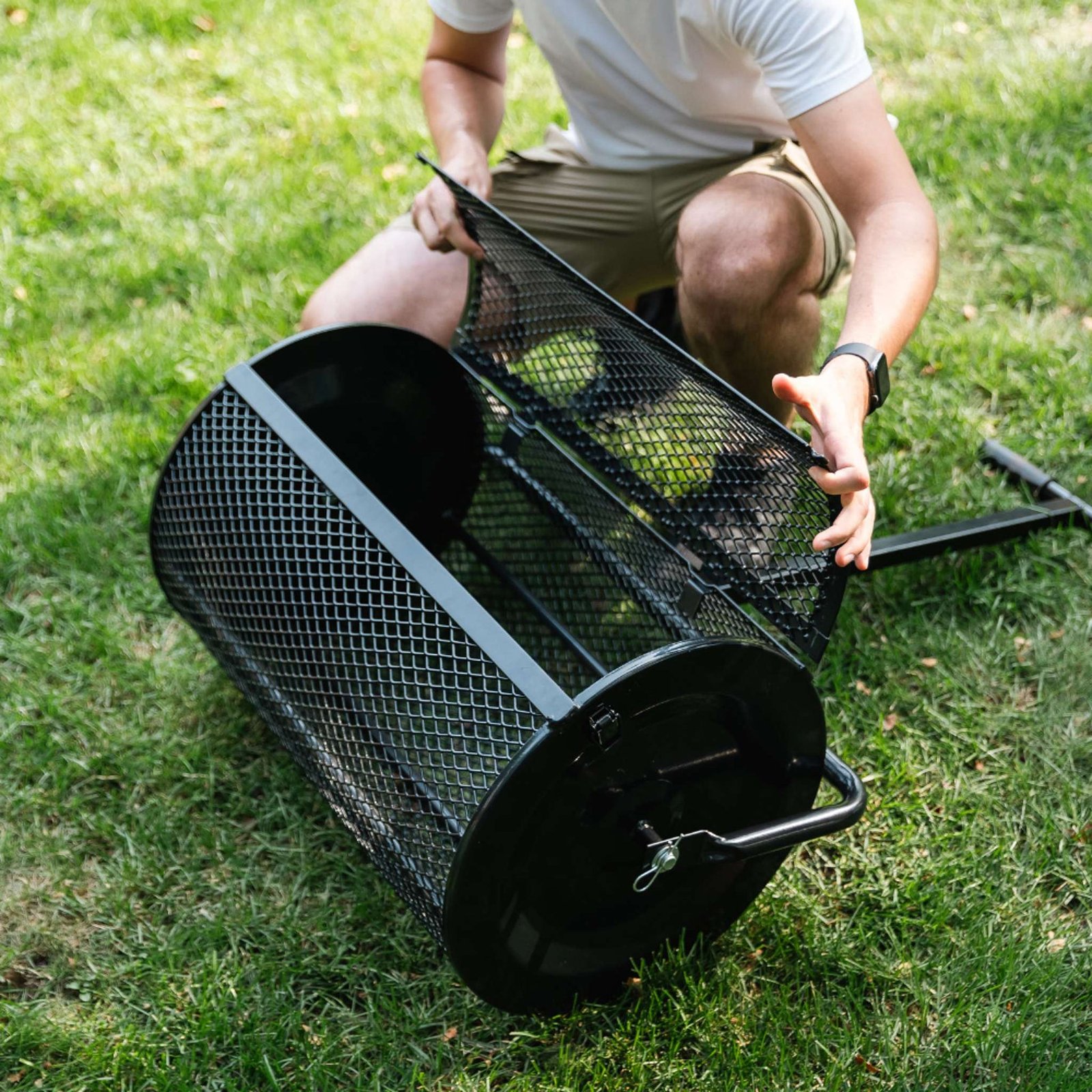
Are you tired of uneven patches and dull spots ruining your lawn’s beauty? Getting a lush, green yard isn’t just about watering or mowing—it’s about how you apply nutrients and seeds.
Using a spreader can change everything for your lawn care routine. Imagine covering every inch of your grass evenly, saving time, and getting better results. Keep reading to discover why a spreader is the tool you’ve been missing for a healthier, more vibrant lawn.

Credit: www.garant.com
Benefits Of Using A Spreader
Using a spreader for lawn care helps you apply products evenly. It makes the job easier and faster.
A spreader ensures the right amount of fertilizer or seed reaches every part of your lawn.
Even Distribution Of Lawn Products
A spreader spreads lawn products like fertilizer, seeds, or weed control evenly. This stops clumps from forming in one area.
Even spread helps all parts of your lawn get the same care, which leads to a better-looking yard.
- Prevents over-fertilizing or under-fertilizing spots
- Reduces waste of lawn products
- Improves lawn appearance
Improved Lawn Health
Using a spreader helps your lawn grow strong and healthy. It gives plants the right amount of nutrients.
Healthy lawns resist weeds, pests, and diseases better. A spreader helps keep your lawn green and thick.
- Supports consistent growth across your lawn
- Reduces bare or weak spots
- Helps prevent lawn diseases
Time Efficiency
A spreader saves time by covering large areas quickly. It cuts down the work needed for lawn care.
With a spreader, you do not need to make many passes or stop often. This makes lawn care faster and easier.
- Covers large lawns in less time
- Reduces manual effort
- Makes lawn care more convenient
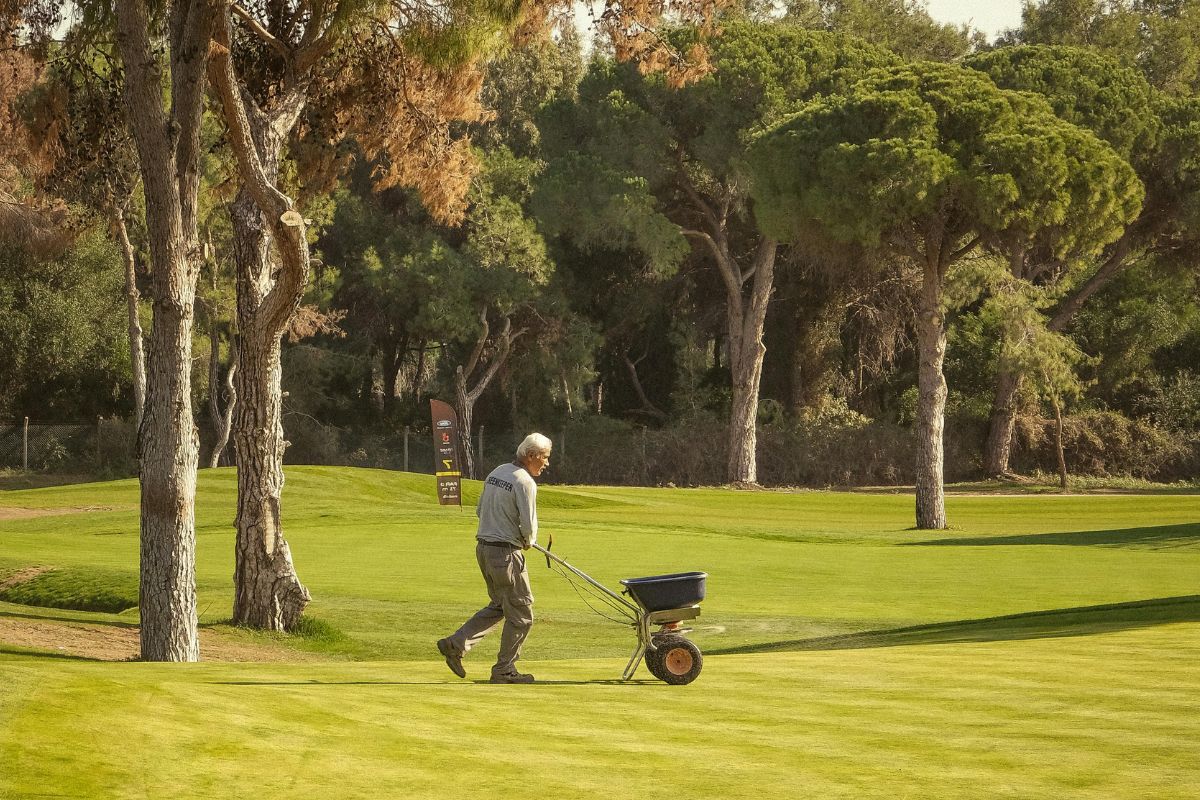
Credit: www.lawnstarter.com
Types Of Spreaders
Using a spreader makes lawn care easier and more effective. It helps you spread seeds, fertilizer, or other materials evenly. There are different types of spreaders to choose from.
Each spreader works best in certain conditions. Knowing the types helps you pick the right one for your lawn.
Broadcast Spreaders
Broadcast spreaders throw material over a wide area. They cover large lawns quickly. These spreaders work well on flat or slightly uneven ground.
- Good for large lawns
- Spreads material evenly in a broad pattern
- Easy to use with a push or tow design
- May waste some material if not used carefully
Drop Spreaders
Drop spreaders release material directly below the spreader. This gives you precise control over where the material falls. They are best for small or detailed areas.
| Feature | Broadcast Spreader | Drop Spreader |
| Coverage | Wide area | Targeted area |
| Accuracy | Moderate | High |
| Best Use | Large lawns | Small lawns and edges |
| Material Waste | Possible | Minimal |
Handheld Spreaders
Handheld spreaders are small and easy to carry. They work well for very small lawns or spot treatments. You control the spread rate by walking speed and handle pressure.
- Lightweight and portable
- Best for spot treatments
- Easy to store
- Limited coverage area
Choosing The Right Spreader
A spreader helps apply lawn care materials evenly. Picking the right one saves time and effort.
Consider your lawn size, material needs, and budget. These points guide you to the best choice.
Lawn Size Considerations
Small lawns need smaller spreaders. Large lawns work better with bigger ones. This saves time and avoids refilling.
- Use handheld spreaders for lawns under 5,000 sq ft.
- Choose push spreaders for lawns between 5,000 and 20,000 sq ft.
- Select tow-behind spreaders for lawns larger than 20,000 sq ft.
Material Compatibility
Different materials need specific spreader types. Check if your spreader matches the materials you use.
| Material | Recommended Spreader Type |
| Grass Seed | Drop or Broadcast Spreader |
| Fertilizer | Broadcast Spreader |
| Ice Melt | Broadcast Spreader |
| Pesticides | Specialized Spreader |
Budget And Durability
Choose a spreader that fits your budget and lasts long. Cheaper models may wear out faster.
- Look for spreaders with sturdy frames and rust-proof parts.
- Check user reviews for durability feedback.
- Consider a mid-range model for better lifespan.
How To Use A Spreader Effectively
Using a spreader can help you apply lawn care products evenly. This tool saves time and ensures your lawn gets the right amount of nutrients.
To get the best results, you need to know how to set the spreader and walk properly. Also, keeping your spreader in good shape helps it work better.
Setting The Correct Application Rate
Check the product label for the recommended amount to use. Set your spreader to the right rate before starting. Using too much can harm your grass, and too little may not work well.
- Read the instructions on the lawn care product.
- Adjust the spreader settings to match the instructions.
- Test the spreader on a small area to check the flow.
- Make changes if the spreader spreads too much or too little.
Walking Patterns For Coverage
Use a steady walking speed to keep the spread even. Walk in straight lines and overlap your paths slightly to avoid missed spots.
- Start at one corner of the lawn.
- Walk in straight rows across the area.
- Overlap each pass by about 25%.
- Change direction after each pass for full coverage.
Maintenance Tips
| Maintenance Task | Frequency | Purpose |
| Clean spreader after use | Every time | Prevent rust and clogging |
| Check for broken parts | Monthly | Ensure smooth operation |
| Lubricate moving parts | Every 3 months | Keep spreader working smoothly |
| Store in dry place | Always | Protect from weather damage |
Common Mistakes To Avoid
Using a spreader helps spread lawn care products evenly. Many people make mistakes that reduce its effectiveness.
Avoiding these errors will help your lawn look its best and save product waste.
Overlapping Passes
Overlapping passes mean spreading too much product in one area. This can burn your grass and waste materials.
Try to keep each pass side by side without covering the same spot twice.
- Mark your path before you start
- Walk at a steady pace
- Keep spreader settings consistent
Ignoring Weather Conditions
Spreading lawn products on windy days causes uneven coverage. The wind blows product away from the target area.
Rain soon after spreading can wash away fertilizers or seeds, reducing their effect.
- Choose calm days with no strong wind
- Check the weather forecast for rain
- Spread products early in the morning or late afternoon
Improper Calibration
Calibration means setting your spreader to the right amount. Too much or too little product harms your lawn.
Follow product instructions and test your spreader before use to ensure even spreading.
- Read the product label for recommended rates
- Adjust spreader settings to match rates
- Test spread on a small area first

Credit: www.youtube.com
Environmental Impact And Safety
Using a spreader for lawn care helps the environment. It ensures even distribution of materials. This reduces harmful impacts on the earth.
Spreaders also make your lawn safer. They help in applying chemicals safely. This protects humans, pets, and nearby wildlife.
Reducing Chemical Waste
Spreaders help reduce chemical waste. They apply the exact amount needed. This prevents overuse of fertilizers and pesticides.
Less waste means fewer chemicals run off into water. This keeps lakes and rivers cleaner.
Safe Handling Practices
Using a spreader makes handling chemicals safer. It limits direct contact with fertilizers or pesticides. This reduces health risks.
Read the instructions carefully before using a spreader. Wear gloves and protective clothing for added safety.
Protecting Nearby Plants And Wildlife
Spreaders help protect nearby plants and animals. They distribute chemicals evenly, preventing damage to non-target plants.
Wildlife is safer with controlled application. This reduces the risk of poisoning and habitat damage.
- Even distribution prevents plant burn
- Limits chemical exposure to animals
- Supports a balanced ecosystem
Frequently Asked Questions
Why Is A Spreader Essential For Lawn Care?
A spreader ensures even distribution of seeds and fertilizer. It prevents patchy growth and over-fertilization. This tool saves time and improves lawn health consistently.
How Does A Spreader Improve Fertilizer Application?
A spreader controls the amount and placement of fertilizer. It reduces waste and environmental runoff. Proper use promotes healthy grass growth and vibrant green color.
Can A Spreader Help With Weed Control?
Yes, a spreader evenly distributes herbicides and weed preventers. This ensures full lawn coverage and effective weed management. It helps maintain a weed-free, healthy lawn.
What Types Of Spreaders Are Best For Lawns?
Broadcast and drop spreaders are most common. Broadcast spreaders cover large areas quickly. Drop spreaders provide precise application for smaller spaces. Choose based on lawn size and needs.
Conclusion
Using a spreader makes lawn care easier and more effective. It helps spread seeds and fertilizer evenly across your lawn. This even spread encourages healthy grass growth and reduces patchy spots. You save time and effort by using a spreader instead of doing it by hand.
A healthy lawn looks better and stays green longer. For simple, neat, and successful lawn care, a spreader is a smart choice. It helps your lawn get the care it needs, with less work for you.
