
Are you ready to transform your patchy yard into a lush, green lawn? Starting your lawn seeding project can feel overwhelming, but it doesn’t have to be.
With the right tips and simple steps, you can grow a healthy lawn that becomes the envy of your neighborhood. You’ll discover easy-to-follow lawn seeding tips designed just for beginners like you. By the end, you’ll have the confidence and know-how to get your grass growing strong and vibrant.
Keep reading—you’re just a few steps away from a beautiful lawn!
Choosing The Right Grass Seed
Choosing the right grass seed is key to a healthy lawn. Different seeds suit different climates and soils. Picking the right type helps your lawn grow strong.
This guide covers cool-season and warm-season grasses, seed quality, and how to match seed to your climate and soil.
Cool-season Vs Warm-season Grasses
Cool-season grasses grow well in cold or mild climates. They stay green in spring and fall. Warm-season grasses thrive in hot weather. They grow best in summer and go dormant in winter.
- Cool-season types: Kentucky bluegrass, fescue, ryegrass
- Warm-season types: Bermuda, zoysia, St. Augustine
- Choose cool-season if winters are cold
- Choose warm-season if summers are hot and long
Seed Quality And Purity
Seed quality affects how well your lawn grows. High-quality seeds have high purity and germination rates. Always check seed labels before buying.
| Seed Label Term | Meaning |
| Purity | Percent of pure seed in the bag |
| Germination Rate | Percent of seeds that will sprout |
| Weed Seeds | Percent of weed seeds present |
| Inert Matter | Non-seed material in the bag |
Matching Seed To Climate And Soil
Choose seed based on your local climate and soil type. Some seeds do better in sandy soil, others in clay. Consider moisture levels and sunlight in your yard.
- Test soil pH before buying seed
- Pick grass that tolerates your soil type
- Match seed to average temperature and rainfall
- Ask local garden centers for advice
Preparing Your Lawn For Seeding
Starting a new lawn from seed needs good preparation. You must get the soil ready for the seeds to grow strong roots.
Preparing your lawn well will help the grass grow healthy and thick. Follow simple steps before you spread the seed.
Clearing Debris And Old Grass
Clear away dead grass, leaves, and sticks from your lawn. This makes room for the new grass to get sunlight and water. Removing old grass also stops weeds from taking over.
Use a rake or lawn mower to remove debris. If the old grass is thick, consider using a dethatcher or lawn scarifier.
Soil Testing And Amendment
Test your soil to know its pH and nutrient levels. This helps you add the right materials for better growth.
- Buy a soil test kit or send a sample to a lab.
- Check for pH level; grass prefers 6.0 to 7.0.
- Add lime if soil is too acidic.
- Use sulfur to lower pH if soil is too alkaline.
- Add compost or fertilizer based on nutrient needs.
Tilling And Leveling The Soil
Loosen the soil by tilling it to help roots grow deep. Tilling also mixes in any soil amendments you added.
| Task | Purpose |
|---|---|
| Tilling | Breaks up hard soil and mixes amendments |
| Raking | Removes large clumps and smooths soil surface |
| Leveling | Prevents water pooling and uneven growth |
Seeding Techniques
Starting a lawn with seeds can be simple if you use the right techniques. Good seeding helps grass grow healthy and strong.
Choosing the right way to spread seeds and caring for them properly gives the best results. Let’s explore some key tips.
Broadcasting Vs. Drop Seeding
Broadcasting spreads seeds over a wide area by throwing them evenly. It works well for large spaces but can waste seeds.
Drop seeding drops seeds directly to the soil in a controlled way. It uses seeds more efficiently and covers the ground evenly.
- Broadcasting is faster but less precise
- Drop seeding gives better seed placement
- Drop seeders are best for small to medium lawns
Proper Seed Depth And Coverage
Plant seeds at the right depth to help them sprout. Too deep stops growth, too shallow dries seeds out.
Cover seeds lightly with soil to keep them moist. This helps seeds stay in place and protects from birds.
- Seed depth: about ¼ inch for most grasses
- Lightly rake soil over seeds
- Avoid heavy covering to let seedlings reach sunlight
Using Starter Fertilizer
Starter fertilizer gives young grass nutrients to grow roots and leaves. It helps seeds grow faster.
Choose fertilizer with more phosphorus for root growth. Apply it evenly before or after seeding.
- Use fertilizer labeled for new lawns
- Apply as directed on the package
- Water after fertilizing to help it soak in

Credit: fairwaylawns.com
Watering And Care After Seeding
Taking care of your lawn after seeding is very important. Proper watering helps seeds grow strong roots.
Good care prevents seed loss and supports healthy grass growth. Follow simple steps to protect your new lawn.
Establishing A Watering Schedule
Water the newly seeded lawn lightly but often. Keep the soil moist, not soaked, for best results.
Watering early in the morning helps reduce evaporation and fungal problems. Adjust watering as grass grows.
- Water 2-3 times daily for the first two weeks
- Reduce watering to once daily in the third week
- After grass grows, water deeply 2-3 times a week
Protecting Seeds From Birds And Erosion
Birds often eat fresh seeds, reducing your lawn’s growth. Use simple covers to protect the seeds.
Prevent soil erosion by keeping the soil surface stable. Avoid heavy rain or wind washing away seeds.
- Use light netting or straw to cover seeded areas
- Plant grass on calm days to avoid seed loss
- Use mulch to hold seeds and moisture in place
First Mowing Tips
Wait until grass reaches 3 inches tall before mowing the first time. This helps roots grow strong.
Set the mower blade high to avoid cutting too much grass. Remove only one-third of the grass height.
- Check grass height before mowing
- Use a sharp mower blade for clean cuts
- Keep mower settings high to protect young grass
Common Problems And Solutions
Starting a new lawn can bring many challenges. Knowing how to fix common problems helps your grass grow strong.
This guide covers issues like bare spots, weeds, and pests. Use these tips to keep your lawn healthy from the start.
Dealing With Bare Spots
Bare spots appear when grass seeds don’t grow well. These areas can look patchy and thin.
- Check soil moisture. Water bare spots gently but often.
- Loosen soil before reseeding to help roots grow.
- Cover seeds with a thin layer of soil or mulch to keep them moist.
- Avoid heavy foot traffic on bare spots until grass grows.
Managing Weeds During Establishment
Weeds can take over new lawns and compete with grass for nutrients and water. Control weeds early to protect your grass.
| Weed Type | Control Method |
| Crabgrass | Hand pull or use pre-emergent herbicide before seeding |
| Dandelions | Remove by hand or spot treat with herbicide after grass is strong |
| Chickweed | Improve drainage and mow regularly to reduce growth |
Preventing Disease And Pests
Diseases and pests harm young grass. Early care can stop most problems.
- Water in the morning to reduce fungus risk.
- Keep lawn mowed to the right height for your grass type.
- Use natural pest control like nematodes or beneficial insects.
- Avoid over-fertilizing which can cause disease.
Credit: ryanlawn.com
Seasonal Timing For Best Results
Lawn seeding is an important task for lush, green grass. Timing matters for success. Choosing the right season can improve your lawn’s growth.
Different seasons offer unique benefits and challenges for seeding. Understanding them helps you decide the best time to plant your grass seeds.
Spring Seeding Benefits And Challenges
Spring is a popular time for lawn seeding. The soil is warming up, which helps seeds to germinate. Spring rain supports new grass growth.
However, weeds also grow quickly in spring. They compete with grass for nutrients. Spring seeding requires more weed control.
Fall Seeding Advantages
Fall is excellent for seeding. The soil is still warm from summer, which helps seeds to sprout. Cooler air temperatures reduce stress on new grass.
Fewer weeds grow in fall, so grass has less competition. Fall seeding gives grass time to establish before winter.
Avoiding Extreme Weather Conditions
Avoid seeding during extreme weather. Hot temperatures can dry out seeds. Heavy rains can wash them away.
- Seed during mild temperatures
- Check weather forecasts
- Water regularly during dry spells

Credit: www.youtube.com
Frequently Asked Questions
What Is The Best Time For Lawn Seeding?
The best time for lawn seeding is early fall or spring. These seasons provide optimal soil temperature and moisture for seed germination. Fall seeding helps grass establish before winter, while spring seeding avoids summer heat stress. Choose timing based on your grass type and local climate.
How Do I Prepare Soil Before Seeding?
Prepare soil by removing debris, weeds, and rocks. Loosen the soil to a depth of 2-3 inches. Add compost or fertilizer to enrich nutrients. Level the surface for even seed distribution. Proper soil prep ensures better seed-to-soil contact and improves germination rates.
How Often Should I Water New Grass Seeds?
Water new grass seeds lightly twice daily to keep soil moist. Avoid overwatering, which can cause seed rot. Once seedlings emerge, reduce watering to once daily. Gradually transition to deep watering to encourage strong root growth. Consistent moisture is crucial for healthy grass development.
Can I Seed Over Existing Grass?
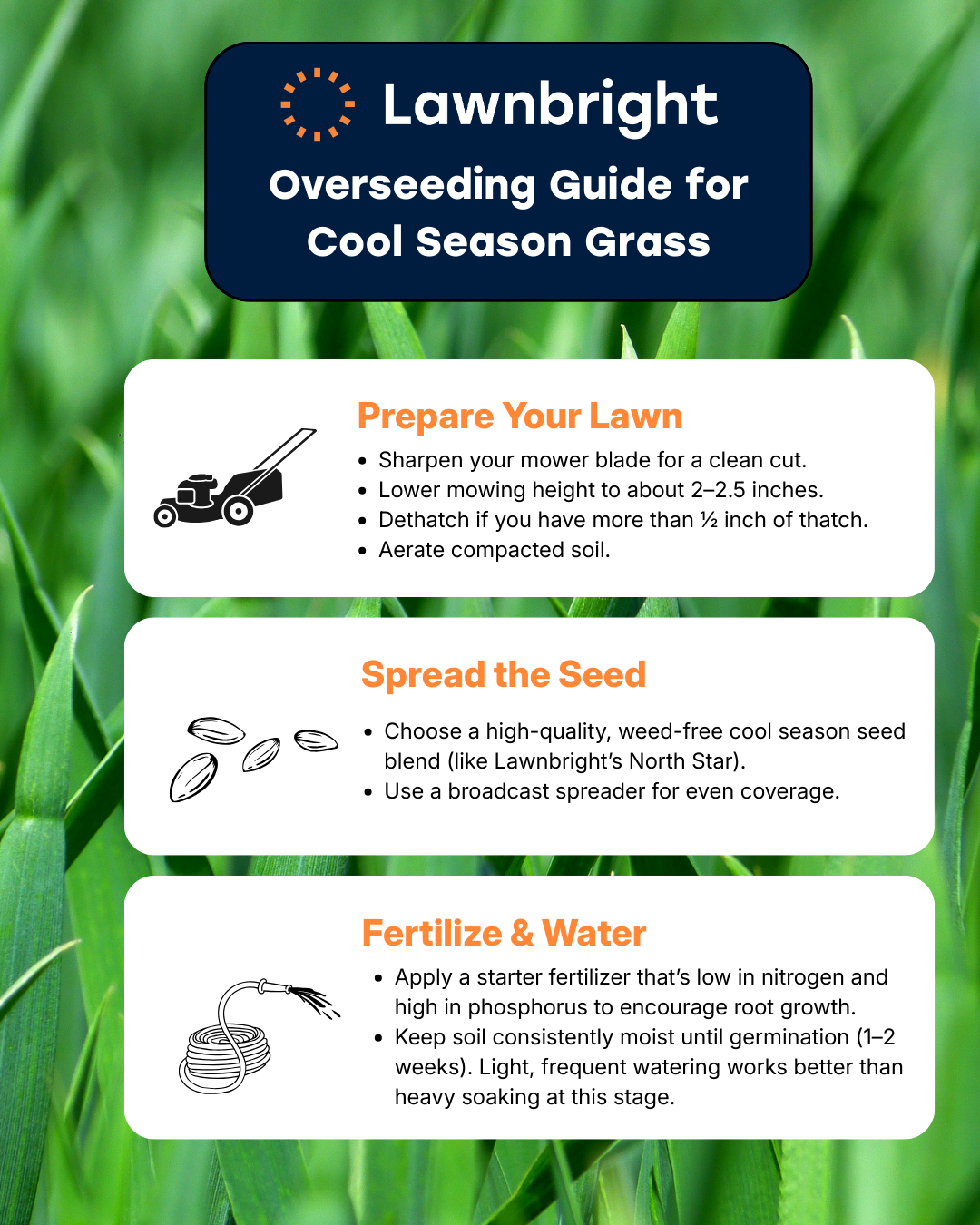
Yes, overseeding over existing grass helps thicken lawns and repair bare spots. Mow the lawn short and rake to loosen soil. Spread seeds evenly and water regularly. Overseeding improves lawn density and reduces weed growth. It’s a cost-effective way to maintain a lush lawn.
Conclusion
Starting a lawn from seed is simple with the right steps. Choose good quality seed for your soil and climate. Prepare the ground well to help seeds grow strong. Water regularly but don’t flood the area. Be patient; grass takes time to fill in.
Keep weeds away to protect new grass. Small efforts daily bring a lush, green lawn. Enjoy the process and watch your yard transform. A healthy lawn begins with smart seeding choices.
