
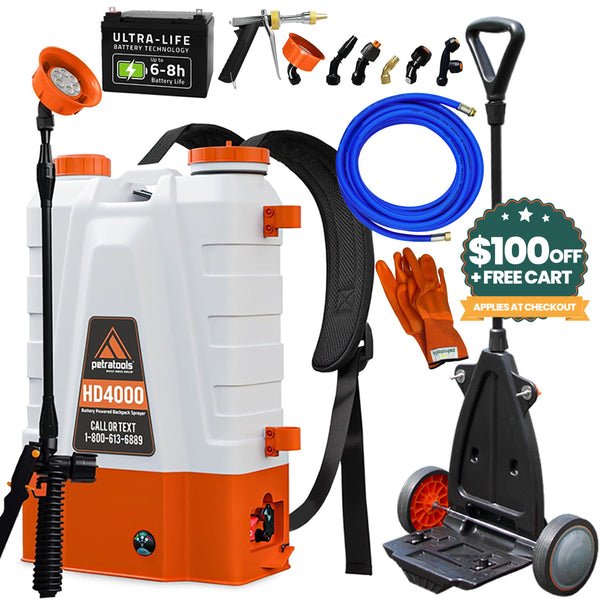
Are you tired of lugging around heavy, noisy sprayers that leave your arms aching? Imagine a tool that makes spraying faster, easier, and less tiring.
Battery powered sprayers promise just that—but are they really worth your investment? You’ll discover the true benefits and potential downsides of these modern sprayers. By the end, you’ll know exactly if a battery powered sprayer fits your needs and saves you time and effort.
Keep reading to find out!

Credit: www.youtube.com
Advantages Of Battery Powered Sprayers
Battery powered sprayers offer many benefits for gardeners and farmers. They make spraying tasks easier and faster. These sprayers are gaining popularity due to their modern features and convenience.
This article explains the main advantages of using battery powered sprayers. You will learn why they are a smart choice for many users.
Ease Of Use And Portability
Battery powered sprayers are light and easy to carry. They do not need manual pumping, which saves energy and effort. Users can spray plants without strain or fatigue.
- Lightweight design for easy handling
- No manual pumping needed
- Simple controls for quick operation
- Rechargeable battery for cordless use
Time Efficiency
These sprayers cover large areas quickly. The battery power provides constant pressure. This helps finish jobs faster than traditional sprayers.
| Sprayer Type | Spray Time for 1000 sq ft |
| Battery Powered | 15 minutes |
| Manual Pump | 30 minutes |
Consistent Spray Performance
Battery powered sprayers keep a steady spray pressure. This leads to even coverage on plants. Consistent spraying reduces waste of chemicals and improves results.
Environmental Benefits
These sprayers use electricity instead of fuel. They produce no fumes or pollution. Users can reduce their environmental impact with battery powered sprayers.
Key environmental benefits include:
- No gasoline or fuel needed
- Reduced air pollution
- Less noise during operation
- Rechargeable batteries lower waste
Comparing Battery Sprayers To Manual And Gas Models
Battery powered sprayers offer a modern way to spray liquids. They work differently from manual and gas sprayers. Knowing the differences helps you choose the right sprayer for your needs.
This guide compares battery sprayers with manual and gas models. It looks at power, coverage, maintenance, durability, and cost to help you decide.
Power And Coverage
Battery sprayers use an electric pump to spray liquids evenly. They give steady pressure for better coverage than manual sprayers. Gas sprayers often have stronger power for big jobs.
Manual sprayers rely on hand pumping, which can be tiring and uneven. Battery sprayers cover more area with less effort. Gas sprayers work well for large fields but can be heavy.
- Battery sprayers:Consistent spray, good for medium areas
- Manual sprayers:Less powerful, best for small tasks
- Gas sprayers:High power, suited for large areas
Maintenance And Durability
Battery sprayers need charging and care for the battery. They have fewer moving parts than gas sprayers, so they need less maintenance. Manual sprayers are simple but can wear out faster.
Gas sprayers require regular engine checks and fuel care. They last long but can break down if not maintained. Battery sprayers are quieter and cleaner, with moderate durability.
- Battery sprayers:Battery care, moderate maintenance
- Manual sprayers:Simple, parts may wear quickly
- Gas sprayers:Engine upkeep, higher durability
Cost Considerations
Battery sprayers cost more upfront than manual sprayers. They save money on fuel and are cheaper to run than gas sprayers. Battery replacements add to long-term costs.
Manual sprayers are the cheapest to buy but need more effort. Gas sprayers have high purchase and fuel costs but work well for large jobs. Choosing depends on your budget and use.
- Battery sprayers:Higher initial price, low running costs
- Manual sprayers:Low cost, more physical effort
- Gas sprayers:Expensive, fuel and maintenance costs
Key Features To Look For
Battery powered sprayers are popular for many tasks. Choosing the right one depends on several features.
Knowing what to check helps you find a sprayer that fits your needs and lasts longer.
Battery Life And Charging Time
Good battery life lets you spray without stopping. Check how long the sprayer runs on a full charge.
Fast charging saves time between uses. Some sprayers offer quick charge features for convenience.
- Look for batteries that last at least 2 to 4 hours
- Check how long it takes to fully recharge
- Consider sprayers with removable batteries for backup
Tank Capacity And Material
Tank size affects how much liquid you can spray without refilling. Choose a capacity that fits your job size.
The tank material should be strong and resistant to chemicals. Durable tanks last longer and prevent leaks.
- Common tank sizes range from 1 to 4 gallons
- Look for tanks made of high-quality plastic or stainless steel
- Check if the tank is easy to clean and refill
Spray Nozzle Options
Nozzles control how the liquid sprays. Different nozzles suit different tasks like misting or spraying wide areas.
Adjustable nozzles let you change spray patterns. This adds flexibility for various uses.
- Look for sprayers with multiple nozzle tips
- Check if the nozzle sprays mist, stream, or fan patterns
- Easy-to-clean nozzles prevent clogging
Ergonomics And Weight
Comfort matters if you spray for a long time. Lightweight sprayers reduce arm and back strain.
Ergonomic handles and straps make carrying easier. Look for padded straps and well-balanced designs.
- Choose sprayers under 10 pounds when full
- Look for adjustable straps for a better fit
- Handles should be comfortable and easy to grip

Credit: www.amazon.com
Common Uses And Applications
Battery powered sprayers are useful tools for many tasks. They make spraying liquids easier and faster.
People use these sprayers in gardens, farms, and homes. They help apply water, chemicals, and cleaning solutions.
Gardening And Lawn Care
Battery powered sprayers help gardeners water plants quickly. They also spray fertilizers and pesticides evenly.
These sprayers cover large lawn areas without tiring the user. They save time and improve plant health.
- Watering flowers and shrubs
- Applying liquid fertilizers
- Spraying weed killers and insecticides
- Maintaining lawns and garden beds
Agricultural Fields
Farmers use battery powered sprayers to treat crops. They apply pesticides, herbicides, and nutrients efficiently.
These sprayers reduce manual labor and improve spray accuracy. They help protect crops and boost yields.
- Spraying insecticides on crops
- Applying herbicides to control weeds
- Distributing liquid fertilizers
- Covering large field areas quickly
Pest Control
Battery powered sprayers help control pests in homes and buildings. They spray insecticides in hard-to-reach places.
These sprayers ensure even coverage and reduce chemical waste. They help keep areas pest-free safely.
- Spraying insecticides indoors and outdoors
- Treating cracks and crevices
- Applying repellents around homes
- Controlling mosquitoes and other bugs
Cleaning And Disinfecting
Battery powered sprayers apply cleaning and disinfecting liquids. They help sanitize surfaces in homes and workplaces.
These sprayers cover large areas quickly and evenly. They reduce the need for manual wiping and improve hygiene.
- Disinfecting floors and walls
- Cleaning outdoor furniture and equipment
- Sanitizing public spaces
- Applying mold and mildew removers
Potential Drawbacks And Limitations
Battery powered sprayers offer convenience but come with some drawbacks. Understanding these helps in deciding if they fit your needs.
This section covers battery degradation, costs, and suitability for large jobs.
Battery Degradation Over Time
Batteries lose their ability to hold a charge after many uses. This means shorter spraying times and more frequent charging.
Replacing batteries can be costly and may reduce the overall lifespan of the sprayer.
Initial Investment Costs
Battery powered sprayers often cost more upfront than manual or gas-powered models. The battery and charger add to the price.
- Cost of the sprayer unit
- Price of replacement batteries
- Expense of charging equipment
- Maintenance costs over time
Suitability For Large Scale Use
These sprayers may not work well for big jobs. Battery life limits how long they can run without a break.
| Factor | Battery Sprayer | Gas-Powered Sprayer |
|---|---|---|
| Run Time | Limited by battery charge | Long, refuel quickly |
| Weight | Lighter | Heavier |
| Refill Speed | Fast fluid refill, slow recharge | Fast refill and continue |
| Noise Level | Quiet | Loud |

Credit: lawnsynergy.com
Tips For Maximizing Battery Sprayer Efficiency
Battery-powered sprayers are convenient tools for gardening and cleaning tasks. To get the most out of them, you need to follow some simple tips.
Efficiency relies on proper use and care, ensuring your sprayer works effectively for a long time.
Proper Charging Practices
Charging your battery properly keeps it healthy and extends its life. Avoid overcharging, as this can harm the battery.
- Always use the charger that comes with your sprayer.
- Charge the battery in a cool, dry place.
- Unplug the charger once the battery is full.
Regular Maintenance
Regular maintenance ensures your sprayer works smoothly. Clean parts after each use to prevent clogs.
| Maintenance Task | Frequency |
| Check battery connections | Monthly |
| Clean nozzles and filters | After each use |
| Inspect hoses for leaks | Weekly |
Storage Recommendations
Proper storage keeps your sprayer ready for action when you need it. Store it in a safe place, away from extreme temperatures.
Frequently Asked Questions
Are Battery Powered Sprayers More Efficient Than Manual Ones?
Battery powered sprayers save time and effort by automating spraying tasks. They offer consistent spray pressure and coverage, improving efficiency compared to manual sprayers.
How Long Do Battery Powered Sprayer Batteries Last?
Battery life varies by model and usage but typically ranges from 2 to 8 hours per charge. High-capacity batteries enable longer spraying sessions without frequent recharging.
Are Battery Powered Sprayers Easy To Maintain?
Yes, battery powered sprayers require minimal maintenance. Regular cleaning and battery care ensure optimal performance and longevity, making them user-friendly and cost-effective.
Can Battery Powered Sprayers Handle Large Areas Effectively?
Battery powered sprayers are ideal for large areas. Their cordless design and long battery life allow for extended use without interruption, enhancing productivity.
Conclusion
Battery powered sprayers offer clear benefits in ease and speed. They reduce hand fatigue and save time on big jobs. The battery life suits most garden and lawn needs. Some models cost more but often last longer and work better.
For casual users, they provide simple, efficient spraying without hassle. Choosing the right sprayer depends on your specific tasks and budget. Overall, they are a practical choice for many gardeners and homeowners. Consider your needs carefully before deciding. Battery powered sprayers can make spraying easier and more comfortable.
