
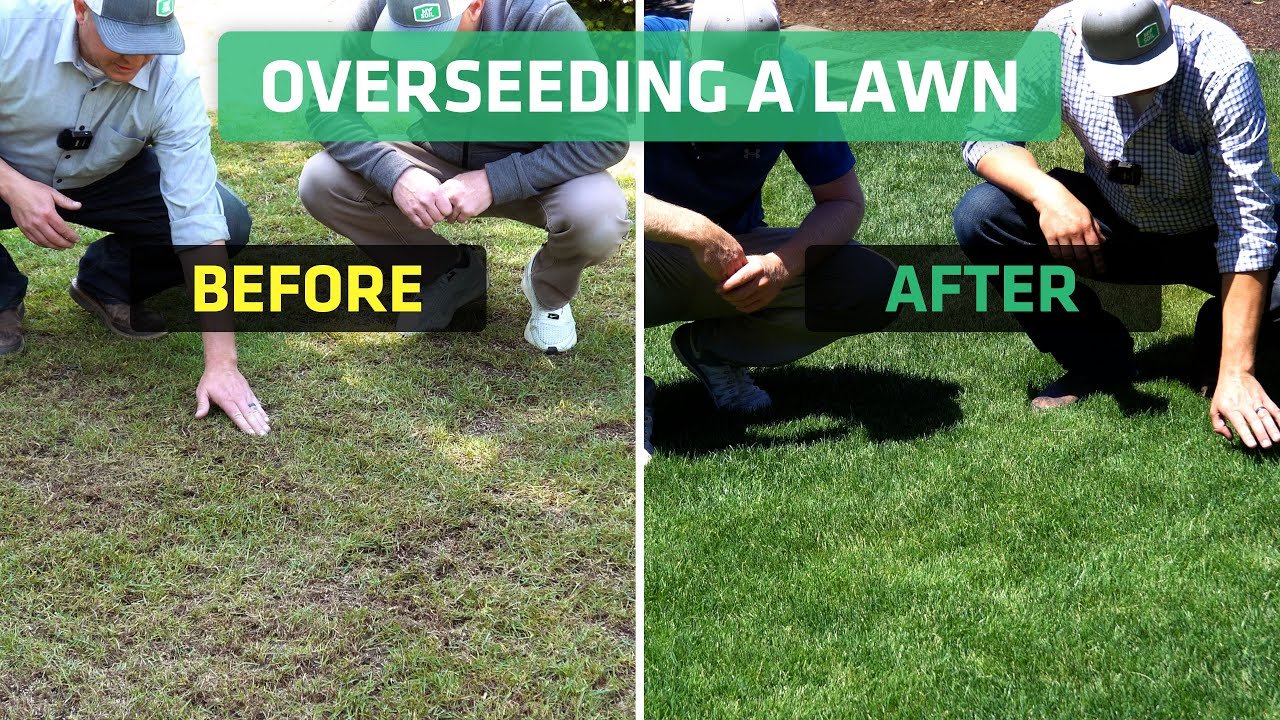
Is your lawn looking patchy or thin? You’re not alone, and the good news is there’s a simple way to bring it back to life.
Overseeding is the secret to a lush, green lawn that stands out in your neighborhood. But where do you start? This step-by-step guide will walk you through everything you need to know to overseed your lawn like a pro. By the end, you’ll have the confidence and know-how to transform your yard into the vibrant, healthy space you’ve been dreaming of.
Keep reading to unlock the secret to a thicker, greener lawn today.

Credit: www.wikihow.com
Benefits Of Overseeding
Overseeding means spreading new grass seeds on your lawn. It helps improve the lawn’s health and look. This process is easy and brings many benefits to your yard.
By overseeding, you can fix thin or bare areas. It also makes your lawn stronger against diseases and changes its color and texture for a better appearance.
Improving Lawn Density
Overseeding adds more grass plants to your lawn. This makes the lawn thicker and fuller. A dense lawn looks healthy and feels soft under your feet.
Thicker grass helps stop weeds from growing. It also protects the soil from drying out. This keeps your lawn green and fresh for longer.
Repairing Bare Spots
Bare spots happen from damage or heavy use. Overseeding fills these empty areas with new grass. This helps your lawn look even and smooth again.
Fixing bare spots quickly stops dirt from washing away. It also prevents weeds from taking over these areas. Your lawn stays strong and healthy.
Enhancing Disease Resistance
New grass seeds can include types that fight diseases. Adding these seeds makes your lawn tougher. It lowers the chance of grass problems caused by bugs or fungi.
A healthy lawn grows fast and recovers well. Overseeding helps grass stay strong and resist sickness better than old, thin grass.
Boosting Color And Texture
Overseeding can bring new colors and softness to your lawn. Different grass seeds add variety in shade and feel. This makes the yard look nicer and more inviting.
Fresh grass blades are usually greener and smoother. A lawn with good color and texture adds beauty to your outdoor space all year round.
Credit: www.lawnstarter.com
Best Time To Overseed
Overseeding your lawn helps keep it thick and healthy. Choosing the right time is key to good growth.
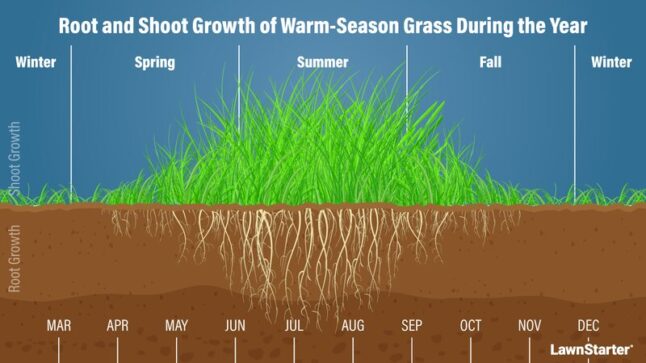
Different factors like seasons, climate, and grass type affect when to overseed. Learn these to get the best results.
Seasonal Considerations
Each season affects grass growth in unique ways. Picking the right season helps seeds grow faster.
- Spring:Soil warms up, good for cool-season grasses.
- Summer:Hot weather can stress new seeds; avoid overseeding then.
- Fall:Cooler temperatures and rain help seed germination.
- Winter:Ground is often too cold or frozen for seeds to grow.
Climate Factors
Climate zones change when you should overseed. Warm or cold areas need different timing.
| Climate Zone | Best Overseed Time |
| Cool Climate | Early Fall or Spring |
| Warm Climate | Late Spring or Early Summer |
| Transition Zone | Fall is ideal |
Grass Type Timing
Different grasses grow best at different times. Match overseeding to your grass type for success.
- Cool-Season Grasses:Overseed in early fall or spring.
- Warm-Season Grasses:Overseed in late spring or early summer.
- Mixed Lawns:Overseed based on dominant grass type.
Tools And Materials Needed
Overseeding a lawn requires the right tools and materials. These help you prepare, seed, and care for your grass effectively.
Gathering the proper equipment and supplies ensures your lawn gets the best start for new grass growth.
Essential Lawn Equipment
You need some basic tools to prepare your lawn and spread the seed evenly. These tools make the job easier and more efficient.
- Rake to remove debris and loosen soil
- Lawn mower to cut grass short before overseeding
- Spreader for even seed distribution
- Garden hose or sprinkler for watering
- Soil aerator to improve soil air and water flow
Selecting Quality Grass Seed
Choosing the right seed is important for a healthy lawn. Pick seed that matches your climate and existing grass type.
| Grass Type | Best For | Growth Season |
| Kentucky Bluegrass | Cool climates | Spring and fall |
| Bermuda Grass | Warm climates | Late spring to summer |
| Fescue | Shade and cool climates | Spring and fall |
Fertilizers And Soil Amendments
Fertilizers help new grass grow strong. Soil amendments improve soil quality and support seed germination.
- Nitrogen-rich fertilizer for green growth
- Phosphorus to boost root development
- Lime to balance soil pH if needed
- Compost or organic matter to improve soil texture
Preparing Your Lawn
Preparing your lawn correctly helps grass seeds grow strong. This step improves soil and removes any barriers. It makes overseeding more effective and your lawn healthier.
Before overseeding, you need to mow, clear debris, and check your soil. These tasks create a good environment for new grass to take root.
Mowing And Raking
Start by mowing your lawn to a short height. This helps the new seeds reach the soil easily. After mowing, rake the lawn to remove dead grass and thatch.
- Mow the grass to about 1 to 1.5 inches tall
- Use a sharp mower blade for a clean cut
- Rake the lawn to clear dead grass and thatch
- Remove clumps of grass to expose soil
Removing Debris
Remove leaves, sticks, and other debris from your lawn. Debris blocks sunlight and stops seeds from touching the soil. Clean lawn surfaces help seeds sprout faster.
| Common Debris | Why Remove |
|---|---|
| Leaves | Block sunlight and trap moisture |
| Sticks | Prevent even seed contact with soil |
| Dead grass | Creates a thick layer that blocks seeds |
| Trash | Harms soil quality and seed growth |
Soil Testing And Aeration
Test your soil to check pH and nutrients. This helps you know if the soil needs lime or fertilizer. Aerate the soil to loosen compacted areas and improve air flow.
- Collect soil samples from different lawn spots
- Use a soil test kit or send samples to a lab
- Apply lime or fertilizer based on test results
- Aerate the lawn using a spike or core aerator
- Water the lawn lightly after aeration
Seeding Process
Overseeding your lawn helps fill in bare spots and improves grass density. The seeding process needs careful attention for the best results.
This guide covers how to choose the right seed rate, spread seed evenly, and cover seeds properly.
Choosing The Right Seed Rate
Use the correct seed rate to avoid too many or too few seeds. Check the seed package for recommended amounts. Different grass types need different rates.
| Grass Type | Seed Rate (lbs per 1000 sq ft) |
| Kentucky Bluegrass | 2-3 |
| Perennial Ryegrass | 5-10 |
| Fescue | 6-8 |
Spreading Seed Evenly
Even seed spread ensures uniform grass growth. Use a seed spreader for best results. Walk at a steady pace and overlap passes slightly.
- Calibrate your spreader before use
- Divide your lawn into sections
- Spread half the seed in one direction
- Spread the other half at a right angle
Covering Seeds Properly
Cover seeds lightly with soil or mulch to protect them. This helps keep moisture and improves germination.
Use a rake or lawn roller to press seeds gently into the soil. Avoid burying seeds too deep.
Post-seeding Care
After overseeding your lawn, proper care is essential. This ensures new grass grows strong and healthy. Follow these steps to maintain your lawn.
Learn how to water, fertilize, and protect your newly seeded lawn. These tips will help you achieve a lush and vibrant yard.
Watering Schedule
Watering your newly seeded lawn is crucial. Keep the soil moist but not waterlogged.
- Water lightly twice a day for the first two weeks.
- Switch to once daily after seeds begin to sprout.
- Gradually reduce frequency as seedlings mature.
Fertilizing Tips
Fertilizing helps grass grow thicker and greener. Choose a starter fertilizer for young grass.
| Time | Fertilizer Type |
| At seeding | Starter fertilizer |
| After 6 weeks | Nitrogen-rich fertilizer |
Managing Foot Traffic
Limit foot traffic on your new lawn to protect seedlings. Use barriers if needed.
Troubleshooting Common Issues
Overseeding your lawn can lead to a lush and healthy yard. But sometimes, problems can arise during the process. Knowing how to troubleshoot these issues is key to success.
This guide will help you address common challenges like seed germination problems, weed control, and dealing with pests and diseases.
Seed Germination Problems
Sometimes seeds do not sprout as expected. This can be due to various reasons such as poor soil conditions or inadequate watering.
- Ensure soil is loose and aerated for better seed contact.
- Water seeds consistently, keeping the soil moist but not waterlogged.
- Check seed quality and expiration date before use.
Weed Control
Weeds compete with grass for nutrients and sunlight. Controlling them is crucial for a healthy lawn.
| Weed Type | Control Method |
| Dandelions | Hand-pulling or using a weed fork |
| Crabgrass | Pre-emergent herbicide in early spring |
| Clover | Post-emergent broadleaf herbicide |
Dealing With Pests And Diseases
Pests and diseases can harm your lawn if not addressed promptly. Identifying and treating them early is vital.
For pests like grubs, apply beneficial nematodes to the soil. For diseases, ensure proper drainage and avoid overwatering.

Credit: www.youtube.com
Maintaining A Healthy Lawn Year-round
A healthy lawn needs care throughout the year. Proper steps help grass grow thick and green. Overseeding is an important part of lawn care.
This guide explains how to keep your lawn healthy by mowing, fertilizing, and watering correctly.
Regular Mowing Practices
Mowing your lawn often keeps grass strong and neat. Cut only the top third of the grass blade. This helps grass stay green and avoid stress.
- Use a sharp mower blade for clean cuts
- Mow when grass is dry to prevent clumps
- Change mowing direction each time
- Keep grass height around 2.5 to 3 inches
Seasonal Fertilization
Fertilizer gives grass the nutrients it needs to grow. Different seasons need different types of fertilizer. Use a slow-release fertilizer for long-lasting results.
| Season | Fertilizer Type | Application Tips |
| Spring | High Nitrogen | Apply after the last frost |
| Summer | Balanced Fertilizer | Avoid during drought or heat waves |
| Fall | High Potassium | Helps grass prepare for winter |
Irrigation Strategies
Water your lawn deeply but less often. This helps roots grow strong and reach deep into the soil. Avoid shallow watering that causes weak roots.
- Water early in the morning to reduce evaporation
- Give about 1 inch of water per week
- Use sprinklers that distribute water evenly
- Check soil moisture before watering again
Frequently Asked Questions
What Is The Best Time To Overseed A Lawn?
The best time to overseed is during early fall or spring. These seasons offer optimal temperature and moisture for seed germination. Cooler weather reduces stress on new grass, promoting healthy growth and strong root development.
How Do I Prepare My Lawn For Overseeding?
Start by mowing your lawn short and removing debris. Next, aerate the soil to improve seed-to-soil contact. Rake lightly to loosen the soil surface, ensuring seeds settle well for better germination.
What Type Of Grass Seed Should I Use?
Choose grass seed that matches your existing lawn type and climate. For cool-season lawns, use ryegrass or fescue. For warm-season lawns, bermuda or zoysia grass seeds work best.
How Often Should I Water After Overseeding?
Water the lawn lightly twice daily for the first two weeks. Keep the soil consistently moist but not soggy. Gradually reduce watering frequency as seedlings establish strong roots.
Conclusion
Overseeding your lawn brings new life to tired grass. Follow each step carefully for best results. Water the lawn regularly to help seeds grow strong. Keep weeds away to give your grass space. With patience, your lawn will become thick and green.
A healthy lawn improves your home’s look and feel. Small effort now pays off with a beautiful yard later. Try overseeding this season and enjoy a fresh, green lawn.
