
Have you ever wondered what those letters—NPK—on your soil test report really mean? Understanding NPK is key to knowing exactly what your soil needs to help your plants grow strong and healthy.
If you want to improve your garden or farm but feel confused by all the numbers and terms, this article is made just for you. By the end, you’ll know how to read your soil test like a pro and make smarter choices for your plants.
Keep reading to unlock the secret behind NPK and take your gardening to the next level!

Credit: agrozone.ee
Npk Basics
NPK is a common term used in soil testing. It shows the amount of three key nutrients in soil. These nutrients help plants grow strong and healthy.
Understanding NPK helps farmers and gardeners choose the right fertilizers. This improves plant growth and crop yield.
What Npk Stands For
NPK stands for Nitrogen, Phosphorus, and Potassium. These are the three main nutrients plants need. Soil tests measure their levels to guide fertilizing.
Each letter shows a nutrient important for different plant functions. Knowing what they stand for helps in understanding soil health.
Role Of Nitrogen
Nitrogen is essential for plant growth. It helps plants make leaves and stems. This nutrient supports photosynthesis.
Without enough nitrogen, plants look yellow and weak. It is often the most needed nutrient in soil.
- Builds proteins in plants
- Supports leaf growth
- Helps plants produce chlorophyll
Importance Of Phosphorus
Phosphorus helps plants make roots and flowers. It is key for energy transfer inside plants. This nutrient supports seed and fruit development.
Plants with enough phosphorus grow strong roots. This helps them absorb more water and nutrients.
- Encourages root growth
- Supports flowering and fruiting
- Helps energy storage and transfer
Function Of Potassium
Potassium helps plants use water and fight diseases. It improves overall plant health. This nutrient controls many plant processes.
Plants with enough potassium resist drought better. They also have stronger stems and better fruit quality.
- Regulates water use in plants
- Strengthens plant tissues
- Improves disease resistance
Credit: yarafert.com
Npk In Soil Tests
NPK stands for nitrogen (N), phosphorus (P), and potassium (K). These are the main nutrients plants need to grow well.
Soil tests measure NPK levels to help farmers and gardeners understand soil health. This helps them add the right fertilizers.
How Soil Tests Measure Npk
Soil tests use chemical methods to find how much nitrogen, phosphorus, and potassium are in the soil.
Technicians take soil samples and use special tools to measure nutrient amounts. This shows what the soil needs.
Interpreting Npk Values
NPK values show nutrient levels as numbers or percentages. Higher numbers mean more nutrients are present.
Low nitrogen means plants may grow slowly. Low phosphorus can affect root growth. Low potassium weakens plants.
- High N helps leaves grow green and lush
- Phosphorus supports strong roots and flowers
- Potassium improves overall plant health and disease resistance
Common Npk Ratios
NPK ratios show the balance of nutrients in fertilizers or soil tests. Ratios help choose the right fertilizer.
| Ratio | Use |
|---|---|
| 10-10-10 | Balanced nutrients for general use |
| 20-10-10 | High nitrogen for leafy growth |
| 5-10-10 | More phosphorus and potassium for flowering plants |
| 10-20-10 | Boost root development |
Impact Of Npk On Soil Health
NPK stands for nitrogen, phosphorus, and potassium. These are the main nutrients plants need to grow. Testing soil for NPK levels helps farmers and gardeners know what the soil needs.
Adding the right amount of NPK to soil supports healthy plants and maintains soil quality. Understanding how NPK affects soil health is important for good crop production.
Npk And Nutrient Balance
Soil needs a balance of nutrients. Too much or too little nitrogen, phosphorus, or potassium can harm plants. Balanced NPK levels keep soil fertile and help plants absorb nutrients well.
- Nitrogen helps leaves grow green and strong.
- Phosphorus supports root and flower development.
- Potassium improves overall plant health and resistance.
- Too much nitrogen can cause weak stems and slow fruit growth.
- Excess phosphorus may block other nutrients.
Effects On Microbial Activity
Microbes in soil help break down organic matter and release nutrients. NPK levels affect these microbes. Balanced NPK promotes healthy microbial life, improving soil quality.
| Nutrient | Effect on Microbes |
| Nitrogen | Boosts microbial growth but too much can reduce diversity. |
| Phosphorus | Supports microbes that help root growth. |
| Potassium | Helps microbes resist stress and improves soil structure. |
Npk Influence On Plant Growth
NPK nutrients directly affect how plants grow. Each nutrient plays a different role, and together they create strong, healthy plants.
- Nitrogen helps plants make leaves and grow fast.
- Phosphorus is key for strong roots and flowers.
- Potassium improves fruit quality and disease resistance.
- Balanced NPK improves crop yield and plant health.
Adjusting Soil Npk Levels
Soil NPK levels show the amount of nitrogen, phosphorus, and potassium. These nutrients help plants grow strong and healthy. Testing soil helps find out if any nutrients are low.
Adjusting NPK levels improves soil quality. This guide explains how to identify nutrient problems and fix them with the right fertilizers.
Identifying Deficiencies
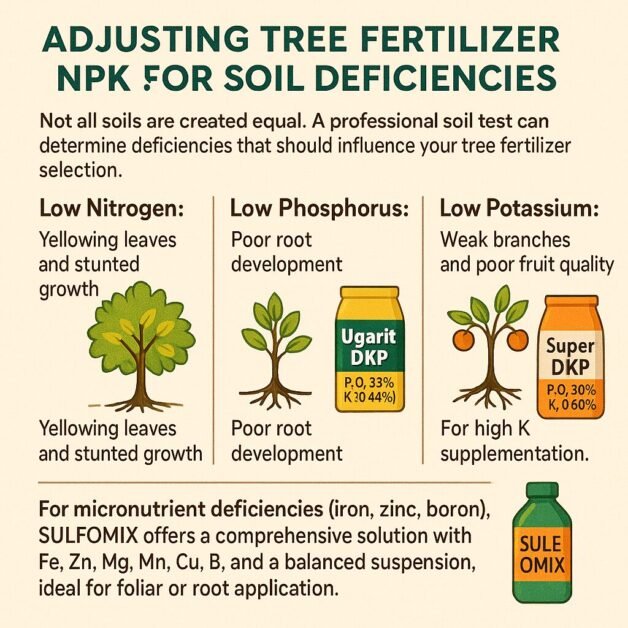
Look for plant signs that show low NPK levels. Yellow leaves may mean less nitrogen. Poor root growth can show phosphorus lack. Weak stems might mean low potassium.
- Yellowing leaves suggest nitrogen deficiency
- Stunted growth points to phosphorus shortage
- Weak stems indicate potassium deficiency
- Soil test results confirm exact nutrient levels
Choosing Fertilizers
Select fertilizers based on your soil test results. Use formulas that match the missing nutrients. Balanced fertilizers have equal amounts of N, P, and K.
| Fertilizer Type | Nitrogen (N) | Phosphorus (P) | Potassium (K) |
| 10-10-10 | 10% | 10% | 10% |
| 20-10-10 | 20% | 10% | 10% |
| 10-20-10 | 10% | 20% | 10% |
| 10-10-20 | 10% | 10% | 20% |
Organic Vs. Synthetic Options
Organic fertilizers come from natural sources like compost or manure. Synthetic fertilizers are made in factories. Each type has pros and cons for soil health and plant growth.
- Organic options improve soil structure over time
- Synthetic fertilizers act faster but may harm soil life
- Use organic for long-term soil health
- Use synthetic for quick nutrient boosts
Application Timing And Methods
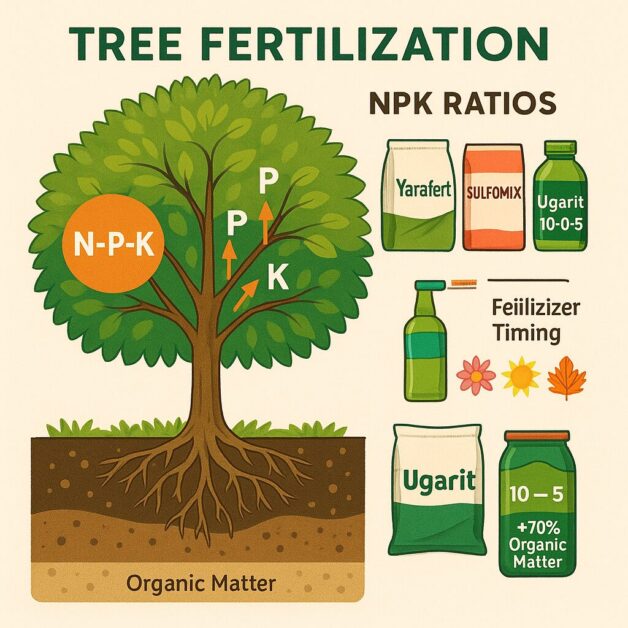
Apply fertilizers at the right time for best results. Early growth needs more nitrogen. Root development needs phosphorus. Potassium supports flowering and fruiting stages.
- Test soil before planting
- Apply nitrogen-rich fertilizer during early growth
- Add phosphorus when roots start to develop
- Use potassium fertilizer during flowering
- Water soil after fertilizing to help nutrients absorb
Beyond Npk: Other Soil Nutrients
NPK stands for nitrogen, phosphorus, and potassium. These are the main nutrients plants need. But soil has more nutrients that affect plant growth.
Understanding other nutrients helps farmers and gardeners improve soil health. This guide covers important secondary and micronutrients and soil pH.
Secondary Nutrients To Watch
Secondary nutrients include calcium, magnesium, and sulfur. Plants need them in smaller amounts than NPK.
Calcium helps build strong cell walls. Magnesium is part of chlorophyll, which plants use to make food. Sulfur helps make proteins and enzymes.
- Calcium (Ca): Strengthens plant structure
- Magnesium (Mg): Vital for photosynthesis
- Sulfur (S): Supports protein formation
Micronutrients And Soil Health
Micronutrients are needed in very small amounts but are still essential. Examples include iron, manganese, zinc, copper, boron, molybdenum, and chlorine.
These nutrients help enzymes work and support plant growth. A lack of micronutrients can cause poor plant health and low yields.
- Iron (Fe): Needed for chlorophyll production
- Manganese (Mn): Helps with photosynthesis
- Zinc (Zn): Supports growth hormones
- Copper (Cu): Aids in enzyme function
- Boron (B): Important for cell walls
- Molybdenum (Mo): Helps nitrogen use
- Chlorine (Cl): Assists in photosynthesis
Soil Ph And Nutrient Availability
Soil pH measures how acidic or alkaline the soil is. It affects how well plants can take up nutrients.
Most nutrients are available when soil pH is between 6 and 7. If pH is too low or too high, plants may not get enough nutrients.
- Acidic soil (pH < 6) can limit calcium and magnesium
- Alkaline soil (pH > 7) can limit iron, manganese, and zinc
- Adjusting pH helps nutrients become available

Credit: humicfactory.com
Npk Tips For Sustainable Gardening
NPK stands for Nitrogen, Phosphorus, and Potassium. These are key nutrients in soil tests. They help plants grow strong and healthy. Understanding NPK is crucial for sustainable gardening.
By balancing these nutrients, you can improve your garden’s health. It helps avoid harming the environment. Let’s explore some tips for sustainable gardening using NPK.
Avoiding Overfertilization
Overfertilization can damage plants and soil. It occurs when too much NPK is used. Plants can only absorb a certain amount of nutrients.
Excess fertilizer can wash away and pollute water sources. To avoid this, follow recommended NPK levels for your plants.
- Test soil before adding fertilizer
- Use slow-release fertilizers
- Apply only the needed amount
Crop Rotation Benefits
Crop rotation involves changing plant types in your garden each season. It helps balance NPK levels naturally.
Different plants use different amounts of nitrogen, phosphorus, and potassium. Rotating them keeps the soil healthy and nutrient-rich.
- Reduces soil nutrient depletion
- Prevents pest buildup
- Improves soil structure
Using Cover Crops
Cover crops are plants grown to cover the soil when main crops aren’t growing. They prevent soil erosion and add nutrients.
They help fix nitrogen in the soil. This enriches the soil without the need for chemical fertilizers. Common cover crops include clover and rye.
- Improve soil fertility
- Reduce weeds
- Enhance water retention
Frequently Asked Questions
What Does Npk Stand For In Soil Testing?
NPK stands for Nitrogen (N), Phosphorus (P), and Potassium (K). These are key nutrients tested in soil to assess fertility. They help plants grow strong roots, leaves, and flowers.
Why Is Npk Important For Soil Health?
NPK nutrients support plant growth by improving soil fertility. Nitrogen boosts leaf growth, phosphorus aids root and flower development, and potassium enhances overall plant strength and disease resistance.
How Is Npk Ratio Interpreted In Soil Tests?
The NPK ratio shows nutrient concentration percentages in soil. Higher numbers mean more availability of that nutrient. This helps farmers decide which fertilizers to apply for balanced soil nutrition.
Can Soil Test Npk Levels Affect Crop Yield?
Yes, balanced NPK levels promote healthy crop growth and higher yields. Deficiencies or excesses can stunt plants or reduce productivity, so proper soil testing is crucial for optimal farming.
Conclusion
Understanding NPK in soil tests helps you know what your soil needs. Nitrogen, phosphorus, and potassium each play a key role in plant growth. Testing soil shows the balance of these nutrients clearly. This knowledge guides you to add the right fertilizers.
Healthy soil means stronger plants and better harvests. Regular testing keeps your garden or farm productive. Simple steps lead to better results. Keep your soil healthy, and your plants will thank you.
