
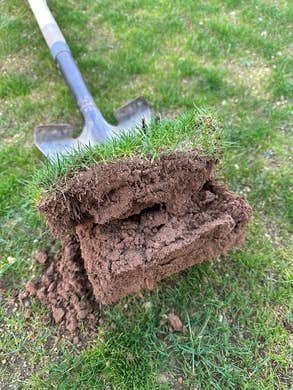
Is your lawn struggling to grow the way you want? If your soil feels gritty and drains water quickly, you might have sandy soil.
Knowing exactly what kind of soil you’re working with is the first step to creating a lush, green lawn. But how do you test sandy soil to make sure your lawn gets the care it needs? You’ll discover simple, effective ways to check your soil type at home.
By the end, you’ll have the confidence to improve your lawn’s health and watch it thrive like never before. Keep reading to unlock the secrets of testing sandy soil and transforming your yard.
Credit: randylemmon.com
Identifying Sandy Soil
Sandy soil feels gritty and coarse between your fingers. It drains water quickly and warms fast in spring.
This type of soil affects how you care for your lawn. Knowing its traits helps you choose the right lawn care methods.
Characteristics Of Sandy Soil
Sandy soil has distinct features that make it easy to spot. It is light and breaks apart easily.
- Texture feels gritty and rough
- Soil particles are large and loose
- Drains water very quickly
- Warms up faster than other soils
- Does not hold nutrients well
Benefits And Challenges
| Benefits | Challenges |
| Drains water fast, preventing puddles | Dries out quickly, needing frequent watering |
| Easy to work with and till | Low nutrient retention, requiring more fertilizing |
| Warms up quickly in spring | Can cause lawn roots to be shallow |
| Good for plants that like dry soil | Prone to erosion by wind or water |
Gathering Testing Materials
Testing sandy soil for your lawn helps you understand its condition. You need a few simple tools to get accurate results.
Collecting the right materials makes the testing process easy and effective. Prepare everything before you start.
Essential Tools
Gather these tools to test your sandy soil properly. Each one plays a key role in collecting and analyzing samples.
- Clean plastic or metal trowel for digging soil
- Small bucket or container to hold soil samples
- Plastic bags or airtight containers for storage
- Measuring cup to measure soil volume
- Distilled water for soil moisture tests
- Soil test kit or pH meter for analysis
Preparing Testing Samples
Collect soil samples carefully to avoid contamination. Follow these steps to prepare your soil for testing.
- Use the trowel to dig 4 to 6 inches deep at several spots.
- Place soil from each spot into the bucket or container.
- Mix the soil samples thoroughly to get an even mix.
- Remove debris like stones, roots, and leaves from the mix.
- Fill plastic bags or containers with the cleaned soil.
- Label each bag with the date and location of the sample.
Performing A Soil Texture Test
Testing soil texture helps you know if your soil is sandy, clayey, or loamy. This is important for lawn care.
Simple tests can show how much sand, silt, and clay your soil has. This guides your lawn watering and fertilizing.
Jar Test Method
The jar test shows soil layers by size. You will see sand, silt, and clay settle in water.
Fill a clear jar with soil and water. Shake well and let it sit for 24 hours. Sand will settle first, then silt, then clay.
- Fill a jar one-third with soil
- Add water until the jar is full
- Shake the jar for 2 minutes
- Let the jar sit for 24 hours
- Measure each layer’s height
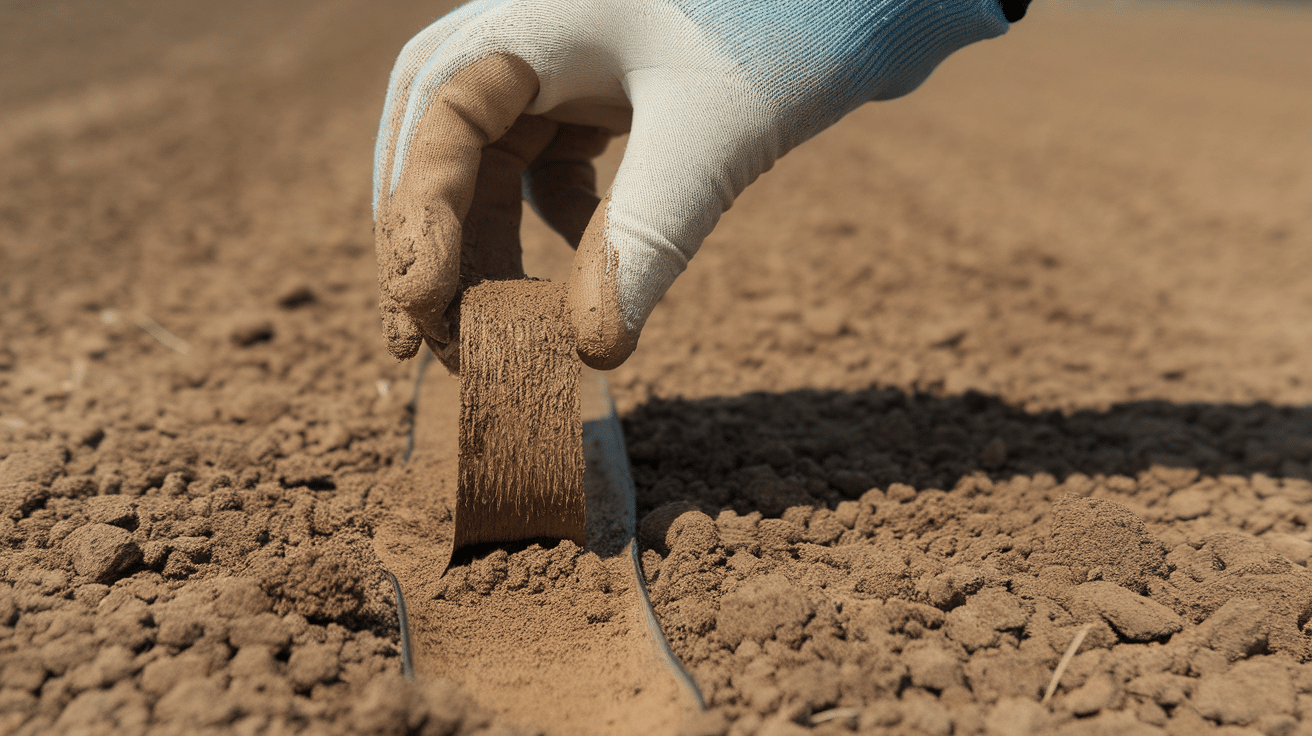
Feel And Ribbon Test
This test uses your hands to check soil texture. It shows how sandy or clayey the soil feels.
Moisten some soil and rub it between your fingers. Try to make a ribbon by pressing the soil between thumb and finger.
- If soil feels gritty, it has sand
- A smooth, floury feel means silt
- Sticky and forms a long ribbon means clay
- Short ribbons break quickly in sandy soil

Credit: www.angi.com
Checking Soil Ph Levels
Testing soil pH is important for healthy lawn growth. Sandy soil can have varied pH levels.
Knowing the pH helps you choose the right lawn care products. It also guides soil treatment.
Using Ph Test Kits
pH test kits come with simple tools to check soil acidity or alkalinity. You usually need soil samples.
- Collect soil from several spots in your lawn, about 4 inches deep.
- Mix the samples to get an average soil mix.
- Follow the kit instructions to add soil to the test container.
- Add the provided liquid or powder indicator.
- Wait for the color change to appear.
- Compare the color to the kit chart to find the pH number.
Interpreting Ph Results
Soil pH ranges from 0 to 14. A pH of 7 is neutral. Below 7 is acidic, above 7 is alkaline.
| pH Level | Soil Type | Lawn Care Tip |
| Below 6.0 | Acidic | Add lime to raise pH |
| 6.0 to 7.0 | Neutral to Slightly Acidic | Good for most grasses |
| Above 7.0 | Alkaline | Add sulfur to lower pH |
Analyzing Nutrient Content
Testing sandy soil helps you know what nutrients it has. This is important for a healthy lawn.
You can check the soil’s nutrient content by collecting samples and sending them to a lab.
Collecting Soil Samples
Collect soil samples from different spots in your lawn. This shows a clear picture of the soil.
Dig 4 to 6 inches deep and take small soil pieces. Mix them well in a clean container.
- Use a clean shovel or trowel
- Take samples from 5 to 10 places
- Remove grass and debris before sampling
- Mix samples for a uniform mix
- Use a dry container for mixing
Sending Samples To A Lab
Put the mixed soil in a clean bag or container. Label it with your name and location.
Send the sample to a soil testing lab. The lab tests for nutrients like nitrogen, phosphorus, and potassium.
- Follow the lab’s instructions for packaging
- Include a request form if needed
- Send samples as soon as possible
- Wait for the lab results to plan your lawn care
Evaluating Soil Drainage
Testing sandy soil for your lawn is important. You must evaluate soil drainage to ensure healthy grass growth.
Poor drainage can lead to waterlogging. This harms your lawn’s roots and overall health.
Simple Drainage Test
To test drainage, dig a small hole in your lawn. Fill it with water and watch how fast it drains.
If the water drains quickly, your soil has good drainage. If it drains slowly, you may have a problem.
- Dig a hole about 12 inches deep.
- Fill it with water.
- Time how long it takes to drain.
Signs Of Poor Drainage
Poor drainage can show in several ways. Look for signs to identify issues early.
Grass may turn yellow or brown. Puddles might form after rain.
- Water pooling on the surface
- Yellowing grass patches
- Slow water absorption
Improving Sandy Soil Quality
Sandy soil can be tricky for lawns. It drains fast and lacks nutrients. Improving its quality is important for a healthy lawn.
There are simple ways to make sandy soil better. Adding organic matter and adjusting pH and nutrients are key steps.
Adding Organic Matter
Organic matter helps sandy soil hold water and nutrients. It improves soil structure and supports healthy grass growth.
- Use compost made from kitchen scraps and garden waste.
- Apply well-rotted manure in the spring and fall.
- Add peat moss to increase water retention.
Adjusting Ph And Nutrients
Testing soil pH and nutrient levels is crucial. Sandy soil often lacks key nutrients and may have an incorrect pH level.
Here is a simple table to guide you:
| Soil Component | Ideal Range |
| pH Level | 6.0 – 7.0 |
| Nitrogen | Medium to High |
| Phosphorus | Medium |
| Potassium | Medium to High |
Adjust the pH using lime for acidic soil or sulfur for alkaline soil. Use fertilizers to add missing nutrients based on soil test results.
Preparing Sandy Soil For Lawn Seeding
Sandy soil drains water quickly and has low nutrients. It needs special care before planting grass seeds.
Proper preparation helps grass grow strong and healthy on sandy soil.
Leveling And Aeration
Level the soil to remove bumps and low spots. This keeps water from pooling and helps seeds spread evenly.
Aerate the soil to let air, water, and nutrients reach grass roots. This improves soil health and seed growth.
- Use a rake or lawn roller to level the ground
- Remove stones and debris before seeding
- Use a garden fork or aerator tool to create holes in the soil
- Aerate when the soil is dry for better results
Selecting Suitable Grass Types
Pick grass types that grow well in sandy soil. They should handle fast drainage and low nutrients.
Choose grasses that need less water and have deep roots for better soil hold.
- Buffalo grass: drought-tolerant and low maintenance
- Bermuda grass: grows fast and handles heat well
- Zoysia grass: dense and resists soil erosion
- Fescue grass: good for cooler sandy areas

Credit: www.amazon.ca
Frequently Asked Questions
How Can I Test Sandy Soil For My Lawn?
To test sandy soil, collect samples from different lawn spots. Use a soil test kit or send samples to a lab. Check texture, nutrient levels, and pH to ensure proper lawn growth.
What Nutrients Are Lacking In Sandy Soil?
Sandy soil often lacks nitrogen, phosphorus, and potassium. It drains quickly, washing away nutrients. Regular testing helps identify deficiencies and guides appropriate fertilization.
How Does Soil Texture Affect Lawn Health?
Soil texture affects water retention and nutrient availability. Sandy soil drains fast but holds fewer nutrients. Testing helps adjust amendments to improve soil structure and support healthy grass.
Can I Improve Sandy Soil For Better Lawn Growth?
Yes, add organic matter like compost or peat moss. These improve moisture retention and nutrient content. Testing soil first ensures you add the right amendments for your lawn’s needs.
Conclusion
Testing sandy soil helps keep your lawn healthy and green. Simple steps give you a clear picture of soil quality. Knowing soil texture and nutrients guides your care decisions. Regular testing prevents problems before they start. Your lawn will grow better with the right soil mix.
Take time to test soil and watch your lawn thrive. Easy to do, and worth the effort. Start today for a stronger, more vibrant lawn tomorrow.
