
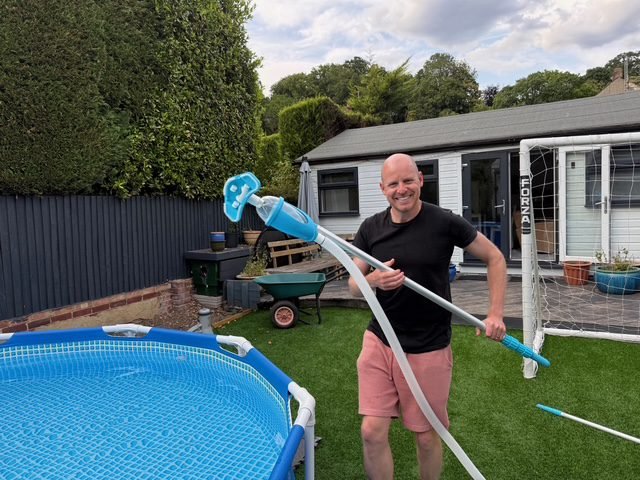
Do you struggle to keep your small yard clean without spending hours raking and sweeping? Using a yard vacuum can be a game-changer, making yard cleanup faster and easier.
But you might wonder, how can you use a yard vacuum effectively in a small space without feeling overwhelmed? In this guide, you’ll discover simple tips and tricks to get the best results from your yard vacuum, saving you time and effort.
Ready to make your yard work less of a chore? Let’s dive in and transform your small yard cleanup routine.
Choosing The Right Yard Vacuum
Using a yard vacuum can make cleaning small yards easier. Picking the right model saves time and effort.
This guide helps you choose the best yard vacuum for small spaces. Learn about compact models, power options, and portability.
Compact Models For Small Spaces
Small yards need yard vacuums that fit tight areas. Compact models are lighter and easier to handle.
- Look for vacuums with a small footprint.
- Choose models with narrow nozzles to reach corners.
- Check the vacuum’s weight for easy use.
- Find models designed for patios and small lawns.
Power Options And Features
Yard vacuums come with different power sources. Battery, electric, and gas models have pros and cons.
| Power Type | Advantages | Considerations |
| Battery | Quiet, no cords | Limited run time |
| Electric (Corded) | Unlimited run time | Cord limits movement |
| Gas | Powerful for heavy debris | Heavier and noisy |
Portability And Storage
Choose a yard vacuum that is easy to move and store. Portability matters in small yards.
- Check for wheels that roll smoothly.
- Look for foldable handles or compact designs.
- Consider vacuums that fit in small storage spaces.
- Lightweight models reduce strain while using.
Preparing Your Small Yard
Using a yard vacuum helps keep your small yard clean and tidy. Proper preparation makes the process easier and safer.
Before starting, take time to prepare your yard. This ensures the vacuum works well and avoids damage.
Clearing Large Debris
Remove big objects that the yard vacuum cannot handle. These can block or damage the machine.
- Pick up sticks, stones, and toys
- Move garden tools and pots out of the way
- Clear fallen branches and large leaves by hand
Checking Yard Vacuum Compatibility
Make sure your yard vacuum fits your yard size and terrain. Not all vacuums work well in small spaces.
| Feature | Recommended for Small Yards |
| Vacuum Width | Less than 18 inches |
| Weight | Lightweight for easy maneuvering |
| Power Source | Electric or battery-powered preferred |
| Collection Bag Size | Smaller size to avoid bulk |
Safety Precautions
Follow safety rules to protect yourself and your yard vacuum. Safety prevents accidents and damage.
- Wear gloves and eye protection
- Check the vacuum for damage before use
- Keep children and pets away during operation
- Do not vacuum wet leaves or liquids
- Turn off and unplug before clearing blockages
Operating The Yard Vacuum Efficiently
Using a yard vacuum in small yards can save time and keep your space clean. You need to know how to operate it safely and well.
This guide covers tips for starting and stopping, vacuuming effectively, and managing the bag or bin capacity.
Starting And Stopping Tips
Start the yard vacuum on a flat surface. Check that all parts are attached properly before turning it on. When stopping, turn off the engine first, then let it cool down before emptying the bag or bin.
- Place the vacuum on solid ground.
- Check fuel or battery levels.
- Ensure the collection bag is attached.
- Turn on the engine and wait for it to reach full speed.
- Turn off the engine before emptying or cleaning.
Effective Vacuuming Techniques
Use slow and steady movements to pick up leaves and debris. Avoid pushing the vacuum too fast; this can clog the machine or miss spots. Work in small sections for better results.
- Move the vacuum forward slowly.
- Overlap each pass slightly to avoid missing areas.
- Lift the vacuum to avoid rocks or large sticks.
- Clear wet leaves carefully to prevent clogs.
Managing Bag And Bin Capacity
Keep an eye on the bag or bin level. Overfilling can reduce suction and strain the motor. Empty the bag or bin often to keep the vacuum working well.
| Bag/Bin Size | Recommended Fill Level | Action |
|---|---|---|
| Small (up to 10 gallons) | 75% | Empty frequently during use |
| Medium (10-15 gallons) | 80% | Empty after each section |
| Large (15+ gallons) | 85% | Empty when half full for best power |
Credit: www.lawnsite.com
Maintaining Your Yard Vacuum
Keeping your yard vacuum in good shape helps it work well. Regular care stops problems and makes it last longer.
Simple maintenance tasks can improve your yard vacuum’s performance. This guide shows key steps to follow.
Cleaning Filters And Blades
Filters and blades collect dirt and debris. Cleaning them often keeps your yard vacuum running smoothly.
Remove filters and blades carefully. Use water and a soft brush to clean dirt away. Let them dry completely before putting them back.
- Check filters for holes or damage
- Clean blades to avoid clogging
- Dry parts fully to stop rust
Regular Inspection And Repairs
Look over your yard vacuum regularly. Find small problems early to avoid big repairs later.
Check for loose screws, cracks, or worn parts. Tighten screws and replace broken parts as needed. This keeps your vacuum safe and effective.
- Inspect belts and hoses for wear
- Test engine or motor function
- Fix leaks or cracks quickly
Storage Tips For Longevity
Store your yard vacuum in a dry, clean place. Good storage protects it from damage and weather.
Empty the collection bag and clean parts before storage. Cover the vacuum to keep dust off and prevent rust.
- Keep vacuum indoors or in a shed
- Use covers to block dust and moisture
- Store away from direct sunlight and rain
Troubleshooting Common Issues
Using a yard vacuum in a small yard can save time and keep your space clean. Sometimes, problems may arise that slow down your work. Knowing how to fix these issues helps you keep the vacuum working well.
This guide covers common problems like clogs, motor and suction troubles, and overheating. Follow these tips to solve them quickly and easily.
Dealing With Clogs
Leaves, sticks, and grass can block the vacuum tube. This lowers suction and stops debris from moving.
- Turn off and unplug the vacuum before checking.
- Remove the hose and look inside for stuck debris.
- Use a long stick or broom handle to push clogs out.
- Clean the collection bag or container often.
- Check the filter for dirt and clean or replace it.
Motor And Suction Problems
The motor may fail or suction may weaken. These issues reduce vacuum power.
| Problem | Cause | Solution |
| Motor won’t start | Power supply issue | Check outlet and plug |
| Weak suction | Clogged hose or filter | Clear blockages, clean filter |
| Strange motor noise | Debris in motor or loose parts | Inspect motor, tighten screws |
Handling Overheating
The vacuum motor can get too hot from long use or blockages. Overheating may stop the motor or cause damage.
To prevent overheating:
- Turn off the vacuum every 15 minutes to cool it.
- Keep air vents clear of debris and dust.
- Empty the collection bag before it is full.
- Use the vacuum on dry leaves to avoid moisture buildup.
- Allow the motor to cool before restarting if it shuts off.

Credit: www.youtube.com
Maximizing Cleanup Speed
Using a yard vacuum in small yards can save time and energy. Knowing how to maximize cleanup speed is key for efficiency.
A few simple strategies can make your yard vacuuming more effective. Let’s explore these techniques.
Using Attachments Effectively
Attachments can enhance your yard vacuum’s performance. Choose the right one for each task.
For example, use a narrow nozzle for tight spaces. A wide nozzle covers larger areas quickly.
- Narrow nozzle for corners
- Wide nozzle for open areas
- Brush attachment for stubborn debris
Planning Cleanup Routes
Plan your cleanup path before starting. This helps you avoid retracing steps and wasting time.
Start from one end and move in a systematic path. This ensures no spot is missed.
- Begin at the furthest point
- Move in straight lines
- Overlap paths to ensure coverage
Combining Tools For Best Results
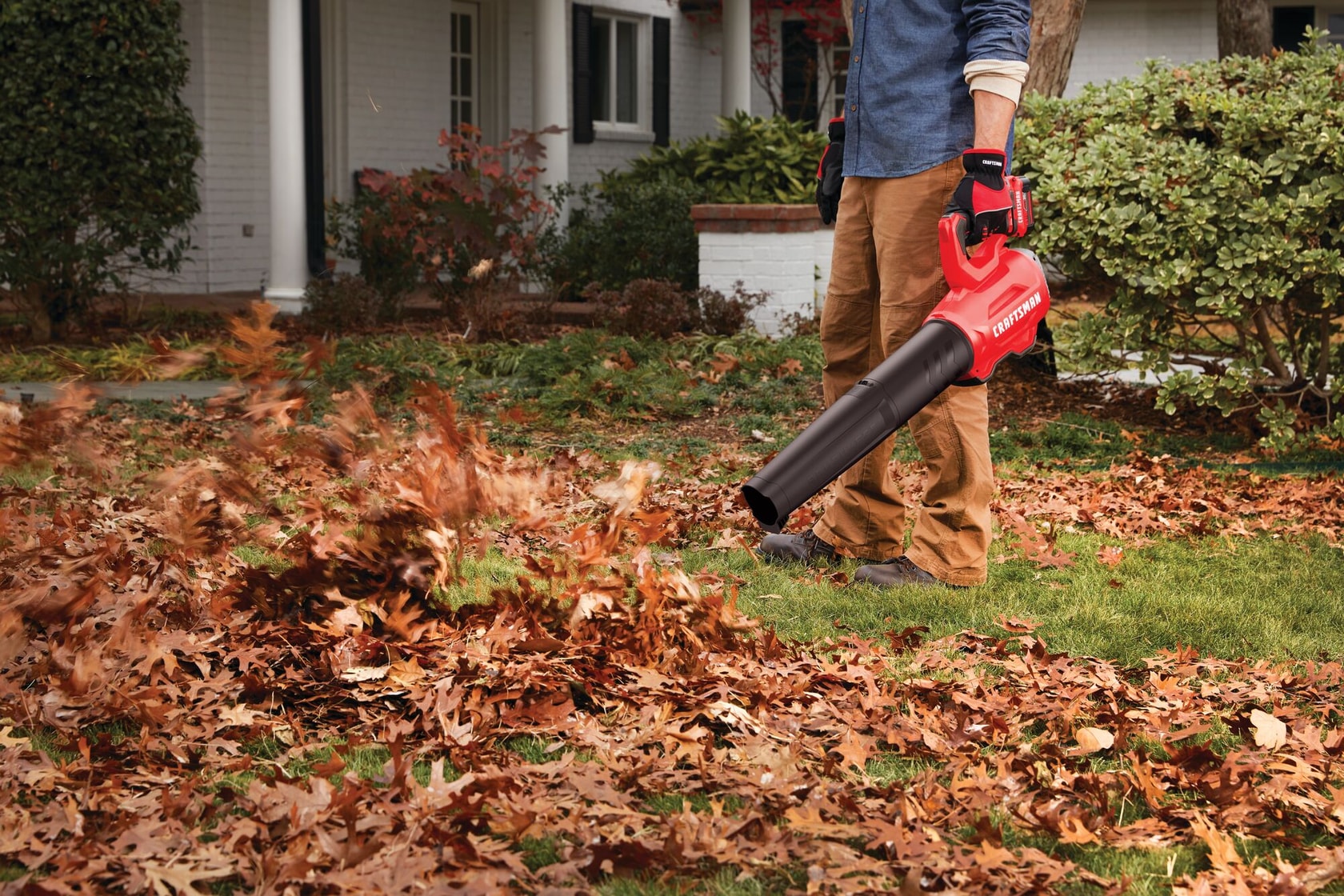
Use other tools alongside your yard vacuum. A rake or broom can help with larger debris.
This combination speeds up the process. It ensures all types of debris are cleared efficiently.
- Rake for larger leaves
- Broom for sweeping dirt
- Yard vacuum for small debris
Credit: www.craftsman.com
Frequently Asked Questions
How Do I Choose The Right Yard Vacuum For Small Yards?
Selecting a yard vacuum depends on yard size and debris type. Choose a lightweight, compact model for easy maneuvering in small spaces. Check suction power and bag capacity to ensure efficiency without frequent emptying. Battery-powered models offer quiet operation and convenience.
What Safety Tips Should I Follow Using A Yard Vacuum?
Always wear protective gear like gloves and eye protection. Keep children and pets away during operation. Avoid vacuuming large sticks or stones to prevent damage. Follow the manufacturer’s instructions for proper use and maintenance.
How Often Should I Use A Yard Vacuum In Small Yards?
Use your yard vacuum weekly during peak leaf-fall seasons. In other times, bi-weekly or monthly use is sufficient. Regular cleaning prevents buildup and keeps your yard tidy without overworking the machine.
Can A Yard Vacuum Handle Wet Leaves Effectively?
Most yard vacuums work best with dry leaves. Wet leaves can clog the vacuum and reduce performance. Wait for leaves to dry or use a blower attachment if available to loosen damp debris first.
Conclusion
Using a yard vacuum in small yards saves time and effort. It helps keep your space clean and neat. Choose the right vacuum size for your yard. Regular use prevents buildup of leaves and debris. Always follow safety tips for best results.
Keep your small yard tidy with simple tools. Enjoy a cleaner yard with less work. Small yards benefit greatly from yard vacuums. Give it a try and see the difference.
