
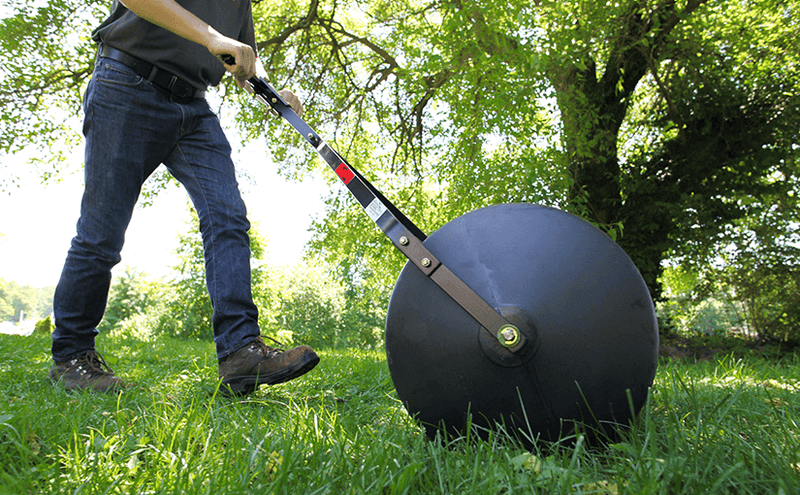
Have you ever wondered how to get that perfectly smooth, even lawn that makes your yard stand out? Using a lawn roller might be the simple trick you’re missing.
Whether you want to fix uneven ground, press seeds firmly into the soil, or prepare your lawn for a new season, a lawn roller can make a big difference. You’ll discover why using a lawn roller can save you time, improve your lawn’s health, and give your outdoor space a polished look.
Keep reading to find out how this easy tool can transform your lawn care routine.
Credit: www.aosom.com
Benefits Of Lawn Rolling
Lawn rolling helps keep your grass healthy and neat. It presses soil and seeds evenly.
This process supports a strong lawn by improving soil and seed conditions.
Improved Soil Contact
Lawn rollers push soil down, closing air pockets. This helps roots grow better.
- Reduces soil gaps
- Increases root stability
- Helps soil hold moisture
Smoother Lawn Surface
Rolling flattens bumps and uneven areas. This makes your lawn easy to mow and walk on.
| Before Rolling | After Rolling |
| Uneven ground | Flat and level surface |
| Hidden bumps and holes | Visible smooth lawn |
| Difficult mowing | Easy mowing and maintenance |
Enhanced Seed Germination
Rolling helps seeds touch the soil. This improves water and nutrient absorption.
- Seeds stay in place
- Better moisture contact
- Faster and stronger growth
Types Of Lawn Rollers
Lawn rollers help keep your grass smooth and even. They press the soil to remove bumps and improve seed contact.
There are different types of lawn rollers. Each type works best for certain tasks and lawn sizes.
Manual Rollers
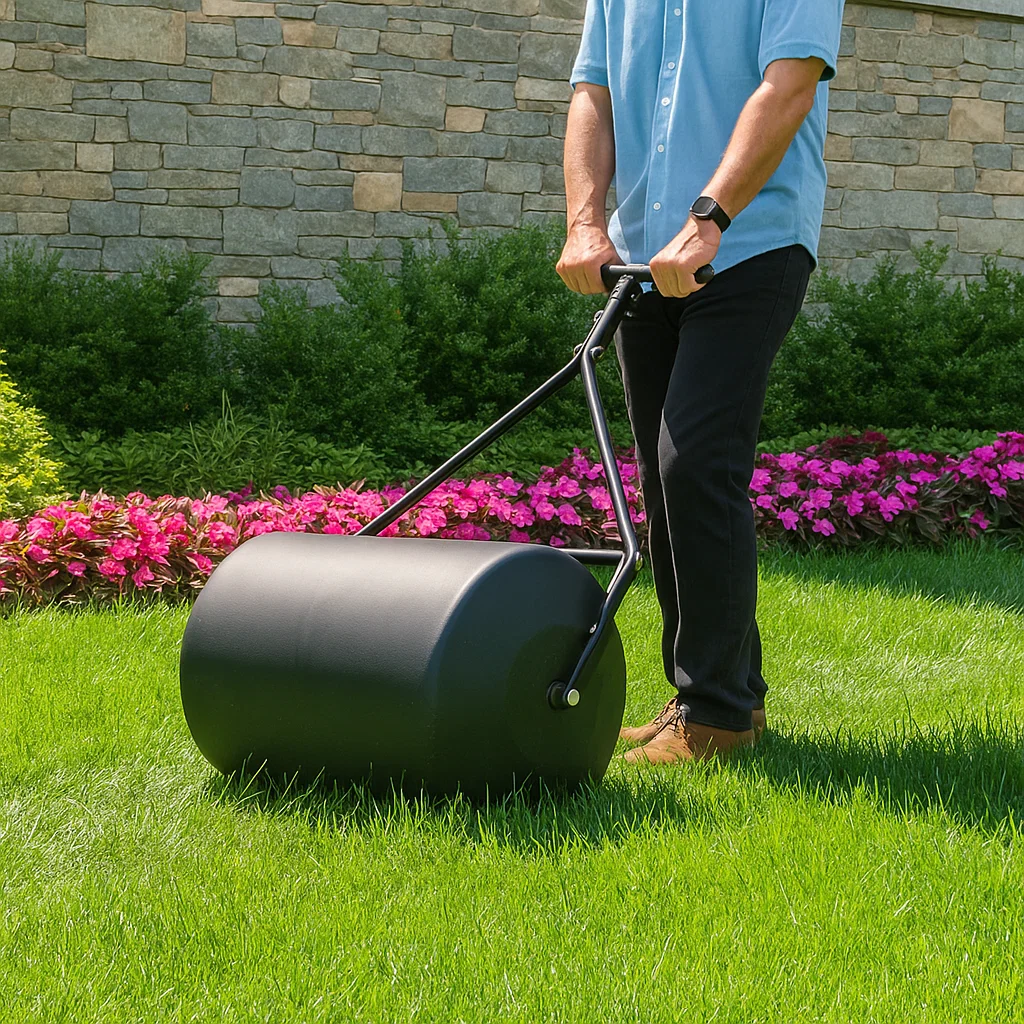
Manual rollers are simple and affordable. You push or pull them by hand across your lawn.
- Lightweight and easy to use
- Best for small lawns or garden patches
- Do not require fuel or water
- Good for light soil pressing and seedbed preparation
Water-filled Rollers
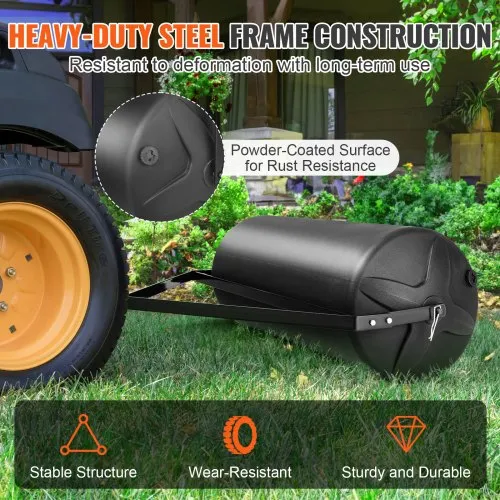
Water-filled rollers are heavier than manual rollers. You fill them with water to add weight.
| Feature | Description |
| Weight | Adjustable by adding or removing water |
| Size | Available in various widths for different lawns |
| Use | Good for leveling uneven soil and pressing grass seeds |
| Portability | Light when empty, easy to move |
Gas-powered Rollers
Gas-powered rollers use an engine to drive the heavy roller. They cover large lawns quickly.
- Heavy and powerful for deep soil compaction
- Require fuel and regular maintenance
- Best for large areas like sports fields or golf courses
- Can reduce work time significantly
When To Use A Lawn Roller
A lawn roller is a useful tool to flatten uneven ground. It helps to press seeds or sod into the soil. Using it at the right time gives the best results for your lawn.
Knowing when to use a lawn roller can save you time and improve your lawn’s health. It is most helpful after seeding, post-sod installation, and following lawn repair.
After Seeding
After spreading grass seed, a lawn roller helps press the seeds into the soil. This improves seed-to-soil contact. It helps seeds stay in place and absorb moisture better.
Rolling the soil gently after seeding keeps seeds from washing away. It also gives the seeds a better chance to grow strong roots.
Post-sod Installation
After laying sod, use a lawn roller to press the sod firmly into the ground. This removes air pockets under the sod. It helps the sod roots connect with the soil.
Rolling the sod evenly ensures good contact with the soil. This leads to faster rooting and a healthier lawn.
Following Lawn Repair
Use a lawn roller after filling holes or leveling bumps in your lawn. It helps smooth out the soil surface. Rolling compacts the soil and prevents future sinking.
Rolling after repair keeps the lawn even and easier to mow. It also helps new grass grow well in repaired areas.

Credit: www.amazon.ca
Step-by-step Lawn Rolling Process
Lawn rolling helps to flatten the soil and improve grass growth. It smooths out bumps and helps seeds settle.
Following the right steps makes lawn rolling safe and effective. This guide explains how to do it well.
Preparing The Lawn
Start by mowing the lawn short and removing debris like sticks and stones. This keeps the roller from getting stuck.
Water the lawn lightly a day before rolling. The soil should be moist but not soggy for best results.
- Cut grass short
- Clear debris
- Water the soil lightly
Choosing The Right Roller Weight
Pick a roller weight that fits your lawn type. Heavy rollers work on new lawns and uneven soil.
Lighter rollers suit established lawns to avoid damaging grass roots. Balance weight and soil type carefully.
- Heavy rollers: 100-200 pounds for new lawns
- Light rollers: under 100 pounds for grown grass
- Check soil moisture to prevent compaction
Rolling Techniques
Roll the lawn in straight lines, overlapping each pass slightly. This covers the area evenly.
Roll slowly and avoid going over the same spot many times. Too much rolling can harm grass roots.
- Move in straight, overlapping lines
- Roll slowly and steadily
- Do not roll when soil is too wet
- Limit passes to avoid soil compaction
Common Mistakes To Avoid
Using a lawn roller helps create a smooth and even lawn surface. Many people make mistakes that reduce its benefits or harm their grass.
Knowing what not to do will keep your lawn healthy and looking great after rolling.
Over-rolling
Rolling your lawn too much compacts the soil too tightly. This stops air, water, and nutrients from reaching grass roots.
It can also crush grass blades and slow down growth. Use the lawn roller only once or twice per season to avoid damage.
Rolling Wet Lawns
Rolling a wet lawn can cause soil to become muddy and clumpy. This leads to uneven surfaces and poor drainage.
Wait until the lawn is dry before rolling. Dry soil compacts better without harming grass roots or surface.
Ignoring Soil Type
Different soils react differently to rolling. Clay soil compacts easily, while sandy soil needs less rolling.
Know your soil type before rolling. Adjust the weight and frequency of rolling to avoid harming your lawn.
- Clay soil: Roll lightly and less often
- Sandy soil: Rolling can help settle loose soil
- Loamy soil: Moderate rolling is safe
Additional Lawn Care Tips
Maintaining a lush and healthy lawn requires more than just occasional mowing. With consistent care, your lawn can thrive and look its best throughout the growing season.
Here are some essential tips to ensure your lawn remains vibrant and well-maintained, complementing the use of a lawn roller.
Regular Mowing Practices
Mowing your lawn regularly is crucial for its health. It helps keep the grass even and prevents weeds from taking over. Keep your mower blades sharp for a clean cut.
- Set mower height to leave grass about 3 inches tall
- Change mowing direction each time to prevent ruts
- Never cut more than one-third of the grass height at once
Proper Watering Schedule
Watering your lawn correctly ensures the grass gets enough moisture without overwatering. It is best to water early in the morning when temperatures are cooler.
| Season | Watering Frequency |
| Spring | Twice a week |
| Summer | Three times a week |
| Fall | Once a week |
Fertilizing For Healthier Grass
Fertilizing provides essential nutrients that your lawn needs to grow strong and green. Use a balanced fertilizer suitable for your type of grass and soil.
Credit: www.vevor.ca
Frequently Asked Questions
What Are The Benefits Of Using A Lawn Roller?
A lawn roller helps flatten uneven soil, improving lawn appearance and health. It ensures better seed-to-soil contact for quicker grass growth. Rolling also helps remove air pockets and smooths out bumps after seeding or aerating. This leads to a more even, lush lawn.
When Is The Best Time To Use A Lawn Roller?
The best time to use a lawn roller is after seeding or aeration. Early spring or fall, when soil is moist but not waterlogged, is ideal. Avoid rolling during drought or excessive rain to prevent soil compaction and damage to grass roots.
Can A Lawn Roller Damage My Grass?
If used correctly, a lawn roller won’t harm your grass. Overuse or rolling on wet soil can compact the soil and damage roots. Always roll when soil is moist but firm, and avoid excessive pressure to maintain healthy turf growth.
How Heavy Should A Lawn Roller Be?
A lawn roller should be heavy enough to press seeds but not compact soil. Typically, 50-150 pounds is ideal for home lawns. Too heavy rollers can harm roots, while too light ones won’t effectively flatten the soil.
Conclusion
Using a lawn roller helps create a smooth and even lawn surface. It presses the soil and seeds gently, aiding growth. Lawns look neat and stay healthy longer. Rolling also fixes small bumps and holes easily. It saves time and effort in lawn care.
A lawn roller fits many garden sizes and types. Try it to keep your grass strong and tidy. Simple tools, big benefits. A well-rolled lawn looks better and feels great to walk on. Give your lawn the care it deserves.
