
Have you ever wondered if lawn rollers could be the secret weapon in your battle against soil compaction? If your lawn feels more like a patchy, hard surface than a lush, green carpet, you’re not alone.
Soil compaction can be a major headache, making it tough for your grass to thrive. But don’t worry, there’s hope! By the end of this article, you’ll discover how lawn rollers might just be the tool you need to transform your yard into the envy of the neighborhood.
Imagine stepping onto your lawn and feeling that soft, welcoming texture underfoot. Intrigued? Let’s dig deeper to see if lawn rollers can truly make a difference for you and your garden.
Soil Compaction Basics
Soil compaction happens when soil particles are pressed together tightly. This reduces the space between particles.
Compacted soil stops air, water, and roots from moving freely. This can harm your lawn’s health and growth.
What Causes Soil Compaction
Heavy tools and foot traffic press down the soil. This pushes soil particles closer and makes the soil hard.
Wet soil is more likely to compact because it is softer. Driving or walking on wet soil makes compaction worse.
- Walking or running on the lawn often
- Using heavy lawn equipment like mowers or rollers
- Rain or watering that makes soil wet
- Animals digging or walking in the yard
Effects On Lawn Health
Compacted soil stops roots from growing deep. This makes the lawn weak and less green.
Water cannot soak into compacted soil well. This causes water to run off and wastes moisture.
- Poor root growth and weak grass
- Water puddles on the lawn surface
- Less air in the soil, which roots need
- Increased lawn disease risk due to poor drainage
Credit: www.aosom.com
Role Of Lawn Rollers
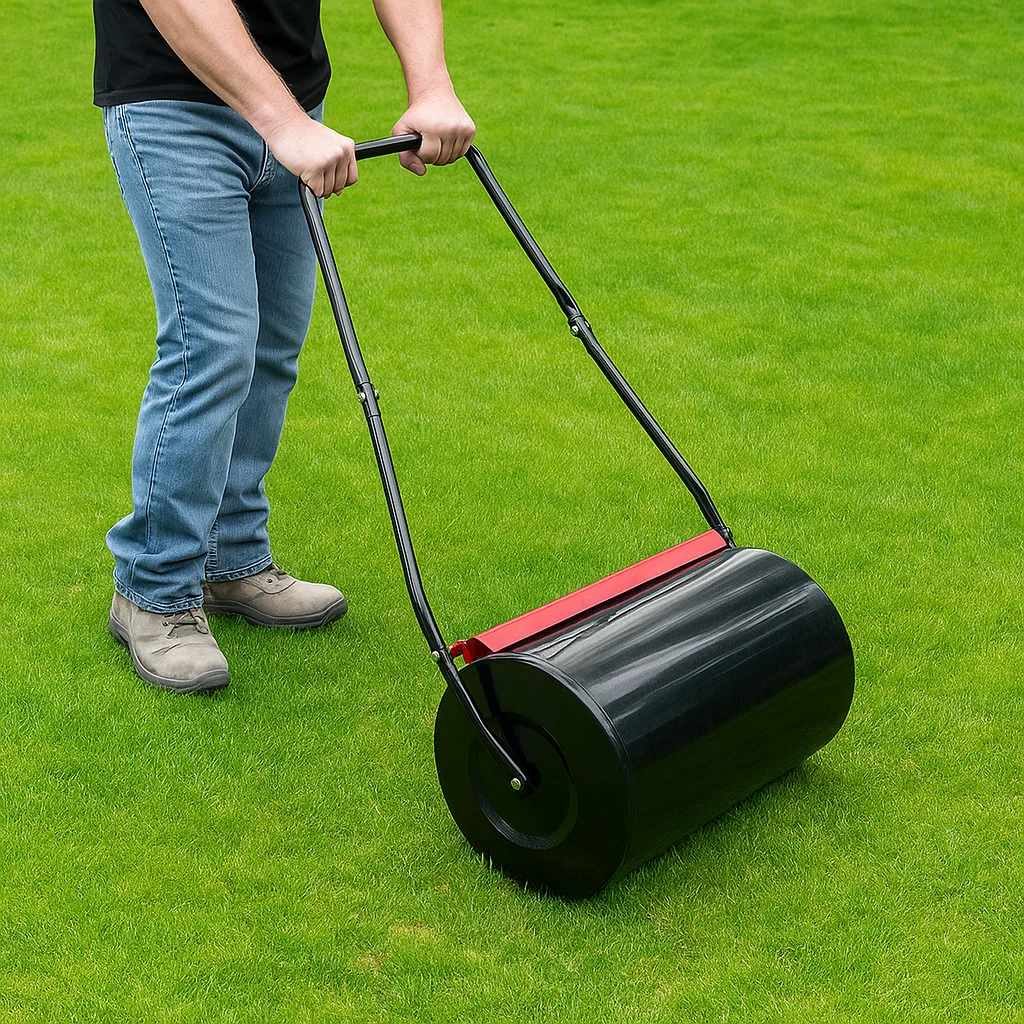
Lawn rollers are tools used to press the soil down. They help make the ground flat and even.
Many gardeners wonder if lawn rollers help with soil compaction. This depends on how and when you use them.
How Lawn Rollers Work
Lawn rollers push soil particles closer together. This can smooth the surface and press seeds into the ground.
They work best on soft or loose soil. Rolling firm soil can increase compaction and harm grass roots.
Types Of Lawn Rollers
There are different types of lawn rollers. Each type suits different lawn sizes and soil conditions.
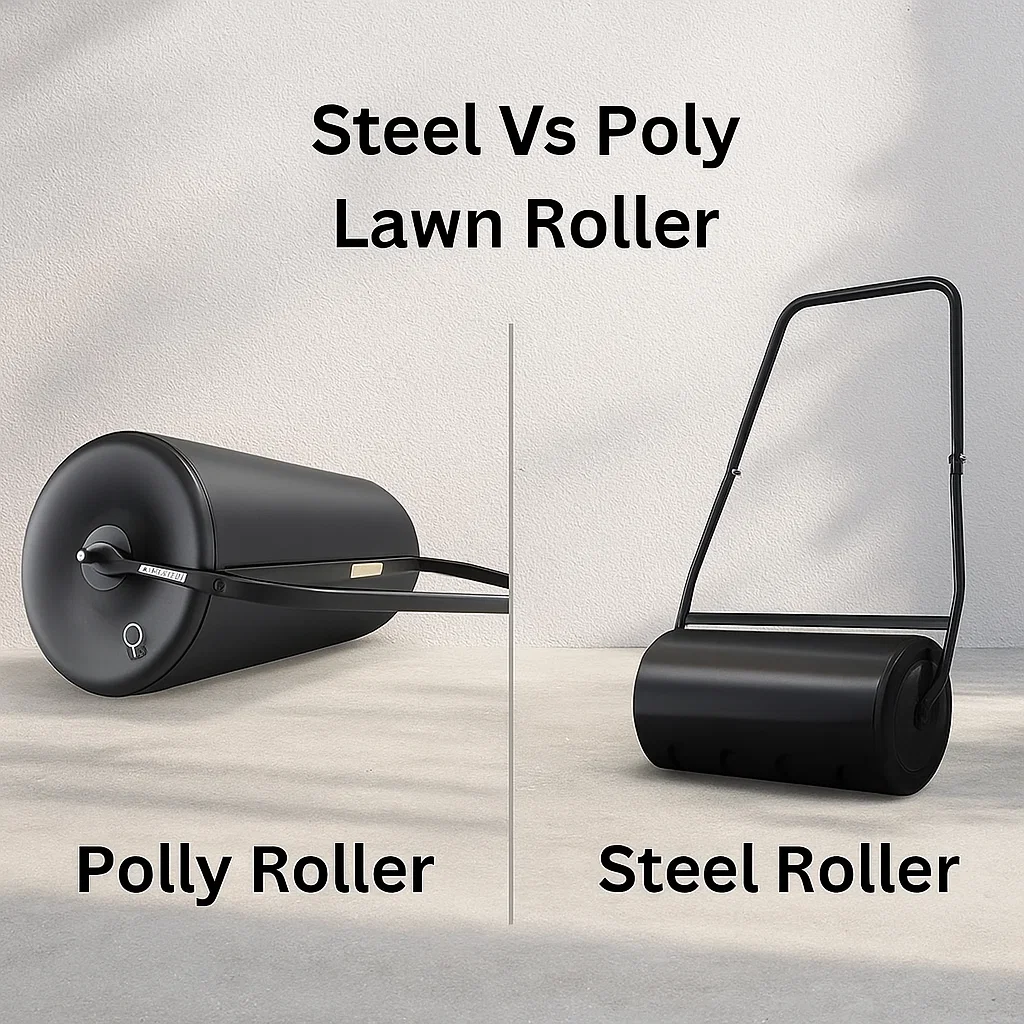
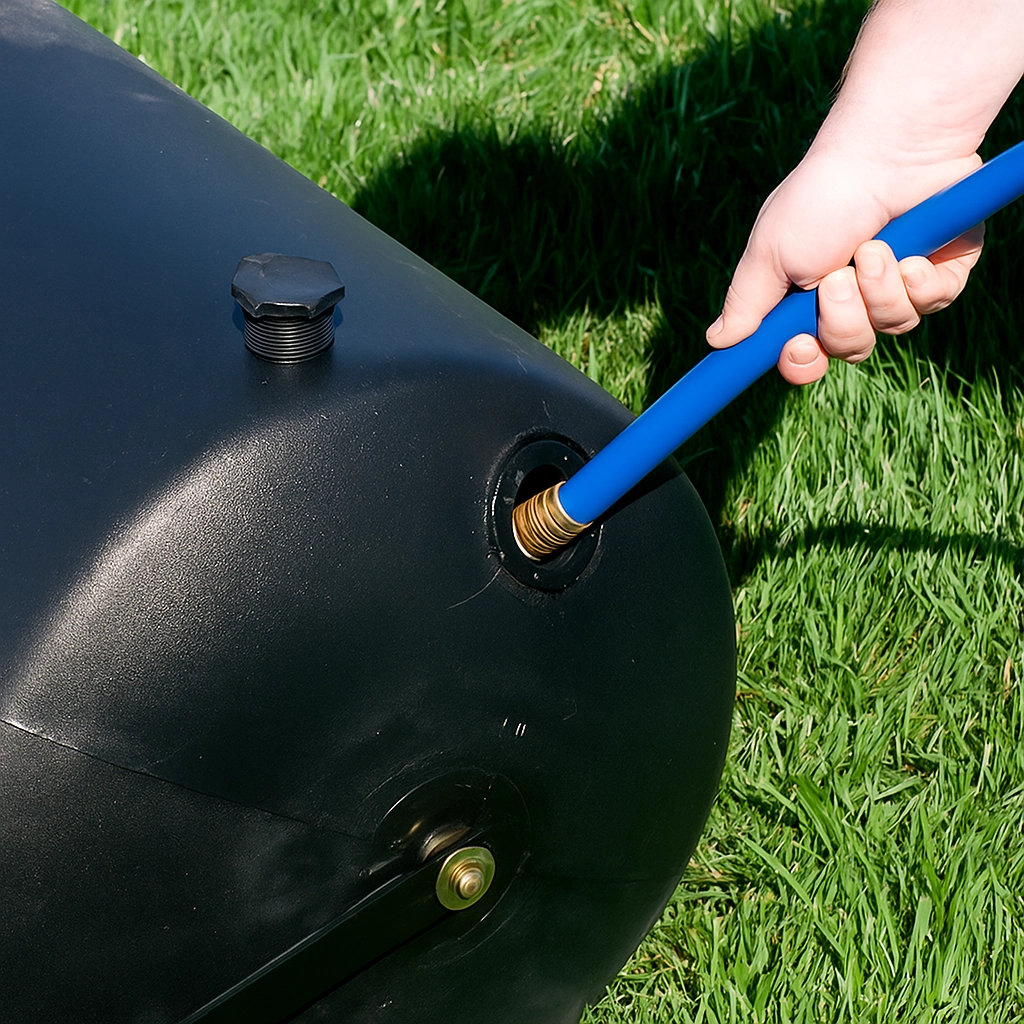
- Water-filled rollers:These are lightweight when empty. Fill them with water for extra weight.
- Steel rollers:Heavy and durable. Good for large lawns and tough soil.
- Plastic rollers:Lightweight and easy to move. Best for small lawns and light rolling.
| Roller Type | Weight | Best Use |
| Water-filled | Light to medium | Small to medium lawns |
| Steel | Heavy | Large lawns, firm soil |
| Plastic | Light | Small lawns, soft soil |
Lawn Rollers And Compaction
Lawn rollers are tools used to flatten soil and grass. They help create a smooth lawn surface.
Soil compaction happens when soil particles are pressed together. This can affect lawn health.
Can Rollers Increase Compaction
Using a lawn roller can make soil denser. This means it can increase compaction if used too much.
- Heavy rolling on wet soil causes more compaction.
- Repeated rolling can reduce air and water in soil.
- Compacted soil makes it hard for grass roots to grow.
Situations Where Rollers Help
Lawn rollers work best in some cases. They can fix uneven ground and help seed contact soil.
| Situation | How Rollers Help |
| After seeding | Press seeds into soil for better germination |
| Uneven lawn | Flatten bumps and smooth the surface |
| New sod | Improve contact between sod and soil |
| Animal damage | Level small holes or uneven patches |
Credit: www.aosom.com
Alternatives To Lawn Rollers
Lawn rollers press the soil to flatten the ground. This can sometimes worsen soil compaction. Compacted soil stops water and air from reaching roots. There are better ways to fix soil compaction without using a roller.
This article looks at other tools and methods. These help improve soil health and let grass grow strong. Using these alternatives keeps your lawn healthy and green.
Aeration Techniques
Aeration means making small holes in the soil. This lets air, water, and nutrients get to the roots. Aeration helps reduce soil compaction better than rolling.
You can aerate your lawn using tools like spike aerators or core aerators. Core aerators remove small plugs of soil. Spike aerators poke holes without removing soil.
- Core aeration is best for heavy clay soils.
- Spike aeration works well for light compaction.
- Aerate your lawn once or twice a year.
- Water the lawn after aerating for best results.
Soil Amendment Options
Soil amendments improve soil structure and reduce compaction. They add organic matter and nutrients to the soil. This helps grass roots grow deep and strong.
Common soil amendments include compost, sand, and gypsum. Compost adds nutrients and improves soil texture. Sand helps break up heavy clay soils. Gypsum loosens compacted soil without changing pH.
- Spread compost over your lawn and rake it in.
- Mix sand with clay soil to improve drainage.
- Apply gypsum to clay soils to reduce compaction.
- Test your soil before adding amendments.
Best Practices For Lawn Care
Using lawn rollers can affect your soil and grass. It is important to know how to use them properly. This guide helps you understand the best ways to care for your lawn with lawn rollers.
We will cover when to use lawn rollers and how to avoid problems like soil compaction. These tips keep your lawn healthy and green.
When To Use Lawn Rollers
Lawn rollers help smooth the ground and press seeds into the soil. Use them after seeding or patching bare spots. Rolling can also flatten bumps and improve lawn appearance.
- Roll the lawn after spreading new grass seed
- Use to press sod firmly into the soil
- Flatten uneven areas for a smooth surface
- Avoid using on wet soil to prevent damage
Avoiding Excessive Compaction
Soil compaction stops roots from growing well. It blocks water and air from reaching the grass. Avoid rolling too often or on wet soil to prevent hard soil.
| Risk | Cause | Effect |
| Excessive Compaction | Rolling too much or on wet soil | Poor root growth and dry grass |
| Uneven Rolling | Rolling only parts of the lawn | Patchy grass and bumps |
| Heavy Equipment | Using large rollers on soft soil | Soil damage and grass stress |
Credit: www.aosom.com
Frequently Asked Questions
What Is A Lawn Roller And How Does It Work?
A lawn roller is a heavy tool used to flatten soil or grass. It compacts soil by applying pressure, reducing unevenness and improving lawn appearance.
Can Lawn Rollers Reduce Soil Compaction Effectively?
No, lawn rollers actually increase soil compaction by pressing soil particles closer. Overuse can harm root growth and soil health.
When Should I Use A Lawn Roller On My Lawn?
Use a lawn roller after seeding or sod installation to improve seed-to-soil contact. Avoid rolling wet or already compacted soil.
Are There Alternatives To Lawn Rollers For Soil Compaction?
Yes, aerators are better for relieving soil compaction. They create holes to improve air and water flow to roots.
Conclusion
Lawn rollers can help reduce bumps and even out soil surfaces. They may slightly compact soil but don’t fix deep soil issues. Overusing rollers can make soil too hard for plants. Good soil health needs proper aeration and organic matter.
Use rollers carefully and combine with other soil care methods. This way, your lawn stays healthy and strong. Choose the right tool for the job. Your lawn will thank you for gentle care.

