
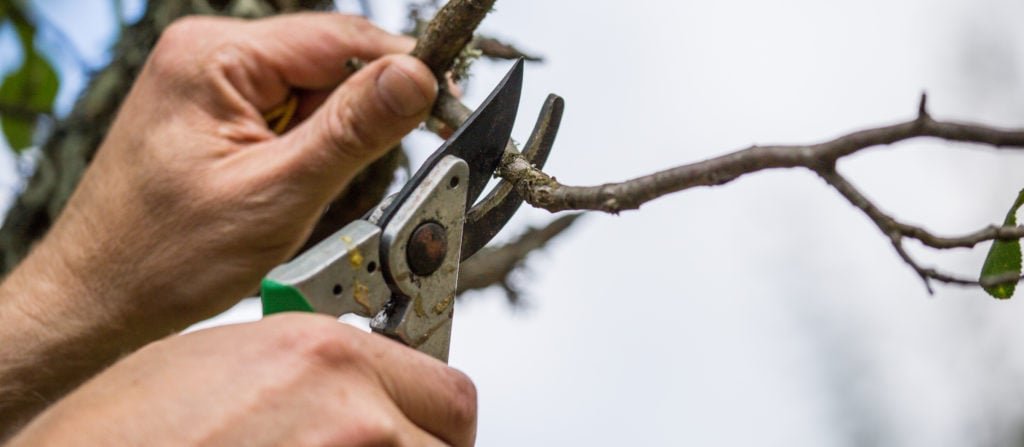
Are pests taking over your garden and ruining your plants? You might be surprised to learn that a simple gardening task—pruning—could be your secret weapon against these unwanted visitors.
But can pruning really reduce pests and protect your plants? If you want to keep your garden healthy and vibrant without relying heavily on chemicals, understanding how pruning affects pest control is essential. Keep reading to discover how the right pruning techniques can make a big difference in keeping your garden pest-free.
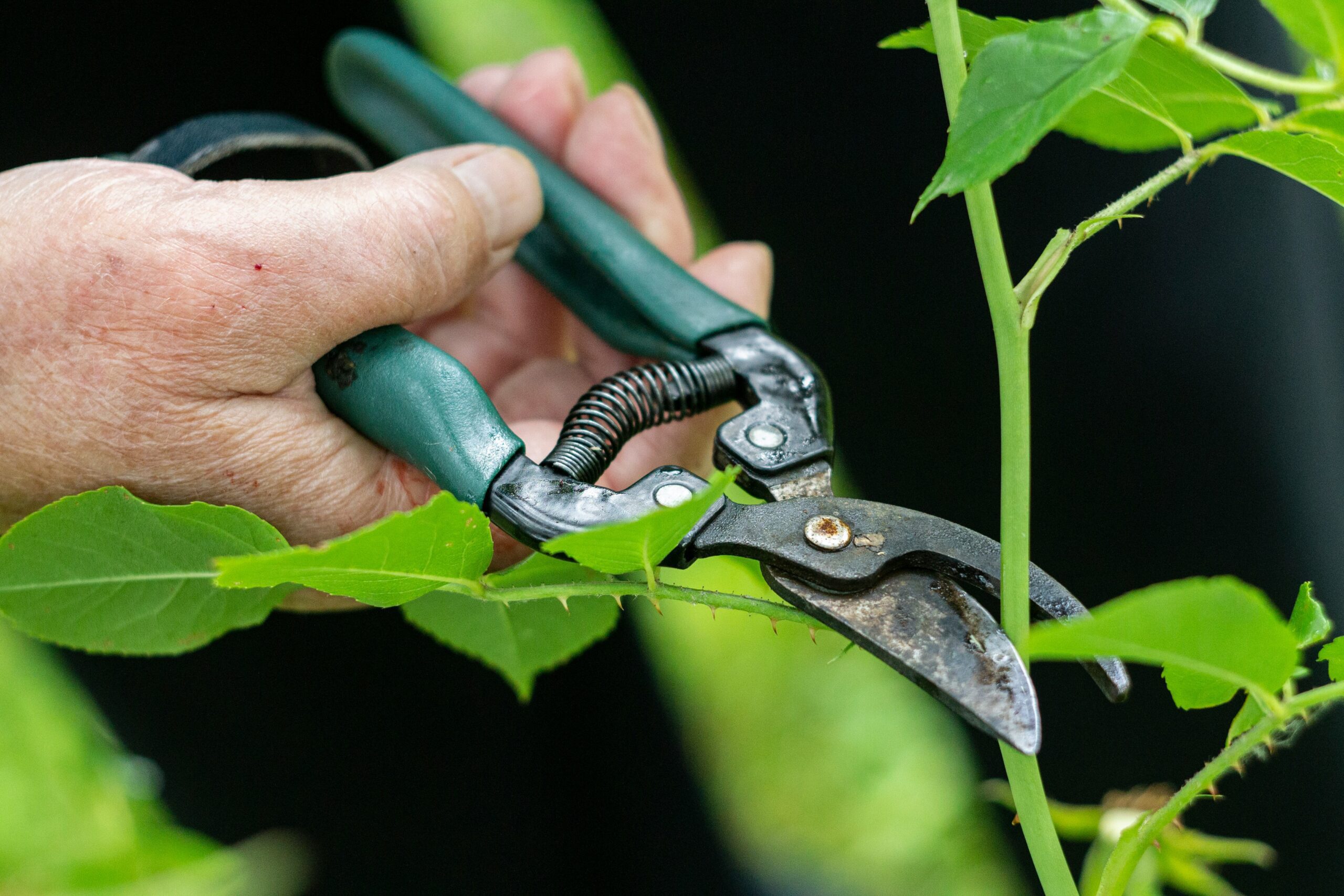
Credit: shegrowsveg.com
Role Of Pruning In Pest Control
Pruning helps manage pests by changing plant structure. It removes parts where pests can live and breed.
By cutting away damaged or crowded branches, plants stay healthier and resist pests better. This reduces pest problems naturally.
How Pruning Limits Pest Habitats
Pruning removes places pests use to hide or lay eggs. Thin branches and dense leaves often trap insects and eggs.
- Cut away dead or weak branches where pests gather.
- Open up the plant canopy to improve air flow and light.
- Remove dense leaf clusters to reduce shelter for insects.
- Dispose of pruned material properly to avoid pest spread.
Impact On Plant Health And Resistance
Pruned plants grow stronger by focusing energy on healthy parts. This boosts natural defenses against pests.
| Benefit | Effect on Plant |
| Improved air circulation | Reduces fungal infections |
| Better sunlight exposure | Strengthens growth |
| Energy focus | Enhances pest resistance |
| Less decay | Limits pest entry points |

Credit: www.numberanalytics.com
Best Pruning Practices To Minimize Pests
Pruning helps keep plants healthy and can reduce pest problems. Cutting plants at the right time stops pests from spreading.
Using the right tools and removing bad growth also lowers pest risks. Follow these simple steps to protect your plants.
Timing Your Pruning Activities
Prune plants during dry weather to prevent fungal growth. Avoid pruning in the late afternoon or evening when pests are active.
- Prune in early spring before new growth starts.
- Cut back in late summer to reduce pest habitats.
- Do not prune in wet or cold conditions.
- Remove old leaves and branches in fall to clear pests.
Tools And Techniques For Clean Cuts
Use sharp, clean tools to make smooth cuts. This helps plants heal faster and stops pests from entering wounds.
| Tool | Purpose | Cleaning Method |
| Pruning Shears | Small branches and stems | Wipe with alcohol after use |
| Loppers | Thicker branches | Wash with soapy water and dry |
| Pruning Saw | Large branches | Sharpen and disinfect regularly |
Removing Infected Or Damaged Growth
Cut off any branches or leaves that look diseased or have pest damage. This stops pests from spreading to healthy parts.
- Look for spots, holes, or discoloration on leaves.
- Remove dead or dying branches completely.
- Dispose of infected material away from your garden.
- Clean tools after pruning to avoid spreading pests.
Common Garden Pests Reduced By Pruning
Pruning helps keep your garden healthy by removing parts of plants that pests like. Cutting away damaged or crowded branches stops pests from spreading.
Regular pruning improves air flow and sunlight. This makes the garden less friendly to many pests and diseases.
Aphids And Scale Insects
Aphids and scale insects suck sap from plants. They often hide on new growth and crowded branches. Pruning removes these hiding spots and weakens their hold.
By cutting off infested parts, you reduce pest numbers. This also helps natural predators reach pests more easily.
Fungal Diseases And Mites
Pruning removes dead or infected branches that grow fungi. This lowers the chance of fungal diseases spreading. It also opens the plant to air and light, which fungi dislike.
Mites thrive in dense, shaded areas. Pruning thins crowded plants and reduces mite habitats. This helps keep plants healthier.
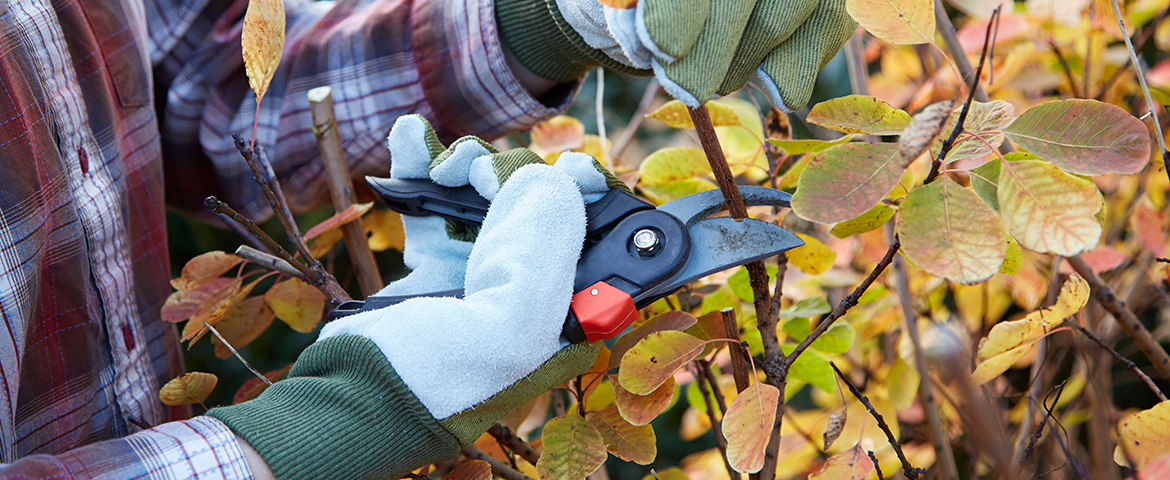
Credit: www.dreamworkstrees.com
Complementary Pest Management Strategies
Pruning helps reduce pests by removing damaged parts of plants. It works best with other pest control methods.
Using several strategies together protects plants and keeps pests low. This guide covers useful ways to manage pests.
Using Natural Predators
Natural predators eat pests and keep their numbers down. They include ladybugs, spiders, and birds.
Attracting these predators helps your garden stay healthy without harmful chemicals.
- Plant flowers that attract ladybugs and lacewings
- Avoid pesticides that kill beneficial insects
- Provide water sources for birds and insects
Maintaining Garden Cleanliness
Cleaning garden debris removes pest hiding spots. Rake leaves and clear dead plants regularly.
Clean gardens stop pests from breeding and spreading diseases to healthy plants.
- Remove fallen fruit and leaves
- Dispose of plant waste properly
- Keep soil free of weeds and mulch buildup
Applying Organic Treatments
Organic treatments control pests without harming the environment. They include neem oil, insecticidal soap, and garlic spray.
These treatments are safe for beneficial insects and help keep pest levels low after pruning.
- Use neem oil to stop insect growth
- Spray insecticidal soap on affected plants
- Apply garlic spray to repel pests
Signs Your Garden Needs Pruning
Pruning helps keep your plants healthy and strong. It removes dead parts and improves air flow. Knowing when to prune can stop pests from spreading.
Look for signs in your garden that show it needs pruning. These signs help you act before problems get worse.
Overcrowded Branches And Leaves
Too many branches and leaves can block sunlight and air. This creates a perfect place for pests and diseases. Pruning opens up the plant and helps it breathe.
- Branches growing inward or crossing each other
- Leaves blocking sunlight from lower parts
- Dense areas where air does not move well
Visible Pest Infestations
Seeing pests on your plants shows you need to prune. Pruning removes the places pests hide and lay eggs. Check leaves and stems for bugs or webs.
| Common Pest | Signs | Damage |
| Aphids | Small green or black insects on leaves | Leaf curling, sticky residue |
| Spider Mites | Fine webs on branches and leaves | Yellow spots, leaf drop |
| Scale Insects | Hard shells on stems or leaves | Weak growth, leaf yellowing |
Stunted Or Discolored Growth
Plants that grow slowly or change color may need pruning. Dead or old branches take energy from healthy parts. Pruning helps new growth and bright leaves.
- New shoots are smaller than usual
- Leaves turn yellow, brown, or pale
- Branches die back or do not grow
Frequently Asked Questions
Can Pruning Help Control Garden Pests?
Pruning removes damaged or infested plant parts, reducing pest habitats. It improves air circulation, making plants less attractive to pests. Regular pruning can disrupt pest life cycles and limit their spread, promoting healthier plants and fewer infestations.
When Is The Best Time To Prune For Pest Control?
The best time to prune for pest control is late winter or early spring. This timing removes overwintering pests and damaged growth before new growth starts. Pruning at this time helps prevent pests from establishing and spreading during the growing season.
Does Pruning Reduce Pest-related Plant Diseases?
Yes, pruning reduces pest-related diseases by removing infected branches early. It improves air flow and sunlight, limiting fungal and bacterial growth. Healthy plants resist pests and diseases better, so pruning supports overall plant health and pest management.
How Often Should I Prune To Minimize Pests?
Prune regularly, ideally once or twice a year, to minimize pests. Frequent pruning removes potential pest habitats and keeps plants healthy. Avoid over-pruning, which can stress plants and attract more pests, balancing growth and pest control effectively.
Conclusion
Pruning helps keep plants healthy. It reduces pests by removing weak branches. These branches attract insects and diseases. Healthy plants resist pests better. Regular pruning also improves air circulation. This limits pest growth. Simple tools like pruning shears work well.
Start with small cuts. Over time, you’ll notice fewer pests. This method is natural and effective. It’s easy to practice in any garden. So, grab your shears. Begin pruning today for healthier plants. Enjoy a beautiful, pest-free garden with less effort.
Happy gardening!
