
Are you struggling to get your lawn looking lush and green no matter what you do? The secret might be hidden right beneath your feet—in the soil’s pH level.
Understanding the ideal soil pH for lawns can make all the difference between a patchy yard and a thriving, vibrant one. You’ll discover why soil pH matters, how it affects your grass, and simple steps you can take to get it just right.
Keep reading to unlock the key to a healthier, more beautiful lawn that will make your neighbors take notice.
Credit: golfcourselawn.store
Soil Ph Basics
Soil pH measures how acidic or alkaline soil is. It affects lawn health and growth. Knowing soil pH helps you care for your grass.
Most grasses grow best in soil with a balanced pH. Too acidic or too alkaline soil can harm your lawn. Let’s explore what soil pH means and how it affects grass.
What Soil Ph Means
Soil pH is a scale from 0 to 14. A pH of 7 is neutral. Below 7 means acidic soil. Above 7 means alkaline soil.
- Acidic soil has more hydrogen ions
- Alkaline soil has more hydroxide ions
- Neutral soil balances these ions
Soil pH affects nutrient availability. Some nutrients dissolve better in acidic soil. Others are more available in alkaline soil.
How Ph Affects Grass Growth
Grass needs nutrients to grow healthy. Soil pH changes how well grass can use these nutrients. Too high or too low pH stops nutrient absorption.
| pH Level | Effect on Grass |
| 5.0 to 6.0 (Acidic) | Nutrient shortage, slow growth |
| 6.0 to 7.0 (Ideal) | Best nutrient availability, healthy grass |
| 7.0 to 8.0 (Alkaline) | Some nutrients locked, weak grass |
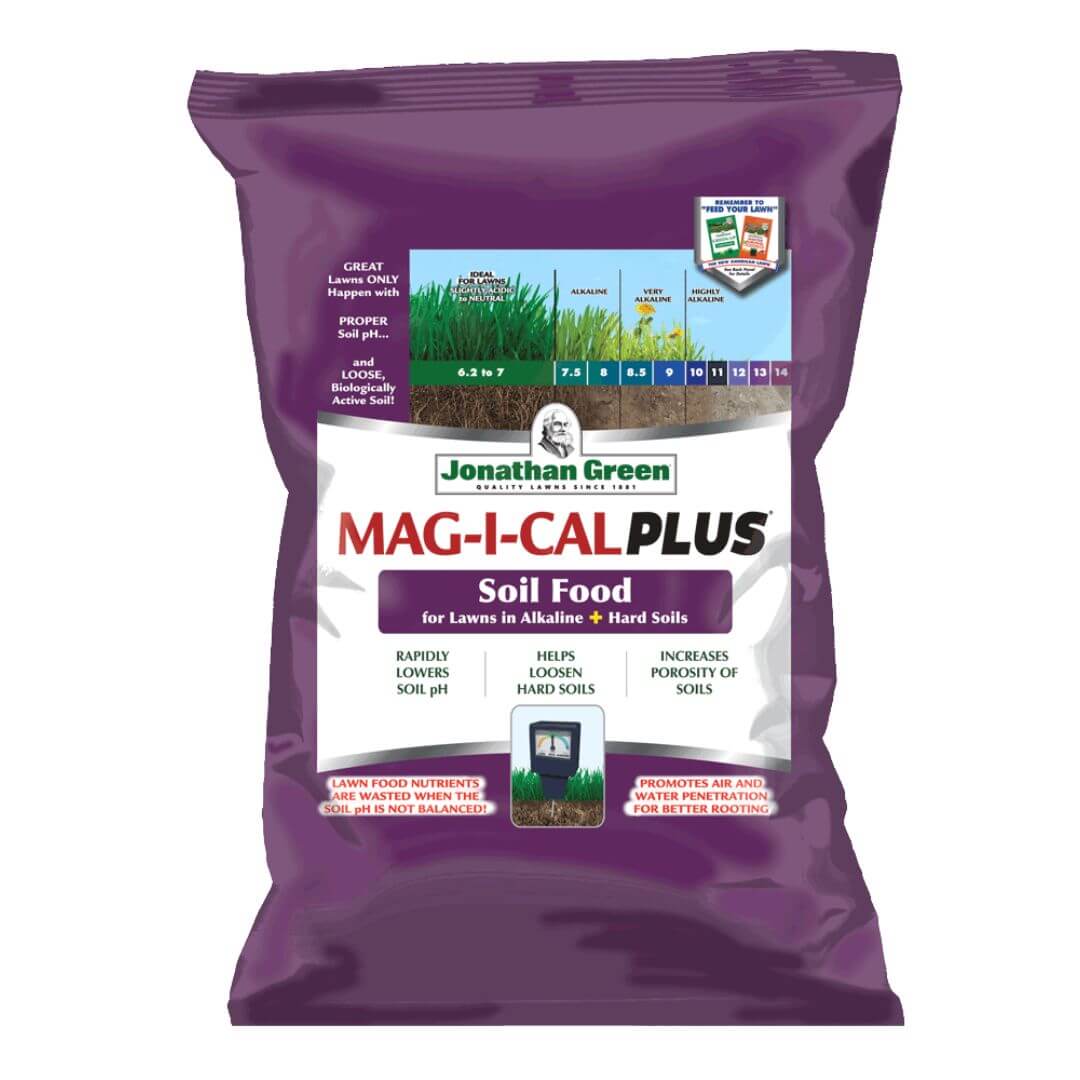
Testing soil pH helps you choose the right lawn care. Adding lime can raise pH. Sulfur lowers pH. Adjusting pH improves grass growth.
Credit: yarafert.com
Ideal Ph Range For Lawns
The pH level of soil affects how grass grows and stays healthy. It measures how acidic or alkaline the soil is.
Most lawns do best with soil that is not too acidic and not too alkaline. Keeping the right pH helps grass get nutrients.
Optimal Ph Levels For Common Grass Types
| Grass Type | Ideal pH Range |
| Bermuda Grass | 5.8 to 7.0 |
| Fescue | 6.0 to 7.0 |
| Kentucky Bluegrass | 6.0 to 7.0 |
| Ryegrass | 5.5 to 7.0 |
| Zoysia Grass | 6.0 to 7.0 |
Each grass type grows best within its pH range. Soil outside this range can cause weak grass growth.
Signs Of Ph Imbalance In Lawns
- Grass looks yellow or pale
- Thin or patchy grass coverage
- Slow growth even with water and fertilizer
- Weeds growing more than grass
- Soil test shows pH below 5.5 or above 7.5
Testing your soil pH helps find these problems early. Correcting the pH can improve lawn health quickly.
Testing Lawn Soil Ph
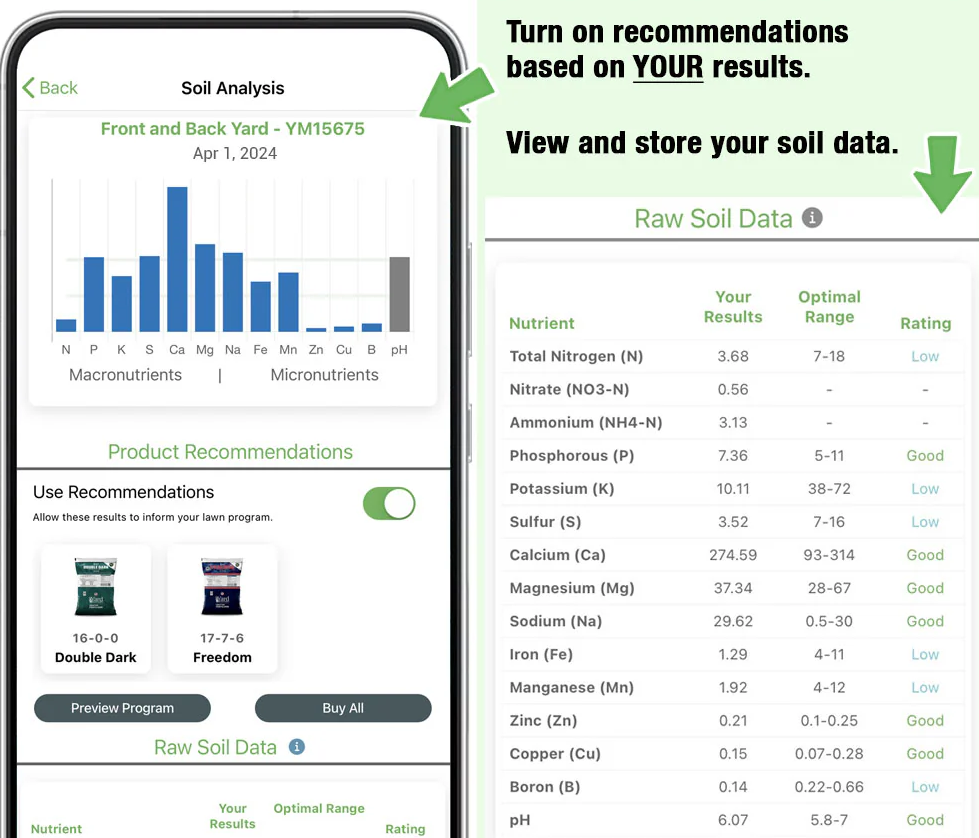
Soil pH is very important for a healthy lawn. It shows how acidic or alkaline the soil is. Knowing your lawn’s pH helps you choose the right care.
Testing soil pH is easy. You can do it yourself or use professional tools. Both ways give good results for lawn care.
Diy Soil Testing Methods
You can test soil pH at home with simple tools. These methods use common items or cheap kits from stores. They help you check soil acidity quickly.
One way is to use vinegar and baking soda. Another way is pH test strips or kits made for soil. These methods give you a rough idea of your soil’s pH.
- Collect soil from different lawn spots
- Remove grass and debris from samples
- Mix soil with vinegar or water depending on the test
- Watch for bubbling or color changes
- Use pH strips to compare colors with a chart
Using Professional Soil Test Kits
Professional soil test kits give more accurate results. These kits include special tools and chemicals. They often come with detailed instructions.
You send a soil sample to a lab or use a digital meter. Labs provide exact pH values and other soil details. Digital meters show pH right away in the field.
- Collect soil from several lawn areas
- Dry the soil and remove foreign matter
- Follow kit instructions for testing or sending samples
- Read the pH results carefully
- Use results to adjust soil for better lawn health
Adjusting Soil Ph
Soil pH is important for a healthy lawn. It affects how well your grass absorbs nutrients. Most grasses grow best in soil with a pH between 6.0 and 7.0.
If your soil pH is too low or too high, you can adjust it. Changing soil pH helps your lawn grow strong and green.
Raising Ph With Lime
Lime is used to raise soil pH. It makes acidic soil less acidic. This helps grass roots take in nutrients better.
Apply lime evenly over your lawn. The amount depends on your current soil pH and soil type.
- Use ground limestone for fast results
- Apply lime in spring or fall
- Water the lawn after application
Lowering Ph With Sulfur
Sulfur lowers soil pH. It makes alkaline soil more acidic. This is good for lawns that need a lower pH.
Apply sulfur carefully. Too much can harm your grass. Follow product instructions for the right amount.
- Use elemental sulfur for best results
- Apply in early spring or fall
- Keep soil moist after applying
Timing And Application Tips
Test your soil before adjusting pH. This shows if you need lime or sulfur. It also tells how much to use.
Apply amendments when the soil is moist. Watering after application helps the soil absorb the material. Avoid applying in very hot or dry weather.
- Test soil every 2-3 years
- Spread materials evenly over lawn
- Use a spreader for best coverage
- Wear gloves and a mask when applying
Maintaining Healthy Soil Ph
Soil pH plays a key role in lawn health. It affects nutrient uptake and grass growth. Keeping soil pH in the ideal range helps lawns stay green and strong.
The best soil pH for most lawns is between 6.0 and 7.0. This range supports good nutrient availability and soil life.
Regular Soil Monitoring
Check soil pH regularly to keep your lawn healthy. Use a soil test kit or send samples to a lab. Testing helps you know if your soil needs treatment.
- Test soil pH at least once a year
- Sample soil from different lawn areas
- Record pH values for future comparison
- Adjust soil treatments based on test results
Fertilizer Choices And Ph Impact
Some fertilizers change soil pH. Choose fertilizers that suit your soil’s current pH. Avoid products that make soil too acidic or alkaline.
| Fertilizer Type | Effect on Soil pH |
| Ammonium sulfate | Lowers pH (more acidic) |
| Calcium nitrate | Raises pH (less acidic) |
| Urea | Neutral effect |
| Organic compost | Buffers pH changes |
Watering Practices
Water affects soil pH by moving nutrients and minerals. Use clean water and avoid overwatering. Proper watering keeps soil pH stable and supports grass roots.
- Water early in the morning
- Use well-drained soil to avoid waterlogging
- Test irrigation water pH if possible
- Adjust watering based on weather and lawn needs
Common Mistakes To Avoid
Keeping the right soil pH is key for a healthy lawn. Many people make errors that hurt their grass.
Learn what to avoid to keep your lawn green and strong.
Overcorrecting Ph Levels
Adding too much lime or sulfur can push pH too high or too low. This stresses grass roots and slows growth.
Test soil carefully and adjust pH slowly. Avoid big changes at once.
Ignoring Soil Type
Different soils need different pH levels for best lawn health. Clay, sand, and loam absorb nutrients differently.
| Soil Type | Ideal pH Range |
| Clay | 6.0 – 7.0 |
| Sand | 5.5 – 6.5 |
| Loam | 6.0 – 7.0 |
Neglecting Organic Matter
Organic matter helps keep soil pH stable. It improves water retention and nutrient supply.
- Use compost to add organic material
- Avoid overusing chemical fertilizers
- Mulch grass clippings to return nutrients
Expert Tips For Lush Lawns
Healthy lawns need the right soil pH to grow strong. Soil pH affects how well grass absorbs nutrients.
Knowing your soil’s pH helps you care for your lawn better. Let’s explore how to keep your lawn green and thick.
Combining Ph Management With Lawn Care
Most grasses grow well in soil with a pH between 6.0 and 7.0. This range allows nutrients to be available to roots.
Test your soil regularly to check pH levels. Adjusting pH while mowing and watering helps keep grass healthy.
- Use a soil test kit every 1-2 years
- Water deeply but less often
- Mow at the right height for your grass type
- Avoid over-fertilizing, which can change pH
Seasonal Adjustments
Soil pH can change with the seasons. Rain and temperature affect how soil holds nutrients.
In spring, test pH and add lime if soil is acidic. In fall, check if sulfur is needed to lower pH.
- Spring: Apply lime for low pH
- Summer: Monitor watering to avoid pH shifts
- Fall: Add sulfur if pH is too high
- Winter: Avoid heavy traffic on frozen soil
Using Soil Amendments Wisely
Lime raises soil pH and reduces acidity. Sulfur lowers pH and helps in alkaline soils.
Apply amendments based on soil test results. Use the right amount to avoid harming your lawn.
- Follow product instructions carefully
- Apply amendments evenly across the lawn
- Water the lawn after applying amendments
- Retest soil pH after 3-4 months

Credit: golfcourselawn.store
Frequently Asked Questions
What Is The Ideal Soil Ph For Healthy Lawns?
The ideal soil pH for most lawns ranges between 6. 0 and 7. 0. This slightly acidic to neutral pH allows optimal nutrient absorption and promotes strong grass growth.
How Does Soil Ph Affect Lawn Growth?
Soil pH influences nutrient availability and microbial activity. If pH is too low or high, grass struggles to absorb nutrients, leading to weak growth and discoloration.
How Can I Test The Soil Ph For My Lawn?
You can test soil pH using a home test kit or by sending a sample to a lab. Both methods provide accurate pH readings to guide lawn care.
Can I Adjust Soil Ph To Improve My Lawn?
Yes, you can adjust soil pH by adding lime to raise pH or sulfur to lower it. Proper adjustment enhances nutrient uptake and lawn health.
Conclusion
Achieving the right soil pH is crucial for a healthy lawn. A balanced pH helps grass absorb nutrients effectively. Regular testing ensures you maintain the ideal range of 6. 0 to 7. 0. Adjusting pH, if needed, supports lush, green growth.
Use lime to raise pH or sulfur to lower it. Simple tools and kits make testing easy for everyone. Consistent care and monitoring lead to thriving lawns. Remember, healthy soil means a beautiful yard. Keep your lawn vibrant by managing its pH wisely.
Your grass will thank you with a lush, green carpet.
