
Is your lawn looking tired, patchy, or struggling to grow? You might have thatch buildup—a layer of dead grass and roots that blocks water and nutrients from reaching your soil.
Removing this thatch, called dethatching, is key to a healthy, green lawn. But here’s the catch: if you’re not careful, dethatching can damage your grass instead of helping it. You’ll discover simple, effective ways to dethatch your lawn without harming it.
Keep reading to learn how to bring your grass back to life and enjoy a lush, vibrant yard all season long.
Signs Your Lawn Needs Dethatching
Thatch is a layer of dead grass and roots that builds up on your lawn. It stops water and nutrients from reaching the soil. Dethatching helps keep grass healthy and green.
Knowing when to dethatch is important. If you wait too long, it can harm your grass. Look for signs that your lawn needs dethatching to keep it strong.
Identifying Thatch Layers
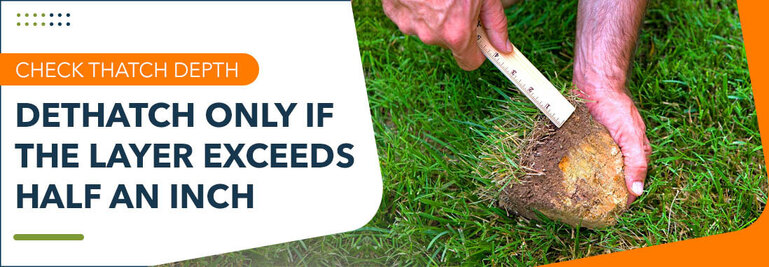
Check your lawn for a thick layer of thatch. You can do this by pulling up a small patch of grass. If the thatch layer is more than half an inch thick, it needs to be removed.
Thatch feels spongy and soft when you step on it. It can also cause water to pool on the surface instead of soaking in.
- Pull up a small grass patch to see the thatch layer
- Measure if the layer is thicker than 0.5 inches
- Notice if grass feels soft or spongy underfoot
- Look for water pooling after rain or watering
Impact On Grass Health
Too much thatch stops air, water, and nutrients from reaching grass roots. This makes grass weak and yellow. It also invites pests and diseases to grow.
Removing thatch helps grass grow stronger and stay green. Healthy grass can better handle heat, drought, and foot traffic.
- Blocks air and water from reaching roots
- Makes grass weak and less green
- Increases risk of pests and diseases
- Weak grass suffers more in bad weather
Best Time To Dethatch
Dethatching your lawn removes dead grass and debris that block water and nutrients. Choosing the right time to dethatch helps avoid hurting your grass. Timing depends on the season and the type of grass you have.
This guide explains the best times based on seasonal changes and grass growth cycles. Follow these tips to keep your lawn healthy and green.
Seasonal Considerations
The best time to dethatch is usually during the grass’s active growing season. Doing it at the right time helps the lawn recover quickly. Avoid dethatching in extreme heat or cold.
- Spring: Ideal for cool-season grasses as they begin to grow.
- Early Fall: Good for warm-season grasses before they go dormant.
- Summer: Avoid dethatching during drought or heat waves.
- Winter: Not recommended because grass growth slows down.
Grass Type And Growth Cycle
Different grasses grow at different times. Knowing your grass type helps pick the best dethatching time. Cool-season grasses grow in spring and fall. Warm-season grasses grow in late spring and summer.
| Grass Type | Best Dethatching Time | Growth Cycle |
|---|---|---|
| Cool-Season Grasses | Early Spring or Early Fall | Active in spring and fall |
| Warm-Season Grasses | Late Spring or Early Summer | Active in late spring and summer |
Tools For Safe Dethatching
Dethatching removes dead grass and debris from your lawn. Using the right tools keeps your grass healthy and safe. You can choose manual or power tools.
Picking the correct equipment helps avoid damage to your lawn. It also makes dethatching easier and more effective.
Manual Rakes Vs. Power Dethatchers
Manual rakes are simple tools with sharp tines to pull out thatch. They work well for small areas or light thatch layers. Power dethatchers use rotating blades to remove thatch faster. They suit larger lawns or thick thatch.
- Manual Rakes:Affordable, quiet, and easy to control.
- Power Dethatchers:Faster, need power source, and require skill.
- Grass Safety:Manual rakes cause less stress on grass.
- Effort:Power dethatchers need less physical work.
Choosing The Right Equipment
| Tool | Best For | Grass Type | Cost |
|---|---|---|---|
| Manual Rake | Small lawns, light thatch | All types | Low |
| Electric Dethatcher | Medium lawns, moderate thatch | Fine to medium grass | Medium |
| Gas Power Dethatcher | Large lawns, heavy thatch | Coarse grass | High |
Consider lawn size, grass type, and your budget. Choose tools that fit your needs and skill level. Always follow safety instructions to protect your lawn.

Credit: www.youtube.com
Step-by-step Dethatching Process
Dethatching removes dead grass and roots from your lawn. This helps grass grow strong and healthy. Follow these steps to dethatch without hurting the grass.
Use the right tools and care after dethatching. This keeps your lawn green and fresh. Let’s start with preparing your lawn.
Preparing Your Lawn
Cut your grass shorter than usual. This makes dethatching easier. Remove any rocks, sticks, or debris from the lawn. Dry grass is best for dethatching.
- Mow grass to about 1.5 to 2 inches tall
- Clear lawn of debris
- Wait for dry weather before starting
Proper Dethatching Techniques
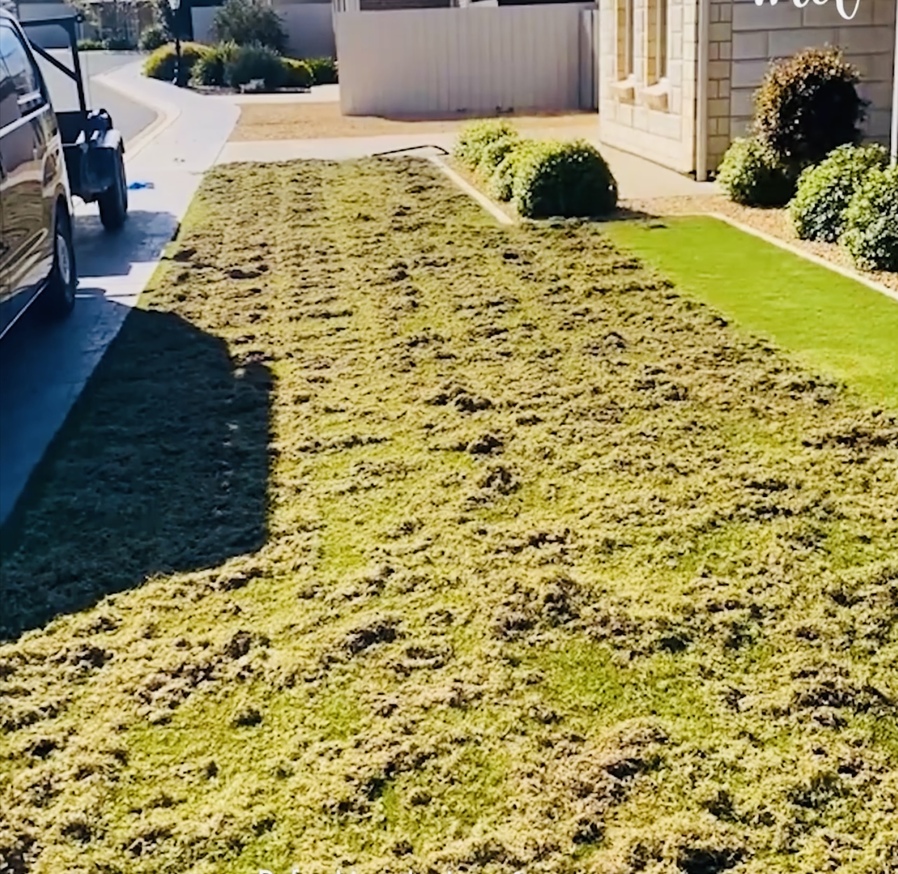
Use a dethatching rake or machine to remove the thatch layer. Work in one direction first, then cross over in another. Avoid removing more than half an inch of thatch at once.
- Use a dethatching rake or machine
- Rake in one direction, then cross raking
- Do not remove too much thatch at once
- Work slowly to avoid cutting healthy grass
Post-dethatching Care
After dethatching, water your lawn lightly to help grass recover. Remove loosened thatch by raking or lawn vacuuming. Avoid heavy foot traffic on the lawn for a few days.
- Water lawn gently but deeply
- Clear away loose thatch debris
- Keep off lawn for several days
- Fertilize if needed after recovery
Avoiding Common Dethatching Mistakes
Dethatching helps keep your lawn healthy by removing dead grass and debris. Doing it wrong can harm your grass instead of helping.
Learn how to dethatch without causing damage. Avoid mistakes that many lawn owners make.
Over-dethatching Risks
Removing too much thatch can hurt your lawn. It opens the soil to pests and dries out roots. Over-dethatching also stresses the grass.
- Only dethatch when thatch is thicker than 0.5 inches
- Use the right dethatching tools for your grass type
- Do not dethatch more than once a year
- Check weather conditions to avoid drought stress
Damaging Grass Roots
Harsh dethatching methods can cut or pull out grass roots. This weakens the lawn and delays growth. Use gentle tools and light pressure.
| Common Mistake | Effect on Roots | How to Avoid |
| Using power rakes too aggressively | Root damage and bare spots | Adjust blade height and speed |
| Dethatching wet lawn | Soil compaction and root harm | Wait for dry weather |
| Repeated dethatching in a season | Weakens roots over time | Limit dethatching to once a year |
Ignoring Lawn Recovery
After dethatching, grass needs time and care to heal. Skipping recovery steps slows lawn regrowth and invites weeds.
- Water your lawn deeply after dethatching
- Apply a light layer of fertilizer to support growth
- Avoid heavy foot traffic for at least two weeks
- Overseed bare spots to fill gaps quickly
Credit: www.yourgreenpal.com
Enhancing Lawn Health After Dethatching
Dethatching removes dead grass and debris from your lawn. This helps grass grow stronger and healthier. After dethatching, your lawn needs extra care to recover well.
Taking the right steps after dethatching can prevent damage and improve grass growth. Focus on aeration, watering, fertilizing, and overseeding to support your lawn.
Aeration And Fertilization
Aeration helps open the soil so air, water, and nutrients reach grass roots. It reduces soil compaction after dethatching. Use a core aerator to remove small plugs of soil.
Fertilizing supplies essential nutrients to repair and grow grass. Choose a fertilizer with nitrogen, phosphorus, and potassium. Apply it evenly after aeration for best results.
- Aerate your lawn 1 to 2 days after dethatching
- Apply fertilizer soon after aeration
- Use slow-release fertilizer to feed grass over weeks
- Follow package instructions for fertilizer amounts
Watering Tips
Water your lawn deeply but less often to encourage deep roots. After dethatching, grass needs consistent moisture to recover. Avoid overwatering which can cause disease.
Water early in the morning to reduce evaporation. Keep the soil moist but not soggy. Light watering multiple times per day helps new grass grow if you overseed.
- Water 1 inch per week, including rainfall
- Use a sprinkler to water evenly
- Water before 10 AM for best absorption
- Adjust watering if soil feels dry or wet
Grass Seed Overseeding
Overseeding fills bare spots and thickens your lawn after dethatching. Choose seeds that match your grass type and climate. Spread seeds evenly on the dethatched area.
Keep the soil moist until the new grass grows strong. Avoid heavy foot traffic on seeded areas. Overseeding improves lawn density and helps fight weeds and pests.
- Seed right after dethatching and aeration
- Rake lightly to cover seeds with soil
- Water gently but regularly until grass appears
- Use a lawn roller to press seeds into soil
Credit: www.yourgreenpal.com
Frequently Asked Questions
What Is Lawn Dethatching And Why Is It Important?
Lawn dethatching removes dead grass and debris that block water and nutrients. It improves air circulation and promotes healthier grass growth. Regular dethatching prevents lawn diseases and keeps your lawn vibrant and strong.
When Is The Best Time To Dethatch A Lawn?
The best time to dethatch is during your grass’s active growing season. For cool-season grasses, early spring or early fall works well. For warm-season grasses, late spring to early summer is ideal. This timing helps the lawn recover quickly.
How Often Should I Dethatch My Lawn?
Most lawns require dethatching once every 1 to 3 years. Lawns with heavy thatch buildup need more frequent dethatching. Over-dethatching can harm your grass, so inspect your lawn before deciding.
What Tools Are Best For Dethatching Without Damage?
Use a dethatching rake or a power dethatcher with adjustable blades. These tools gently remove thatch without ripping healthy grass roots. Choose equipment based on your lawn size and thatch thickness for best results.
Conclusion
Caring for your lawn keeps it healthy and green. Dethatching helps remove excess thatch. This prevents grass from suffocating. Use a dethatching rake or machine carefully. Work slowly, and avoid removing too much. Keep your blades sharp for a clean cut.
Regular watering and mowing help maintain balance. After dethatching, fertilize to nourish your lawn. Follow these steps to keep your grass lush and vibrant. Remember, a little effort goes a long way. Your lawn will thank you with healthy growth.
Enjoy your beautiful, thriving yard!
