
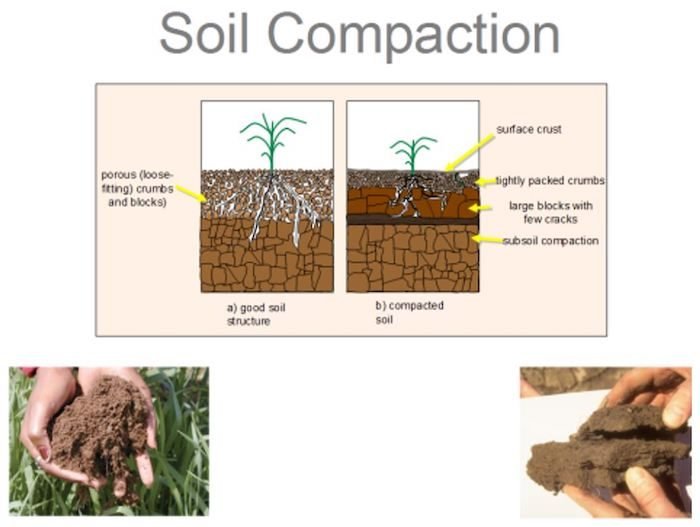
If you want healthy soil that helps your plants grow strong, preventing soil compaction is key. Compacted soil squeezes out the air and water your roots need, making it hard for your garden to thrive.
But don’t worry—there are simple steps you can take to keep your soil loose and full of life. You’ll discover easy ways to protect your soil and boost your garden’s health. Keep reading to learn how you can make your soil work for you, not against you.

Credit: fieldcropnews.com
Causes Of Soil Compaction
Soil compaction happens when soil particles are pressed tightly. This reduces air spaces and water flow in soil. It harms plant roots and stops growth.
Many things cause soil compaction. Knowing the causes helps to prevent it and keep soil healthy.
Heavy Machinery Impact
Heavy machines like tractors and bulldozers press down soil hard. Their weight crushes soil particles together. This reduces spaces where air and water move.
Using heavy machinery often on wet soil makes compaction worse. The soil becomes dense and hard for roots to grow.
- Farm equipment
- Construction vehicles
- Logging machines
Foot Traffic Effects
Walking or running on soil many times can compact it. Foot traffic presses soil layers closer. This is common in gardens, parks, and trails.
Animals also cause soil compaction. Heavy or repeated steps crush soil and reduce its quality.
- People walking paths
- Livestock grazing
- Wildlife trails
Natural Factors
Some natural events compact soil without human help. Rain and wind can press soil particles down. Drying and shrinking soil also cause compaction.
Soil type affects how easily compaction happens. Clay soils compact more than sandy soils. This is due to particle size and water holding ability.
- Heavy rain impact
- Soil drying and shrinking
- Soil type differences

Credit: www.wastex.io
Signs Of Compacted Soil
Compacted soil is hard and dense. It stops air, water, and roots from moving easily.
Knowing the signs helps you fix soil problems early. This keeps plants healthy and soil strong.
Poor Drainage
Compacted soil blocks water from soaking in. Water stays on top and pools after rain.
Wet spots or puddles that last long show poor drainage. This can harm plants by making roots wet.
Reduced Plant Growth
Plants grow slowly in compacted soil. Roots cannot spread out well to find water and nutrients.
Look for plants that are smaller, weak, or yellow. These signs mean the soil may be compacted.
Soil Crusting
Compacted soil often forms a hard crust on the surface. This crust blocks water and air from entering.
The crust can crack and break apart, making it hard for seeds to grow or seedlings to come up.
Soil Testing Methods
Soil compaction reduces air and water flow in soil. Testing soil helps prevent this problem.
Farmers and gardeners use different ways to check soil health. These tests guide soil care actions.
Penetrometer Use
A penetrometer measures how hard soil is. It shows if soil is compacted below the surface.
Push the penetrometer into the soil and read the resistance. Higher resistance means more compaction.
- Use after rain or watering for best results
- Test several spots for an overall view
- Record readings at different depths
Bulk Density Measurement
Bulk density shows how much soil weighs in a certain volume. High bulk density means compacted soil.
Take a soil sample using a ring or core. Dry it and weigh to find the bulk density.
- Collect samples from different areas
- Use dry soil weight for accuracy
- Compare values to healthy soil standards
Visual Inspection
Look at the soil to find signs of compaction. Cracks, hard clods, or poor plant growth are clues.
Check soil color and structure. Dark, crumbly soil is healthy, while pale, dense soil may be compacted.
- Look for water pooling on the surface
- Notice if roots grow shallow or distorted
- Check if soil is hard to dig or break
Preventive Practices
Soil compaction happens when soil particles are pressed tightly. It reduces air and water flow in the soil.
Preventing soil compaction helps plants grow strong and healthy. Use these practices to keep soil loose.
Minimizing Traffic
Heavy traffic on soil causes compaction. Limit the number of passes with vehicles on fields.
- Use designated paths for machinery and workers
- Avoid working on wet soil to reduce pressure
- Keep farm traffic to a minimum during growing seasons
- Plan field operations to reduce repeated tire tracks
Controlled Machinery Use
Use light and wide tires to spread weight. Adjust machinery to reduce soil pressure.
| Machinery Type | Recommended Tires | Benefits |
| Tractors | Wide, low-pressure tires | Less soil compression |
| Harvesters | Dual tires or tracks | Better weight distribution |
| Sprayers | Lightweight frames | Reduces deep soil damage |
Crop Rotation Benefits
Crop rotation changes root patterns and soil use. It improves soil structure and reduces compaction.
Rotation helps by:
- Breaking hard soil layers with deep roots
- Adding organic matter from different crops
- Balancing soil nutrients and moisture
Soil Improvement Techniques
Soil compaction reduces air and water movement in the soil. It makes it hard for roots to grow. Improving soil helps plants stay healthy and strong.
Different techniques can prevent soil compaction. These methods improve soil structure and increase its ability to hold water and nutrients.
Aeration Methods
Aeration helps soil breathe by making holes in it. This allows air, water, and nutrients to reach plant roots. You can aerate soil using tools or machines.
- Manual aerators use spikes or hollow tines to punch holes.
- Machine aerators pull out small plugs of soil to reduce compaction.
- Aerate when soil is moist but not too wet or dry.
- Avoid heavy traffic on wet soil to prevent further compaction.
Organic Matter Addition
Adding organic matter improves soil texture and fertility. It helps soil hold moisture and air better. Compost, manure, and leaf mulch are good sources.
| Type of Organic Matter | Benefits |
| Compost | Improves nutrient content and soil structure |
| Manure | Increases soil fertility and microbial activity |
| Leaf Mulch | Enhances moisture retention and prevents erosion |
| Grass Clippings | Adds nitrogen and organic matter quickly |
Cover Cropping
Cover crops protect soil from erosion and compaction. Their roots create channels that improve soil aeration. They also add nutrients when turned into the soil.
- Choose legumes like clover or vetch for nitrogen fixing.
- Use grasses like rye or oats to build organic matter.
- Plant cover crops after harvest or during off-season.
- Incorporate cover crops into soil before planting main crops.
Choosing Suitable Plants
Choosing the right plants helps stop soil from getting too hard. Plants can keep the soil loose and healthy.
Some plants grow roots that dig deep, breaking up the soil. Other plants protect the soil surface and add nutrients.
Deep-rooted Species
Deep-rooted plants reach far below the ground. Their roots create channels in the soil. This lets air and water flow better.
These plants help stop soil from getting packed down. They also improve soil structure over time.
- Alfalfa
- Daikon radish
- Comfrey
- Sunflower
- Red clover
Soil-friendly Vegetation
Soil-friendly plants cover the ground. They protect soil from rain and wind. This stops soil from becoming hard.
These plants add organic matter as they grow and die. This keeps soil soft and full of life.
- Grasses like ryegrass and fescue
- Cover crops such as clover and vetch
- Mulching plants like buckwheat
Long-term Soil Health Care
Soil compaction reduces air, water, and root growth. It harms soil health over time.
Preventing compaction helps plants grow strong and keeps soil healthy for years.
Regular Monitoring
Check soil regularly to spot compaction early. Look for hard spots and poor drainage.
- Test soil firmness with a penetrometer or rod
- Observe water pooling after rain
- Watch root growth in plants
- Record changes in soil texture and color
Sustainable Farming Practices
Use farming methods that reduce pressure on soil. These keep soil loose and healthy.
| Practice | Benefit |
| Crop rotation | Prevents soil fatigue and erosion |
| Cover cropping | Protects soil surface and adds nutrients |
| Reduced tillage | Maintains soil structure and reduces compaction |
| Controlled traffic farming | Limits heavy machinery to certain paths |

Credit: www.futurefarming.com
Frequently Asked Questions
What Causes Soil Compaction And Why Is It Harmful?
Soil compaction occurs from heavy machinery or foot traffic pressing soil particles together. It reduces air, water, and root growth, leading to poor plant health and lower crop yields.
How Can I Prevent Soil Compaction In My Garden?
Prevent soil compaction by avoiding walking on wet soil, using raised beds, and minimizing heavy equipment. Adding organic matter also helps improve soil structure and drainage.
Which Plants Help Reduce Soil Compaction Naturally?
Deep-rooted plants like daikon radish and clover loosen compacted soil. Their roots create channels that improve aeration and water infiltration, promoting healthier soil.
Is Soil Compaction Reversible, And How?
Yes, soil compaction can be reversed by aerating the soil with tools like a garden fork or aerator. Adding organic material improves soil texture and encourages microbial activity.
Conclusion
Preventing soil compaction ensures healthy plant growth. Adopt light tillage methods regularly. Rotate crops to maintain soil structure. Use organic matter like compost to enhance soil health. Limit heavy machinery on wet soil to reduce damage. Choose plants with deep roots to naturally aerate the soil.
Monitor soil conditions often to catch early signs of compaction. Healthy soil supports a thriving ecosystem and better yields. Small changes make a big difference. Keeping soil in top condition benefits everyone. Your efforts will lead to long-term soil sustainability.
Happy gardening!
